

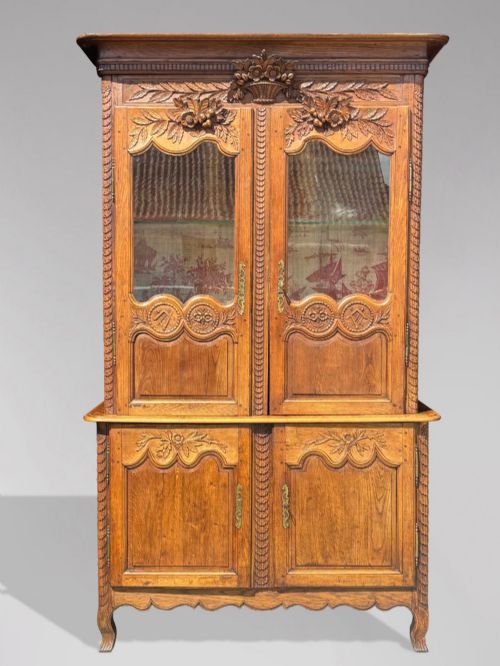


Oak Tier Buffet
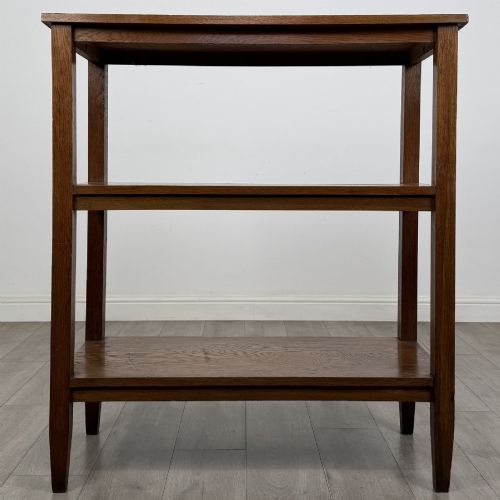
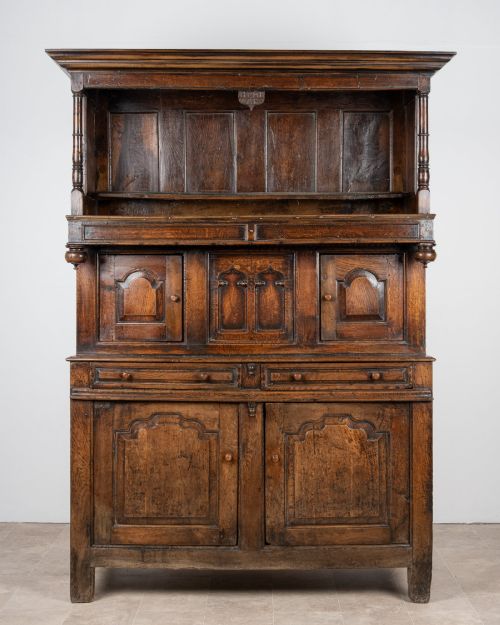
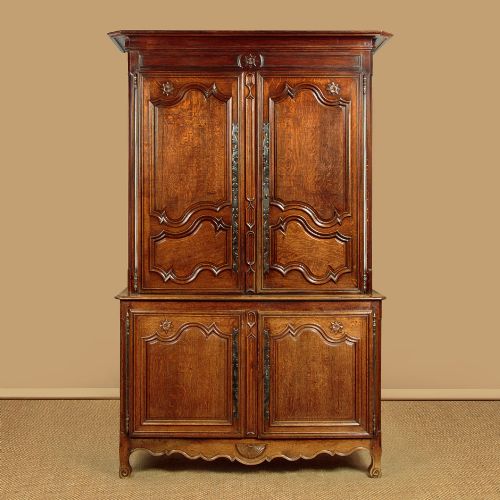
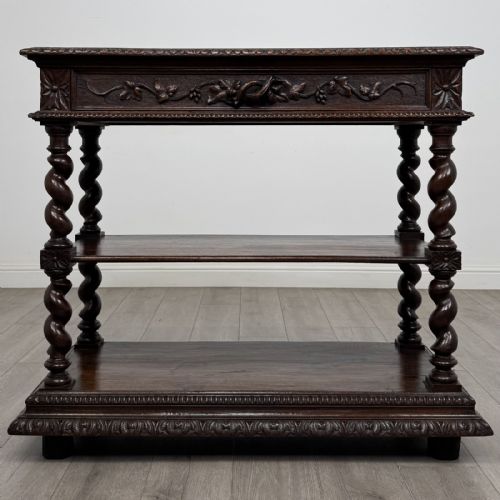
An oak tier buffet serves food and displays plate, combining multiple surfaces in solid timber.
Oak Tier Buffet
When you search for an oak tier buffet, you encounter sturdy storage and serving furniture built with two or three horizontal levels. The pieces originate primarily from the eighteenth and nineteenth centuries, spanning Georgian, Victorian, and continental European traditions.
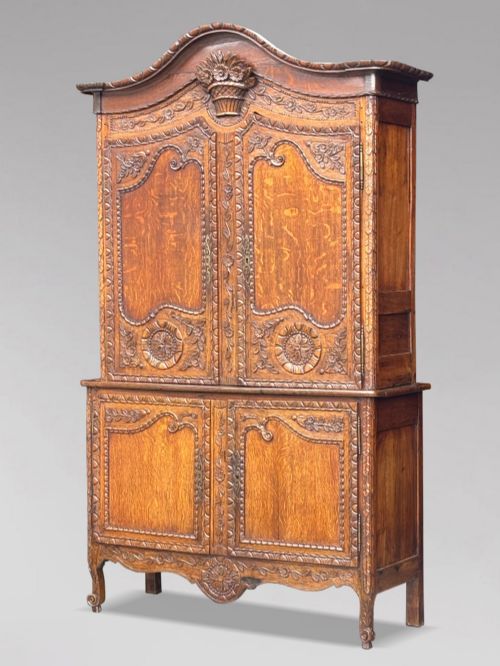
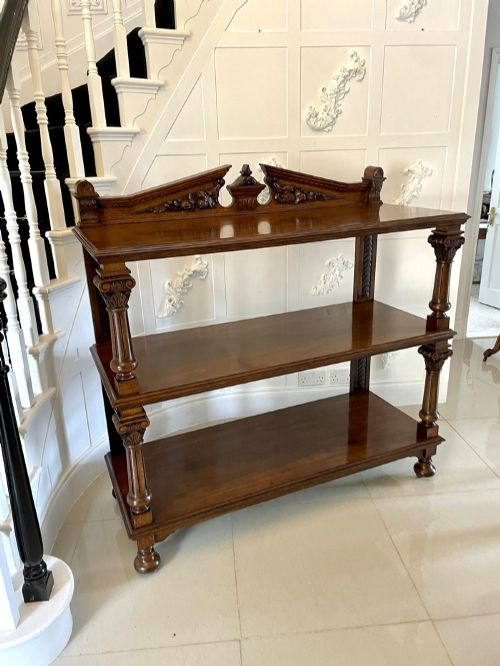
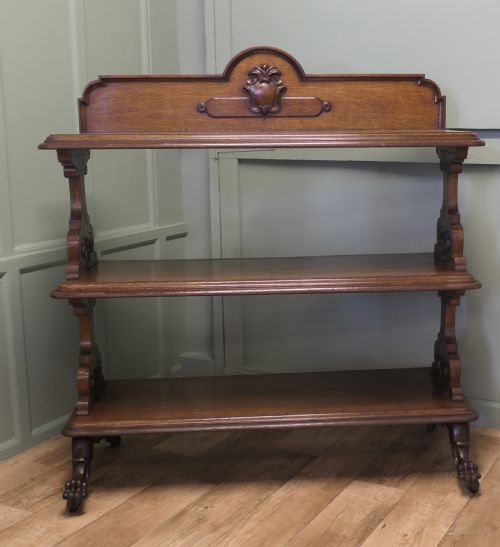
You meet various formats on this page, including towering cupboards known as buffets deux corps, tiered dumbwaiters, and server sideboards with open shelves. These forms reflect centuries of dining habits where extra serving space in the dining room or parlour was essential.
The material palette centres firmly on oak, occasionally joined by pollard oak, walnut, and brass hardware. Pieces range from plain vernacular boards to elaborately carved gothic and renaissance revivals.
Assessing craftsmanship
The depth and crispness of the carving distinguish standard production from exceptional work. Skilled hands carved foliage, figures, and architectural motifs directly into the solid timber rather than applying moulded ornaments.
The choice of secondary timbers and the integrity of the original surfaces determine the standing of a piece. Examples retaining untouched patination and matching timber grains across all tiers command greater appreciation.
Oak Tier Buffet Retail Price Guide 2026
Typical asking prices for oak tier buffet among the pieces listed under this phrase on Sellingantiques today, from the lower quarter to the upper quarter. They describe what is for sale here now, not the wider market.
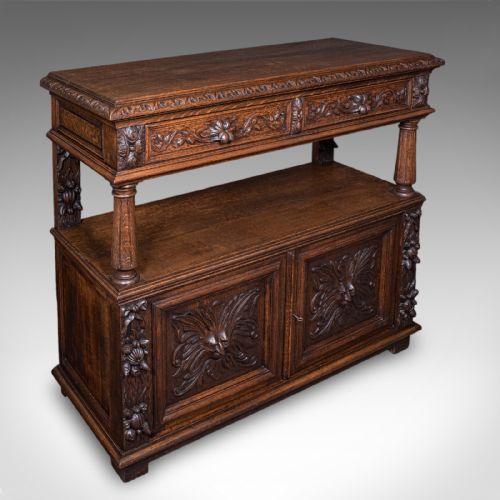
Keep an eye out for hidden compartments tucked behind carved Green Man panels where nineteenth-century diners surely hid their secret sweetmeats.
Edwards and Roberts
The Oak Tier Buffet Glossary
- Buffet deux corps
- A tall two-part cupboard featuring a smaller upper cabinet set upon a deeper lower base. Such pieces provide substantial storage for dining linen and tableware.
- Dumbwaiter
- A tiered serving table fitted with multiple shelves for holding dishes without servants present. These items frequently feature revolving tiers or fixed surfaces supported by turned columns.
- Pollard oak
- Timber taken from trees that were cut back close to the trunk to encourage dense, highly decorative branch growth. This wood yields swirling grain patterns prized by Victorian cabinet makers.
- Green Man
- A sculptural architectural motif representing a face carved from or entwined with leaves and vines. This pagan symbol appears frequently on nineteenth-century revival oak furniture.
Oak Tier Buffet: Frequently Asked Questions
What is an oak tier buffet?
An oak tier buffet is a multi-level piece of dining room furniture designed for serving food and displaying silver or ceramic wares. These items provide open shelving or enclosed cupboards arranged vertically.
They emerged in various forms across British and continental workshops during the eighteenth and nineteenth centuries to assist with large formal meals.
How do I date an oak buffet?
Dating relies on examining construction methods, tool marks, and stylistic ornament. Eighteenth-century pieces often display hand-sawn timber and vernacular joinery.
Victorian examples frequently incorporate revival styles such as Gothic, Elizabethan, or French Renaissance alongside machine-assisted preparation.
Where were these pieces used?
These pieces belonged primarily in the dining room, serving hall, or large country house kitchen. They held dishes during long meals and stored extra service items.
Today they function effectively in modern dining rooms, kitchens, or hallways for storage and display.