

Oak Storage Armoire
An oak storage armoire brings centuries of practical timber craftsmanship into a room, offering robust utility wrapped in enduring British, French, and Dutch vernacular styles.
Oak Storage Armoire
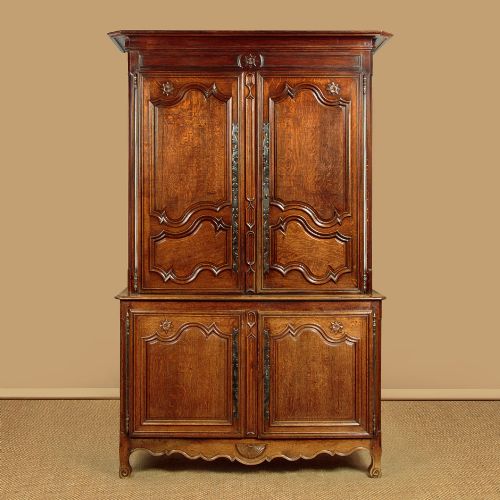
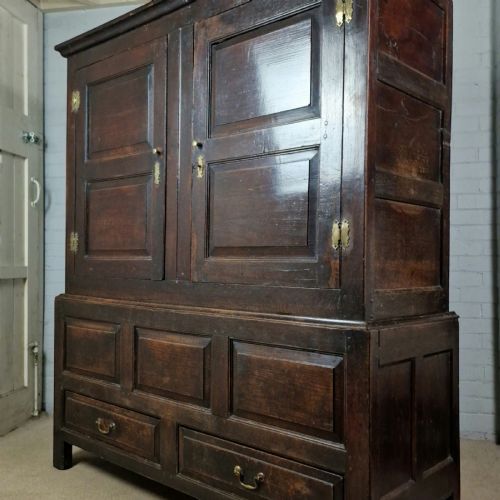
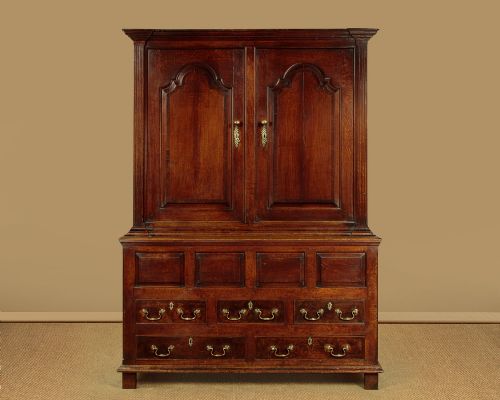
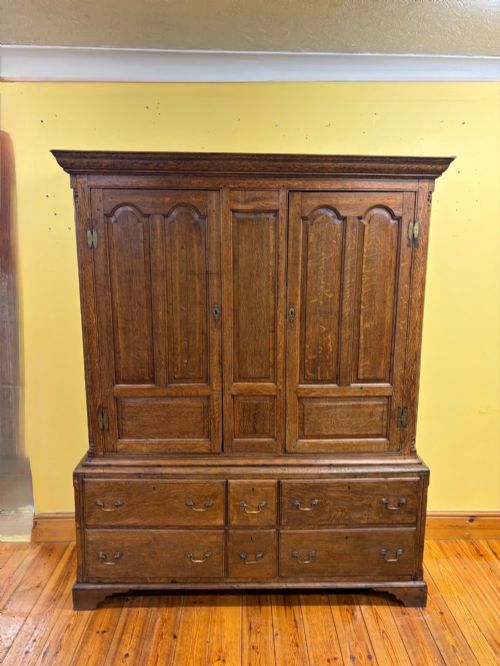
When you search for an oak storage armoire, you find heavy utilitarian cabinetry designed to hold linen, clothing, and household stores. The pieces here span the seventeenth, eighteenth, nineteenth, and twentieth centuries, originating from English, Welsh, French, Dutch, and Hungarian workshops.
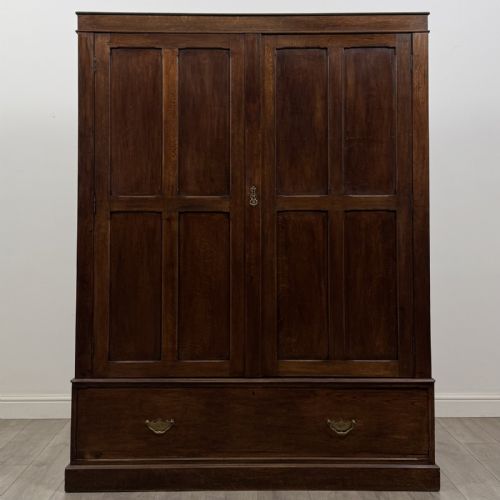
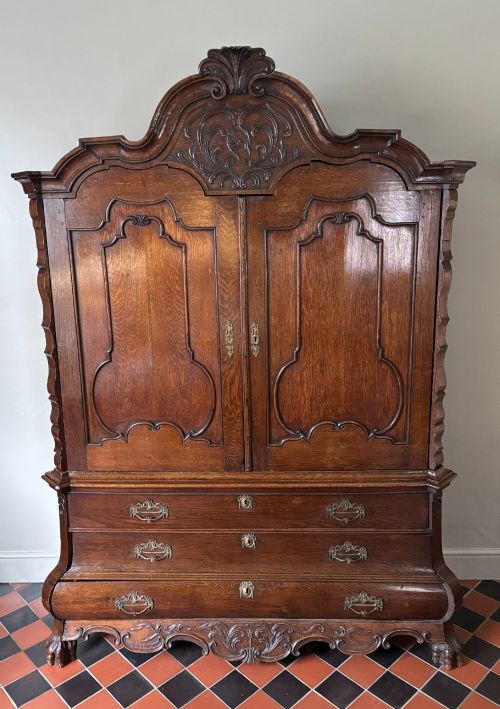
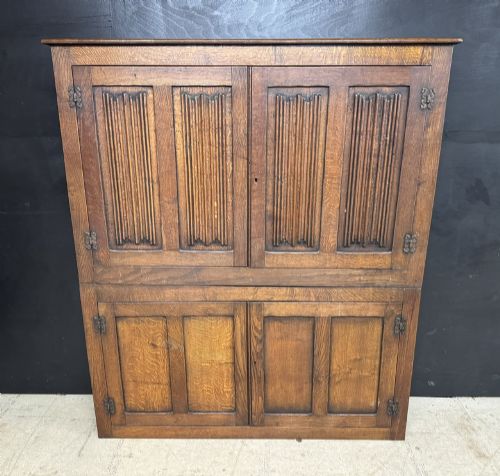
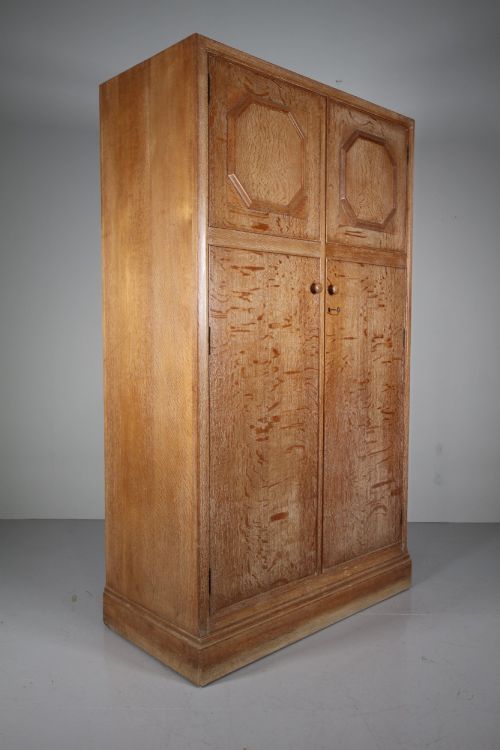
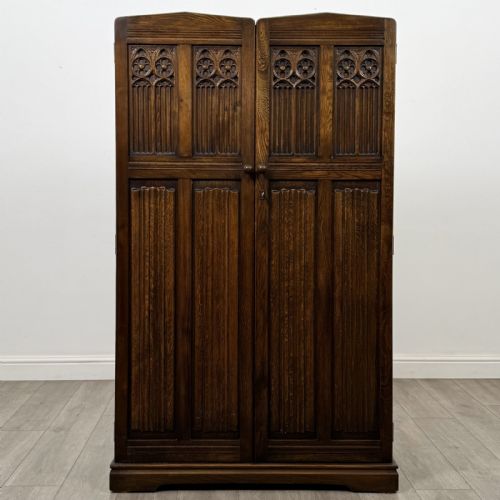
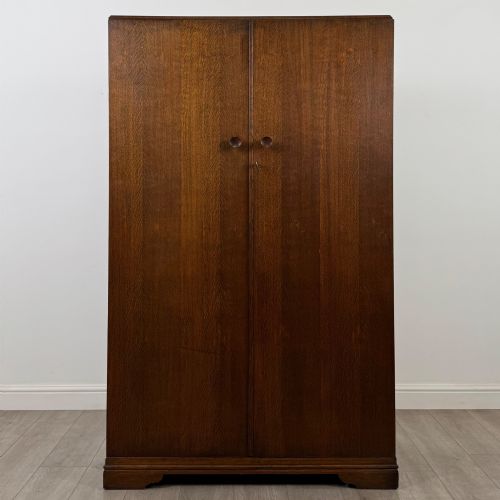
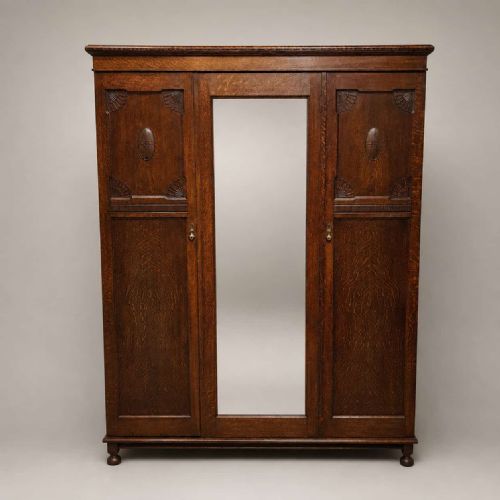
You are most likely to encounter large housekeeper's cupboards, tall livery cupboards, and fitted wardrobes from the Georgian, Victorian, and Edwardian eras. These domestic forms reflect regional traditions, from Welsh vernacular designs to French provincial mountain pieces and Dutch bleached oak storage.
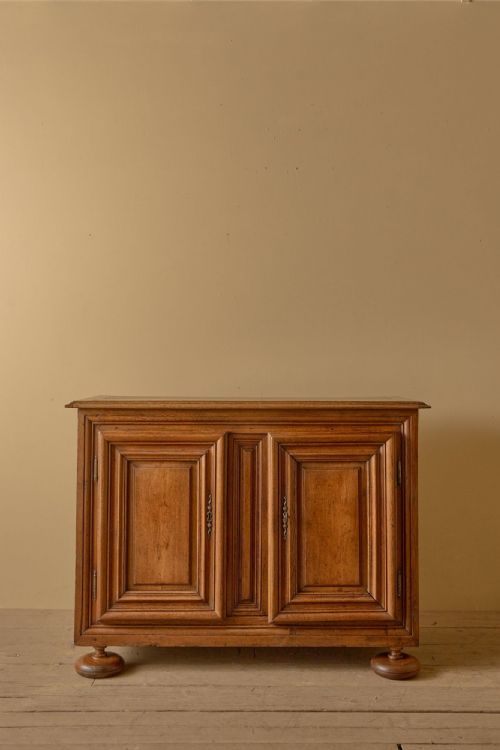
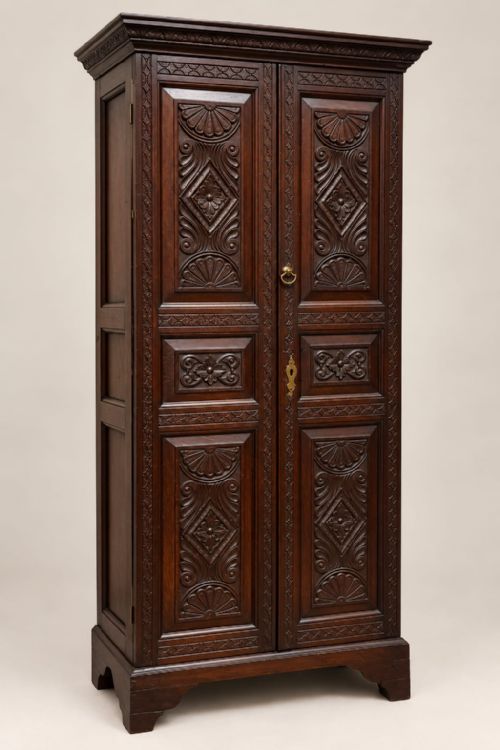
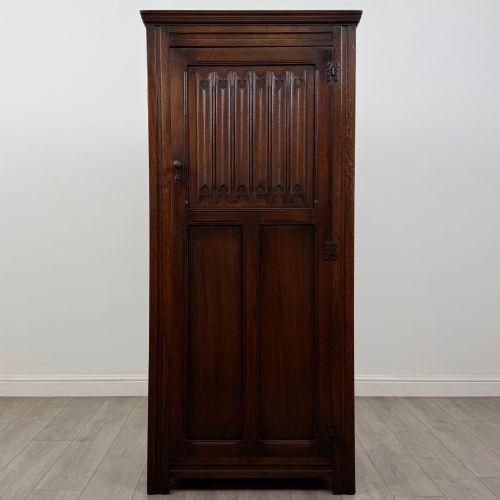
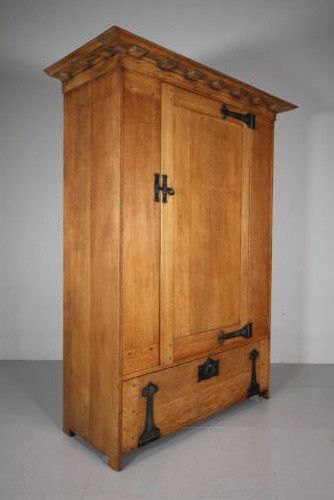
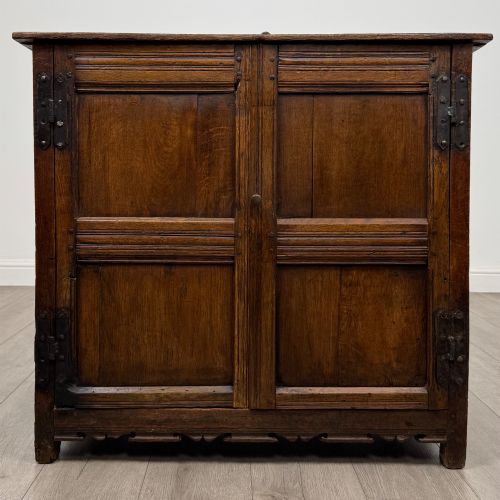
The inventory also includes smaller hall cupboards, tack cupboards, and occasional cabinets showing styles ranging from simple country plainness to Gothic Revival and Jacobean Revival motifs. Every piece relies on solid timber construction to provide substantial interior capacity.
What varies in quality
Quality rests upon the proportion of original timber remaining and the integrity of the structural joinery. Pieces that retain their original brass or iron hardware and fitted internal shelving command greater interest from traditionalists.
The refinement of the carving and the cleverness of the internal partitioning distinguish standard utility furniture from finer regional or branded examples. Clean, unwarped door alignment and sound historical timber seasoning dictate the enduring stability of each cabinet.
Oak Storage Armoire Retail Price Guide 2026
Typical asking prices for oak storage armoire among the pieces listed under this phrase on Sellingantiques today, from the lower quarter to the upper quarter. They describe what is for sale here now, not the wider market.
Materials appearing across the collection include solid oak, pine, walnut, wrought iron, and brass fittings with occasional marquetry inlay.
Heals Of London·Crown Furniture
The Oak Storage Armoire Glossary
- Livery cupboard
- A traditional storage cabinet originally used to store food or clothing in a hall. These tall pieces often feature panelled doors and interior shelving.
- Housekeeper's cupboard
- A large storage press traditionally used in large country houses for storing household linens and dry goods. They usually combine upper cupboard doors with lower drawers or shelving.
- Linen press
- A tall cabinet specifically designed to store folded textiles and sheets. They frequently feature sliding trays or presses behind the main doors.
- Linenfold
- A carved wood pattern resembling folded parchment or linen cloth. This decorative motif appears frequently on Tudor and Edwardian panels.
- Tack cupboard
- A specialised storage piece historically used for riding gear and harness equipment. They tend to have robust timber construction and compact proportions.
Oak Storage Armoire: Frequently Asked Questions
What fits inside an oak storage armoire?
These cabinets provide deep internal space originally intended for heavy linens, household provisions, or seasonal clothing. Many contemporary owners utilise the adjustable shelves and hanging rails for modern wardrobe storage.
The scale varies from narrow hall cupboards to massive multi-door linen presses and housekeeper's units. Measuring your intended room height and clearance for opening doors is essential before placement.
How do I date an antique oak cupboard?
Dating relies on observing construction methods, handle styles, and regional joinery traits. Hand-cut dovetails, pegged mortise and tenon joints, and original iron butterfly hinges point towards earlier centuries.
Later Victorian and Edwardian examples often introduce machine-sawn timber, standardised brass fittings, and fitted internal mirrors or modern hanging hooks. Comparing the panel construction to known period styles clarifies the age.
How should I care for antique oak?
Maintaining antique oak requires keeping the timber away from direct heat sources and sudden humidity shifts that cause wood to split. Regular dusting with a soft, dry cloth preserves the natural waxed or polished finish.
Avoid modern silicone sprays or harsh chemical cleaners which damage the patina built up over generations. Occasional application of a traditional beeswax feed keeps the grain nourished.