



Oak Stacking Glass Display
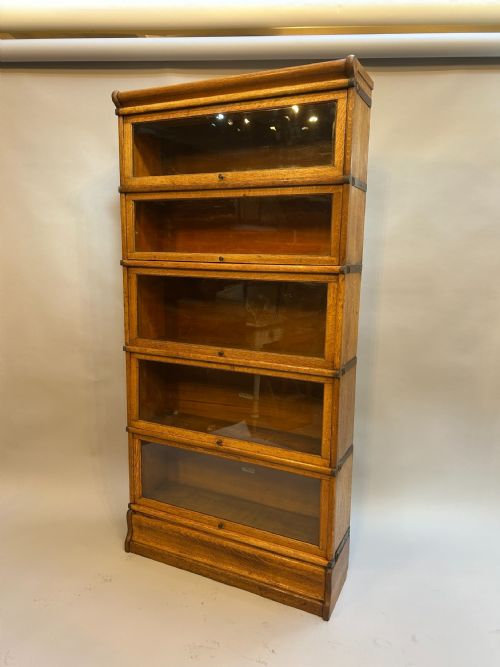
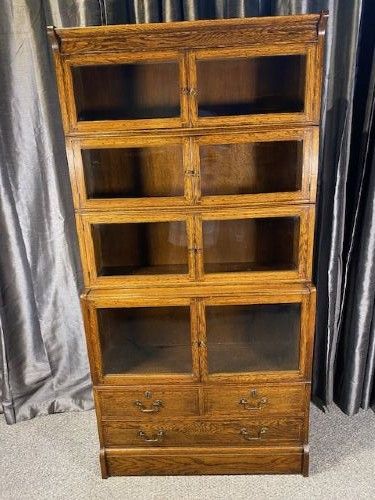
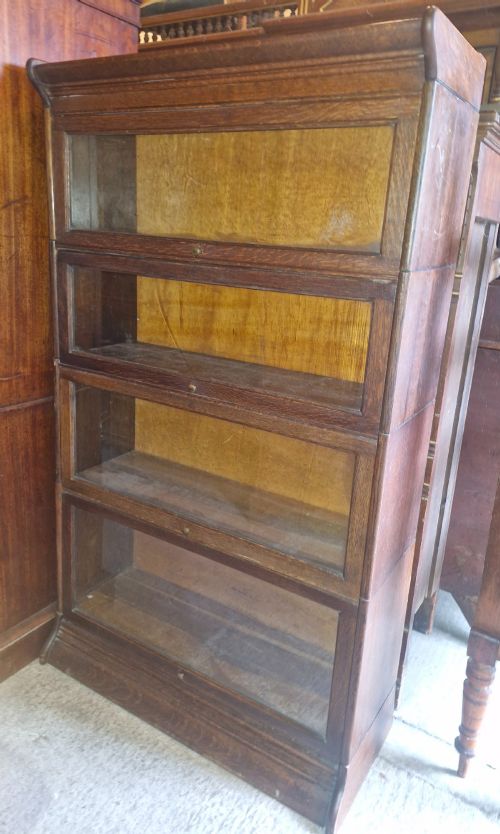
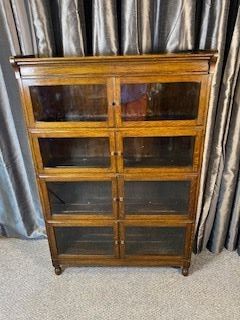
These oak stacking glass display units offer modular flexibility and clear visibility, making them a practical choice for organising collections.
Oak Stacking Glass Display
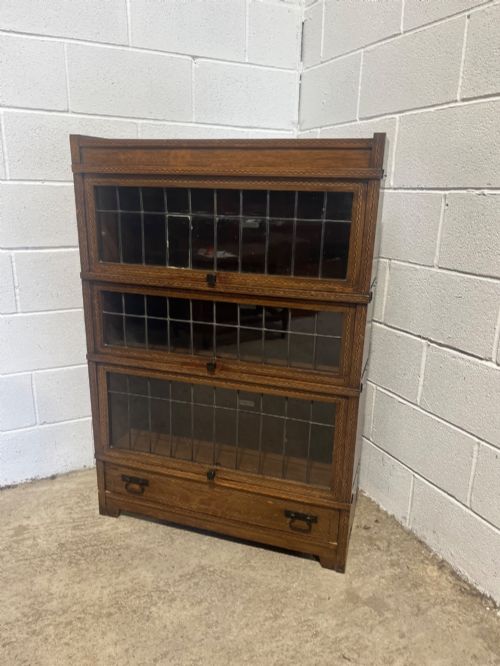
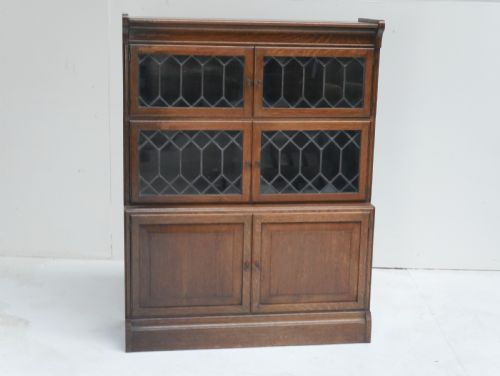
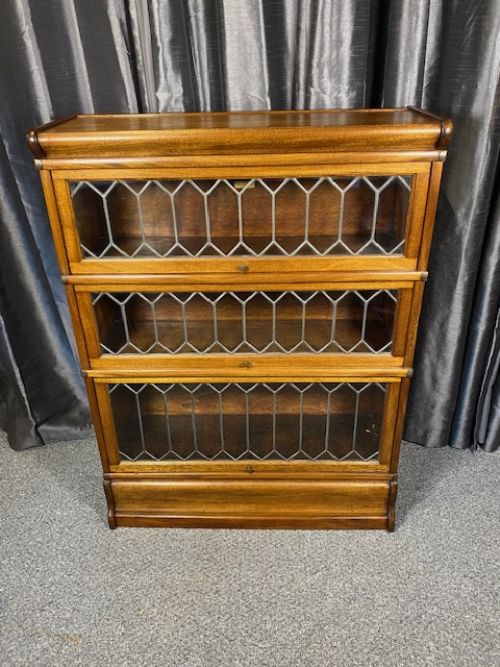
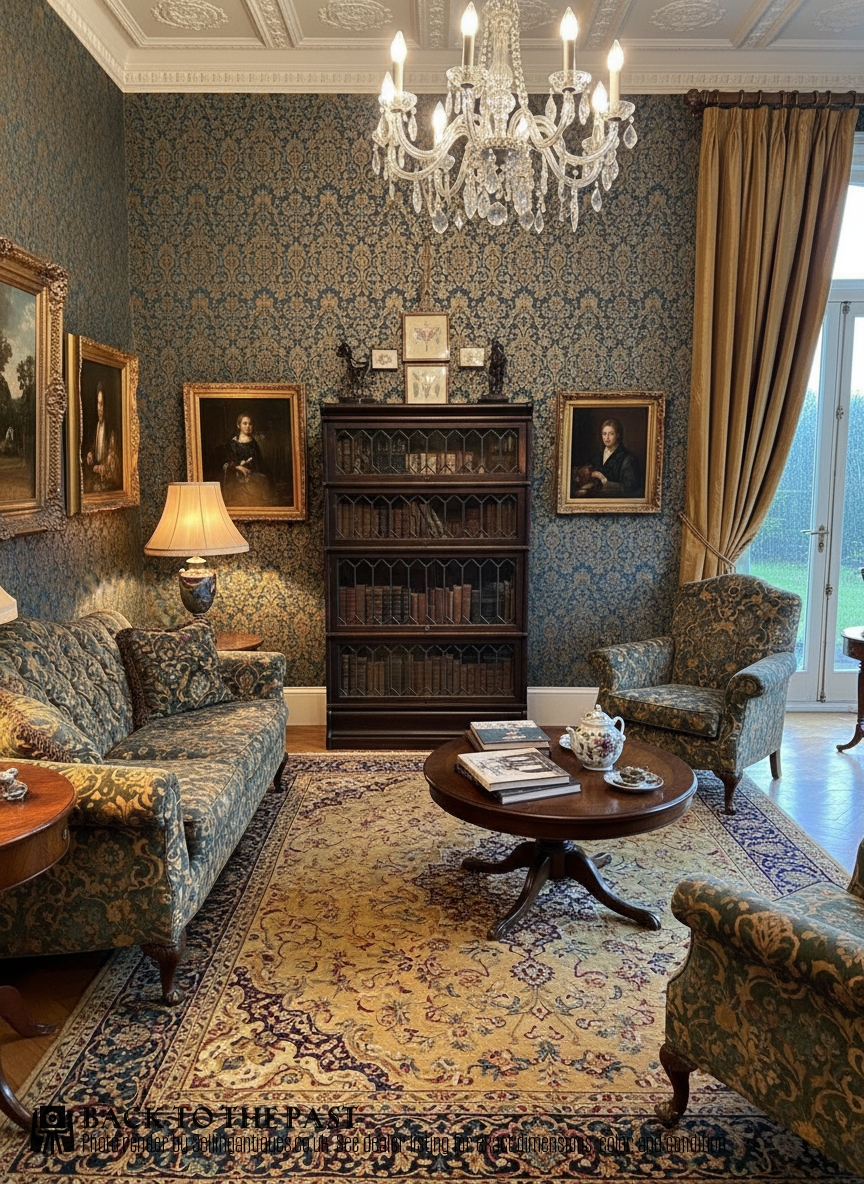
An oak stacking glass display unit brings together modular sections of shelving enclosed by glazed lifting doors, offering a flexible system for housing books and objects. Buyers searching this phrase will find modular sectional bookcases spanning the Edwardian, Arts and Crafts, and mid-century periods, running from nineteen hundred to nineteen fifty.
The most common versions on this page are four-tier and three-section sectional bookcases, often styled in the manner of Globe Wernicke alongside examples by makers such as Minty and Lebus. These pieces combine solid oak framing with clear glass panels, sometimes incorporating leaded details or wood inlay to provide visual interest across different heights and configurations.
Materials and construction methods
Makers constructed these modular units primarily from solid oak and golden oak, utilising wood framing alongside glass panes for the sectional doors. Metal mechanisms and brass hardware often support the lifting and sliding actions of the glazed tiers, allowing each individual tier to stack securely upon the next without permanent fixing.
Surface finishes range from standard golden oak polishes to limed oak treatments, reflecting the shifting aesthetic preferences from the Edwardian era through to the nineteen fifties. Some examples incorporate subtle wood inlay and leaded glass work to elevate the standard functional office design into domestic furniture.
Listings feature oak, glass, and brass across Edwardian, Arts and Crafts, and Mid-Century Modern styles spanning nineteen hundred to nineteen fifty.
Distinctions in build and finish
The quality of these modular units rests on the precision of the stacking mechanism and the smoothness of the glass door operation within each individual tier. Heavier framing, superior timber selection, and intact original brass or metal hardware separate sturdier constructions from lighter alternatives.
Consistency in the oak grain across separate stacked sections and the presence of maker stamps or retailer labels indicate higher standards of production. Variations in surface treatment, from simple wax polishes to specialised limed finishes, also influence the overall character and visual cohesion of the stack.
Minty·Lebus·Phoenix Gallery
The Oak Stacking Glass Display Glossary
- Sectional bookcase
- A modular shelving unit composed of independent stacked tiers with individual glazed doors. This design allows the furniture to be disassembled or expanded vertically as required.
- Globe Wernicke style
- A specific form of elastic bookcase featuring interlocking modular tiers and upward-lifting glass doors. The style originated in the late nineteenth century and remained popular through the early decades of the twentieth century.
- Leaded glass
- Glass panes held together by narrow strips of lead came to form geometric patterns within the door frame. This technique adds decorative weight and traditional character to the cabinet front.
- Limed oak
- Timber treated with a specialised finish that leaves a white pigment in the open grain of the oak. This process lightens the overall tone and highlights the natural texture of the wood.
- Wood inlay
- Small pieces of contrasting timber fitted flush into the surface of the oak to create decorative patterns. It signals a greater level of craftsmanship than plain or utilitarian panels.
Oak Stacking Glass Display: Frequently Asked Questions
How do sectional stacking bookcases work?
Each tier operates as an independent box with its own glass door that lifts and slides into the cabinet above the books. The sections simply stack one on top of another using pin or groove locators rather than permanent fixings.
This modular design allows you to reconfigure, separate, or add tiers to the stack depending on your storage needs and ceiling height.
What is the difference between Edwardian and mid-century styles here?
Edwardian and Arts and Crafts examples typically feature darker golden oak tones, decorative brass hardware, and sometimes leaded glass panels. They reflect traditional cabinet-making methods focused on solid timber construction.
Mid-century pieces like the limed oak cabinets often introduce lighter finishes and simpler lines. These reflect changing domestic interiors that favoured brighter, less ornate furniture.
How should I care for golden oak wood?
Keep the oak surfaces clean by dusting regularly with a soft, dry cloth and avoiding silicone-based polishes that build up residue over time. Apply a traditional beeswax occasionally to nourish the timber and maintain a soft sheen.
Position the cabinet away from direct sunlight and strong heat sources to prevent the oak from drying out and the internal mechanisms from binding.