







Dark Wood Library Storage
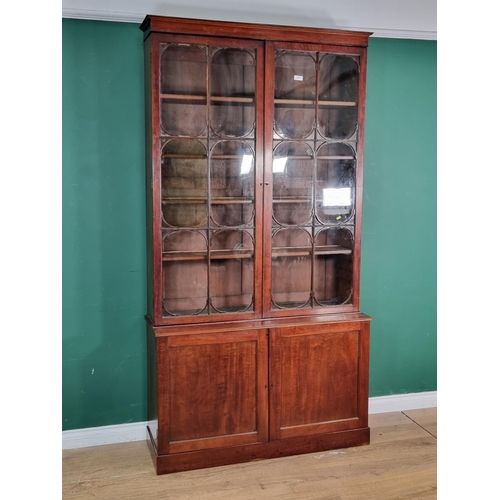
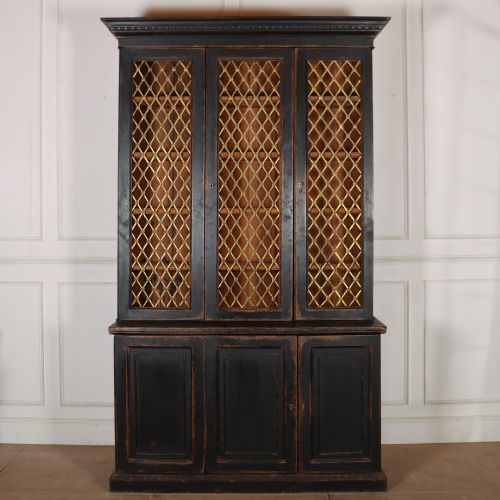
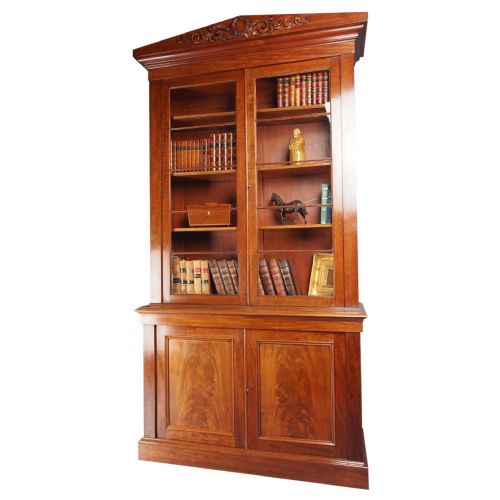
Dark wood library storage pieces offer substantial book and document housing, bringing classic proportions and rich timber tones to a room.
Dark Wood Library Storage
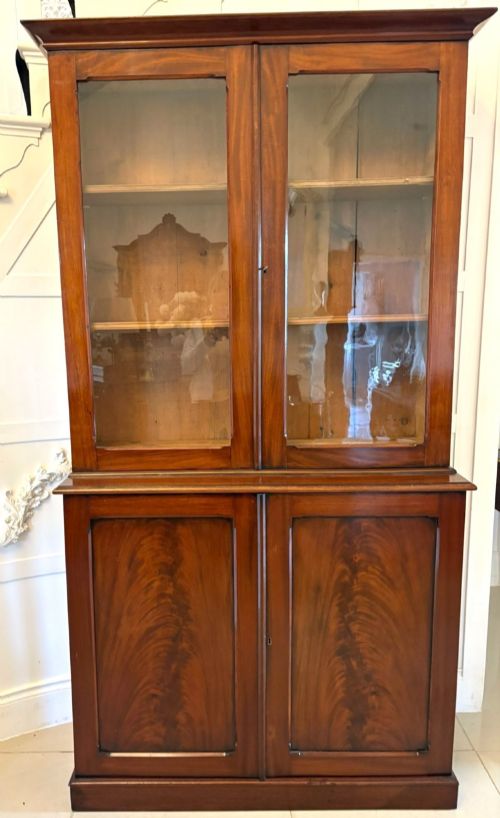
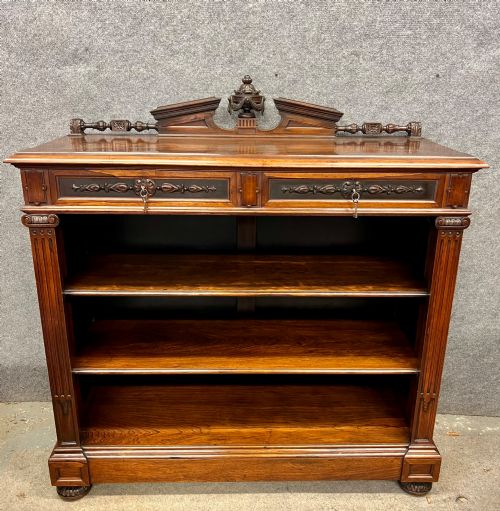
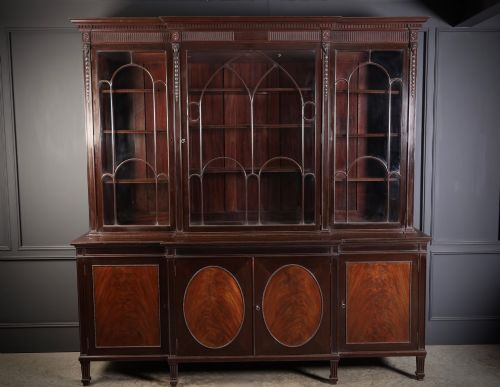
Dark wood library storage comprises bookcases, cabinets, and multi-drawer units designed to organise books and papers. The listings show forms ranging from open front shelves to large glazed breakfront bookcases and modular stacking units.
Most pieces seen here date from the nineteenth century, including Victorian and Edwardian periods, alongside Regency and Georgian examples. Mahogany and walnut dominate the selections, accompanied by oak, teak, and painted wood.
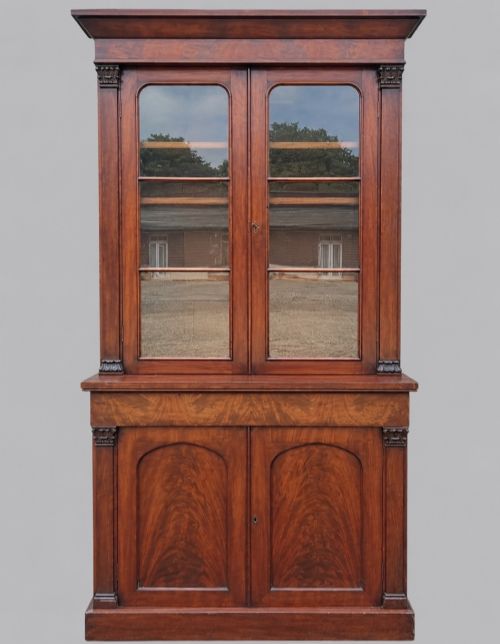
Buyers will most frequently encounter nineteenth-century mahogany bookcases featuring adjustable shelves, glass doors, and two-part or breakfront configurations. These pieces combine display space with enclosed lower storage.
How they were made
Cabinet makers utilised dense hardwoods such as mahogany and walnut, often highlighting figured grain patterns across large flat surfaces like doors and cornices. Joinery relied on traditional framing to support heavy shelves and glazed upper sections.
Fittings incorporate brass for handles, hinges, and shelf adjustment mechanisms, while glass panels are fitted into wooden frames for viewable bookcase sections. Some pieces feature lead details or painted finishes over the wooden structure.
Mahogany and walnut are the most common hardwoods across the nineteenth-century and Edwardian listings.
What varies in quality
The sophistication of the timber selection and proportions dictates the visual hierarchy of these pieces. Figured mahogany surfaces and broad, balanced proportions separate grand library bookcases from utility storage items.
Construction details such as adjustable shelving systems, modular stacking mechanisms, and multi-drawer internal arrangements demonstrate the functional intent of the maker. The integration of glazed upper doors and panelled lower cabinets reflects the tier of craftsmanship.
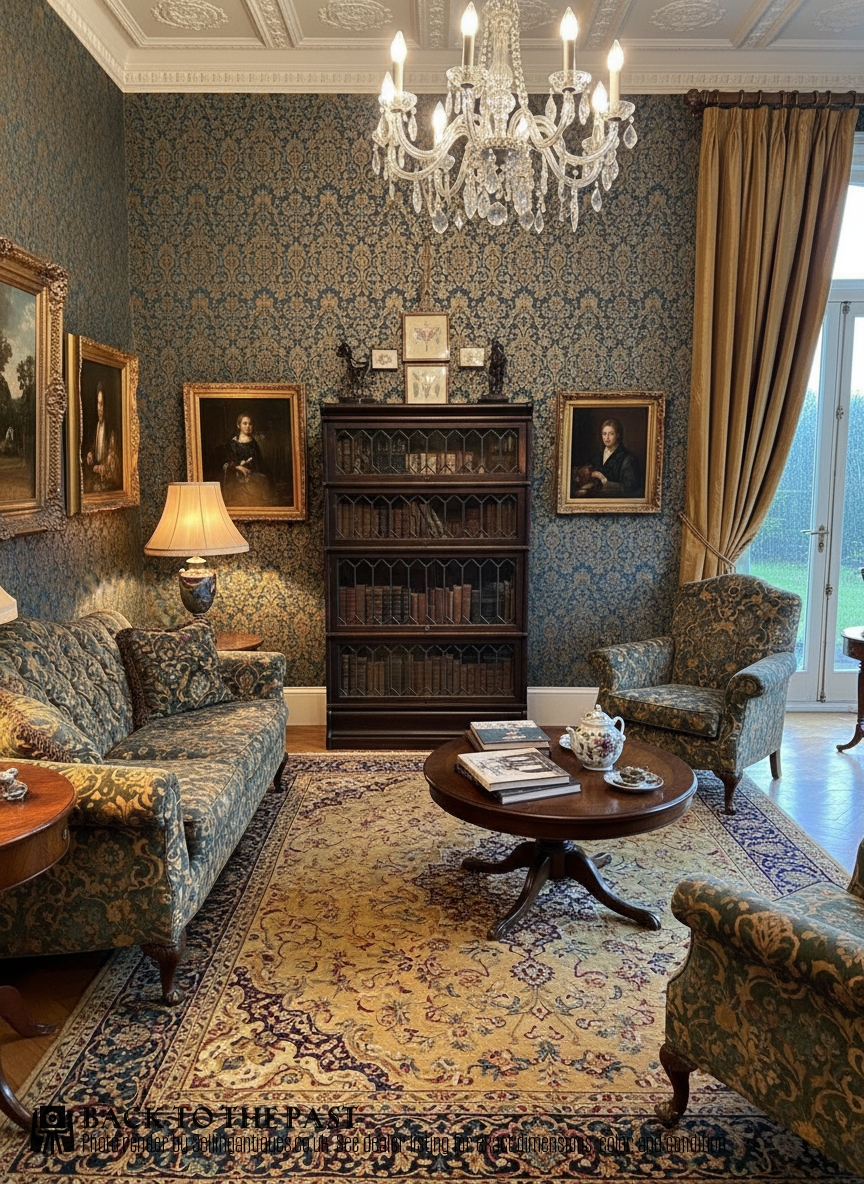
Globe Wernicke
The Dark Wood Library Storage Glossary
- Breakfront
- A cabinet design where the central section projects forward from the flanking wings. This configuration creates architectural depth in large library bookcases.
- Adjustable shelves
- Shelves that can be moved to different heights using vertical racks or pins. This feature allows bookcases to accommodate books of varying sizes.
- Globe Wernicke
- A maker associated with modular stacking bookcases. These units use interlocking tiers with glass doors that lift and slide inward.
- Glazed
- Fitted with glass panes to enclose shelves. This technique protects books from dust while keeping collections visible.
- Figured wood
- Timber exhibiting decorative patterns in the grain caused by growth variations. Cabinet makers selected these boards for prominent exterior surfaces.
Dark Wood Library Storage: Frequently Asked Questions
What periods do these bookcases come from?
The pieces span the nineteenth and early twentieth centuries, with examples from the Regency, Georgian, Victorian, and Edwardian eras. Nineteenth-century items form the largest portion of the available selection.
Dates range from specific years like eighteen-sixty and nineteen-twenty to broader period designations such as early Victorian and mid-nineteenth century.
How were these cabinets used originally?
Libraries and studies utilised these tall bookcases and multi-drawer cabinets to house large collections of leather-bound volumes and administrative papers. Glass-fronted sections protected valuable texts while allowing them to be viewed.
Lower cabinet doors concealed paperwork or less frequently accessed reference materials, keeping rooms tidy and orderly.
Are the shelves adjustable for different book sizes?
Many of the listed bookcases feature adjustable shelves designed to hold volumes of varying heights. This flexibility was essential for large personal or institutional libraries.
Open front formats and enclosed cabinet bookcases both incorporate mechanisms to reposition shelves as needed.
What woods are most common?
Mahogany is the predominant timber seen across these storage pieces, often chosen for its rich dark tone and suitability for figured veneers. Walnut and oak also appear frequently.
Teak, painted wood, and specific regional timbers like Scottish painted variants provide alternative aesthetic options within the selection.