

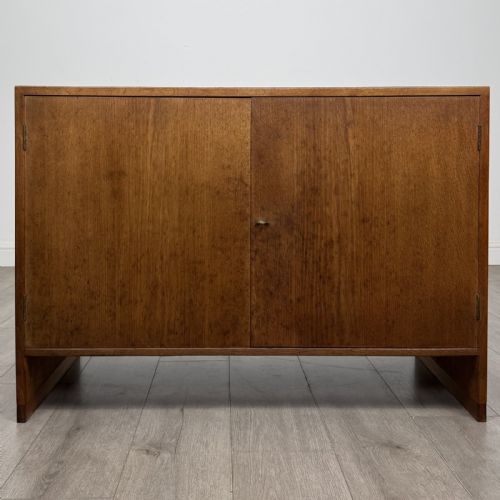
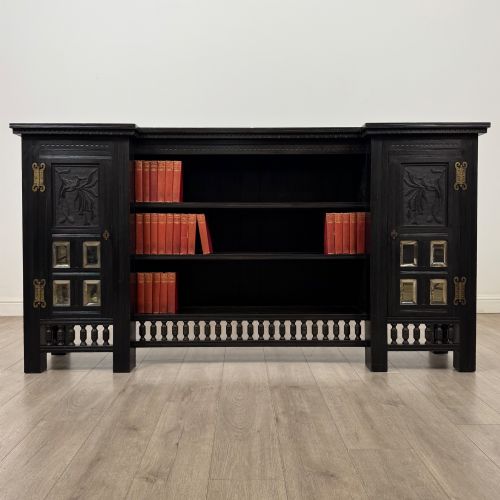
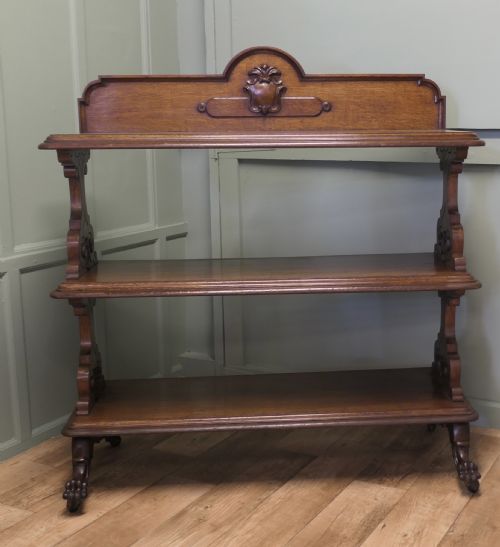
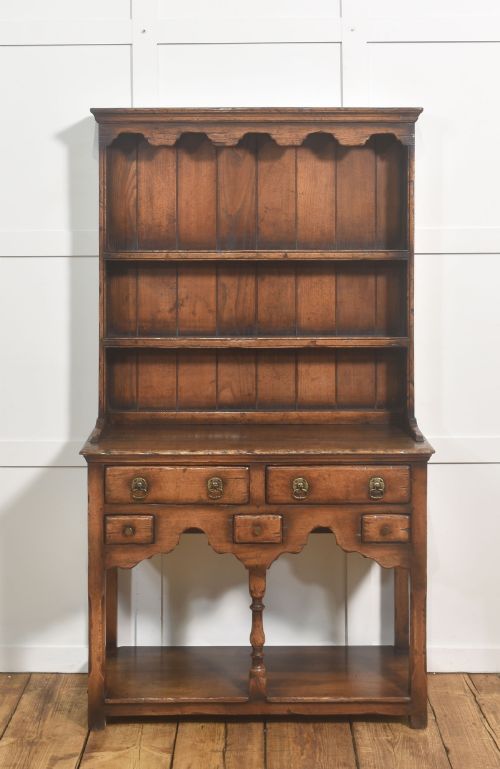
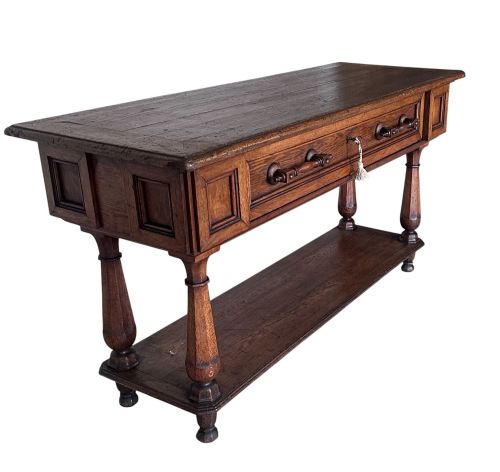
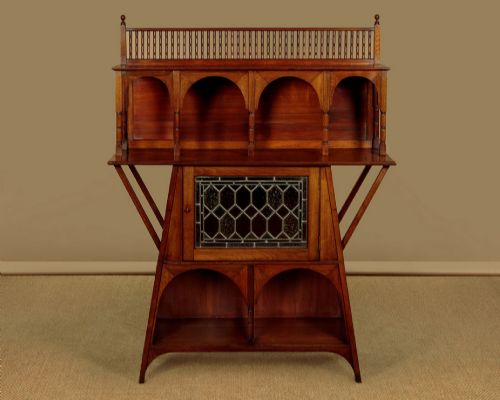
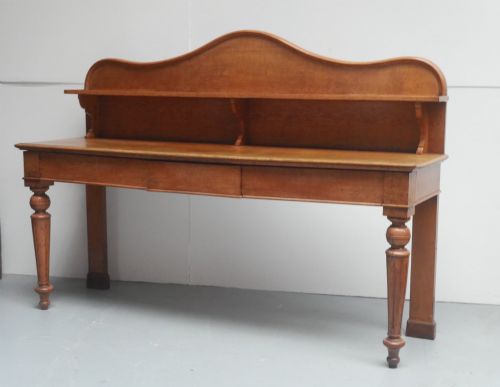

Oak Sideboard with Shelves
An oak sideboard with shelves brings together sturdy timbers and practical display tiers for everyday utility.
Oak Sideboard with Shelves
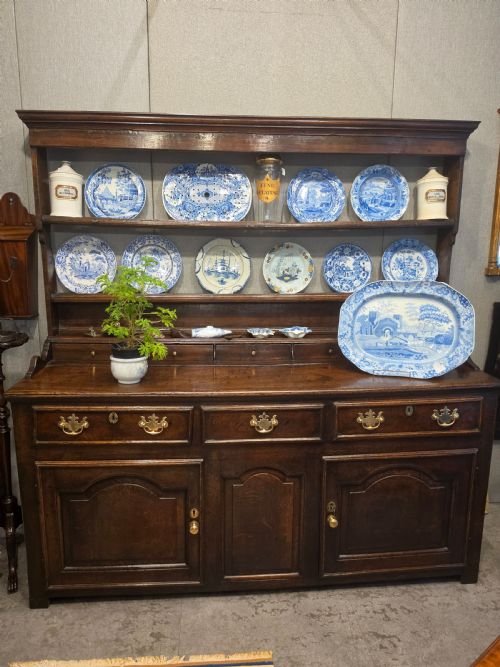
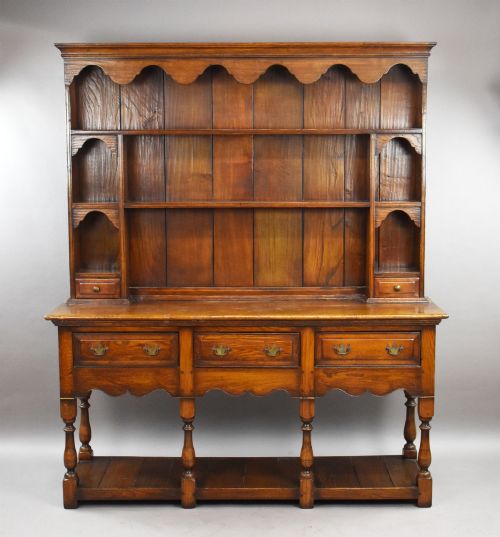
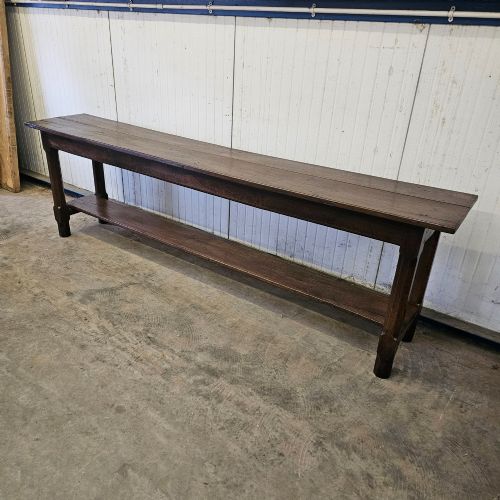
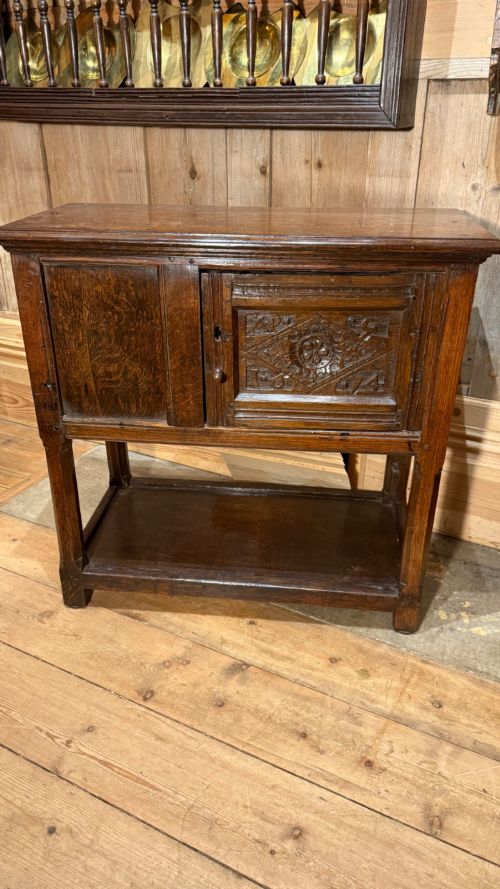
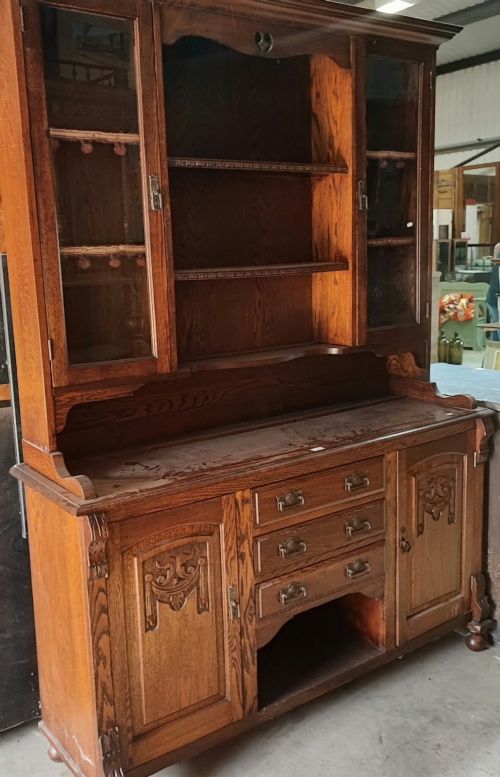
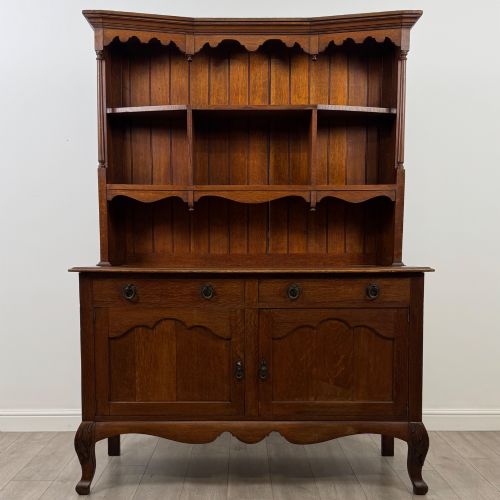
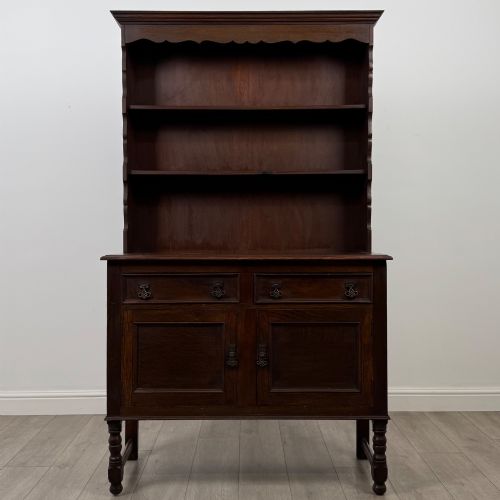
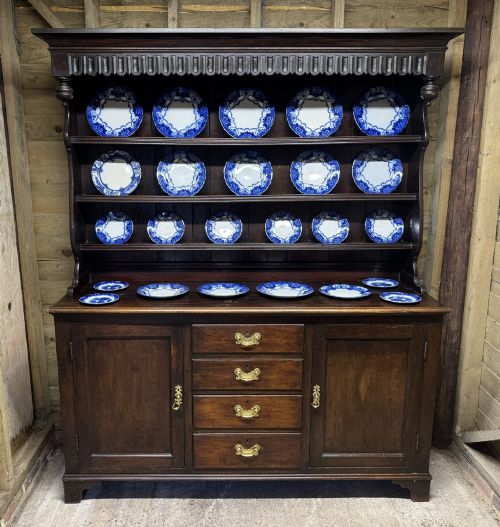
An oak sideboard with shelves combines a substantial lower base cabinet or serving surface with upper plate racks, tiering, or bookcases. These forms encompass Welsh dressers, potboard dressers, and serving tables originating from Georgian, Victorian, and Edwardian periods.
Buyers will encounter regional country pieces alongside revival styles such as Jacobean, Gothic, and Arts and Crafts. The lower section typically houses cupboards or drawers while the upper structure provides open shelving for plates and display.
Materials and construction methods
Cabinetmakers utilised solid oak alongside secondary timbers like pine and elm, frequently incorporating brass and iron hardware for hinges and pulls. Certain pieces feature decorative veneers including pollard oak and burr walnut on the primary surfaces.
Construction methods rely on traditional joinery techniques suited to heavy hardwood, yielding two-part dressers and single-piece cabinets designed to bear considerable weight. Surfaces display hand-finished patination developed through centuries of polish and use.
Oak Sideboard with Shelves Retail Price Guide 2026
Typical asking prices for oak sideboard with shelves among the pieces listed under this phrase on Sellingantiques today, from the lower quarter to the upper quarter. They describe what is for sale here now, not the wider market.
Listings span the eighteenth, nineteenth, and early twentieth centuries, encompassing Georgian, Victorian, Edwardian, and Arts and Crafts eras.
Distinctions in quality
Quality rests upon the selection of timber figures, the integrity of the joinery, and the retention of original brass hardware and backboards. Finer examples display harmonious proportions between the heavy base and the lighter upper shelving tiers.
The degree of hand-carved detailing and the presence of uncommon secondary woods such as elm or burr walnut elevate specific items. Structural coherence across both the upper rack and lower sideboard sections defines the better examples.
The Oak Sideboard with Shelves Glossary
- Welsh dresser
- A traditional dining room form featuring a base of drawers and cupboards surmounted by open plate shelves. This configuration serves to store and display domestic ceramics.
- Potboard
- An open lower shelf beneath a dresser base traditionally utilised for storing heavy pots and pans. It provides structural stability to the legs.
- Plate rack
- The upper tiered shelving unit attached to a sideboard or dresser designed to prop plates upright. It forms the primary display element of the piece.
- Pollard oak
- Oak timber taken from trees that have been pollarded, producing a dense, knotty grain pattern. Cabinetmakers selected this wood for decorative drawer fronts.
- George II
- An 18th-century English design period characterised by robust proportions and restrained classical carving. Pieces from this era display early regional craftsmanship.
Oak Sideboard with Shelves: Frequently Asked Questions
What is a Welsh dresser?
A Welsh dresser combines a lower storage cabinet with an upper tier of open shelves for displaying plates and pottery. It functioned historically as the central storage unit in country kitchens.
Today these pieces serve equally well in dining rooms or kitchens to hold tableware while providing accessible surface space.
How do I date an oak dresser?
Dating relies on observing construction marks, hardware types, timber choices, and regional vernacular styles. Eighteenth-century pieces often show hand-planed timbers and pegged joinery.
Later Victorian and Edwardian examples incorporate machine-sawn components and different backing boards while retaining traditional forms.
Where should I place a sideboard with shelves?
These pieces suit dining rooms, kitchens, or large hallways where the upper shelving can display ceramics or books. Their depth requires adequate wall space and clearance.
Securing taller two-part dressers to the wall ensures stability, particularly when loading the upper plate racks.
Are these pieces solid oak?
Most pieces utilise solid oak for the primary framework, doors, and tabletops. Secondary timbers such as pine or elm frequently appear in drawer linings and backboards.
Selected decorative items also incorporate burr walnut or pollard oak veneers on specific focal panels.