


Oak Magazine Stand
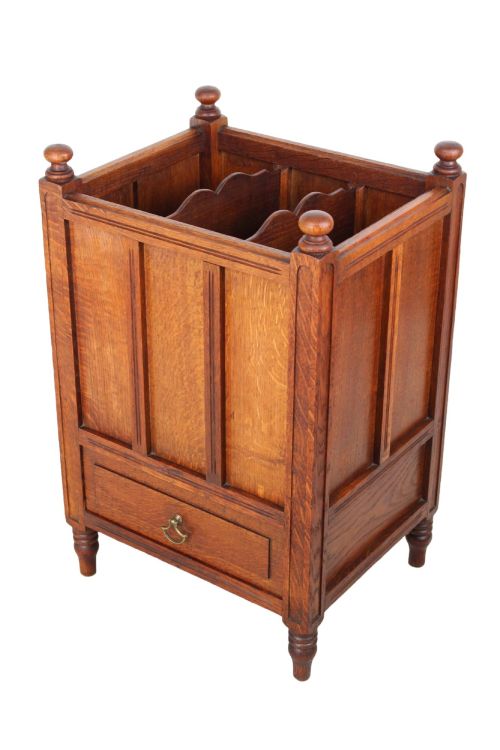
An oak magazine stand brings orderly charm to a room, holding daily reading in sturdy timber.
Oak Magazine Stand
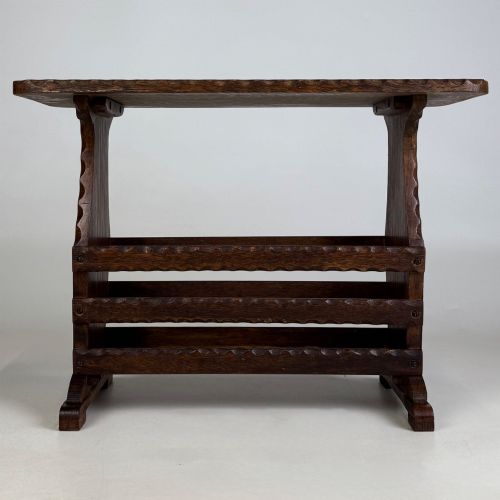
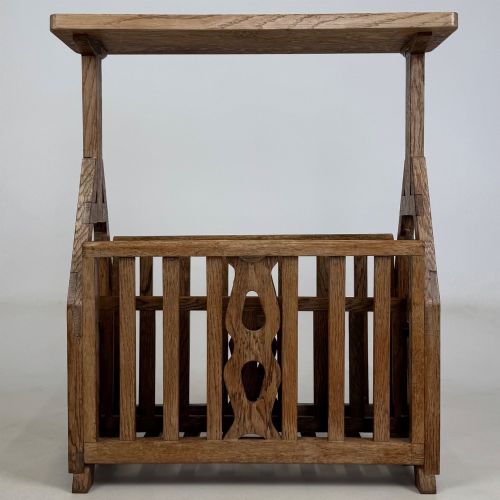
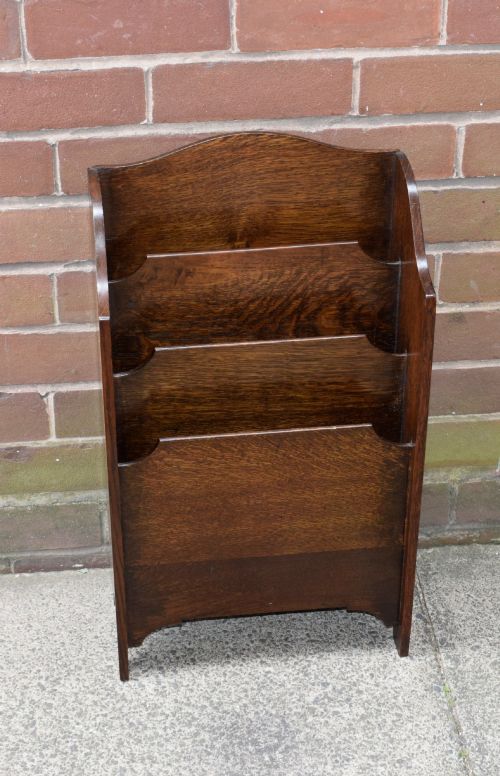
The selections on this page span from Victorian and Arts and Crafts creations to later interwar designs. They appear in various forms, including traditional open racks, revolving stands, side tables with integrated troughs, and folding reading tables.
How they were made
Cabinetmakers utilised durable oak as the primary timber, often combining it with brass carrying handles, rods, or revolving mechanisms. Some pieces incorporate carved wood details, dark walnut, or satinwood stringing to add contrast.
Construction methods range from simple open-front slope-shelf book troughs to complex metamorphic designs and multi-tier bookcases. Joinery relied on sturdy framing to support the weight of heavy paper collections without sagging.
Listings feature oak combined with brass, dark walnut, and satinwood across Edwardian, Victorian, and Arts and Crafts periods.
What varies in quality
The distinction between standard utility items and finer workshop pieces lies in the crispness of the carving and the quality of the metal fittings. Solid brass mounts and smooth revolving actions separate better pieces from simpler domestic stands.
Proportion and timber selection also dictate worth, with well-figured golden oak and thoughtful detailing marking out the more accomplished examples from standard production items.
William Tonks & Sons
The Oak Magazine Stand Glossary
- Book Trough
- An open-topped trough designed to hold books or periodicals upright or at a slight slope. These items often double as fireside accessories.
- Revolving Stand
- A piece fitted with a central pivot allowing the rack to turn for easy access to contents from any angle. They frequently combine oak frames with brass spindles.
- Metamorphic
- Furniture that transforms from one form into another, such as a magazine rack incorporating a folding reading table. These pieces demonstrate clever mechanical design.
Oak Magazine Stand: Frequently Asked Questions
What is an oak magazine stand used for?
These stands provide a dedicated place to store newspapers, periodicals, and books in a sitting room or study. They keep daily reading material tidy and close at hand.
Many examples also incorporate side tables, reading surfaces, or revolving frames to serve multiple functions in a compact footprint.
How do I date an oak magazine stand?
Dating relies on stylistic clues and construction methods. Edwardian and Victorian pieces often feature brass carrying handles, turned spindles, and rich oak patination.
Later interwar and 1930s versions tend toward simpler lines, reflecting changing domestic tastes and manufacturing techniques of the period.
Are revolving stands sturdy?
Well-made revolving stands utilise robust internal wooden or brass pivots designed to bear the weight of heavy volumes. The best examples turn smoothly without wobbling.
Checking the stability of the base and the central spindle reveals how well the mechanism has survived years of use.