

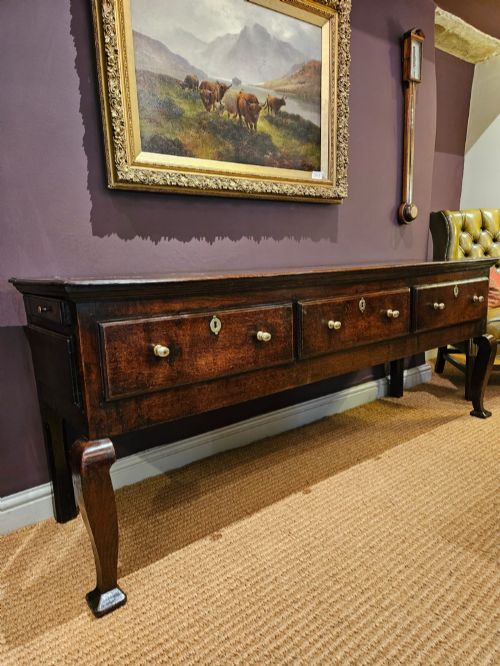
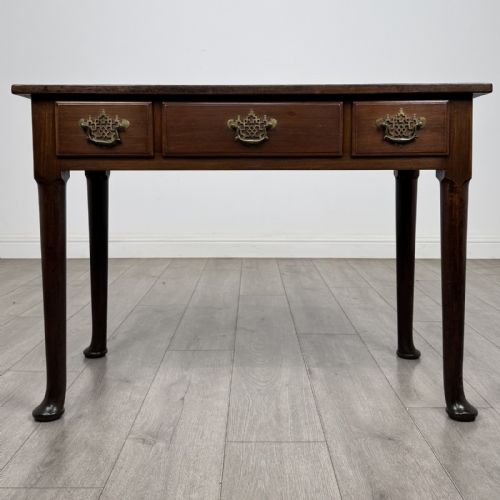
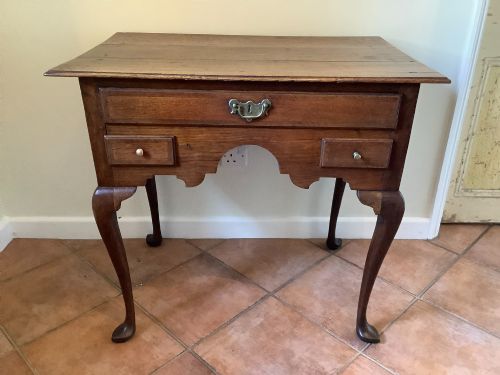
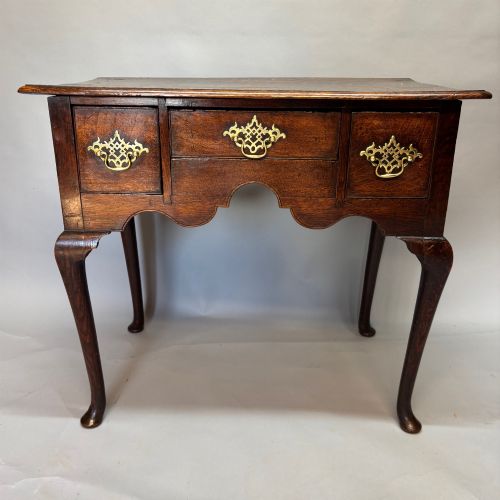
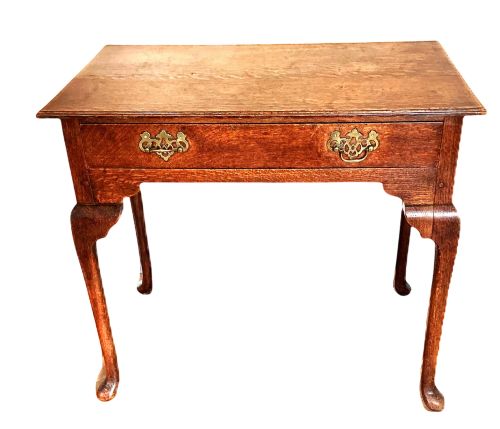
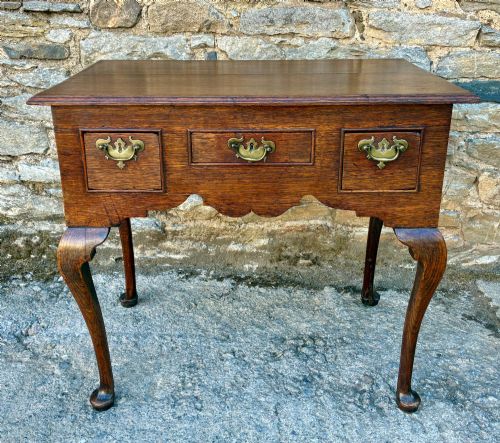
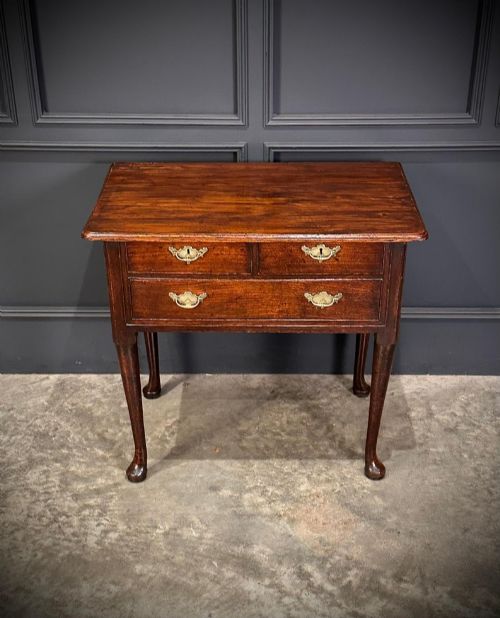
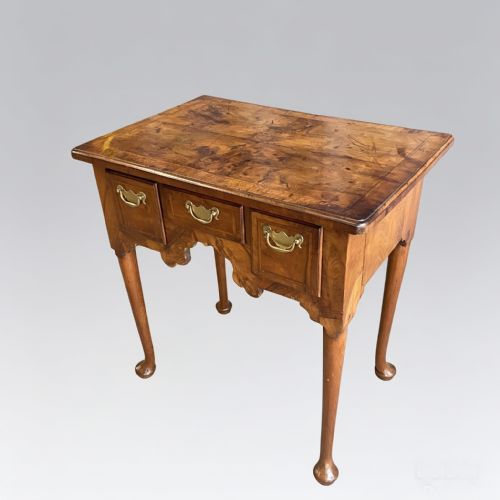
Oak Lowboy Cabriole Legs
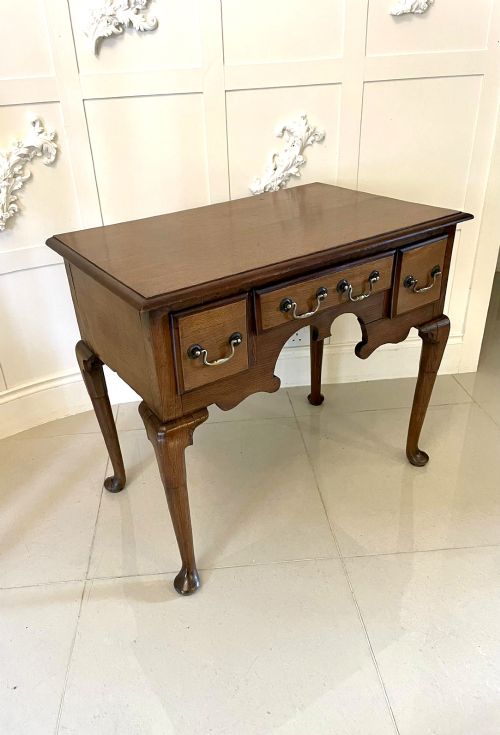
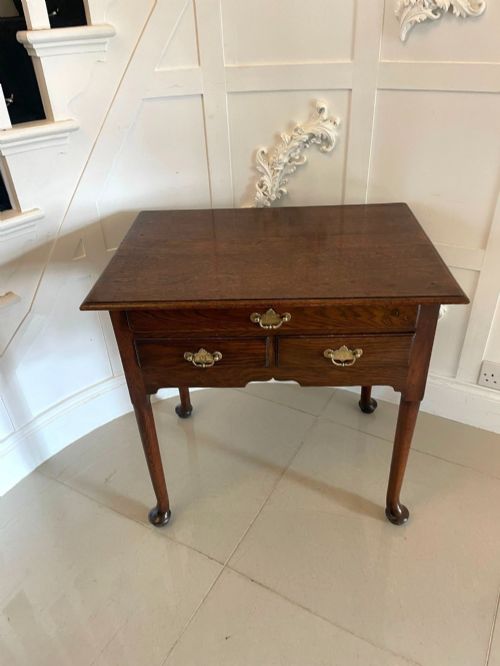
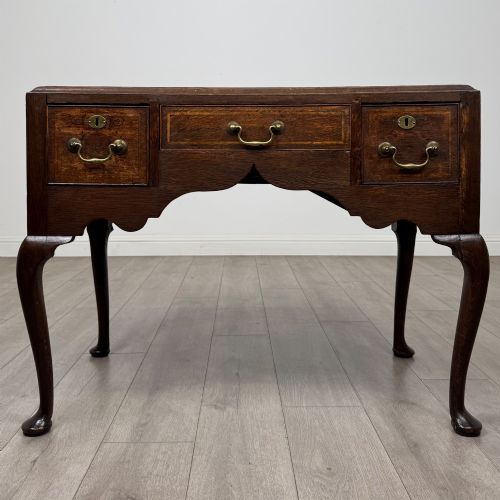
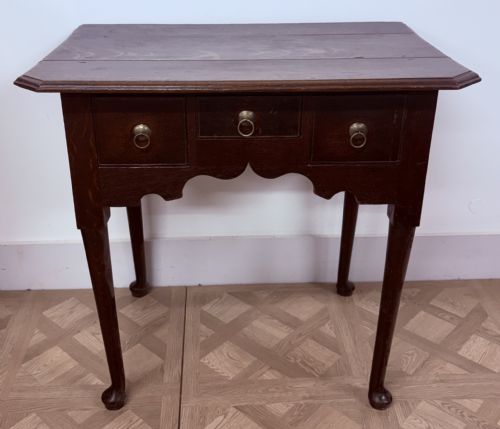
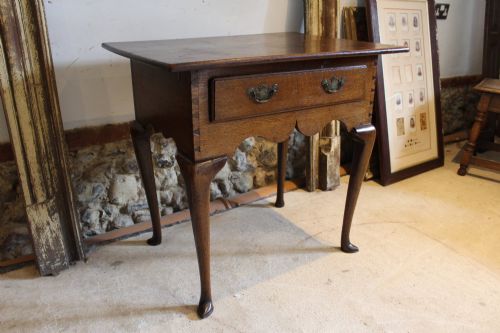
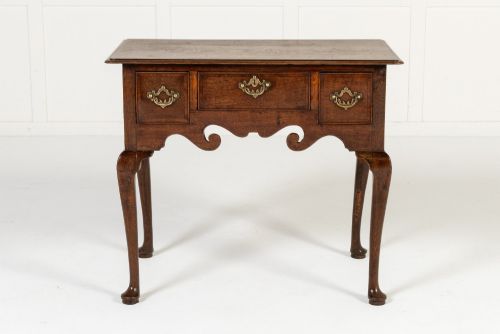
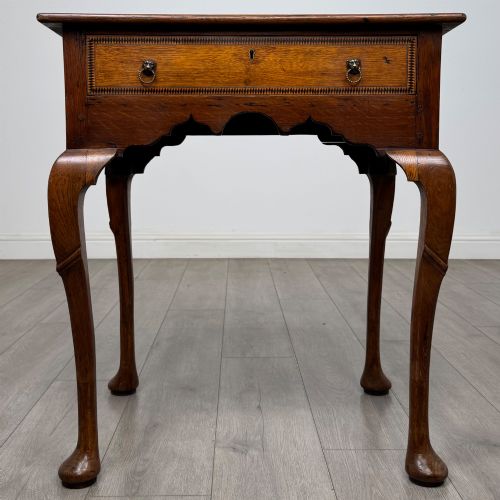
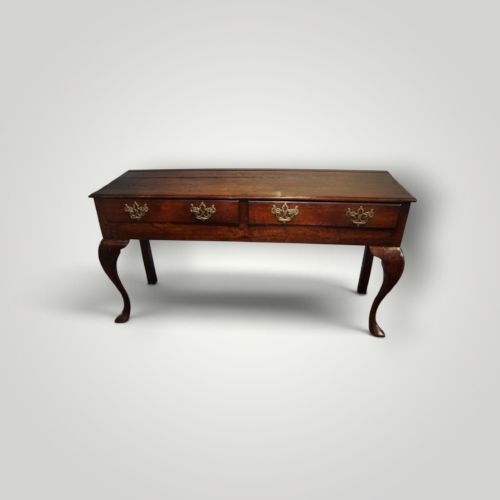
Oak lowboy cabriole legs describe compact 18th-century tables built for personal grooming or storage, offering graceful curved supports that elevate domestic utility into classic furniture.
Oak Lowboy Cabriole Legs
When you search for oak lowboy cabriole legs, you encounter a specialised form of low side table designed primarily during the Georgian era. These pieces frequently double as dressing tables or writing desks, appearing under object types such as lowboys, side tables, and dresser bases. The examples you meet on this page span the early 18th century through the Georgian period, with later revivals appearing into the 20th century.
The dominant material visible across these listings is oak, occasionally accompanied by walnut, cherrywood, fruitwood, and pine. Construction ranges from country-made items to refined Georgian designs featuring single or multiple drawers. Most specimens rely upon characteristic cabriole legs to lift the low framework from the floor, anchoring the silhouette in stylistic traditions from the reigns of Queen Anne through George III.
What varies in quality
The distinction between standard examples and exceptional pieces rests upon timber selection and the fluidity of the leg carving. Superior specimens display well-figured grain, crisp execution of the cabriole curve, and proportioned overhangs on the top board. Drawer construction also dictates grade, with finely cut dovetails and matching secondary woods marking out superior cabinetwork.
Proportion and integrity of the original structure separate desirable items from heavily altered ones. Tables retaining their original brass handles, unblemished top boards, and untouched surface patination command stronger interest among collectors seeking authentic period character.
Oak Lowboy Cabriole Legs Retail Price Guide 2026
Typical asking prices for oak lowboy cabriole legs among the pieces listed under this phrase on Sellingantiques today, from the lower quarter to the upper quarter. They describe what is for sale here now, not the wider market.
Materials recorded across these lowboys include traditional oak, walnut, cherrywood, fruitwood, pine, and painted wood surfaces.
The Oak Lowboy Cabriole Legs Glossary
- Lowboy
- A small, low table with drawers, typically used as a dressing table or side table in 18th-century domestic interiors. They stand lower than standard writing tables and usually rest on four legs.
- Cabriole leg
- A furniture leg that curves out at the knee and tapers in toward the ankle, frequently ending in a pad or foot. This form derives from classical Chinese motifs transmitted via Dutch and French design.
- Dresser base
- The lower section of a kitchen or dining room dresser, functioning essentially as a large sideboard with drawers and cupboards. Many examples share proportions and leg styles with independent lowboys.
- Frieze
- The horizontal structural member situated directly beneath the top board of the table, which often houses one, two, or three small drawers. Cabinetmakers frequently incorporated decorative moulding along this band.
- Patina
- The surface sheen and deep colour developed by wood over decades of handling, polishing, and exposure to light. This natural ageing process serves as a key indicator of genuine period surfaces.
Oak Lowboy Cabriole Legs: Frequently Asked Questions
What is an oak lowboy used for?
These tables served primarily as dressing tables for personal grooming or as small side tables in bedrooms and parlours. Their compact footprint allowed them to fit into tight spaces while providing convenient drawer storage for small valuables.
Today, buyers utilise them as hallway consoles, desk surfaces, or accent tables in living areas. Their modest height and understated presence make them remarkably adaptable to modern room layouts.
How do I identify a Georgian lowboy?
Georgian pieces generally exhibit traditional 18th-century construction methods, including hand-cut dovetailing, pegged joints, and native timbers like oak or walnut. Stylistic markers include cabriole legs, brass pull handles, and modest overall dimensions.
Later revival pieces built around 1900 or the 1920s imitate these proportions but typically show machine assistance in the joinery, cleaner internal wood surfaces, and different wear patterns on the timber.
Are cabriole legs always 18th century?
While the cabriole leg reached peak popularity during the Queen Anne and George II periods, the style returned during later revival movements. Victorian and 20th-century cabinetmakers frequently reproduced 18th-century forms using older stylistic vocabularies.
Examining the internal drawer construction, timber shrinkage, and tool marks helps determine whether a cabriole-legged piece belongs to the 1700s or a later revival era.
How do I care for an antique oak table?
Protect antique oak surfaces by keeping them away from direct heat sources and strong sunlight, which can dry out the timber and fade the finish. Regular application of a traditional beeswax polish maintains the moisture and natural lustre of the wood.
Avoid placing damp items directly onto the surface and use felt pads beneath objects to prevent scratching the historic top boards.