

Oak Leaf Dining Table
An oak leaf dining table brings substantial character and practical extension mechanisms into a room, offering sturdy timber construction spanning multiple centuries.
Oak Leaf Dining Table
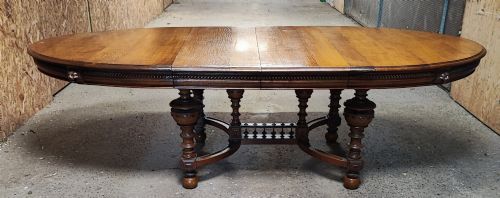
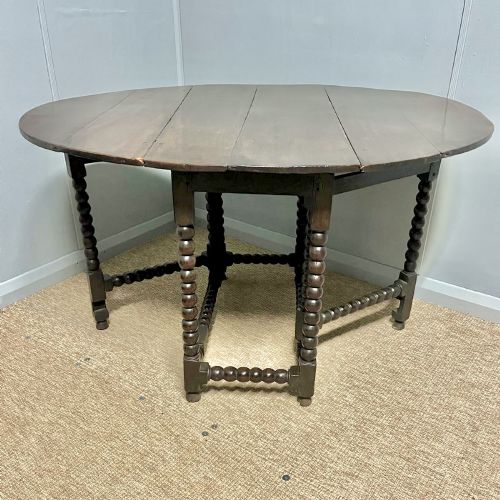
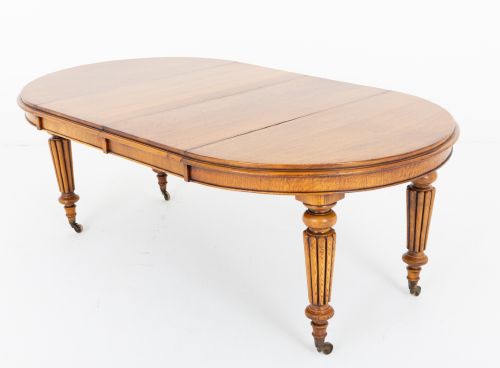
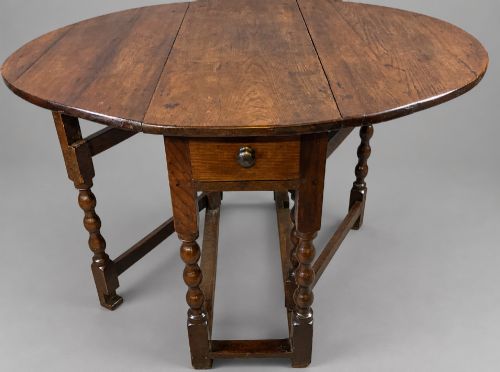
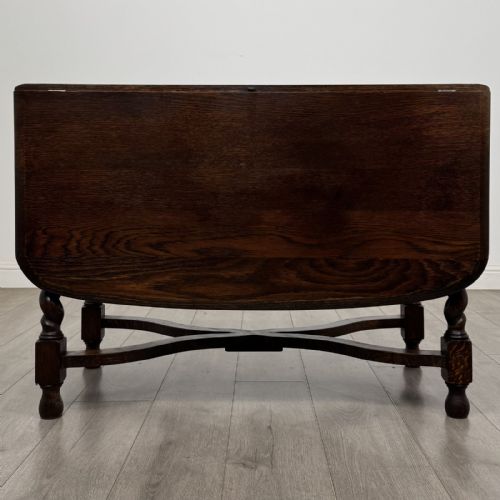
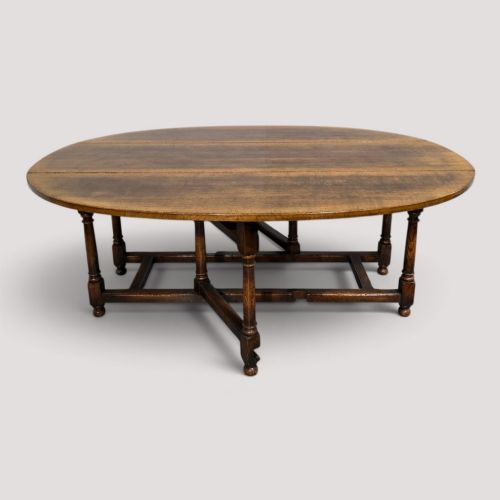
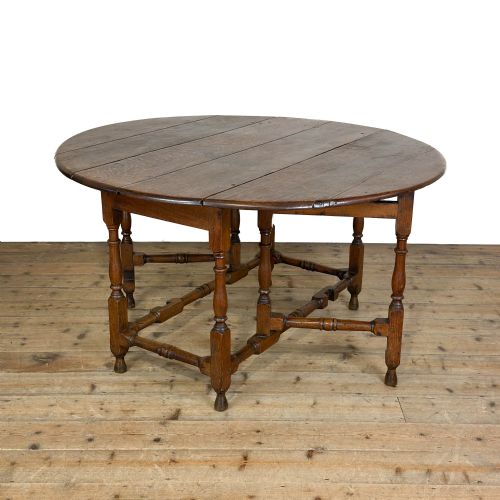
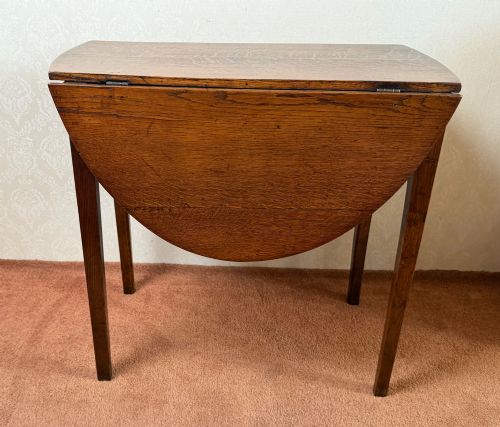
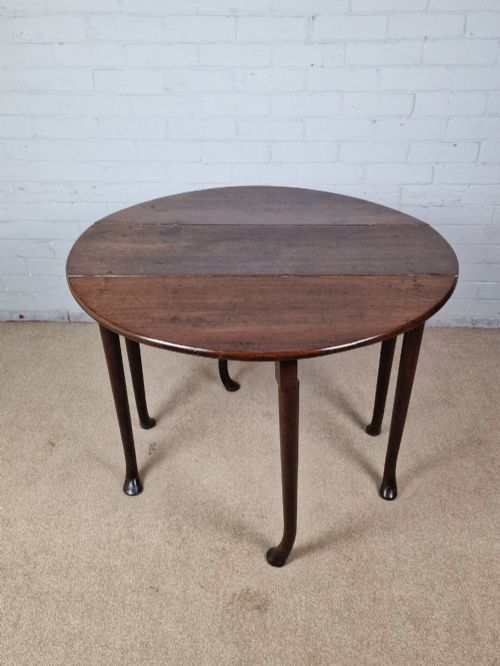
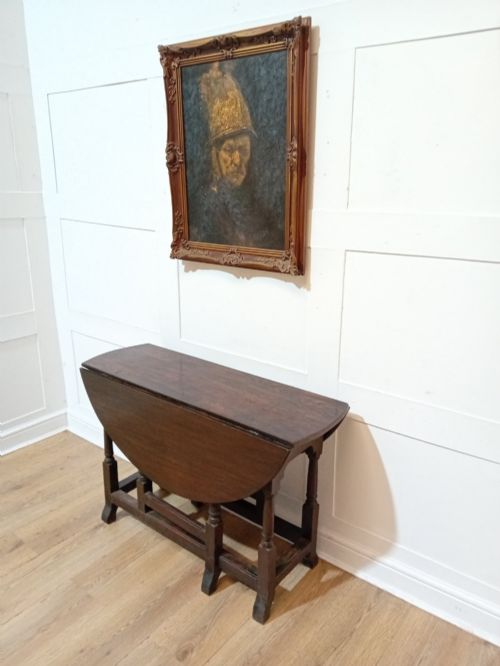
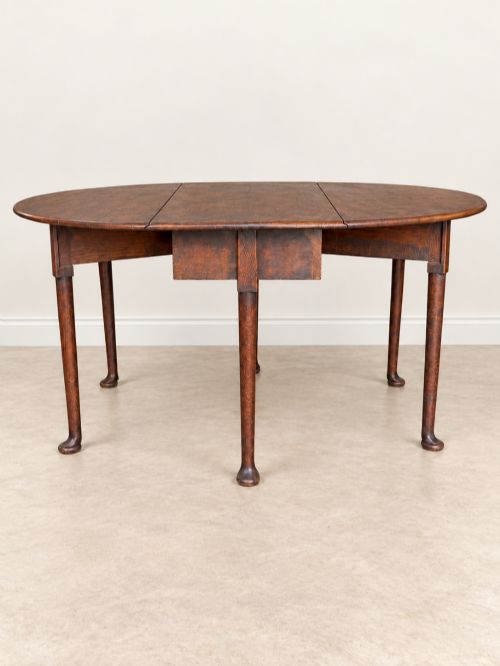
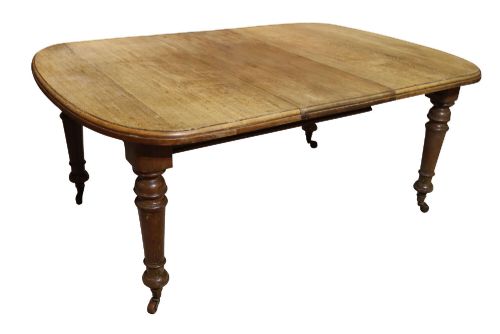
An oak leaf dining table encompasses several distinct forms designed to expand when needed, most notably gateleg, drop-leaf, and draw-leaf variants. These pieces emerge from periods ranging from the seventeenth century through the Victorian era up to the early twentieth century.
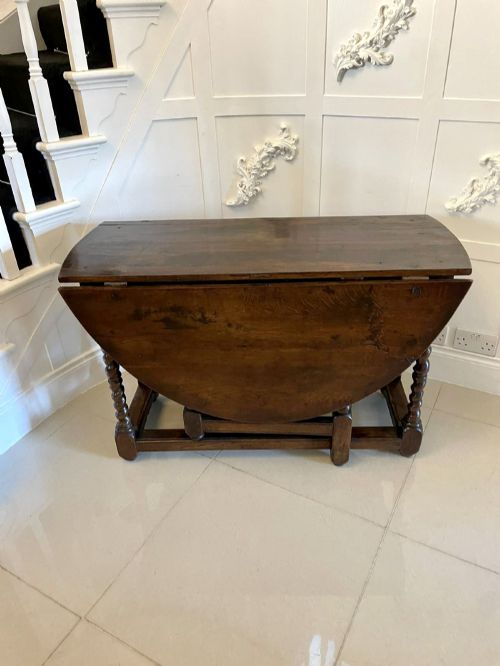
Gateleg tables dominate the earlier periods, utilising hinged leaves supported by swinging legs, whilst nineteenth and twentieth-century examples frequently employ extending mechanisms or draw leaves. Buyers frequently encounter solid oak construction alongside variations like limed oak and golden oak finishes.
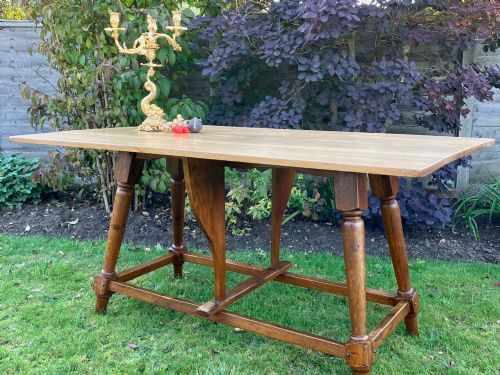
Stylistic influences span Jacobean, Georgian, Victorian, and Arts & Crafts aesthetics, reflecting the enduring utility of oak furniture across centuries of British design.
Assessing Quality
Quality rests in the selection of figured timbers and the integrity of the original joints and hinges. Superior pieces retain their original surface patination and smooth operation of drop leaves or extension mechanisms.
Later revivals from the twentieth century differ from seventeenth-century originals in their joinery precision and proportion, though both categories depend on sound timber selection and sturdy leg construction.
Oak Leaf Dining Table Retail Price Guide 2026
Typical asking prices for oak leaf dining table among the pieces listed under this phrase on Sellingantiques today, from the lower quarter to the upper quarter. They describe what is for sale here now, not the wider market.
Listings feature periods from the 17th century through the 19th and early 20th centuries, utilising materials such as solid oak, limed oak, fruitwood, brass, and iron.
Heals
The Oak Leaf Dining Table Glossary
- Gateleg table
- A table with hinged leaves supported by legs that swing outward from the frame. This form allows the surface area to expand or contract significantly.
- Draw leaf table
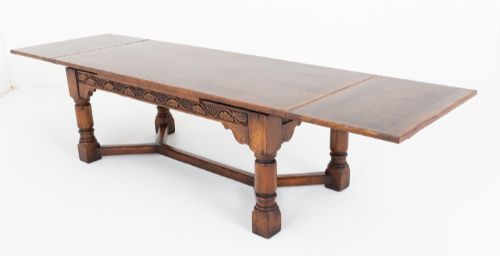
- A dining table with subsidiary leaves stored beneath the main top that pull out to extend the surface. This mechanism provides extra seating space without removing the top leaves.
- Barley twist
- A spiral turning carved into furniture legs and stretchers. This decorative technique appears frequently on seventeenth-century and revival pieces.
- Refectory table
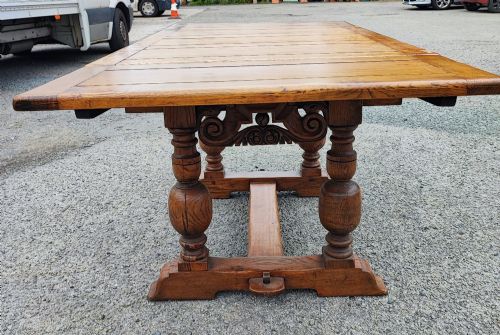
- A long, narrow dining table traditionally used for communal dining. Versions in oak often feature heavy stretchers and thick legs.
- Patina
- The surface sheen and colour developed through age, handling, and waxing. Original patination indicates a piece has retained its historical finish.
Oak Leaf Dining Table: Frequently Asked Questions
What is a gateleg table?
A gateleg table utilises hinged flaps on either side that rest upon movable legs, swinging outward to support the extended surface. This design allows the table to fold into a compact size when not in use.
Such tables appear in oak across seventeenth, eighteenth, and early twentieth-century listings, serving flexible dining needs in various room sizes.
How do draw leaf tables work?
Draw leaf tables contain two hidden leaves tucked beneath the main tabletop. Pulling these leaves outward causes the main top to rise slightly and settle flush as the extensions slide into place.
This mechanism offers a practical way to lengthen the surface for guests without requiring separate storage leaves.
What periods do these tables cover?
The available pieces span from the seventeenth century through the Georgian and Victorian eras up to early twentieth-century revivals. Earlier examples display period joinery and turnings, whilst later ones reflect Arts & Crafts or Jacobean revival styles.
Materials range from dark seventeenth-century oak to lighter golden, blonde, or limed oak finishes from the twentieth century.
How do I care for an oak table?
Solid oak furniture responds well to regular dusting with a soft cloth and occasional applications of appropriate beeswax to nourish the timber. Protecting the surface from excessive moisture and direct heat preserves the original wood grain and patina.
Checking hinges and joints periodically ensures that moving leaves on gateleg or extending tables continue to function smoothly.