

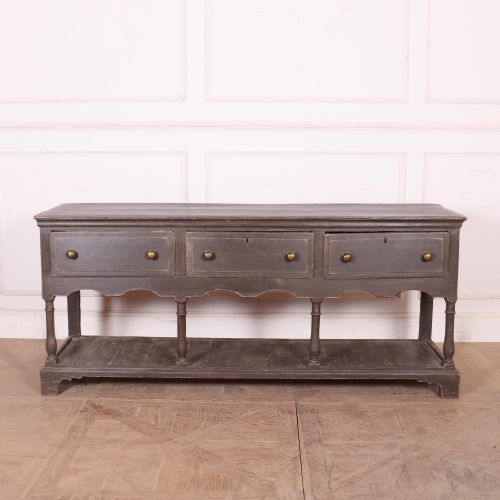


Oak Kitchen Dresser Base
An oak kitchen dresser base provides solid working timber and deep drawers for daily household storage.
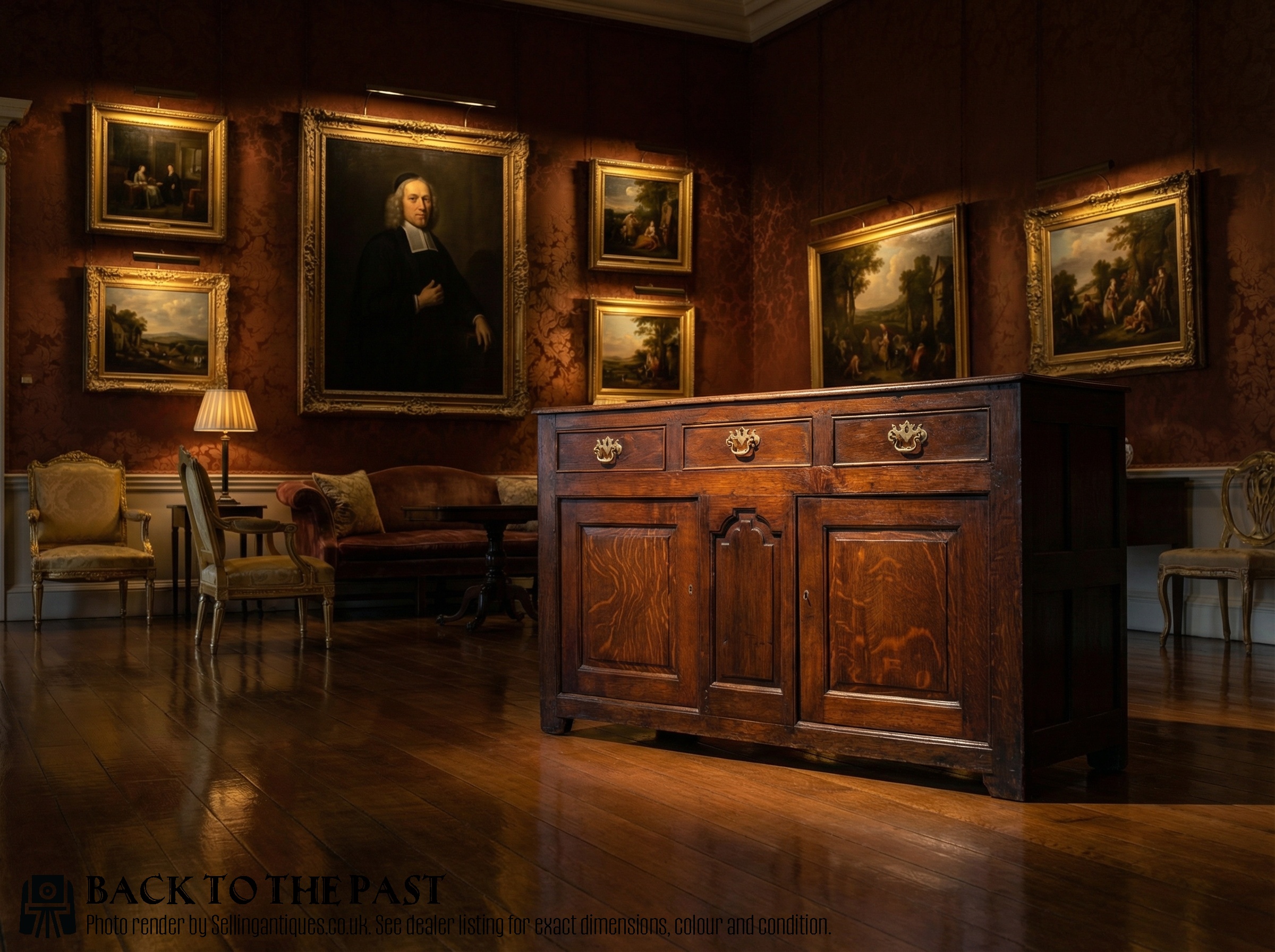
Oak Kitchen Dresser Base
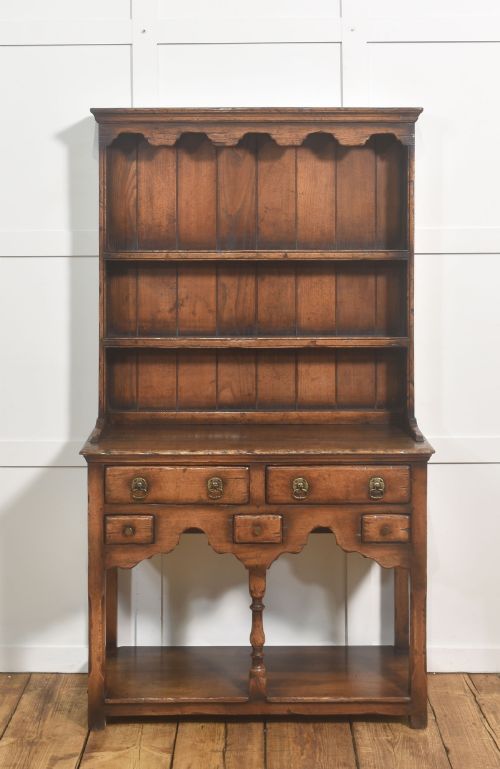
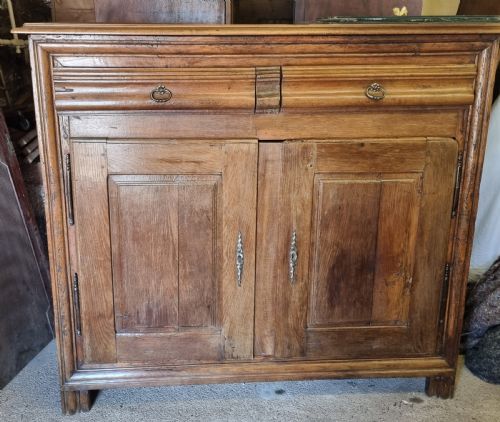
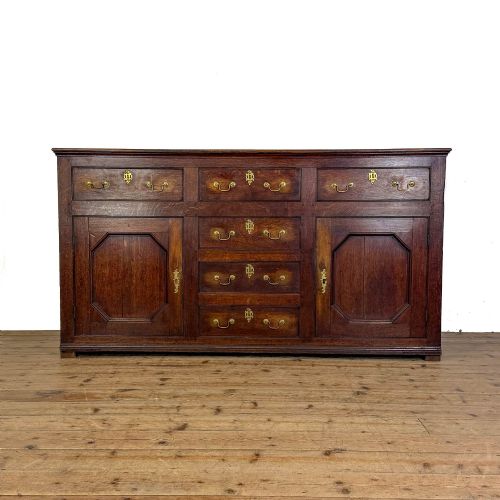
When you search for an oak kitchen dresser base, you are looking at substantial utilitarian furniture designed for heavy domestic service. The pieces on this page span the eighteenth and nineteenth centuries, taking the form of low potboard bases and multi-drawer sideboards.
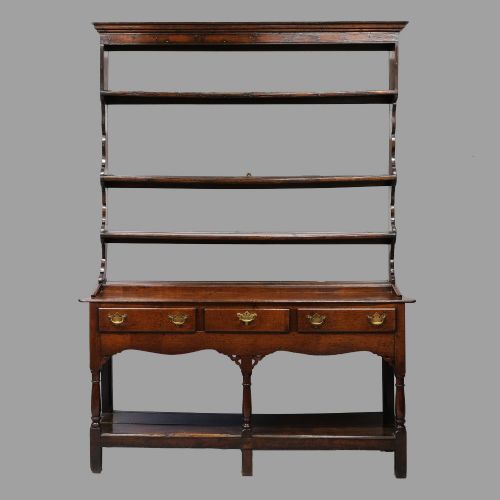
Most examples originate from English and Welsh rural workshops, carrying the marks of regional vernacular furniture. You will frequently encounter potboard bases where a low slatted shelf sits near the floor, alongside drawer configurations ranging from three-drawer rows to larger cupboard combinations.
While some pieces retain their original upper plate racks, the base units function independently as sturdy kitchen work surfaces and storage hubs. Their proportions suit modern utility spaces just as well as traditional country houses.
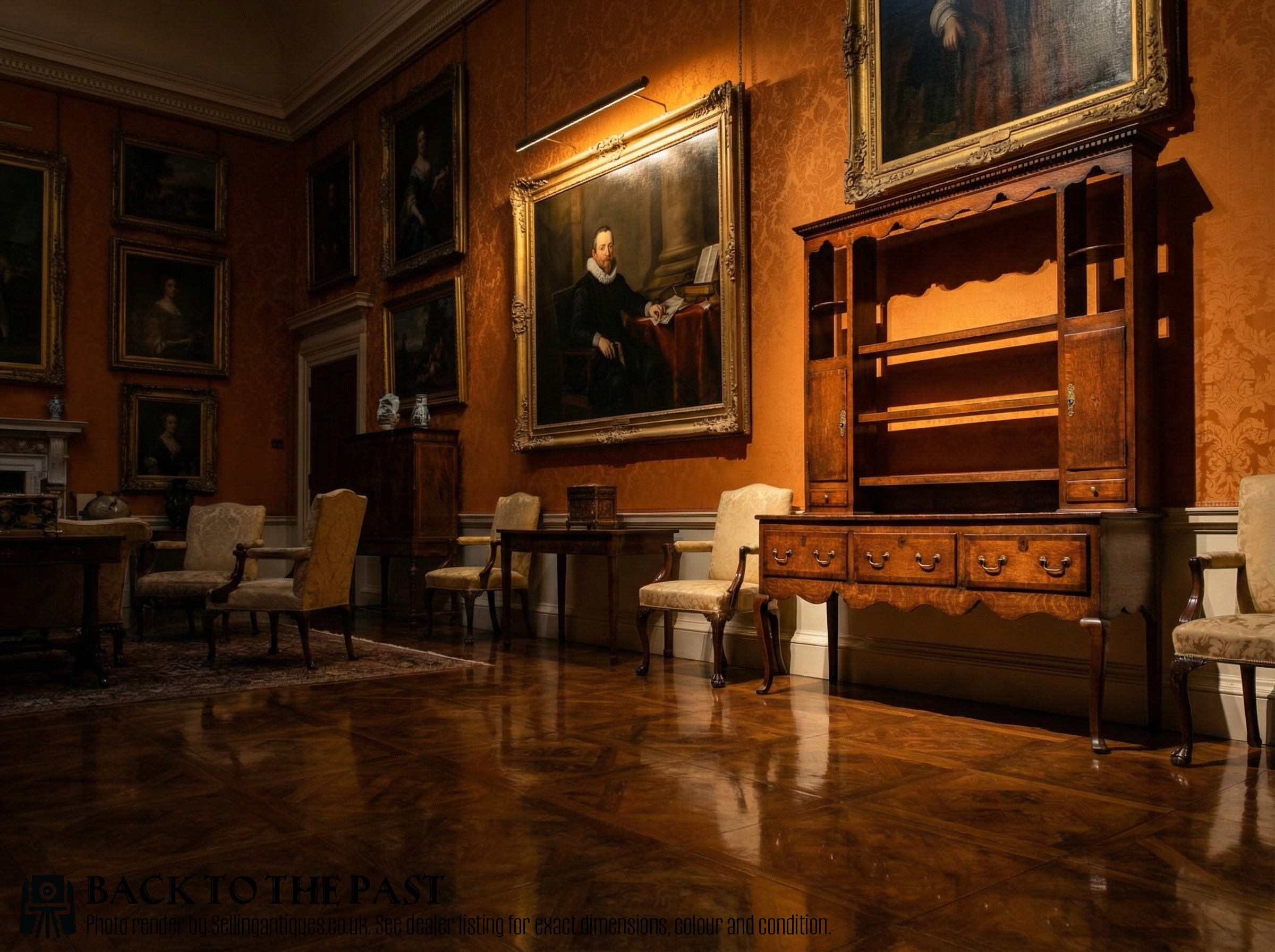
How they were made
Joiners built these carcass items using native timber, relying primarily on solid oak for structural frames, drawer fronts, and top boards. Secondary woods such as pine and fruitwood appear in internal framing, drawer linings, and panel backing.
Construction methods involved pegged mortise and tenon joints to withstand heavy daily use without metal fasteners. Hardware typically consists of brass pulls and iron hinges, while selected eighteenth-century and painted surfaces show early coatings of pigment.
Housemaids once polished these oak tops with beeswax until the timber caught the glow of the kitchen hearth.
What varies in quality
The degree of original timber retention separates standard utility furniture from finer vernacular examples. Superior pieces display dense, mature oak boards across the top and drawer fronts with minimal replacement timber in the framework.
Proportion and regional detailing dictate the visual strength of the piece, particularly in the turnings of front legs and the integration of potboard slats. Sharply cut drawer mouldings and well-preserved brass hardware indicate a higher grade of country workshop production.
The Oak Kitchen Dresser Base Glossary
- Potboard base
- A low open shelf fitted beneath the main counter surface, traditionally used for storing pots and pans. This lower tier sits just above the floor on short stile feet.
- Vernacular furniture
- Domestic items built by local craftsmen following regional traditions rather than metropolitan pattern books. These pieces reflect the specific material availability and storage needs of a community.
- Muntin
- A vertical framing member set within a panelled door or backboard. It provides structural rigidity to larger expanses of timber.
- Stile
- The upright outer vertical member of a frame, such as those forming the sides of a dresser base or cabinet door. Mortise joints cut into these elements receive the horizontal rails.
Oak Kitchen Dresser Base: Frequently Asked Questions
How do I date an oak dresser?
Dating relies on examining construction techniques, timber characteristics, and hardware fixings. Hand-cut dovetails and pegged joints generally point toward eighteenth or early nineteenth-century origins.
Subsequent revival periods and twentieth-century interpretations introduce standardised machine-cut elements and different internal woods.
Where were these dressers made?
Makers constructed these pieces in regional workshops across England and Wales, utilising locally sourced native timber. Welsh examples often display distinct proportions and specific potboard arrangements.
Local provincial joiners built them to serve as functional storage furniture in farmhouse kitchens.
Can I use a dresser base in a modern kitchen?
A dresser base fits well into contemporary kitchens as a freestanding island or a low sideboard for dishware storage. The solid oak top provides a durable surface for daily domestic tasks.
Their substantial timber construction allows them to handle the demands of modern utility spaces.