
Oak Hallway Console
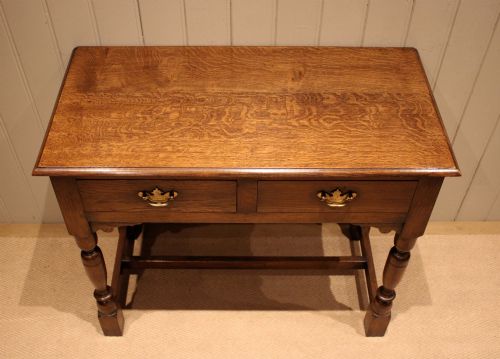
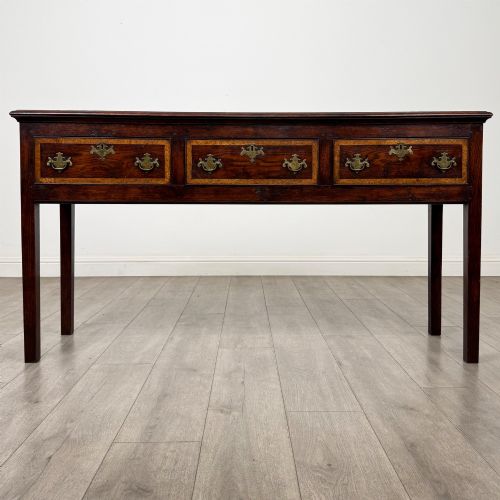
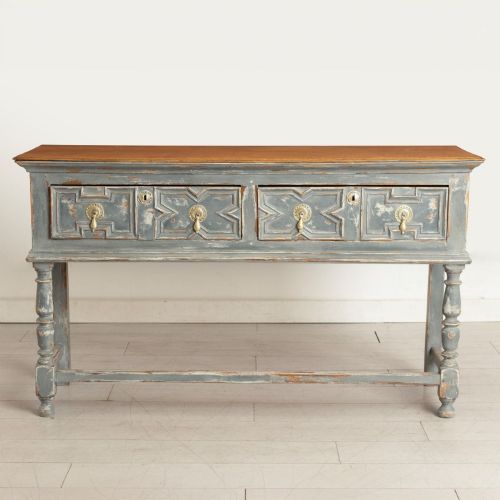
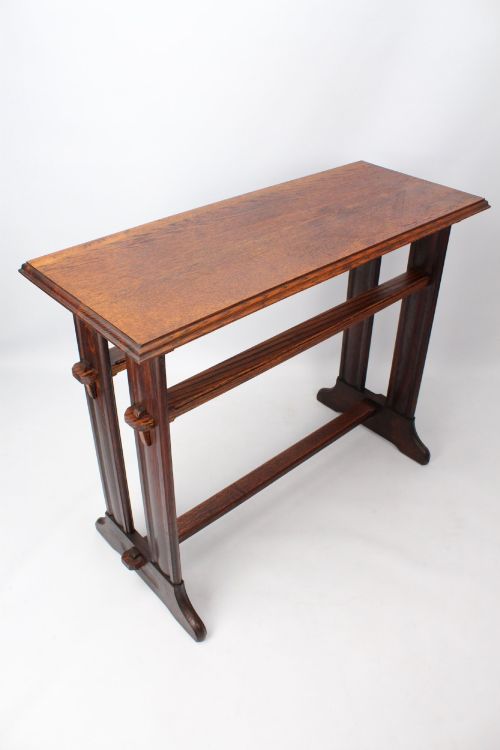
An oak hallway console anchors a narrow space with timber character, turning an empty passageway into a functional room.
Oak Hallway Console
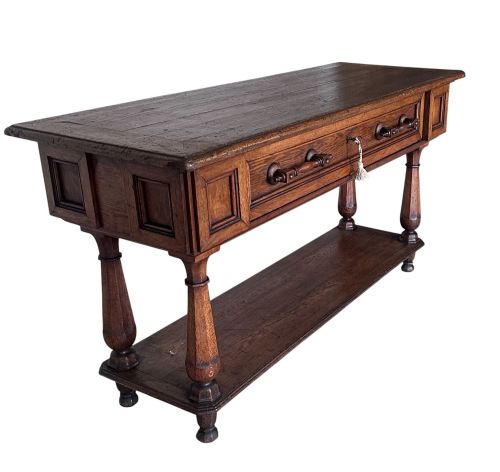
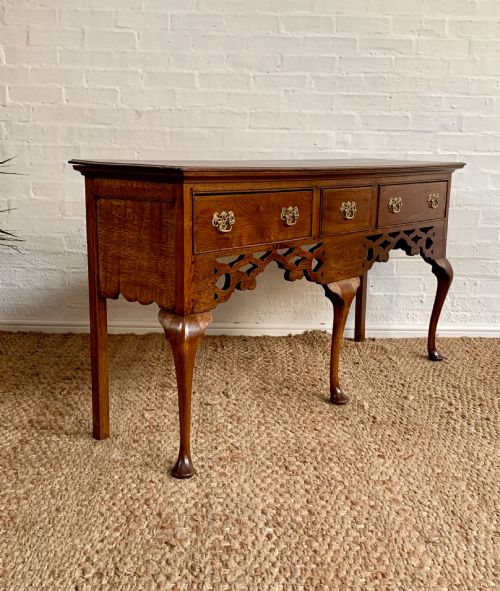
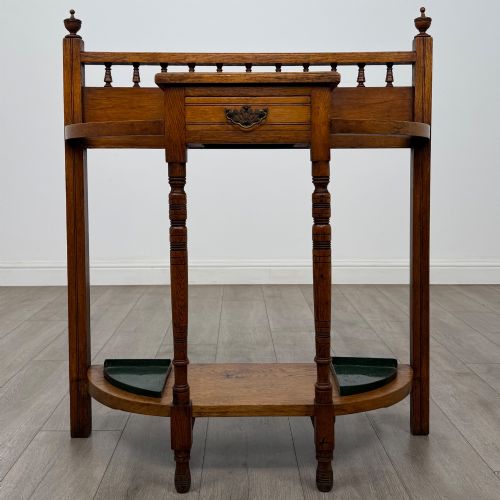
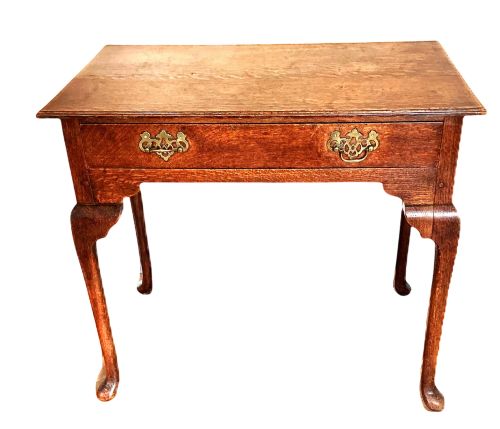
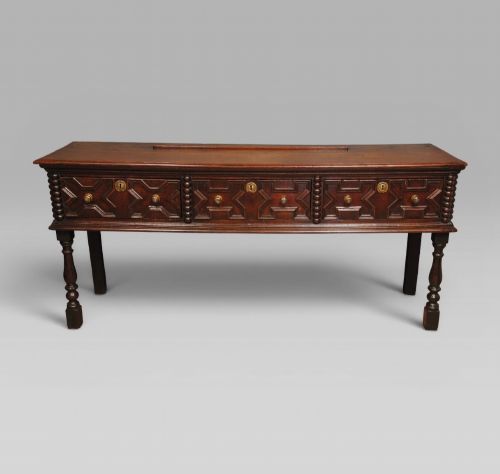
When searching for an oak hallway console, you look at narrow surfaces designed to stand flush against a passageway wall without blocking movement. The pieces appearing here span centuries of British and continental woodworking, reaching from the seventeenth century through the Victorian era and into Edwardian times. Side tables, serving tables, and dresser bases frequently double as console furniture in narrow spaces.
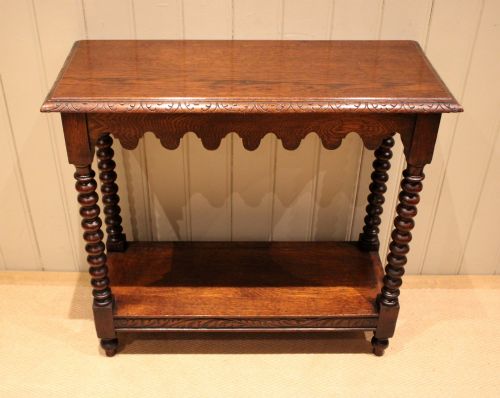
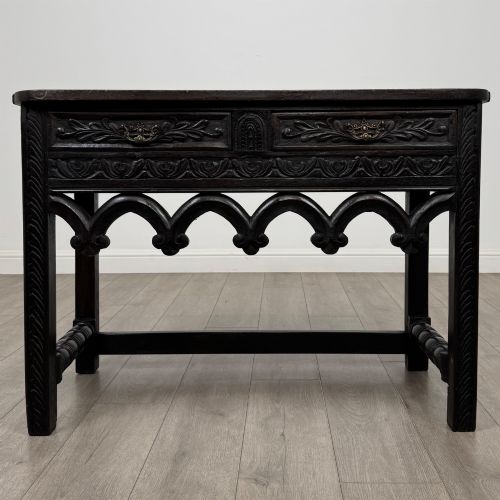
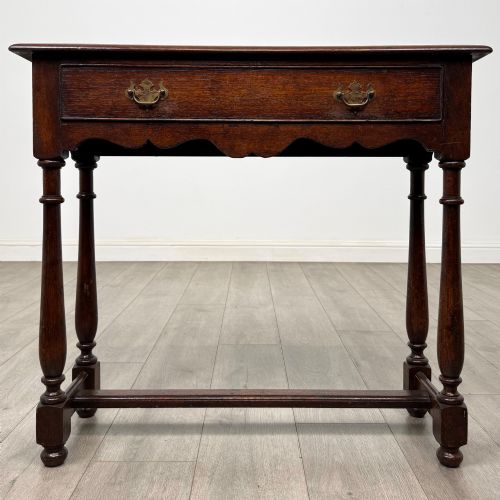
Edwardian and Victorian examples appear most often on this page, alongside earlier seventeenth and eighteenth century formats. These range from simple solid oak side tables to carved Gothic Revival pieces and French demi-lune designs. Each variant brings different proportions and surface treatments suited to narrow domestic entries.
Materials and Construction
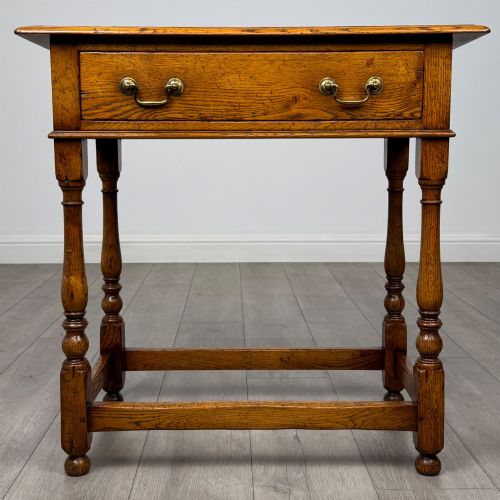
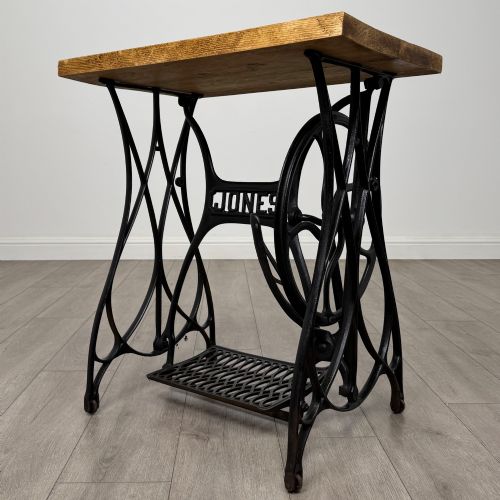
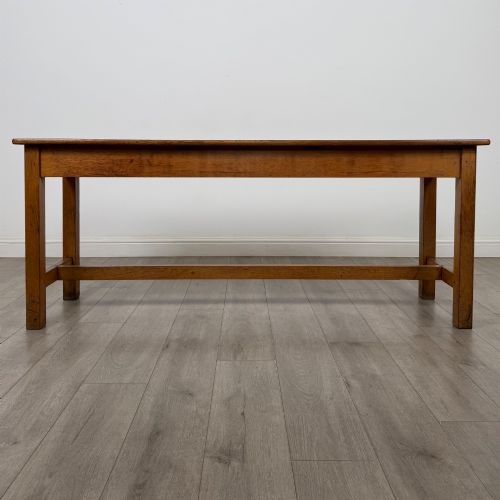
Makers built these tables primarily in solid oak, occasionally incorporating brass handles, glass, marble inserts, or cast iron brackets. Timber selection dictated the strength of the piece, utilising native oak planks for heavy tops and structural legs.
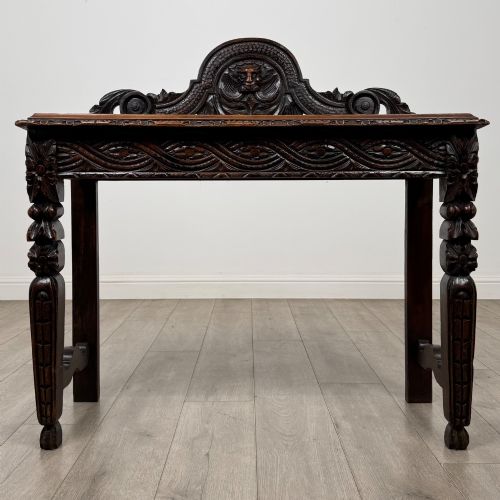
Joinery methods rely on traditional techniques visible in the framing and drawer construction. Carved detailing appears on specific styles like Jacobean Revival and Gothic Revival, shaped directly into the solid timber.
Green Men peer from Gothic Revival carvings, watching over your keys and post with leafy medieval expressions.
Assessing the Workmanship
Quality rests in the integrity of the timber and the crispness of any carved ornamentation. Superior examples display thoughtful grain matching and robust framing that withstands daily hallway use.
Proportion and utility separate standard utility furniture from finer studio pieces. A well-proportioned console balances drawer depth with slender legs, maintaining stability without bulk.
Hubert Simpson of Kendal
The Oak Hallway Console Glossary
- Console table
- A table designed to stand against a wall, frequently fixed or supported by brackets or legs at the front. These tables provide a narrow surface for display or entry storage.
- Dresser base
- The lower section of a traditional kitchen or dining dresser featuring drawers and cupboards. In modern hallways, these low bases serve as substantial console tables.
- Demi-lune
- Half-moon shape applied to tables with a curved front and a flat edge that sits flush against the wall. This silhouette saves valuable floor space in tight passageways.
- Pot board
- An open lower shelf built into the base of a table or dresser. Originally intended for storing pots, it now provides space for baskets or books.
- Block front
- A cabinet or table front divided visually into three vertical sections, with the central section recessed. This technique adds depth and shadow to heavy timber furniture.
Oak Hallway Console: Frequently Asked Questions
What is an oak hallway console used for?
These tables provide a narrow surface in entryways to hold keys, post, and decorative items. Their shallow depth keeps hallways clear while adding storage and display space.
They also offer drawer space for small household essentials, keeping entry areas tidy and organised.
How do I fit a console in a narrow hall?
Measure the width of your hallway and leave sufficient clearance for walking past the furniture. Demi-lune shapes and narrow side tables work best in restricted spaces.
Check the height of skirting boards to ensure the table sits completely flush against the wall.
How do I tell an 18th-century console apart from a Victorian one?
Earlier pieces from the eighteenth century typically exhibit simpler joinery, pegged joints, and heavy timber shrinkage. Victorian and Edwardian examples often feature machine-sawn elements and heavier carved ornamentation.
Examining the underside and drawer linings reveals tool marks and construction methods unique to each period.
Can I use a dresser base as a hallway table?
Dresser bases make excellent hallway consoles if your space is wide enough to accommodate their depth. They offer generous drawer storage and a wide top surface.
Ensure you check the specific depth dimensions before placing a dresser base in a tight entryway.