

Oak Framed Wall Art
Oak framed wall art brings together centuries of British portraiture, maritime scenes, and maps set within solid timber mouldings.
Oak Framed Wall Art
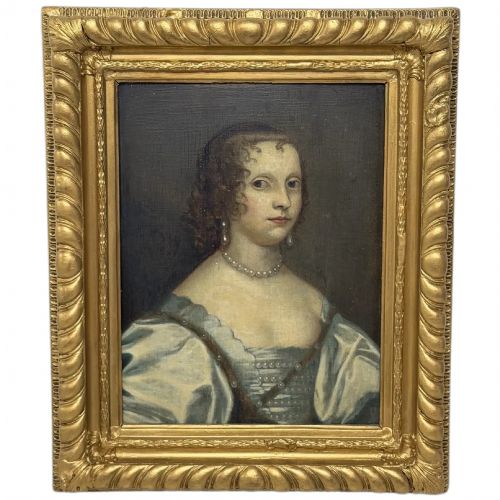
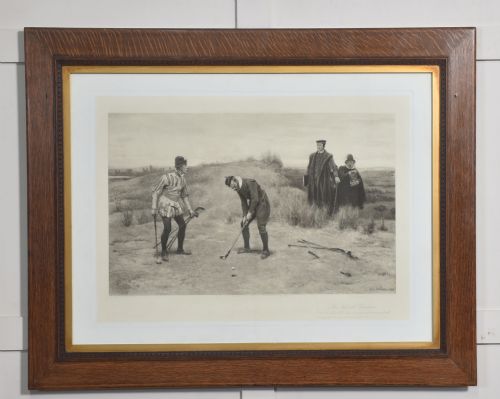
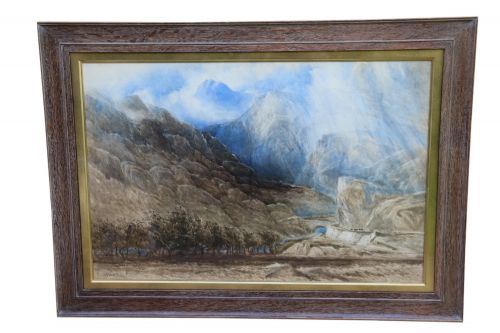
When you search for oak framed wall art, you encounter a diverse assortment of historic domestic items, ranging from seventeenth-century oil panels to early twentieth-century watercolours and mirrors. The selection spans distinct periods including Victorian, Edwardian, Arts and Crafts, and seventeenth-century Carolean work.
The objects themselves take many forms, encompassing framed prints, original paintings in oil and gouache, ceramic tiles, needlework panels, and wall mirrors. Many items utilise sturdy oak surrounds, whether plain timber mouldings or carved frames featuring Celtic knot copper decorations and mother of pearl inlay.
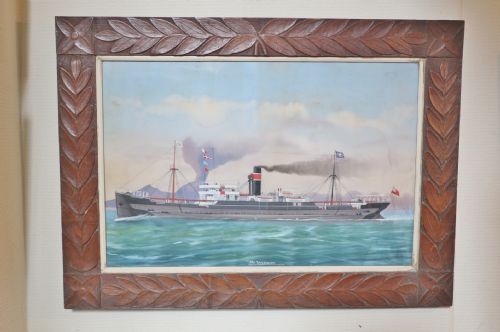
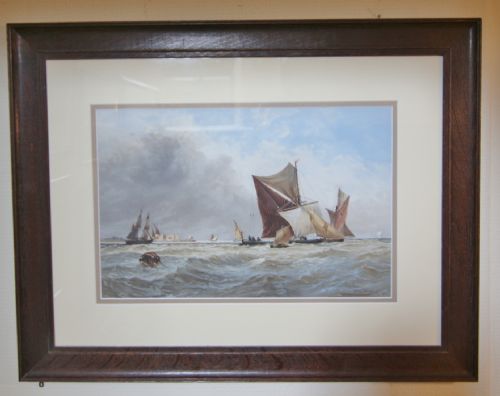
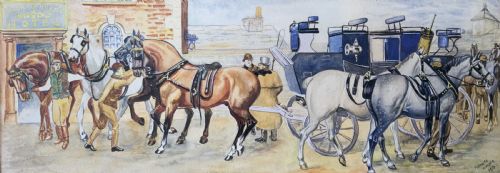
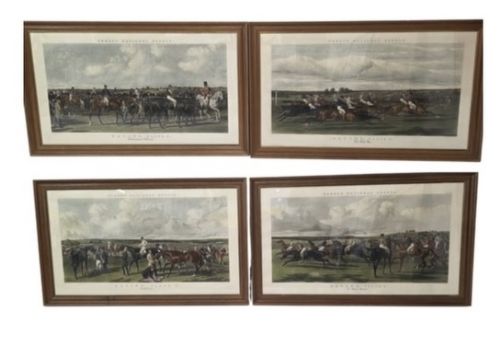
You are most likely to meet nineteenth-century watercolours, early twentieth-century landscapes, and Edwardian mirrors on this page. These pieces reflect varied subjects such as horse racing, maritime steamships, botanical studies, and traditional county maps.
How they were made
Makers constructed these pieces using traditional timber frames housing paper, canvas, wood panels, or ceramic tiles. Artisans worked with media such as oil paint, watercolour, gouache, charcoal, and ink, often applying gold leaf highlights to engravings and maps.
Framing techniques relied on solid oak, sometimes shaped into carved mouldings or decorated with applied copper elements in the Arts and Crafts manner. Panels were prepared with canvas laid onto board or painted directly on oak supports.
Protective glazing utilised standard glass over delicate works on paper, prints, and watercolours, while mirrors incorporated bevelled glass plates secured safely within heavy wooden surrounds.
Oak Framed Wall Art Retail Price Guide 2026
Typical asking prices for oak framed wall art among the pieces listed under this phrase on Sellingantiques today, from the lower quarter to the upper quarter. They describe what is for sale here now, not the wider market.
Listings feature oak framed wall art spanning four centuries, from seventeenth-century carved panels to mid-century bird paintings.
What varies in quality
The distinction between tiers rests upon the execution of the artwork itself and the integrity of its timber setting. Original hand-painted oils and early watercolours by named artists occupy the upper end, contrasted against mass-produced decorative prints from later decades.
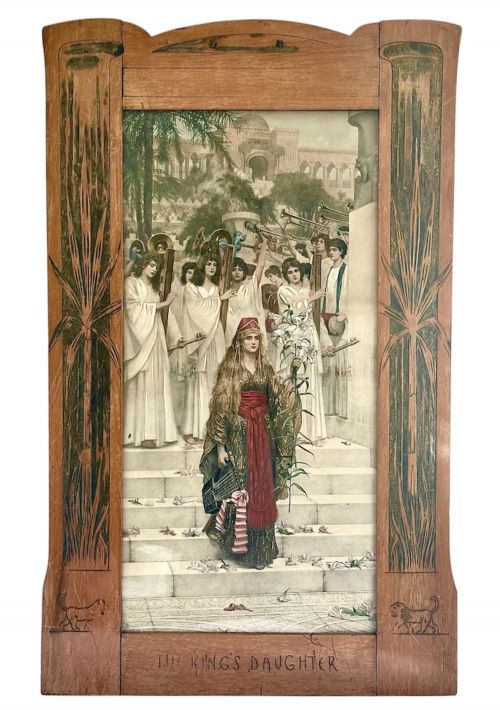
Frame construction also dictates value, with hand-carved Arts and Crafts designs or period-appropriate seventeenth-century mouldings showing superior craftsmanship compared to plain utility frames from the interwar period.
William Bird MD FLS·F Corpuz·TB Hardy·Herbert Gustave Schmaltz·Henry Martin Pope·Sherwin and Cotton·David Roberts RA·Louis Haghe·H Alden and Co·Henry Charles Fox·John Constable·Rowley Gallery·Philipp Peter Roos·Charles F Tunnicliffe·Jonathan Couch
The Oak Framed Wall Art Glossary
- Gouache
- An opaque watercolour medium used by artists to achieve vibrant matte colour surfaces. It appears frequently in early twentieth-century landscape paintings.
- Photogravure
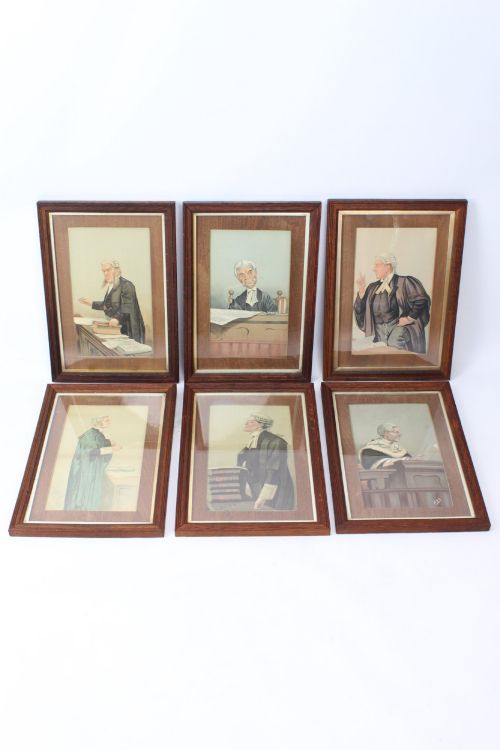
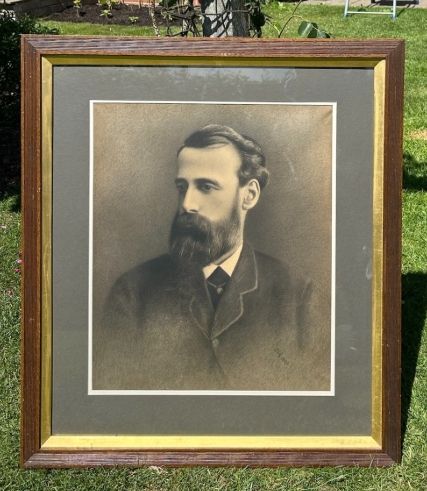
- A printmaking technique producing photographic images from an etched copper plate. This process captured fine tonal gradations in portraiture.
- Stumpwork
- A raised embroidery style popular in the seventeenth century, utilising padded elements to create three-dimensional textile art. Historical panels depict royal subjects.
- Cartography
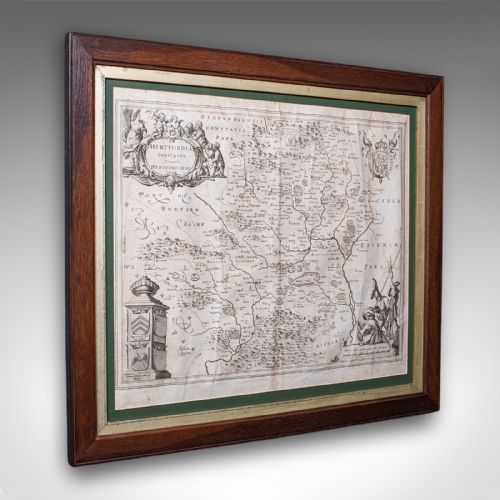
- The science or practice of drawing maps, seen here in antique engraved maps framed for display. These pieces document historical geographical boundaries.
- Engraving
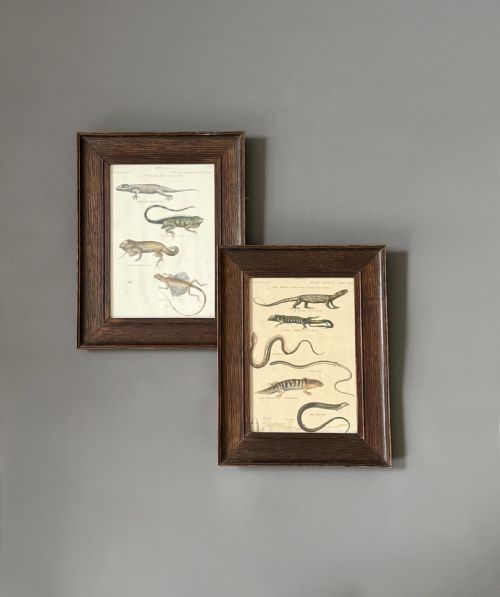
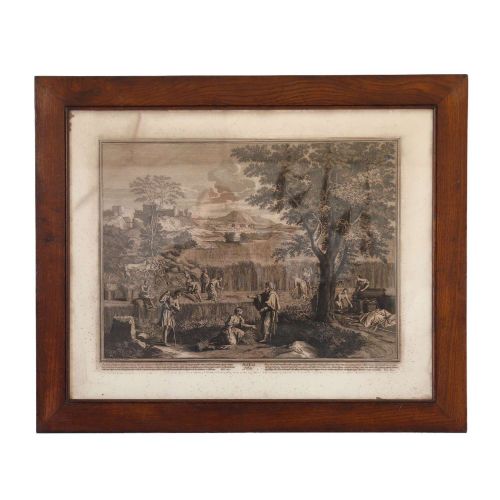
- A print produced by cutting a design into a metal plate to hold ink. Early examples record natural history subjects and classical artwork.
Oak Framed Wall Art: Frequently Asked Questions
How do I identify seventeenth-century oak pieces?
Seventeenth-century items often employ heavy oak panels as a painting surface or feature dark, dense timber mouldings with hand-cut joinery. The patination on the wood develops a deep, aged lustre over centuries of exposure.
Examination of the reverse usually reveals older fixings, hand-riven boards, or early labels that confirm the age of the housing independently of the artwork.
Were these mirrors used in hallways?
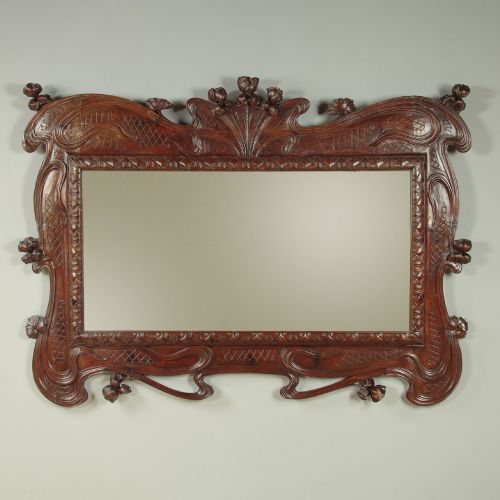
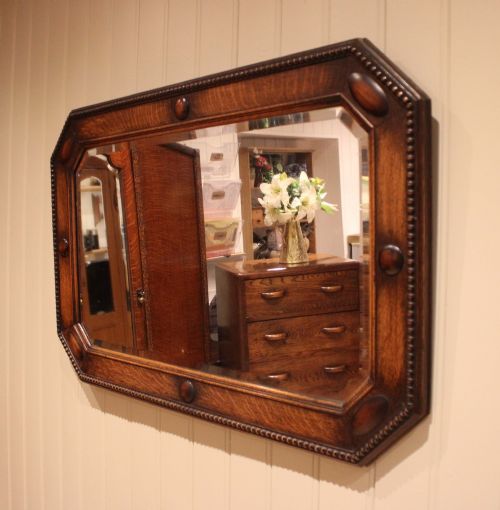
Many oak framed wall mirrors served a practical function in entrance halls and landings, providing a final check before stepping outdoors. Their robust wooden frames suited high-traffic areas of the home.
Surviving examples often show utilitarian hanging loops designed specifically for domestic wall mounting rather than grand reception rooms.
Can I hang watercolours in direct sunlight?
Watercolours and works on paper are sensitive to ultraviolet light, which causes pigments to fade permanently over time. Placement away from direct sunlight preserves the original tones of the painting.
Framing with modern UV-filtering glass offers additional protection while keeping the historic artwork visible for daily enjoyment.