

Antique Dutch Art
Antique dutch art spans centuries of oil paintings, carved foot warmers and brass timepieces that bring historic continental craftsmanship into domestic spaces.
Antique Dutch Art
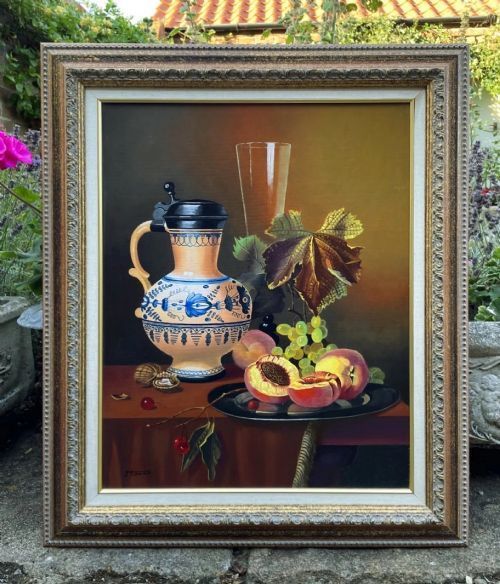
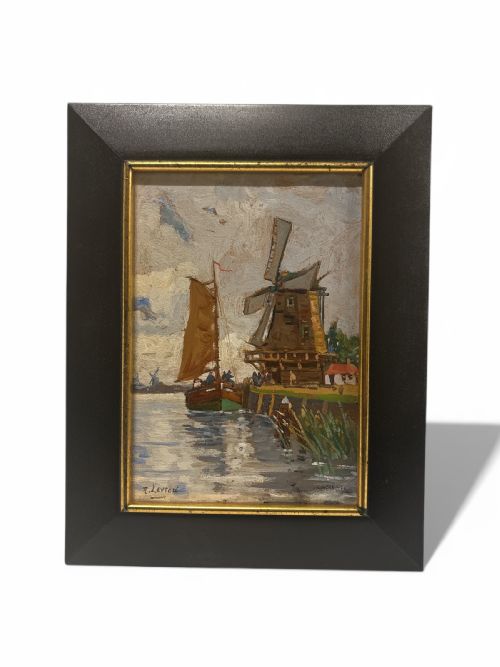
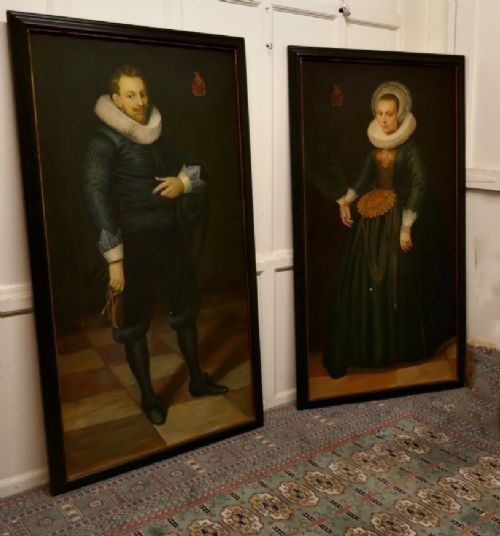
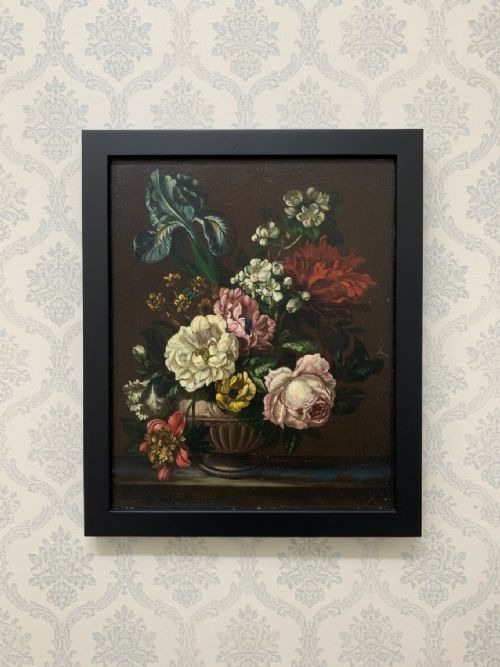
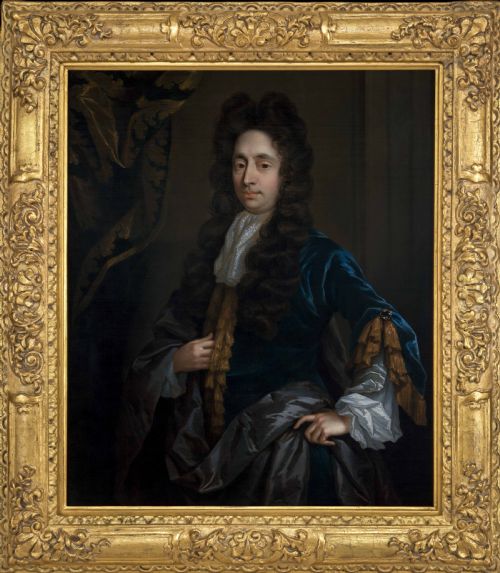
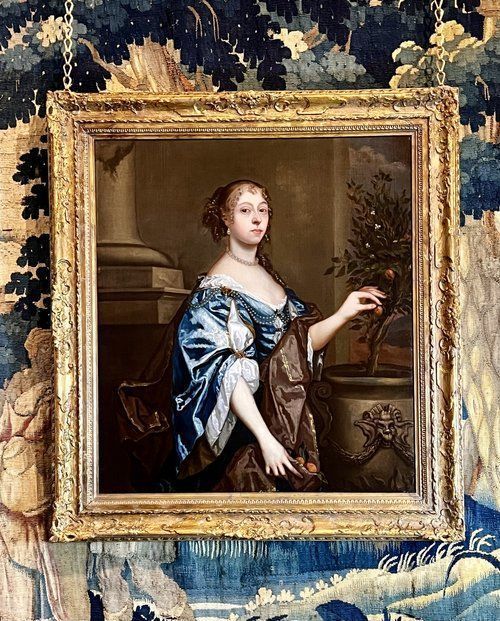
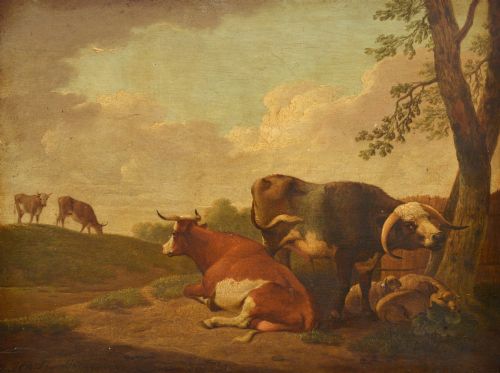
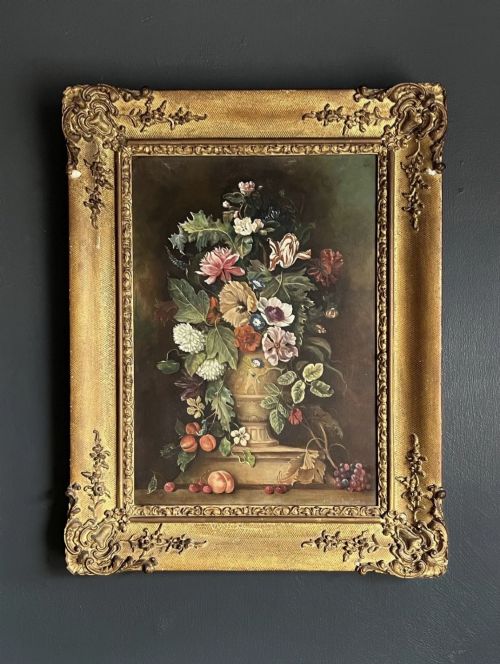
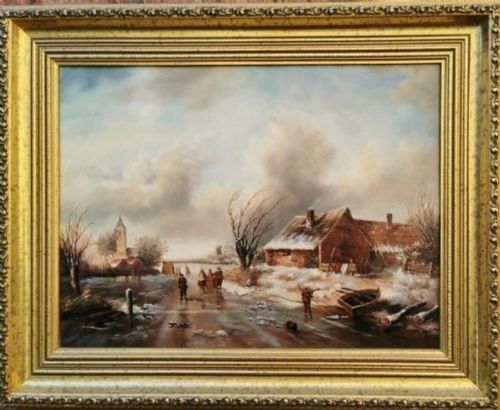
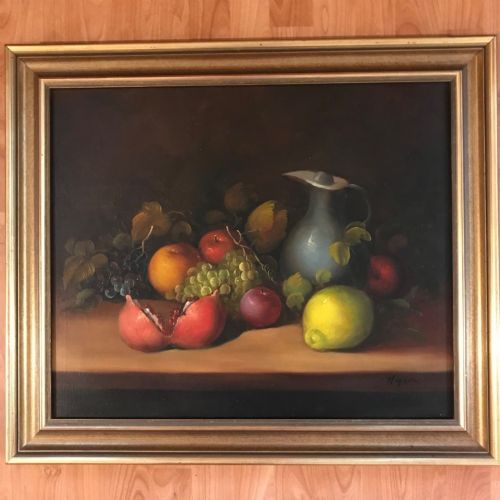
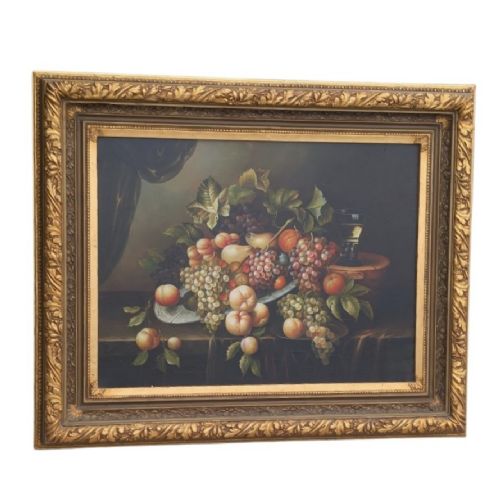
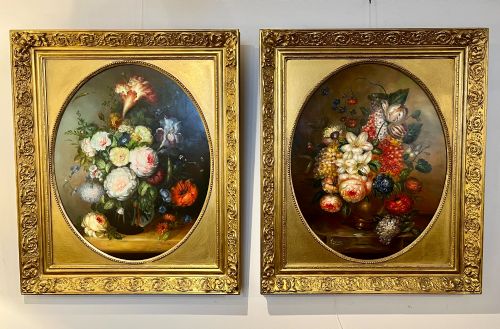
Portraiture, maritime scenes, and floral still lifes dominate the painted works, reflecting the historic traditions of the Dutch Golden Age and subsequent regional schools. Buyers also find cartography, engravings, and patinated brass or oak clocks created within the Amsterdam school aesthetic.
Periods represented stretch from the late seventeenth century through the baroque and nineteenth-century revivals into mid-century modern interpretations. Each piece records domestic or artistic life in the Low Countries, whether through finely rendered canvas portraits or vernacular folk items.
Materials and construction methods
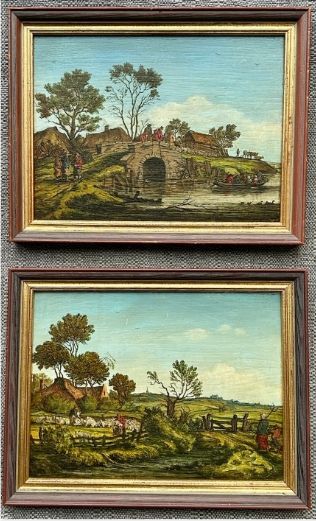
Painters utilised oil paint applied to stretched canvas or prepared wood panels, often enclosing finished works in gilt gesso frames. These mediums allowed artists to build rich layers of light and shadow characteristic of old master techniques.
Carpenters and folk artisans worked with native timbers like oak, rosewood, and macassar ebony, frequently employing chip-carving to decorate utilitarian items such as foot stoves. Metalworkers shaped brass through hammering and patination, creating clocks and decorative objects with distinct textural surfaces.
Materials recorded in current inventory include oak, rosewood, macassar ebony, canvas, brass, and paper.
Evaluating quality and execution
The sophistication of brushwork and the accuracy of anatomical or spatial rendering separate standard decorative canvases from masterworks. Superior paintings demonstrate subtle command over light and shadow, whereas lesser pieces display rigid lines or flat colour application.
In wooden objects and clocks, the crispness of the chip-carving and the preservation of original patination dictate the desirability of the piece. Integrated materials, such as combining oak with rosewood or macassar ebony, reflect greater ambition in construction.
Constantyn Netscher·Pieter Borseler·Hendrik Willem Schweickhardt·Bonaventura Peeters·Gaspar Peeter Verbruggen·David Teniers
The Antique Dutch Art Glossary
- Dutch Golden Age
- A period in seventeenth-century Dutch history noted for achievements in painting, trade, and science. Works from this era display remarkable naturalism and mastery of light.
- Oil on panel
- A painting executed on a wooden board rather than canvas. Panels provided a rigid, stable surface favoured by early portraitists and landscape painters.
- Chip-carving
- A style of relief carving where small chips are removed from a single piece of wood with a knife or chisel. This technique frequently decorates utilitarian regional items like foot stoves.
- Mantel clock
- A clock designed to sit on the shelf above a fireplace. Examples from the Amsterdam school incorporate architectural wood veneers and early electrical movements.
- Cartography
- The science or practice of drawing maps. Antique examples include engraved county maps framed for display.
- Gilt gesso
- A plaster-like material applied to wooden frames and then covered with gold leaf. This surface treatment provides decorative relief borders around paintings.
Antique Dutch Art: Frequently Asked Questions
How do I identify a seventeenth-century portrait?
Seventeenth-century portraits typically feature sitters in dark attire with intricate lace ruff collars or linen bands, painted in oil on canvas or wood panels. The lighting often employs strong contrasts between shadow and illumination.
Signatures or attribution marks may appear near the edges, though many works from this era remain attributed to specific schools or circles of artists.
What distinguishes Amsterdam school clocks?
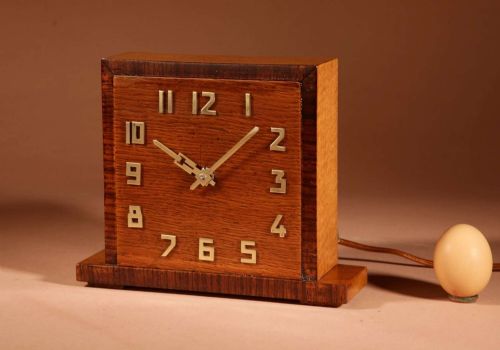
Amsterdam school clocks combine expressionist architecture with exotic wood veneers like macassar ebony, rosewood, and coromandel. Their cases show careful attention to grain patterns and geometric form.
Many of these timepieces incorporate early electrical mechanisms alongside traditional hammered brass components, bridging historic cabinet-making with modern technology.
Where should I hang a floral still life?
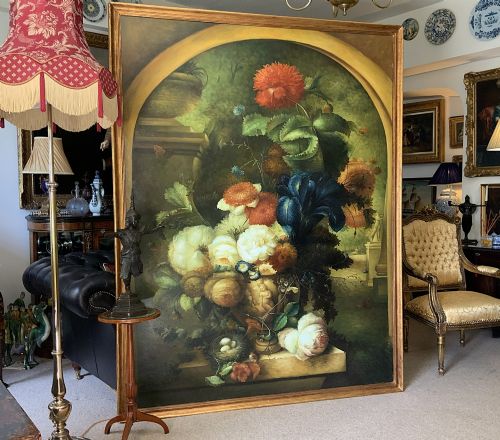
Floral still lifes suit dining rooms, libraries, or living spaces with traditional or transitional decor. Monumental canvases require substantial wall space and stable lighting to highlight the depth of the painted petals and foliage.
Pairing these paintings with period gilt frames enhances their visual presence against neutral wall colours.