



Romantic Style Landscape
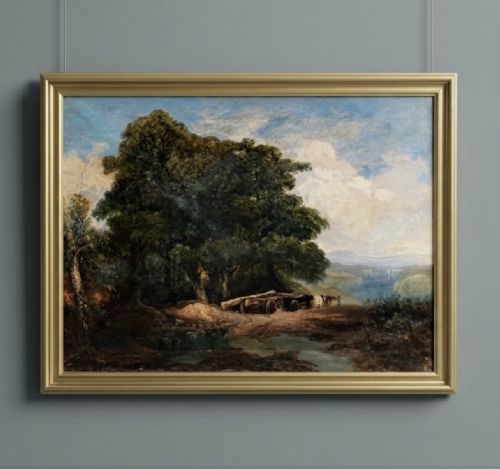
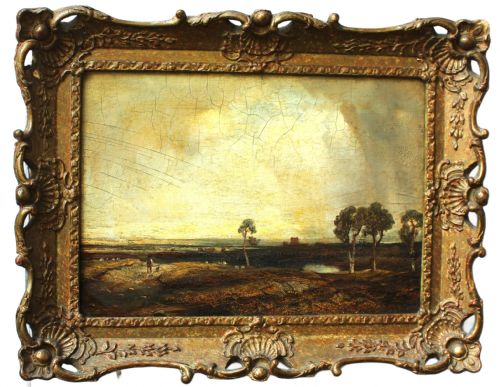
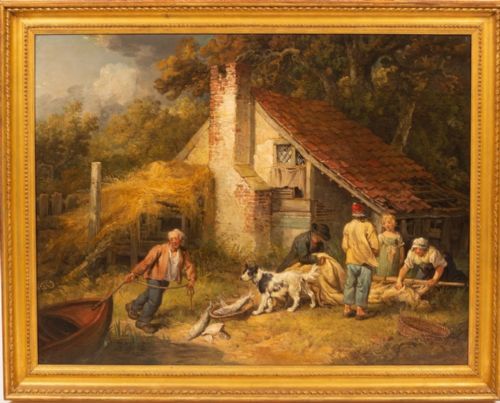
Romantic style landscape paintings and objects capture sweeping skies, intimate pastoral scenes and moody vistas from the eighteenth and nineteenth centuries.
Romantic Style Landscape
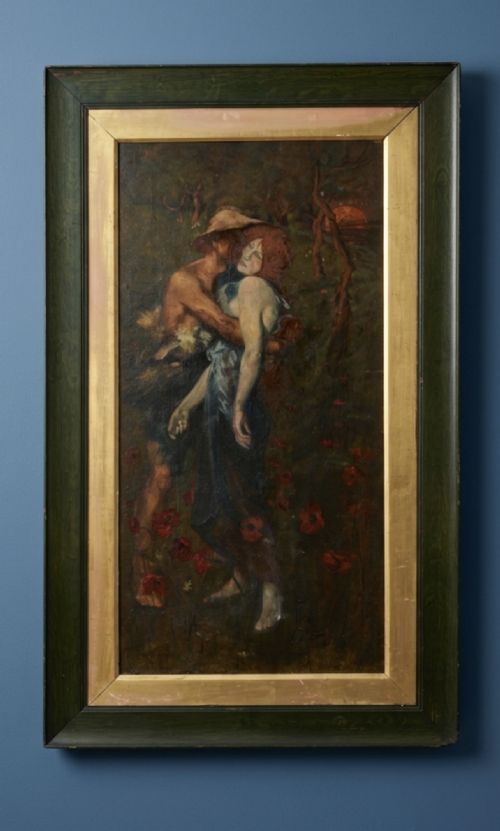
A romantic style landscape brings together oil paintings, canvases, and decorative objects that emphasise emotion, nature's scale, and dramatic atmospheric effects. These works draw heavily from nineteenth-century romanticism, Victorian sensibilities, and earlier Georgian traditions to evoke a powerful mood.
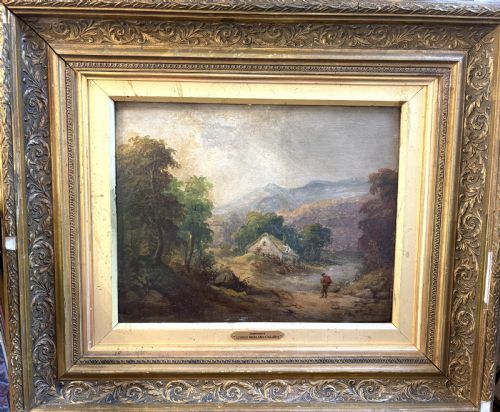
The most frequent examples found in this selection include nineteenth-century oil paintings on canvas, alongside framed oil on board pieces and occasional decorative items like hand-painted porcelain. Artists working in this manner often depicted riverscapes, Scottish highlands, and expansive skies populated by figures or animals.
Buyers encounter works ranging from British and Dutch romantic traditions to French landscape compositions and regional Scottish scenes. The overarching focus remains on atmospheric depth, dramatic lighting, and a deeply felt connection to the natural world.
Materials and Techniques
These works rely primarily on oil paint applied to stretched canvas, paper, or wooden panels, building up rich textures and deep tones. Artists utilised traditional brushwork to capture shifting light across expansive skies and watery surfaces.
Several landscapes include small, unassuming dogs keeping watch beneath vast skies.
Assessing Quality and Execution
The strength of a romantic style landscape rests upon the handling of light, shadow, and atmospheric perspective within the composition. Stronger works demonstrate confident brushwork that creates convincing depth in expansive skies and distant horizons.
The integrity and preservation of the physical materials also set pieces apart, particularly the condition of the oil paint layers and the stability of the canvas or board. Original frames featuring period gesso and gilt work enhance the overall integrity of the piece.
Richard Sebastian Bond·George Morland·Carl Johan Fahlcrantz·James de Rijk·Alphonse Robert·John Constable·Andreas Schelfhout·James Ward
The Romantic Style Landscape Glossary
- Oil on canvas
- Pigments bound in a drying oil applied to a woven fabric support. This surface allows for rich blending and varied texture.
- Giltwood
- Wood carved and coated with gold leaf or a metallic substitute. This material frequently frames nineteenth-century paintings.
- Gesso
- A plaster-like mixture applied to wood or canvas as a base for painting or gilding. It provides a smooth ground for decorative framing elements.
- Nocturne
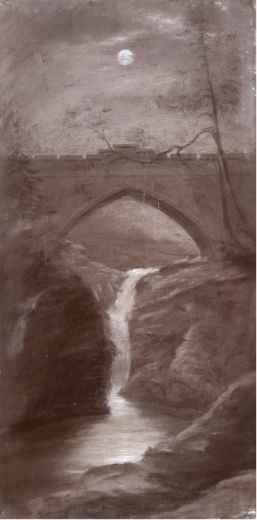
- A painting depicting a scene at night or in the evening. These works focus on dim lighting and moody atmospheric tones.
Romantic Style Landscape: Frequently Asked Questions
What defines a romantic style landscape?
These works focus on emotional resonance, dramatic weather, and expansive natural vistas rather than strict topographical accuracy. Artists used loose brushwork and moody lighting to draw the viewer into the atmosphere of the scene.
Subjects often include rivers, rural cottages, and figures dwarfed by vast skies or rugged terrain, reflecting nineteenth-century ideas about nature and human emotion.
How should I hang an oil painting?
Oil paintings on canvas require stable indoor environments away from direct sunlight and rapid temperature fluctuations. Proper picture wire and secure wall fixings ensure the heavy giltwood frames are supported safely.
Keep these artworks away from direct heat sources to prevent the canvas and wooden stretcher bars from warping over time.
Are these paintings original period pieces?
The selection includes authentic nineteenth-century and eighteenth-century works, alongside period copies and pieces created in the manner of established masters. Each listing details the specific era and attribution recorded for the object.
Materials such as aged oil paint, canvas weave, and period frames help confirm the historical context of the individual pieces.
How do I care for antique gilt frames?
Giltwood frames benefit from gentle dusting with a soft, dry brush to prevent accumulation in the carved gesso details. Avoid using liquid cleaners or abrasive cloths, which can damage the delicate metallic leaf.
Checking the stability of the frame corners periodically helps protect the painting secured inside.