

Oak Frame Mirror
An oak frame mirror brings weight, grain and deep warmth to a room, grounding an interior with centuries of cabinet-making tradition.
Oak Frame Mirror
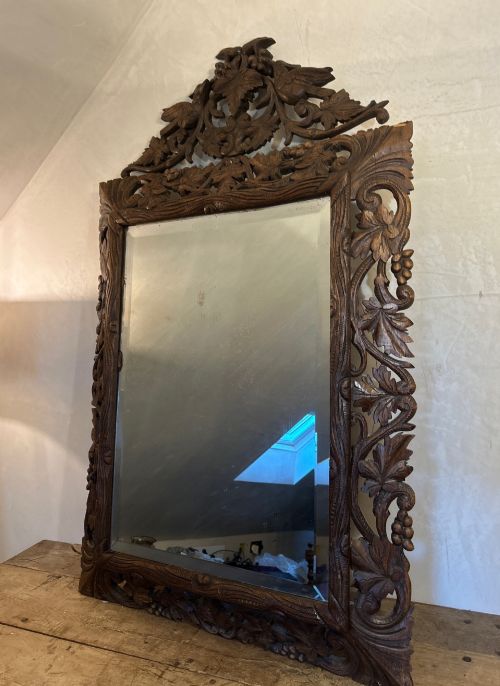
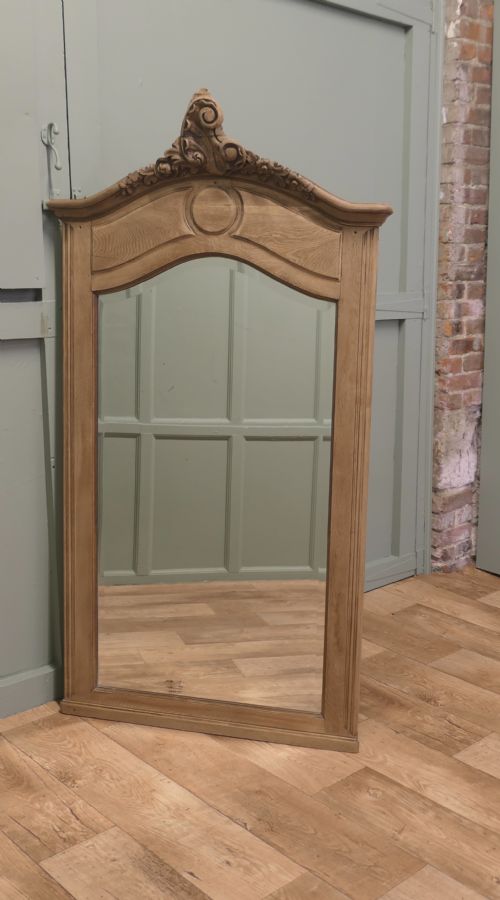
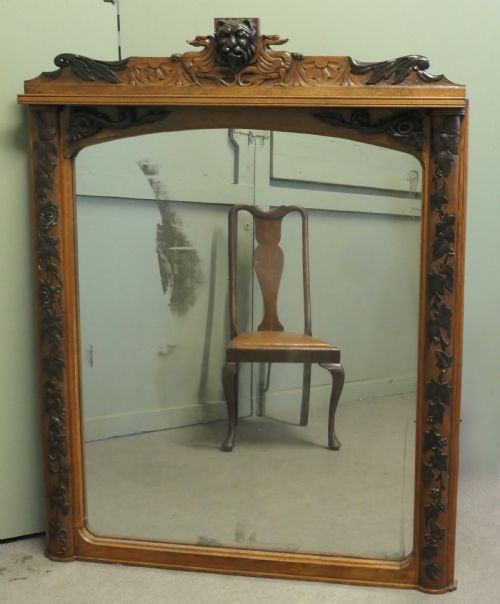
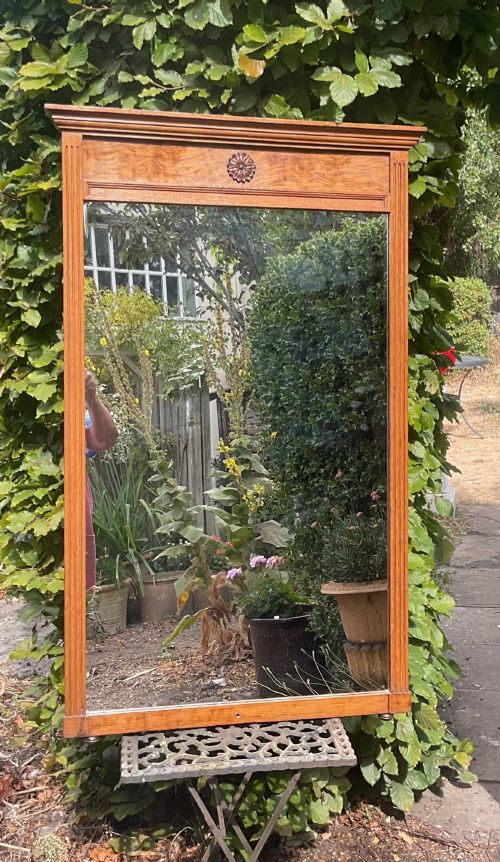
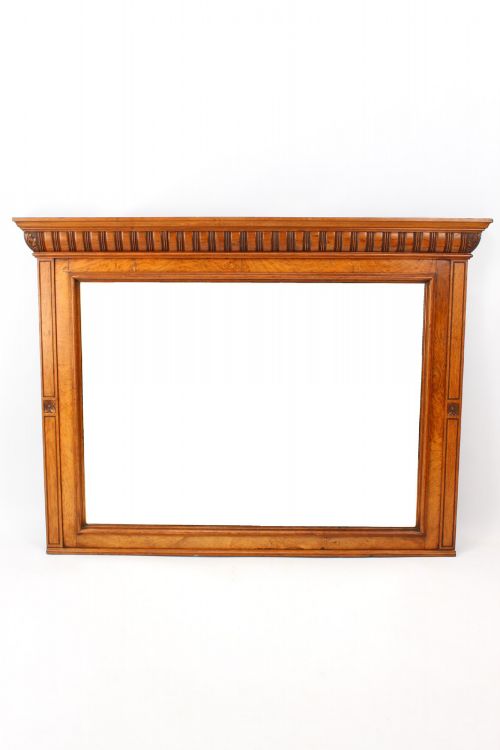
An oak frame mirror serves as a substantial architectural element in domestic spaces, bridging functional glass with decorative woodwork. The pieces gathered here range from compact dressing and hall mirrors to massive overmantels and floor-standing leaner mirrors designed to dominate a wall.
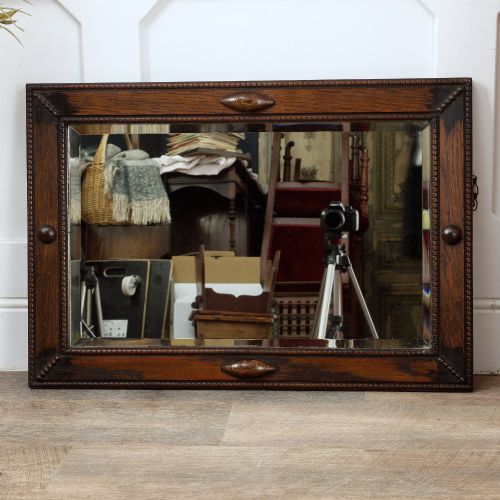
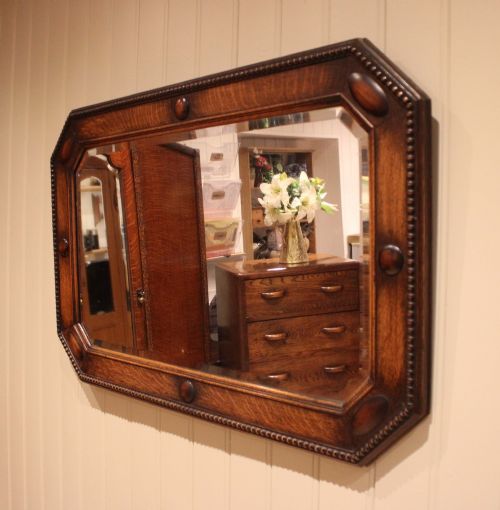
You will most frequently encounter rectangular wall-hanging versions from the nineteenth and early twentieth centuries, alongside distinct regional interpretations such as French cushion frames and Arts and Crafts designs. These objects reflect shifting domestic tastes across Victorian, Edwardian and revival periods while retaining the heavy timber character inherent to the material.
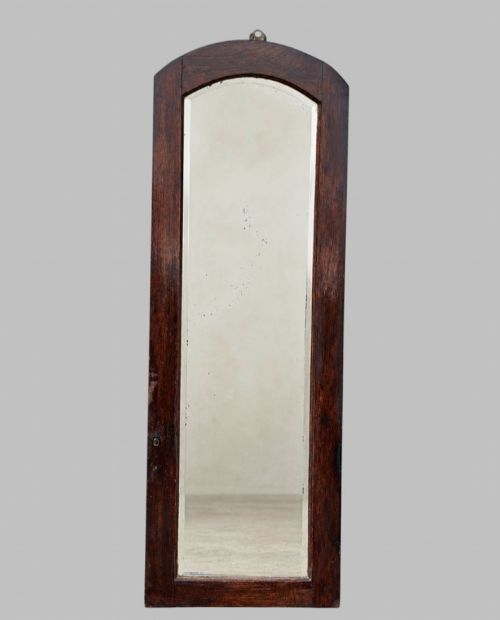
The format extends across diverse domestic typologies, including cheval mirrors, arched wall mirrors and smaller toilet mirrors meant for pivoting on a tabletop. Each variant employs solid timber or applied mouldings to frame the reflective plate, creating a focal point that is both utilitarian and decorative.
Timbers and construction techniques
Makers constructed these frames predominantly from solid oak, sometimes utilising blonde, scrubbed or golden variations of the timber depending on the prevailing style and period. Artisans joined the heavy wooden members using traditional joinery methods, ensuring the structural stability required to support deep profiles and substantial weight.
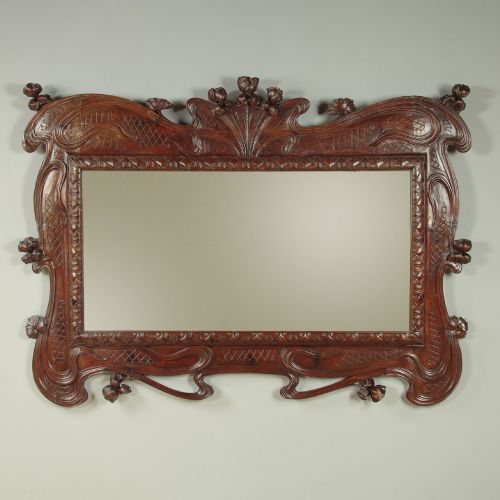
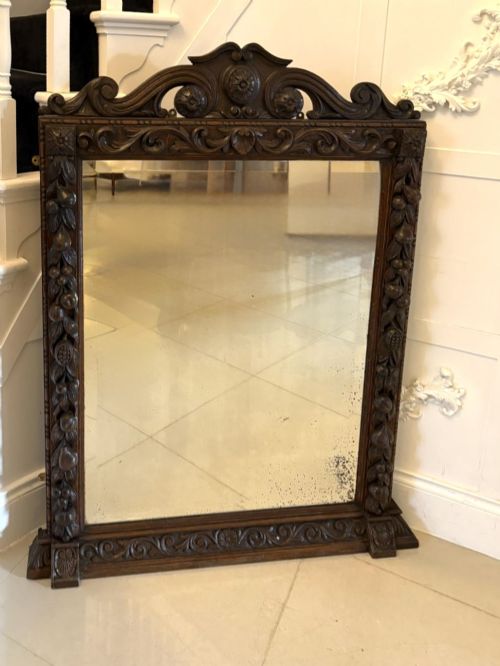
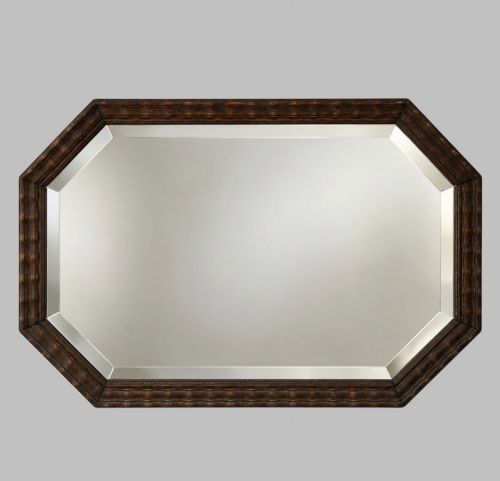
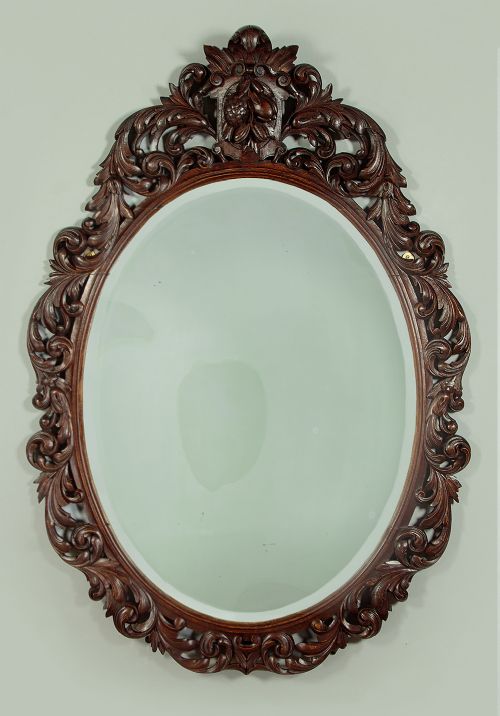
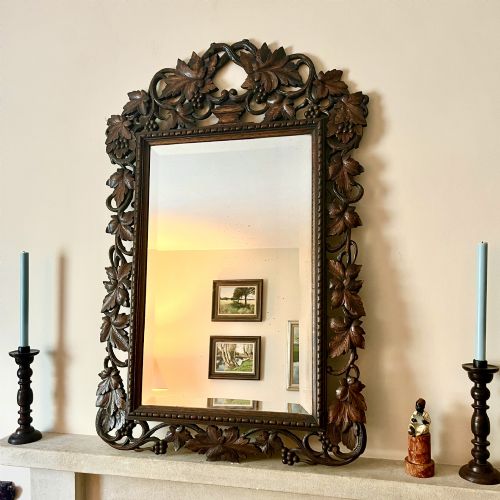
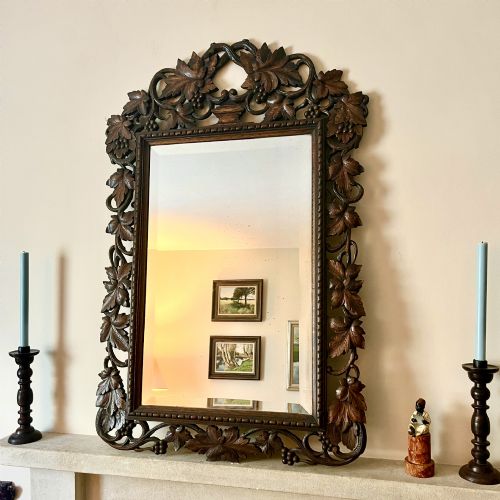
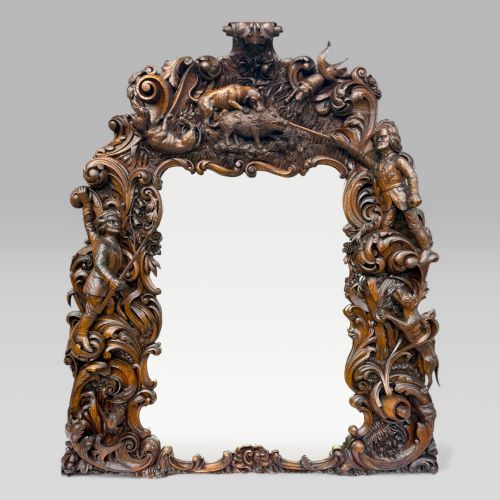
Carving and surface manipulation define the decoration, with craftsmen executing floral motifs, geometric patterns and deep relief work directly into the wood. Additional decorative elements such as gesso, gold leaf, brass details or copper repoussé often complement the timber frame, while bevelled mirror glass is secured within the rebate.
Listings span from the eighteenth century through the Victorian, Edwardian and Arts and Crafts periods, utilising oak, glass, brass and copper.
Distinctions in craftsmanship and design
The quality of an oak frame mirror rests upon the depth and precision of the woodcarving, where crisp, undercut foliage and balanced proportions distinguish superior workshop output from simpler production. Heavier cushion mouldings and well-figured grain demonstrate a greater investment in materials and cabinet-making skill.
Structural integrity and the originality of the components further separate pieces, particularly when examining the joinery at the corners and the retention of the original mirror plate. Finer examples exhibit thoughtful integration between the timber frame and ornamental additions such as side columns or repoussé metalwork.
Waring and Gillow·Rowley Gallery
The Oak Frame Mirror Glossary
- Overmantel mirror
- A large mirror specifically designed to hang above a fireplace mantelpiece. These pieces often feature wide proportions and substantial frames intended to balance the hearth below.
- Cushion frame
- A convex, swelling frame profile that projects outward from the wall, popular in seventeenth-century revival styles. This voluminous form highlights the figured grain of the oak timber.
- Cheval mirror
- A freestanding full-length mirror suspended on a vertical frame with pivoting pivots. It allows the glass to tilt to various angles for dressing.
- Repoussé
- A metalworking technique where the artist hammers the metal from the reverse side to form a raised design. In these listings, it appears as decorative copper panels on Arts and Crafts frames.
- Bevelled glass
- Mirror glass with edges cut and polished at an angled slope to catch and refract light. This treatment adds a refined border to the reflective surface.
Oak Frame Mirror: Frequently Asked Questions
How do I hang a heavy oak mirror safely?
Heavy wooden frames require robust wall fixings anchored directly into masonry or secure wall studs to support the substantial weight of the timber and glass. Using heavy-duty picture wire combined with wall brackets ensures the load is distributed evenly across the hanging structure.
Positioning the mirror at eye level or aligned with existing architectural lines helps anchor the piece securely within the room's proportions.
Where should I place an overmantel mirror?
An overmantel mirror sits naturally above a fireplace, where it traditionally anchored the vertical space of a chimney breast. Placing it here reflects light back into the room and balances the visual weight of the hearth.
These large formats also work effectively on expansive hallway or living room walls when paired with low furniture underneath.
How do I clean and maintain antique oak frames?
Dust the carved wooden frame regularly with a dry, soft cloth to prevent particulate buildup within the recesses of the relief work. Avoid using modern chemical polishes or excessive moisture, which can damage the aged patina of the timber.
Glass cleaner applied sparingly to a cloth rather than directly to the mirror keeps the reflective plate clear without seeping behind the rebate into the frame.
How can I tell the period of an oak frame?
Examining the joinery, the type of oak finish and the style of ornamentation reveals clues to the era of manufacture. Victorian and Gothic Revival pieces tend to feature deep, heavy carving, whereas Arts and Crafts examples often display hammered copper or simpler medieval-inspired lines.
Later Edwardian versions frequently utilise blonde oak or incorporate convex plates and cleaner geometric borders.