
Oak Entryway Seating
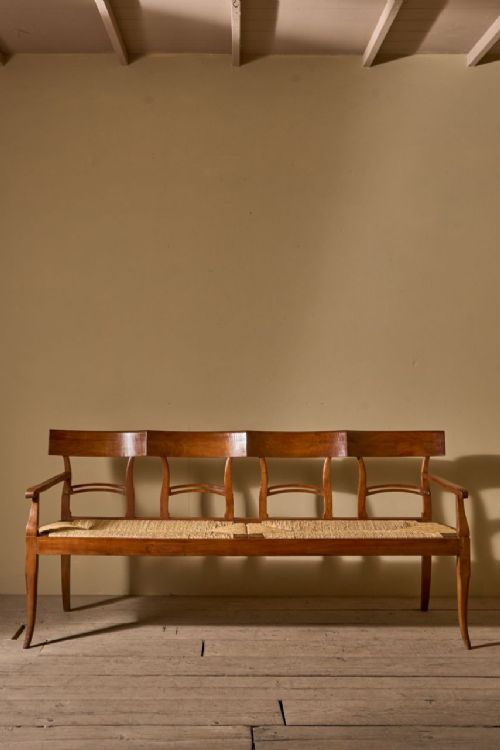
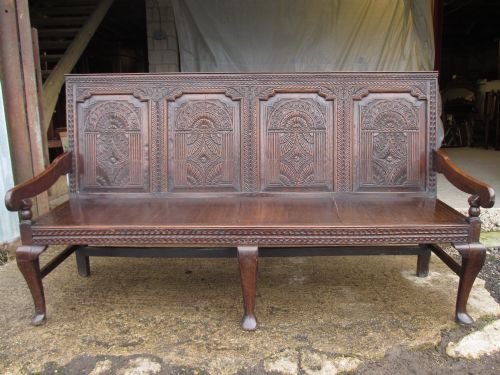
Oak entryway seating brings heavy timber and historic character into a hall, offering a solid place to pause as you cross the threshold.
Oak Entryway Seating
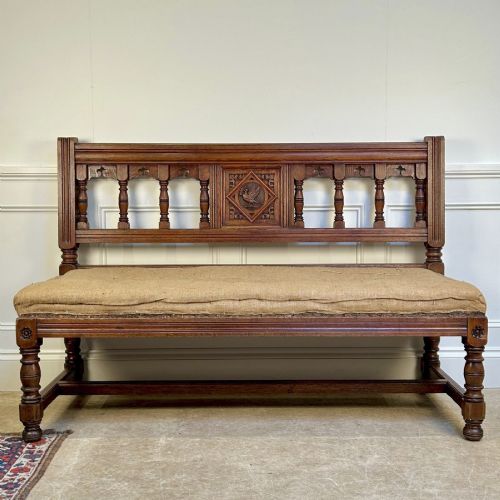
The selections span centuries from the seventeenth century through the Victorian era and into the early twentieth century. Buyers encounter robust country furniture alongside revivalist styles such as Gothic and Arts and Crafts.
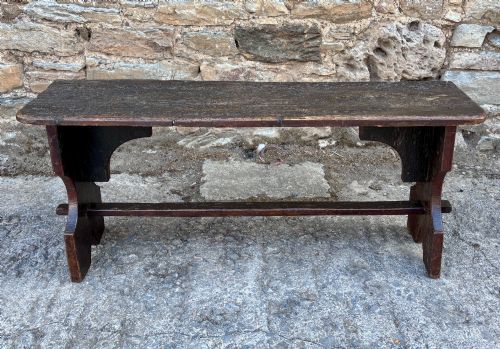
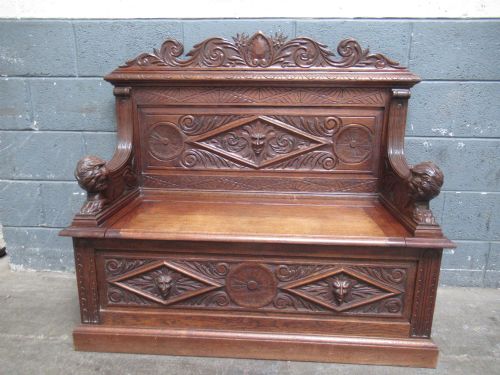
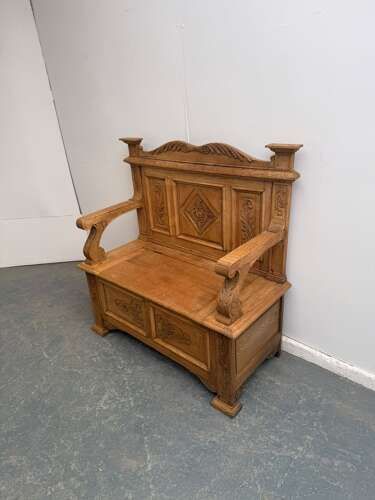
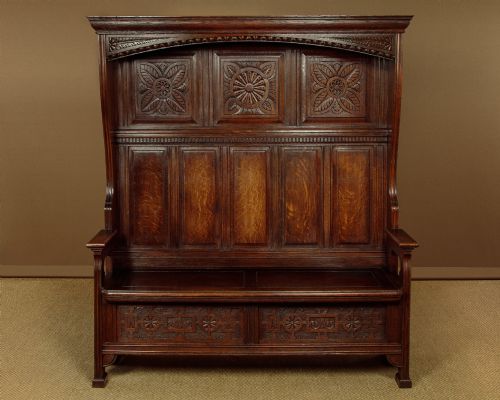
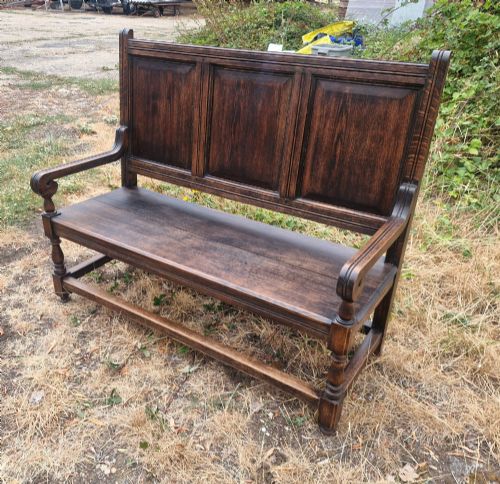
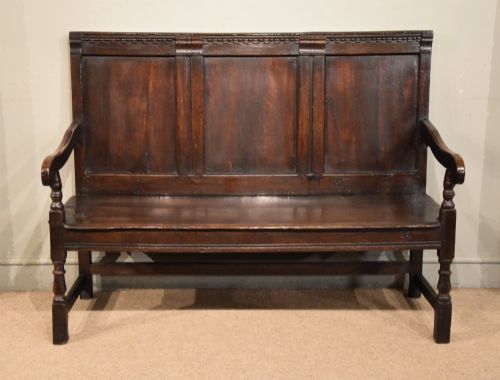
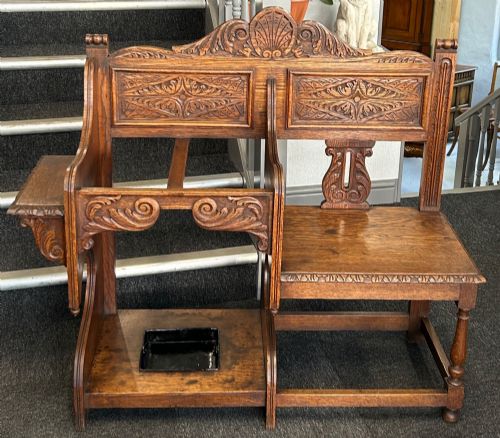
Box settles with integrated storage and narrow hall benches dominate the current forms, reflecting traditional domestic needs for organising coats, boots, and umbrellas within restricted corridor spaces.
Materials and construction methods
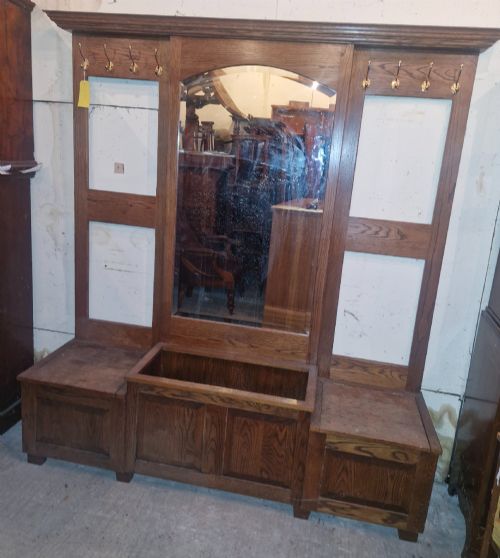
Makers relied primarily on solid oak, frequently paired with secondary timbers like burr elm, alongside structural iron and brass for hinges, hooks, and umbrella wells. Rush seating appears on select chairs, while fabric and leather upholster specific bench pads.
Joinery methods include panelled construction, mortise and tenon joints, and pegged framing designed to withstand heavy daily use in busy entranceways. Surfaces show hand carving, waxed finishes, and natural grain patination developed over generations.
The listings span from the seventeenth century through the Victorian period up to nineteen sixty, utilising oak, brass, iron, leather, and rush.
Judging quality and craftsmanship
The depth and crispness of hand carving distinguish standard production items from superior pieces created by notable cabinetmakers. Relief work, heraldic shield backs, and integrated canopy tops demonstrate greater artisan skill.
Proportion and structural integrity separate fine examples from altered or utilitarian pieces, particularly in box settles and narrow hall seats designed for specific domestic entries. The integration of functional elements such as stick stands and storage compartments affects the overall design cohesion.
GIllows·James Shoolbred & Co.·Liberty
The Oak Entryway Seating Glossary
- Settle
- A wooden bench with a high back, solid arms, and often a closed box base to keep out drafts in a hallway.
- Box settle
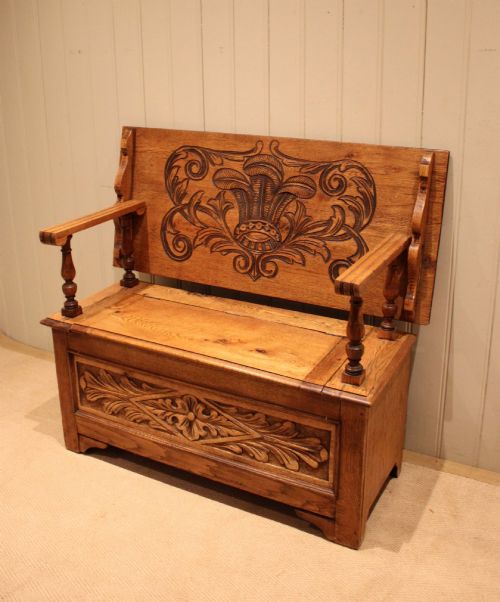
- A bench featuring a hinged seat opening to a storage compartment beneath, suitable for boots and domestic items.
- Hall chair
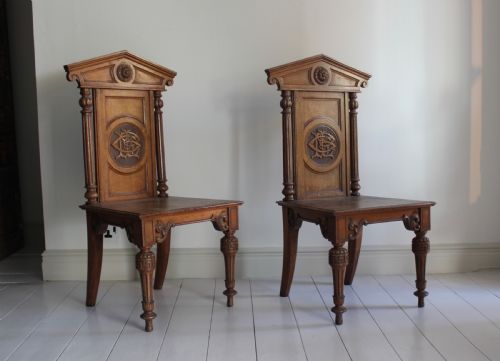
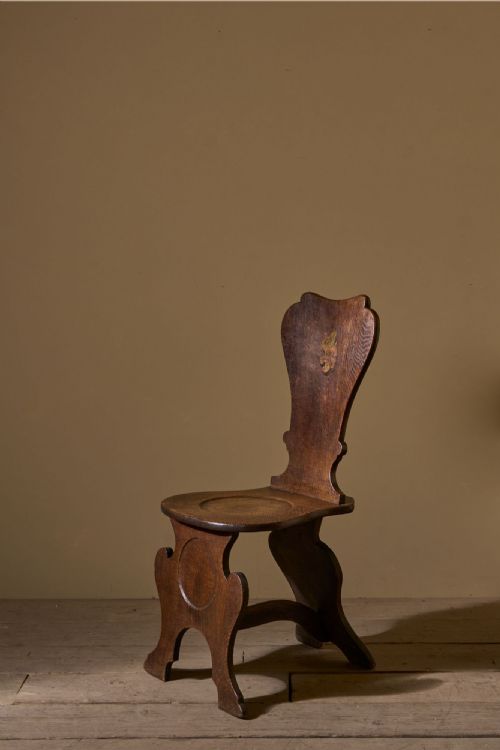
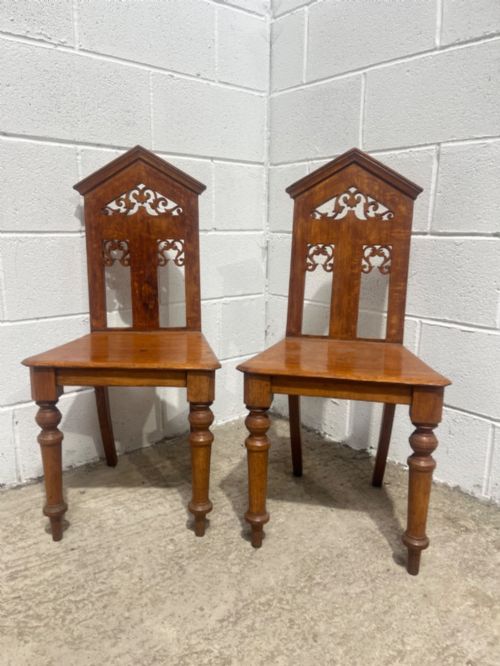
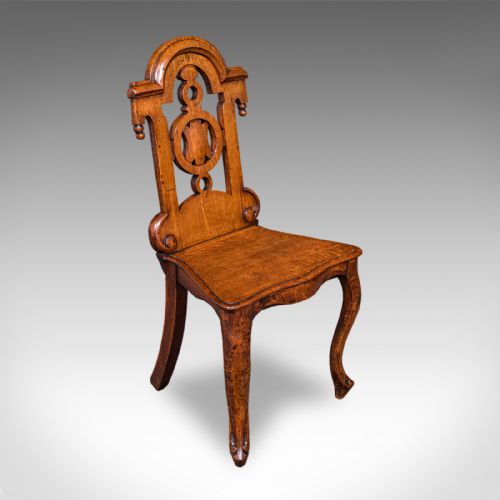
- A rigid, upright wooden seat, frequently featuring a carved or shield-shaped back, meant for occasional use in an entrance hall.
- Monks bench
- A convertible piece of furniture functioning as a bench with a back that folds down to form a table.
- Sgabello
- A Renaissance style of lightweight chair with a high back and solid trestle supports instead of legs.
Oak Entryway Seating: Frequently Asked Questions
What is a box settle?
A box settle is a wooden bench featuring a high back and a compartment beneath the hinged seat. This enclosed space provided practical storage for boots and textiles in historic hallways.
Such pieces combine seating with utility, making them suitable for organising modern entryways without sacrificing period authenticity.
How do I use an oak hall bench?
Oak benches fit well in narrow corridors, mudrooms, and reception spaces where visitors remove outerwear. Many include integrated stick stands or storage boxes for daily organisation.
Placing one near a door creates a functional drop zone while anchoring the room with solid wood character.
What is an Arts and Crafts hall seat?
An Arts and Crafts hall seat emphasises honest construction, exposed joinery, and simpler lines than heavily carved Victorian or Gothic revival alternatives. These pieces often date from around nineteen hundred.
They reflect a movement valuing handmade integrity and plain oak timbers over excessive ornamentation.
How do I identify a Victorian hall chair?
Victorian hall chairs are typically constructed from solid oak with upright backs, often incorporating heraldic shields or carved panels. They were designed for formal reception areas rather than lounging.
The woodwork frequently displays deep relief carving influenced by Gothic or Renaissance revival styles popular during the nineteenth century.