
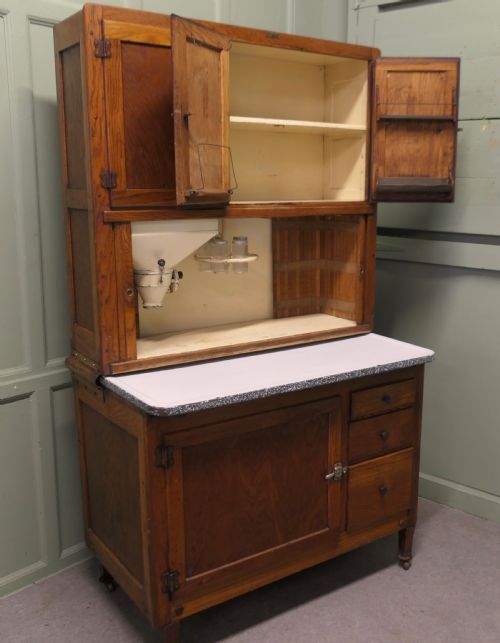
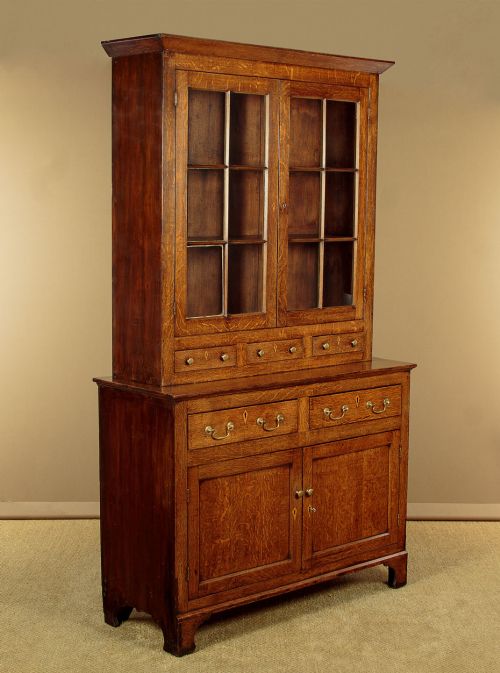
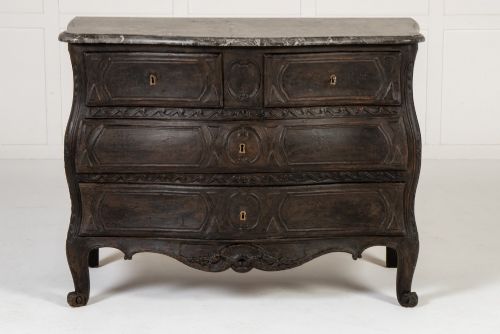
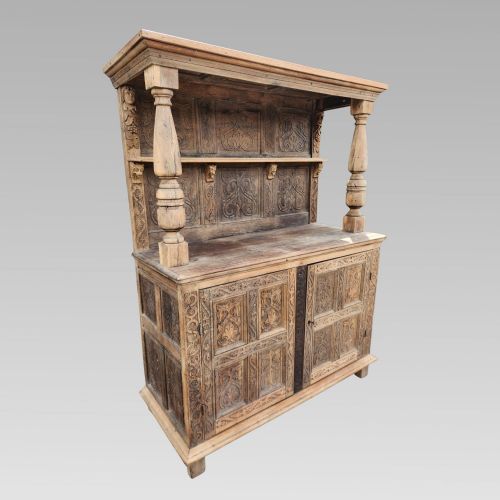
Oak Dresser Top
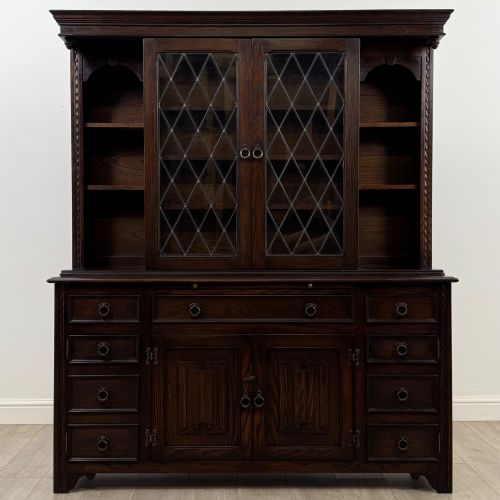
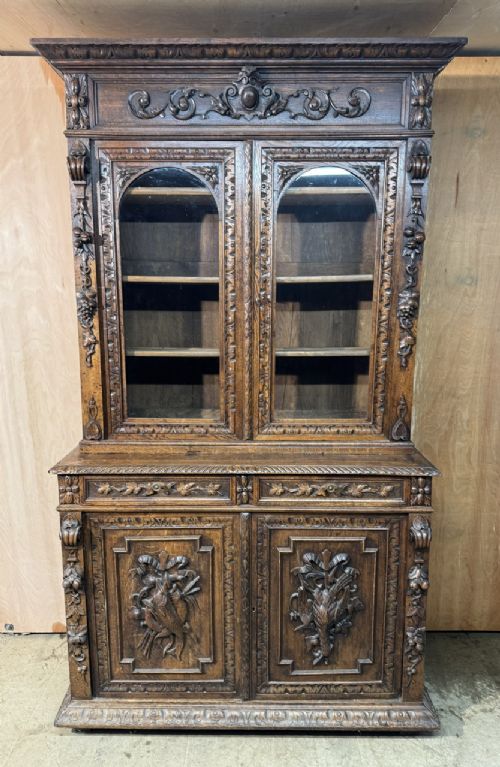
An oak dresser top brings centuries of practical display into a modern interior, offering open shelving or enclosed storage designed to sit above a base unit.
Oak Dresser Top
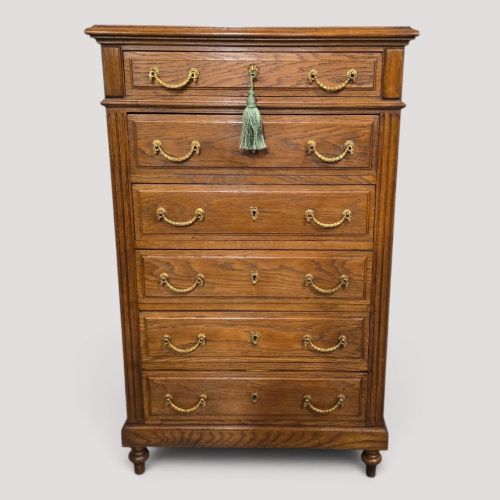
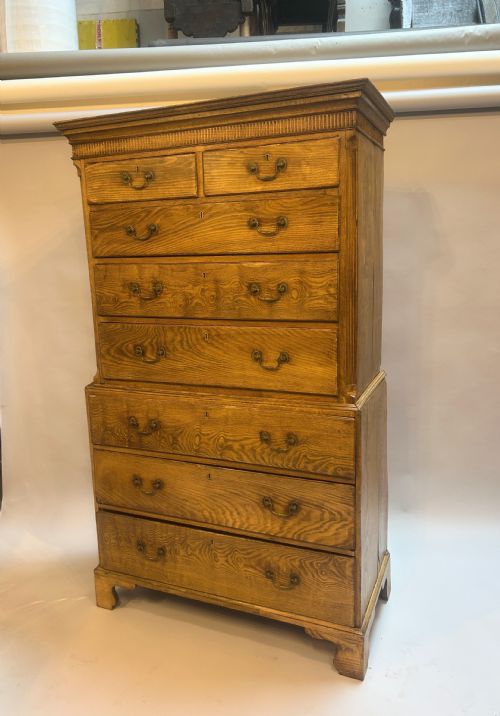
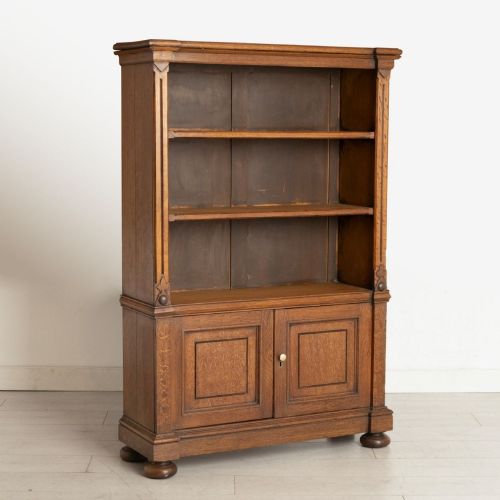
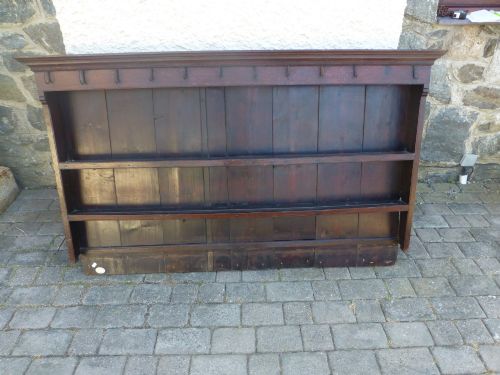
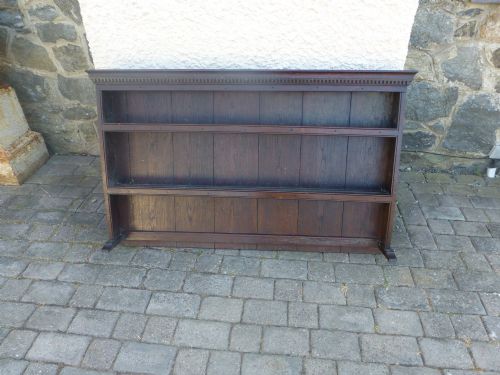
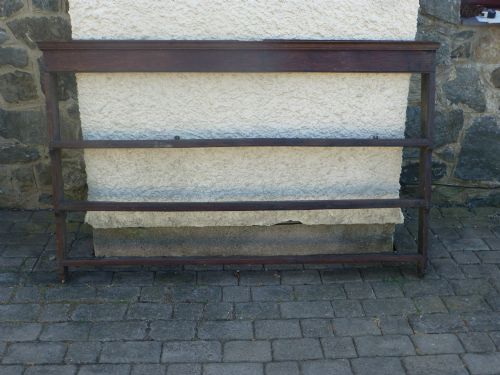
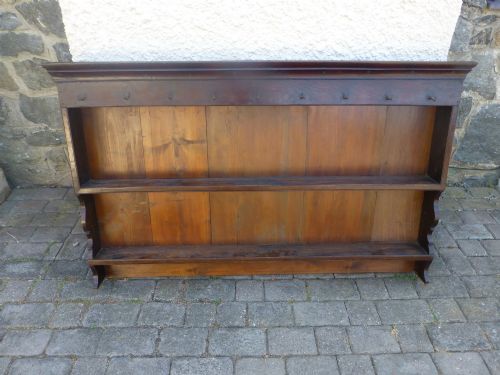
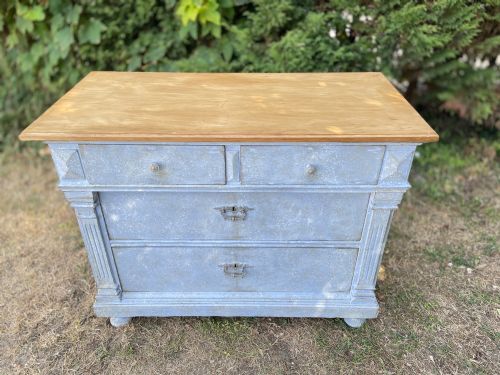
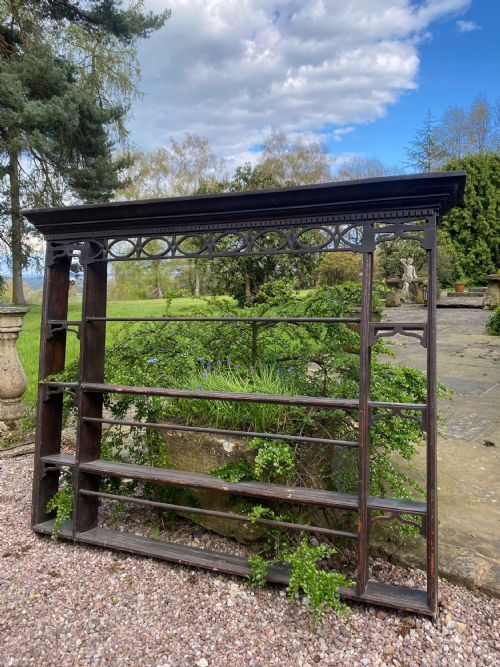
When you search for an oak dresser top, you encounter wall-mounted plate racks, shelf units and upper display cabinets originating from the eighteenth, nineteenth and twentieth centuries. These pieces function as architectural storage for ceramics and books, utilising solid timber construction developed over generations of cabinetmaking.
The most frequent examples on this page are eighteenth-century Georgian and Welsh plate racks alongside nineteenth-century wall shelves and bookcases. They present horizontal shelving configurations designed to exhibit china and kitchenware securely within domestic spaces.
What varies in quality
Quality resides in the integrity of the timber selection and the retention of original surfaces, where undisturbed patination distinguishes superior examples from later restorations. The delicacy of proportion in moulded cornices and the precision of jointing separate utilitarian workshop pieces from finer formal furniture.
The survival of original backboards, hanging fixtures and unaltered shelf heights dictates the historical value of the piece. Superior construction maintains structural rigidity without relying on modern replacement timber or intrusive structural reinforcement.
Some nineteenth-century spice shelves squeezed tiny drawers beneath plate racks, proving that micro-storage obsession predates modern kitchens.
John Moyr Smith·Hudson Bros
The Oak Dresser Top Glossary
- Plate rack
- An open wall-mounted shelving unit featuring grooved plate rails designed to hold ceramic plates upright. This form represents the primary upper section configuration found in country houses.
- Cornice
- The ornamental mouldings running around the top edge of the cabinet or rack. It provides a finished architectural transition between the wall and the timber structure.
- Delft
- A type of tin-glazed earthenware commonly displayed upon eighteenth-century wall racks. The shelving dimensions historically accommodated these specific ceramic plate sizes.
- Commode
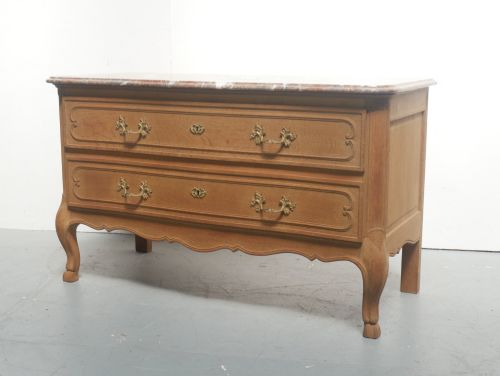
- A low chest of drawers or cabinet originating in French design traditions. Certain listings apply this form alongside upper storage variants.
- Patina
- The surface sheen and colour acquired by oak timber through decades of handling, polishing and exposure to light. This visual depth indicates genuine age.
Oak Dresser Top: Frequently Asked Questions
How do I hang a heavy oak plate rack?
Secure mounting requires anchoring directly into wall studs or masonry using heavy-duty brackets that match the weight capacity of the timber structure. Professional installation ensures the piece supports heavy ceramics safely.
Verify that the original hanging points or reinforced battens are utilised to prevent the wall unit from pulling away under load.
Were dresser tops originally attached to bases?
Many eighteenth and nineteenth-century examples functioned as independent wall-mounted units rather than being physically fixed to a lower sideboard. This modular approach allowed owners to move or repurpose the upper shelving separately.
Over time, some upper and lower sections became permanently united, while others remain distinct hanging furniture forms.
How do I clean and maintain antique oak?
Apply traditional beeswax sparingly with a soft cloth to nourish the timber and maintain the surface sheen without building up sticky residues. Avoid modern silicone polishes that penetrate open wood grains.
Keep the timber away from direct heat sources and drastic humidity fluctuations to prevent splitting or warping in the panels.
How do I date an oak wall rack?
Examine the construction methods, tool marks on the backboards, and the profile of the mouldings to determine the period of manufacture. Eighteenth-century pieces often feature hand-sawn boards and pegged joinery.
Comparative analysis of hardware types, timber shrinkage patterns and regional cabinetmaking styles further clarifies the age of the piece.