
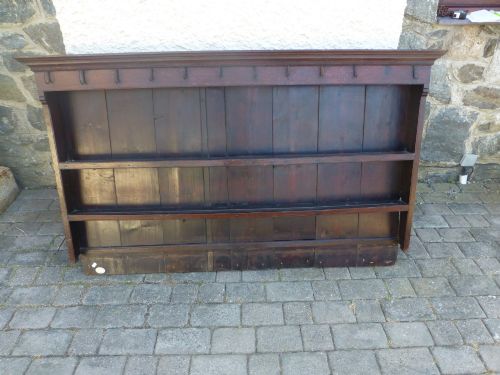
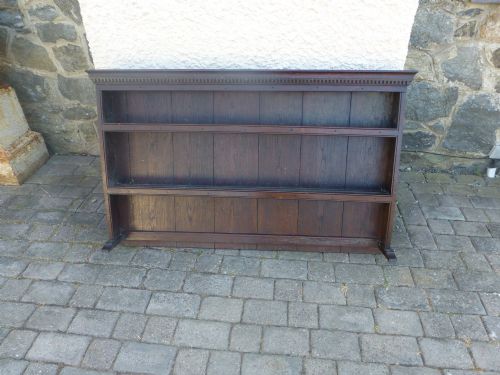
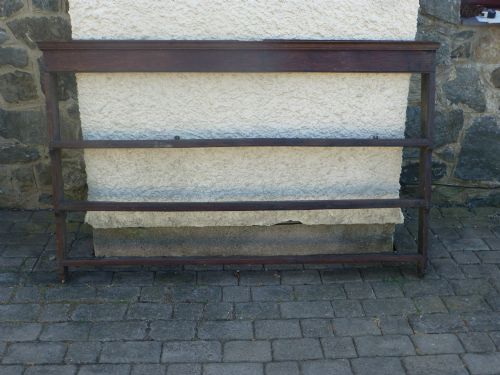
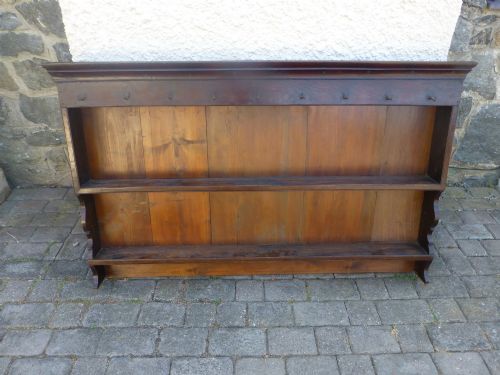

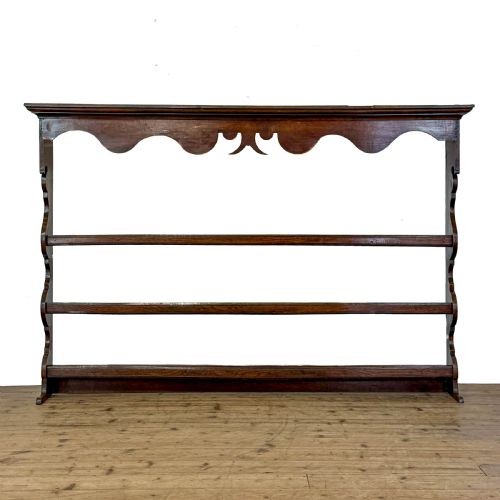
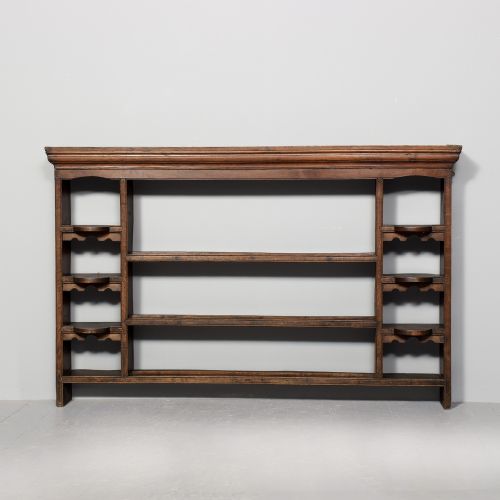


Vintage Wall Plate Rack
A vintage wall plate rack organises display space with traditional utility, bringing timber grain and historic kitchen character directly into modern rooms.
Vintage Wall Plate Rack
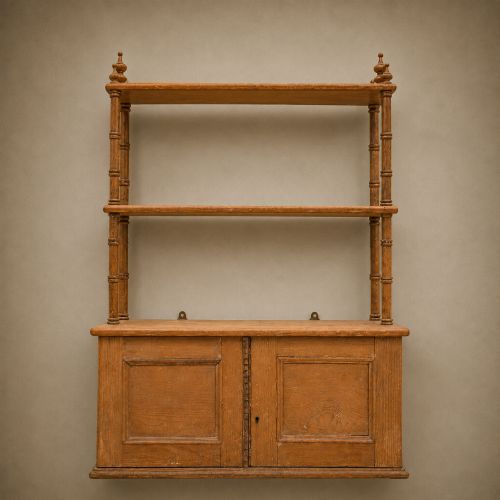
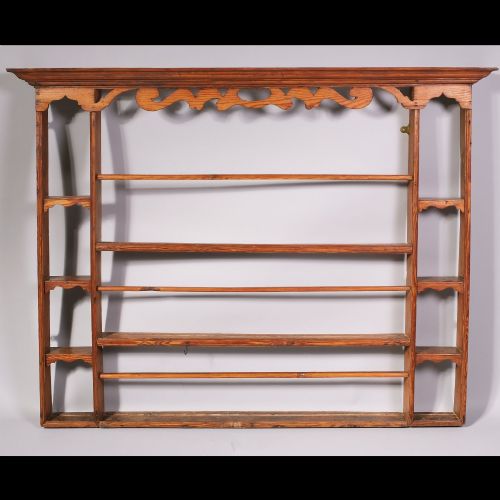
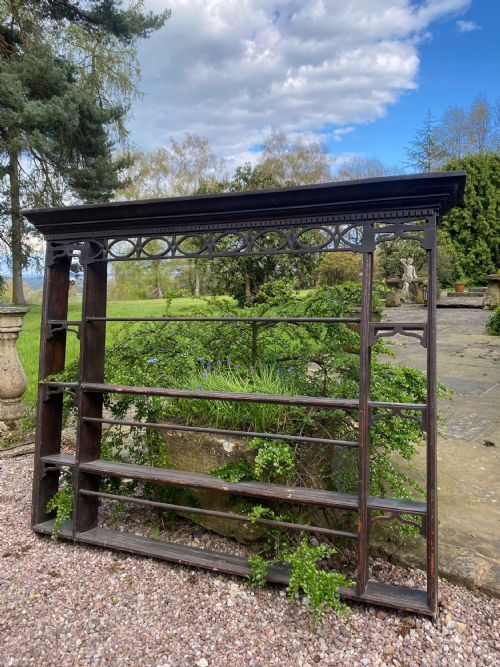
A vintage wall plate rack is a functional timber display unit designed to hold ceramic plates upright against a wall. These pieces range from substantial 18th century oak dresser racks to later Victorian pine shelves and Edwardian painted alternatives.
Buyers will most frequently encounter oak and pine variations spanning the Georgian, 19th century, and Edwardian periods. Many items incorporate hanging shelves or enclosed cupboards alongside traditional plate grooves.
The objects originate from domestic country houses and kitchens where space efficiency and display mattered equally. They serve today both as practical storage and as decorative architectural wall furniture.
How they were made
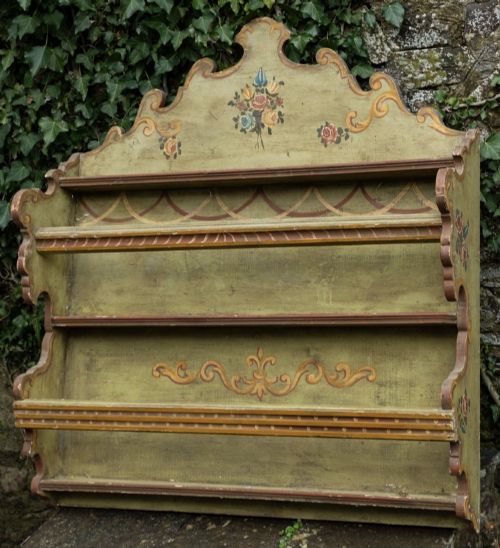
Construction relies heavily on solid timber boards of oak, pine, and mahogany, shaped with hand tools and joined using traditional pegging or dovetailing. Painted wood surfaces often display historic finishes in specific muted tones like Pompeian Ash.
Metal elements such as brass, iron, and nickel plating appear on hanging brackets, mounting plates, and hooks. Glass is utilised selectively in mirrored portmanteau and display variations from the late 19th century onward.
Form variations on this page include standard wall shelves, coat racks, and complete dresser upper sections.
What varies in quality
The distinction between standard utility items and finer examples rests on timber selection and the crispness of architectural mouldings. Solid oak and figured mahogany pieces with intact original backs demonstrate superior workshop standards compared to utilitarian pine.
Proportion and surface patina dictate overall desirability. Pieces retaining unblemished timber grain or early hand-painted surfaces command stronger presence on the wall than heavily altered or stripped equivalents.
The Vintage Wall Plate Rack Glossary
- Delft rack
- A specialised wall-mounted timber shelf featuring a narrow grooved ledge designed to display earthenware plates vertically. These units often form the upper section of a traditional dresser.
- Marquetry
- The art of applying decorative veneer pieces in various woods to create intricate geometric or floral patterns on a surface. This technique appears on selected 19th century display pieces.
- Portmanteau
- A combined wall-mounted hall furniture piece incorporating coat hooks, umbrella storage, and an integrated mirror. Examples from the late 19th century frequently feature original glass plates.
- Hanging shelves
- Open wooden shelving units designed to be secured directly to a wall rather than resting on the floor. They vary from simple multi-tier boards to complex units with cupboards.
Vintage Wall Plate Rack: Frequently Asked Questions
How do I hang a heavy oak plate rack?
Wall attachment requires locating structural studs or masonry fixings capable of supporting the combined weight of timber and heavy ceramic plates. Professional mirror plates or hidden battens are typically employed for secure mounting.
Ensure the fixing brackets anchor firmly into the wall frame rather than plaster alone. Distributing the load across multiple fixing points prevents structural strain on the antique backboards.
Are these racks suitable for modern plates?
Most historic plate grooves accommodate standard dinner plates, though extremely deep or thick contemporary crockery may not sit flush. Measuring the depth of the display channel before loading prevents tipping.
Traditional racks were built for lighter earthenware and delftware. Modern stoneware should be checked for thickness to ensure it rests securely within the timber channel.
How do I clean historic painted wood?
Painted surfaces benefit from gentle dusting with a dry microfibre cloth rather than liquid cleaning agents. Moisture can damage delicate historic paint layers and traditional finishes.
Avoid chemical solvents or abrasive pads entirely. Preserving the original pigment requires minimal intervention and careful handling during routine maintenance.
How do I date an antique wall rack?
Dating relies upon examining timber species, construction joints, and fastener types such as hand-cut nails or early screws. Georgian and 18th century examples typically show pegged mortise and tenon joinery in oak.
Later Victorian and Edwardian pieces often incorporate machine-sawn pine or alternative hardwoods like mahogany and cherry. Stylistic markers such as Arts and Crafts or Deco details further narrow the period of manufacture.