





Oak Desk Compendium
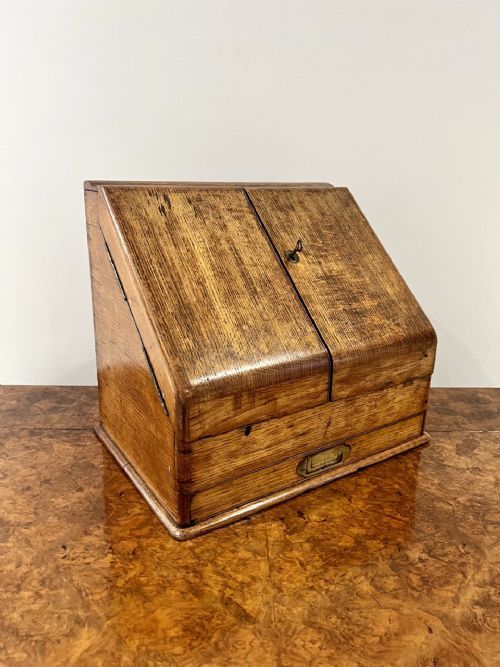
An oak desk compendium gathers correspondence and writing gear in timber, keeping a desktop orderly with hinged lids and fall fronts.
Oak Desk Compendium
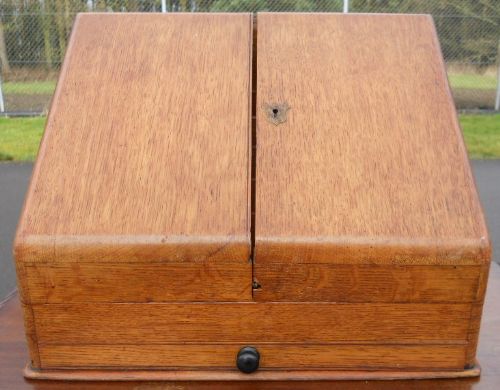
An oak desk compendium covers desktop storage forms like stationary boxes, stationery cabinets, and writing boxes designed for correspondence. These pieces turn up frequently in Victorian and Edwardian iterations, reflecting the heavy correspondence of those eras.
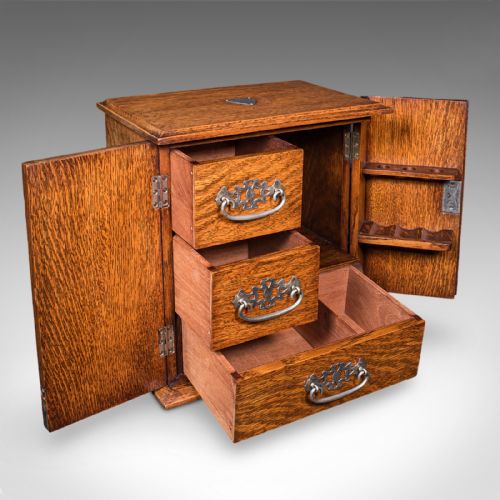
Makers often fashioned these compendiums in golden oak, light oak, or dark oak, occasionally incorporating brass hardware or glass inkwells. Forms range from simple fall front desk tidies to elaborate smoking cabinets and architectural desk clocks.
Buyers encounter variations spanning from plain utilitarian boxes to Arts and Crafts designs with distinctive metal hinges. The selection includes architectural items and campaign pieces intended for travel.
Materials and construction
Joiners built these compendiums using solid oak timbers, applying brass for locks, escutcheons, and strap hinges. Interiors often feature leather panels, fabric linings, and paper components to hold stationery neatly.
Cabinetmakers utilised dovetailed joints for box construction to ensure durability through daily desktop use. Fall fronts and hinged lids required precise carpentry so compartments operated smoothly over decades.
Oak Desk Compendium Retail Price Guide 2026
Typical asking prices for oak desk compendium among the pieces listed under this phrase on Sellingantiques today, from the lower quarter to the upper quarter. They describe what is for sale here now, not the wider market.
Listings feature oak alongside brass, glass, and leather across Victorian and Edwardian periods.
Assessing quality
Quality rests in the selection of the oak grain and the crispness of any carved or architectural details. Plain functional boxes sit at one end, while architectural pieces with fitted interiors and working brass locks occupy the other.
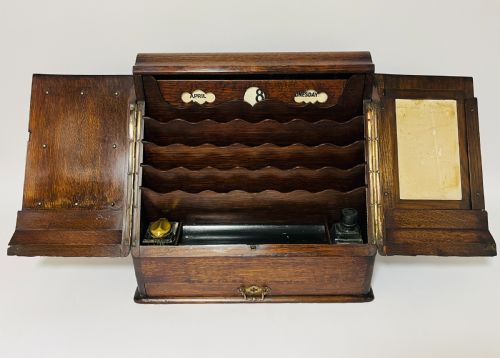
The integration of secondary materials like glass inkwells or cast iron elements alters the character of the piece. Better examples display careful attention to internal arrangement, such as adjustable dates and dedicated pen trays.
The Oak Desk Compendium Glossary
- Stationery box
- A desktop container designed to hold writing paper, envelopes, and small accessories upright. These boxes usually feature hinged lids or fall fronts.
- Fall front
- A hinged panel that drops forward to reveal internal compartments and pigeon holes. This mechanism provides quick access to correspondence.
- Campaign compendium
- A portable writing desk or box built for travel with folding sections and recessed brass handles. These items were designed to withstand movement.
- Arts and Crafts
- A design style emphasising handcraftsmanship, simple forms, and honest materials. Pieces in this style often display exposed joinery and hammered metal fittings.
Oak Desk Compendium: Frequently Asked Questions
What is an oak desk compendium?
An oak desk compendium is a tabletop container or cabinet built to organise letters, envelopes, and writing implements. They serve as compact storage units for personal correspondence.
These pieces appeared in various forms during the nineteenth and early twentieth centuries. They keep workspaces tidy while showcasing period woodwork.
How were stationery boxes used?
Users stored writing paper, envelopes, and stamps inside the compartments of a stationery box. The fall fronts and sloping lids provided immediate access to daily correspondence.
Many examples included slots for blotting paper and small drawers for nibs and sealing wax. They sat permanently on desks in studies and drawing rooms.
How do I date an oak desk compendium?
Dating relies on observing the timber finish, hardware style, and construction methods. Victorian pieces often display heavier proportions and brass mounts, while Edwardian examples can be lighter.
Makers sometimes incorporated patented mechanisms like adjustable date calendars or folding supports. These additions help narrow the decade of manufacture.