
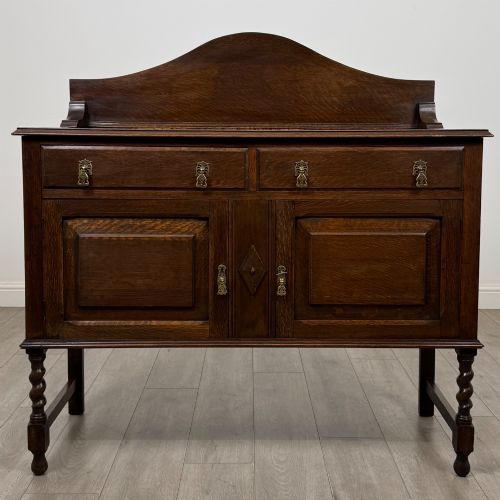
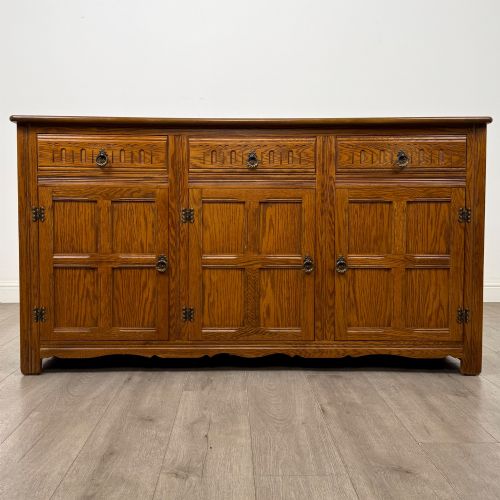
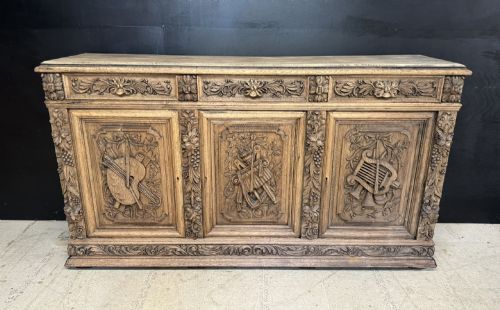
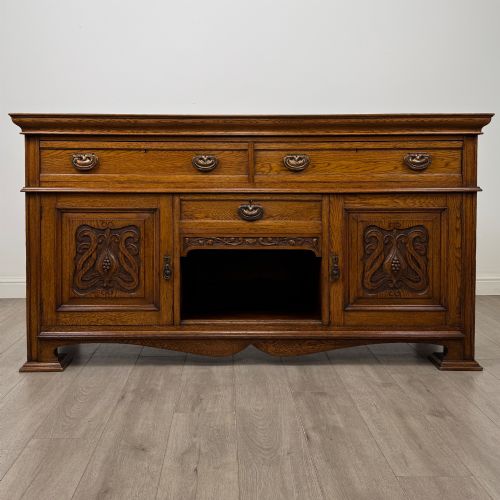
Oak Credenza Cabinet
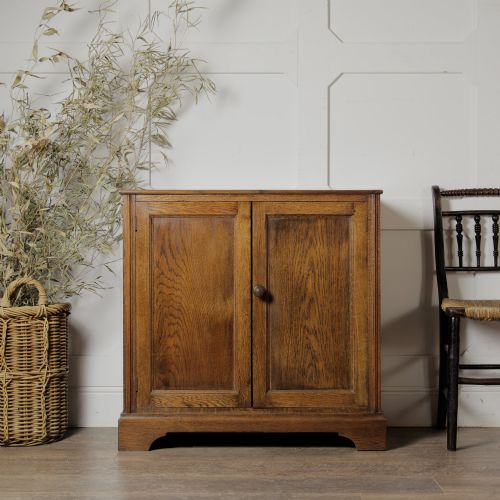
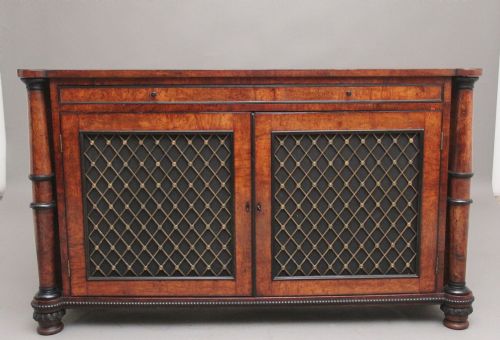
Oak credenza cabinet pieces bring heavy timber presence and historical utility to a room, offering sturdy storage across several periods.
What oak credenza cabinet pieces are
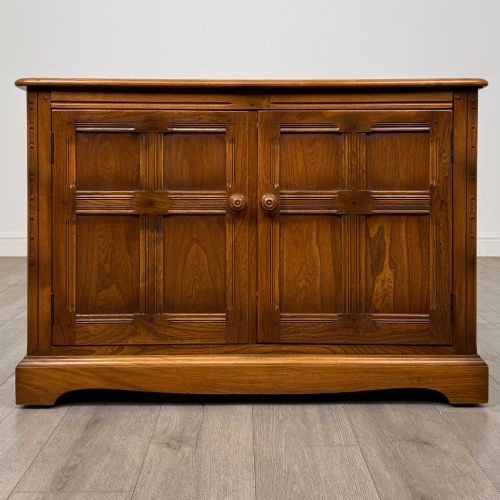
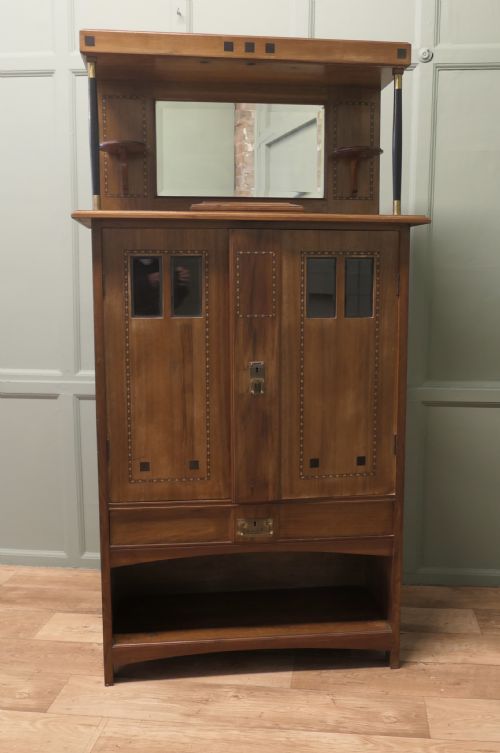
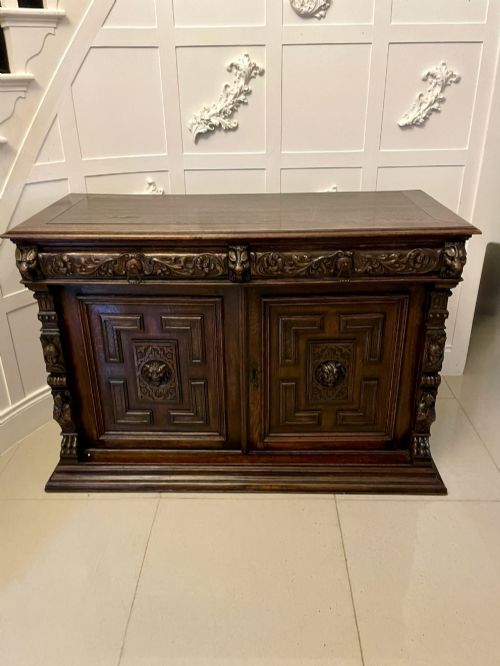
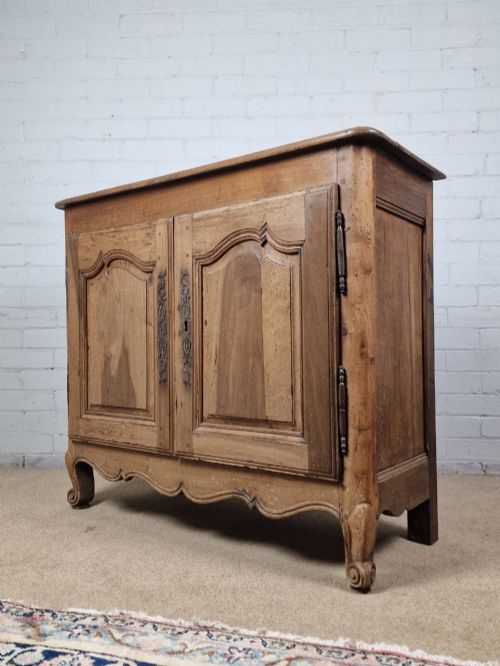
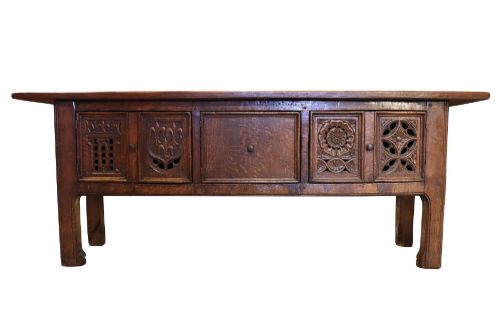
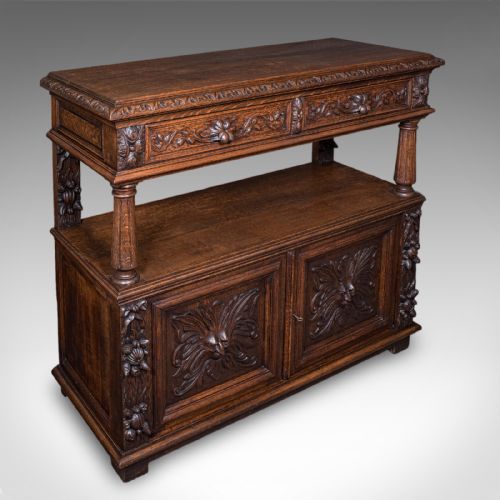
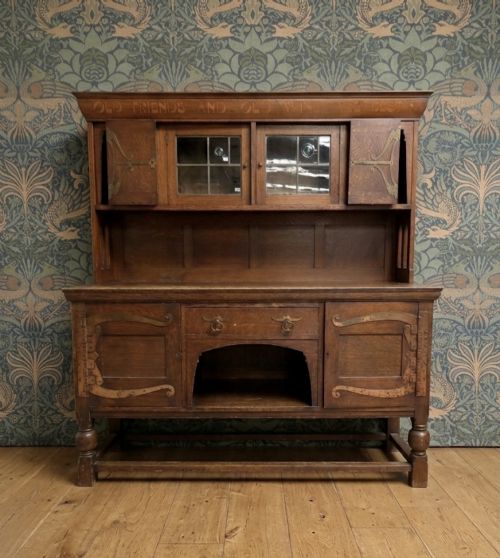
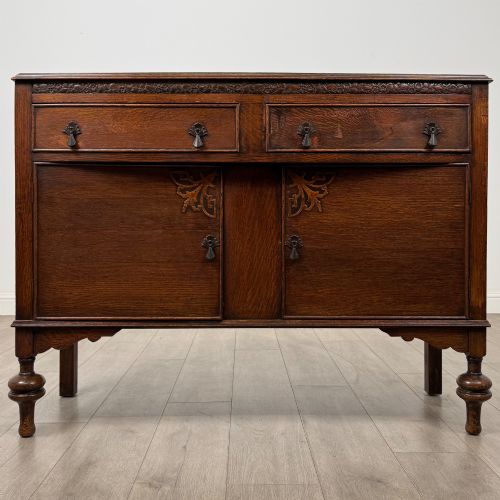
When you search for an oak credenza cabinet, you encounter substantial storage furniture primarily described as sideboards, dresser bases, and buffets. These items serve dining rooms and hallways where large surface areas and enclosed storage are required.
The pieces listed on this page span the Georgian, Victorian, and Edwardian eras, alongside an example dated around eighteen sixty. You meet both rustic country forms and more formal Scottish grand designs.
Elm and pollard oak appear alongside the primary timber, and brass fittings frequently complete the hardware. Each era brings distinct proportions and decorative turning to these heavy wooden units.
How they were made
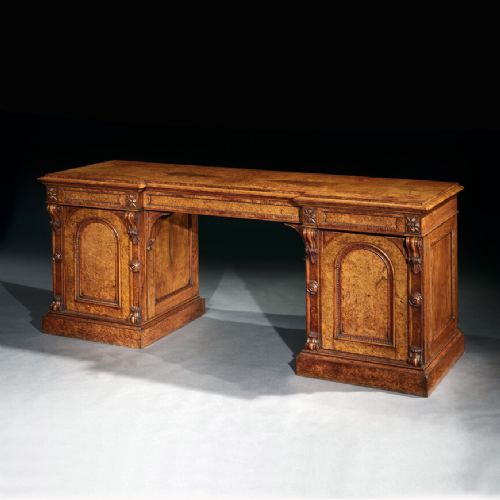
Cabinetmakers built these items using solid oak, frequently combining it with secondary woods such as elm for internal or structural components. Pollard oak also appears, utilising the figured grain of pollarded trees for decorative surface impact.
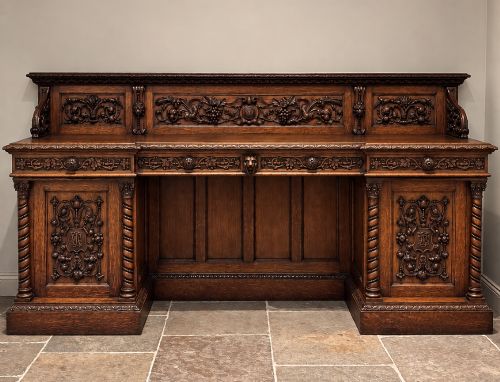
Hardware consists of brass handles and hinges fixed to heavy timber doors and drawers. Turnery techniques produced details like barley twist supports, showcasing manual lathe work typical of the Edwardian period.
Retail Price Guide 2026
Typical UK retail prices for oak credenza cabinet, calculated from the Sellingantiques database of over a million retail prices indexed since 2003. This retail price guide relies exclusively on Sellingantiques data; no external sources or auction records are used, so the figures do not describe the wider market.
Barley twist legs make even the most serious Victorian dining room look like it is ready to dance.
What varies in quality
Quality rests upon the selection of timber and the complexity of the cabinetry. A piece featuring pollarded oak veneers or well-figured grain demonstrates higher ambition than plain boards.
The sophistication of the turning and the retention of original brass hardware distinguish finer examples. Structural integrity in heavy timber forms ensures the piece holds its weight and function over centuries.
The Oak Credenza Cabinet Glossary
- Credenza cabinet
- A long, low sideboard or buffet designed for serving food and storing dining ware. This form provides substantial top surface space.
- Dresser base
- A lower kitchen or dining cabinet featuring drawers and cupboards without upper shelving. These typically originate from the Georgian period.
- Pollard oak
- Timber taken from trees that were cut back near the trunk, producing highly figured, mottled grain patterns. Cabinetmakers utilised this wood for decorative veneering.
- Barley twist
- A type of spiral turning resembling a twisted rope, carved into wooden furniture legs and supports. This decorative detail is common in Edwardian pieces.
Frequently Asked Questions
Where should I place an oak credenza cabinet?
These heavy wooden units suit dining rooms, large hallways, or living spaces where they provide both surface display and deep storage.
Ensure the room has sufficient floor space to accommodate their substantial depth and length without blocking movement.
How do I care for antique oak furniture?
Maintain the timber by applying natural beeswax occasionally to nourish the grain and protect the surface from drying out.
Keep the cabinet away from direct heat sources and strong sunlight to prevent the oak from splitting or warping.
How can I identify an Edwardian barley twist sideboard?
Look for spiral-turned wooden columns supporting the structure or framing the lower sections, which became popular during the early twentieth century.
Edwardian pieces often combine lighter oak tones with crisp joinery while retaining traditional cabinet proportions.