

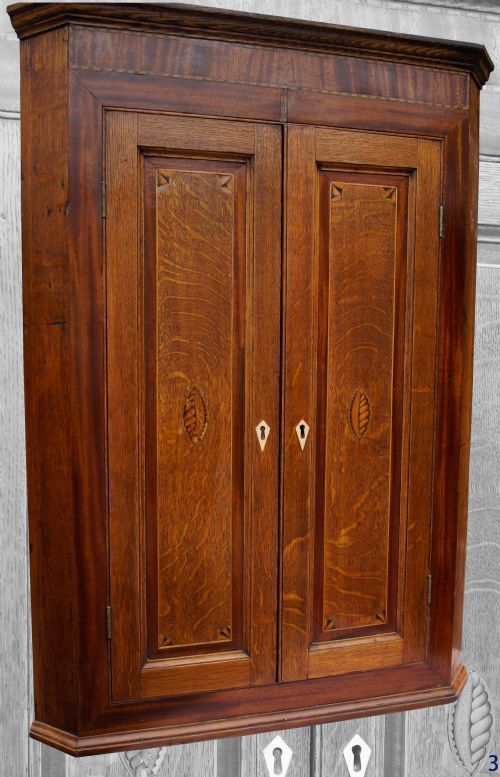
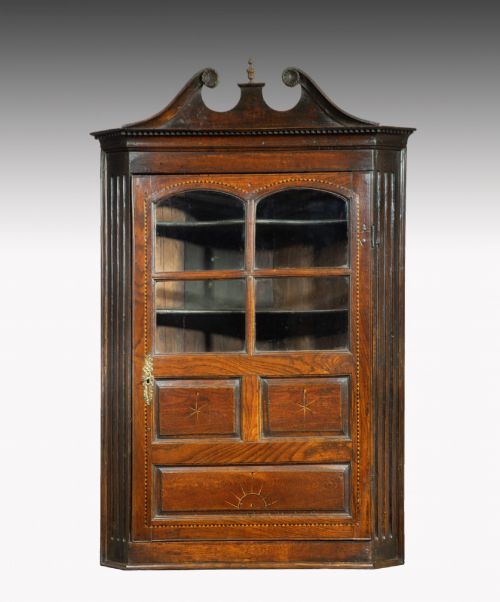


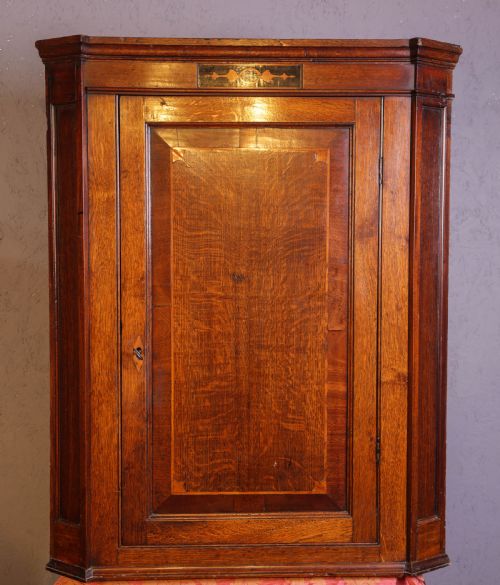


Oak Corner Wall Cupboard
An oak corner wall cupboard provides practical storage by fitting snugly into unused room angles, combining period craftsmanship with daily utility.
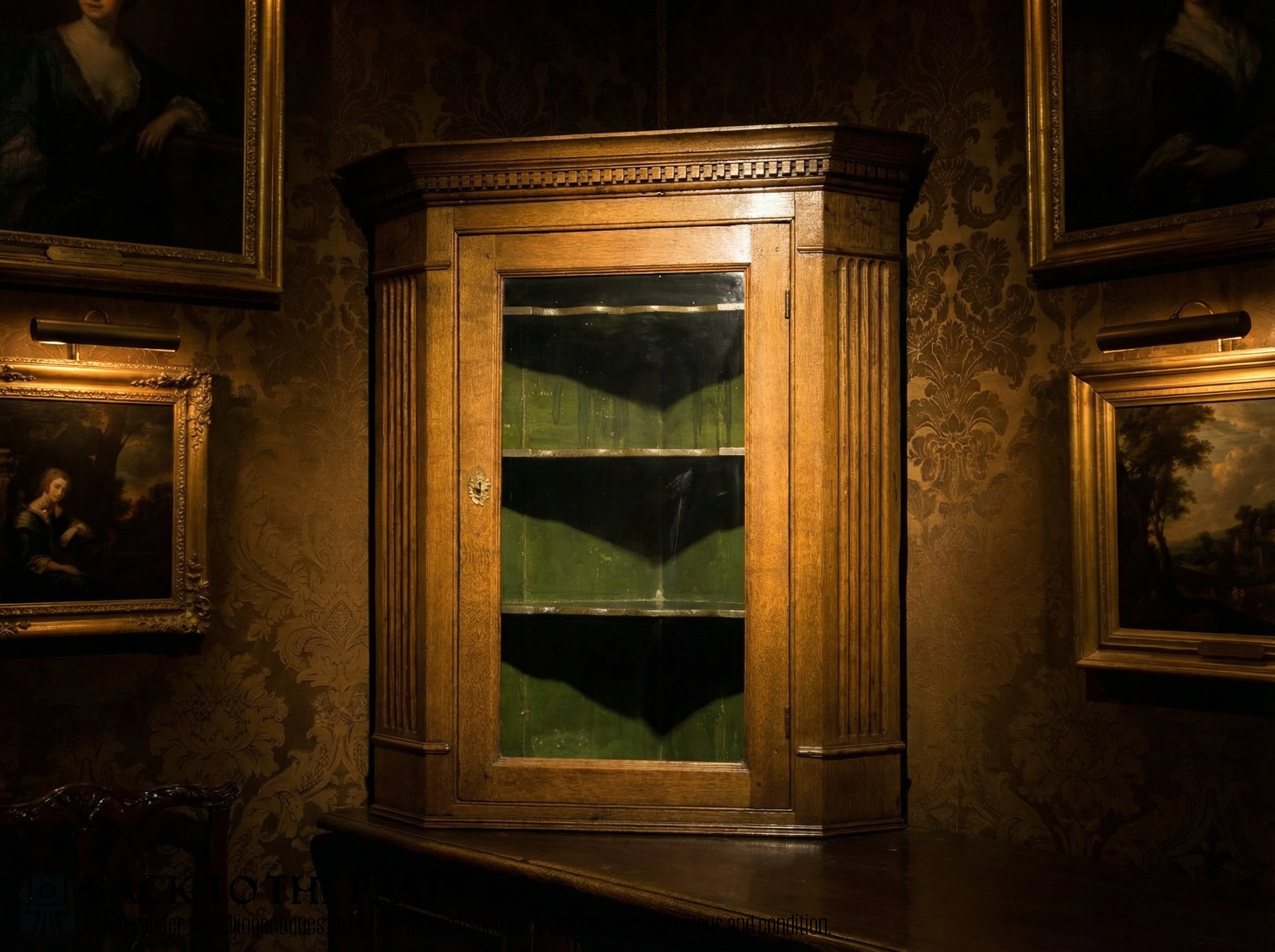
Oak Corner Wall Cupboard
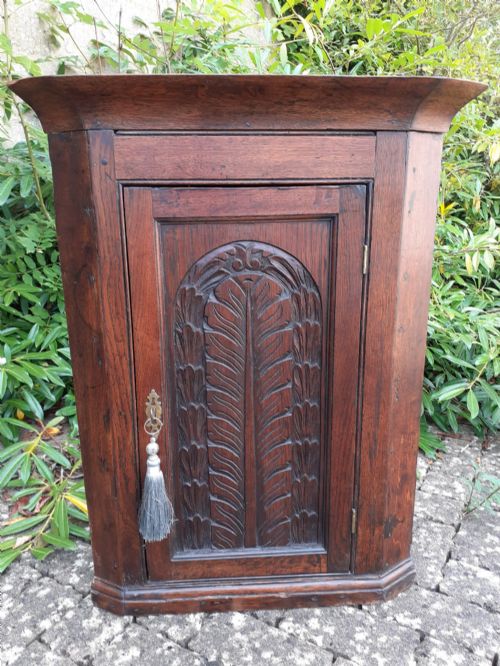
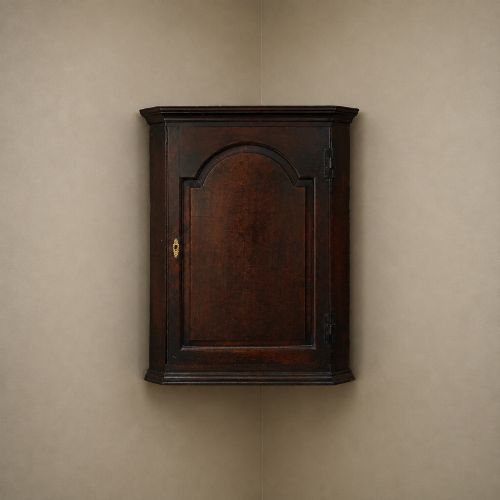
An oak corner wall cupboard is designed to utilise empty domestic angles, most commonly encountered in hanging wall-mounted formats dating from the Georgian and Victorian periods.
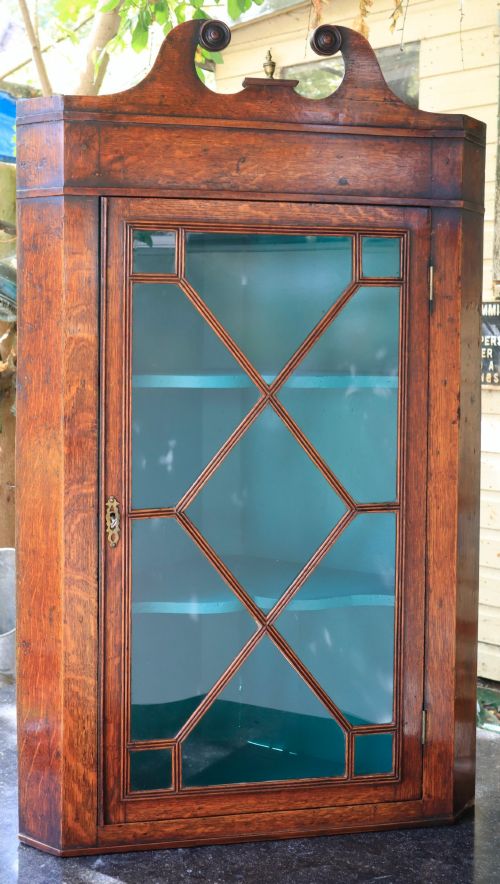
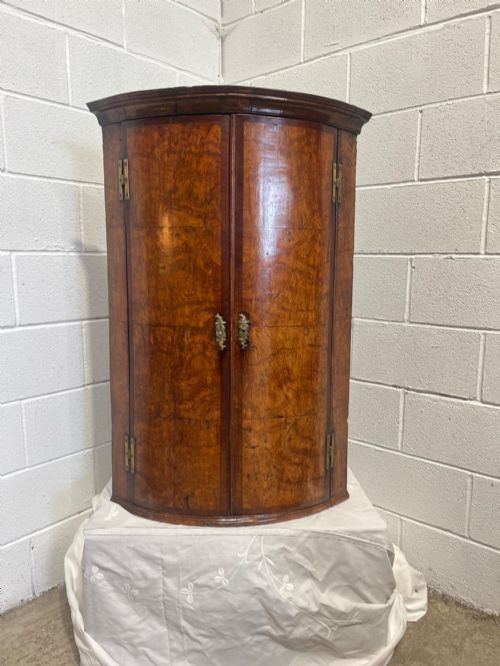
Pieces range from plain provincial kitchen units to sophisticated bow front cabinets featuring glazed doors or internal shaped shelves.
The architectural form allows the furniture to anchor a room without consuming floor space, fulfilling both decorative and storage functions.
Materials and construction methods
Cabinet makers utilised solid timber, frequently selecting oak as the primary carcase material, sometimes enhanced with burr oak or fruitwood and mahogany crossbanding for visual contrast.
Secondary decorative elements include brass hinges and escutcheons, alongside iron hardware on earlier provincial examples.
Joinery techniques span from pegged frame construction on 18th-century pieces to later veneered and inlaid surfaces seen in Edwardian and Arts and Crafts iterations.
Oak Corner Wall Cupboard Retail Price Guide 2026
Typical asking prices for oak corner wall cupboard among the pieces listed under this phrase on Sellingantiques today, from the lower quarter to the upper quarter. They describe what is for sale here now, not the wider market.
The listings demonstrate that oak corner wall cupboards span from early 18th-century vernacular pieces to 1930s Cotswold School interpretations.
Differentiating standards of execution
Quality rests upon the selection of timber grain, where highly figured burr oak or carefully matched crossbanding elevates the visual impact beyond plain utility.
The refinement of internal shelving, such as shaped or butterfly profiles, distinguishes bespoke workshop output from standard provincial production.
Structural integrity relies on the retention of original brass hardware, tight door joints, and undisturbed backboards appropriate to the period.
The Oak Corner Wall Cupboard Glossary
- Crossbanding
- A strip of veneer applied to the border of a panel, running perpendicular to the grain of the central timber.
- Bow front
- A convex curved cabinet facade that softens the rigid angles typically associated with corner furniture.
- Astragal glazed
- A glass door divided into smaller panes by wooden glazing bars, commonly seen on display variations.
- Provincial
- Describing furniture made in regional workshops outside major metropolitan centres, often displaying robust vernacular traits.
- Escutcheon
- A protective plate surrounding a keyhole, frequently cast in brass on period cabinetry.
Oak Corner Wall Cupboard: Frequently Asked Questions
How do I hang a heavy oak corner cupboard safely?
These cabinets require secure attachment directly into structural wall studs or masonry using appropriate fixings suited to the weight of the timber.
Because the design concentrates weight at the diagonal corner point, ensure the internal hanging brackets or screw points are thoroughly checked before loading the shelves.
What is the difference between flat front and bow front models?
Flat front cupboards present straight sides meeting at a right angle to fit precisely into a room corner, representing the standard vernacular layout.
Bow front versions project outward in a gentle curve, offering slightly more internal depth and a more decorative exterior profile popular in the late 18th century.
Were these cabinets meant for the kitchen or living room?
Historical examples served multiple domestic spaces, acting as spice cupboards in kitchens, display units for china in parlours, or private storage for bottled spirits.
Their placement depended largely on the social status of the household and whether the door was solid oak or glazed for exhibition.
How do I distinguish an 18th-century piece from a later revival?
Eighteenth-century examples typically show hand-cut joinery, pegged framing, and timber shrinkage consistent with age, whereas Victorian revivals often utilise machine-sawn backing boards and standardised hardware.
Examining the interior timber surfaces and drawer construction helps reveal the true period of manufacture.