
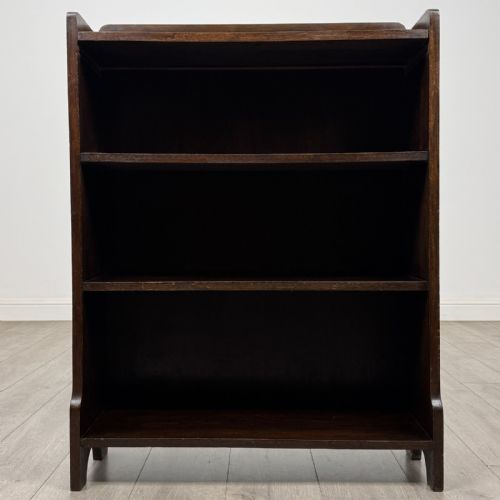
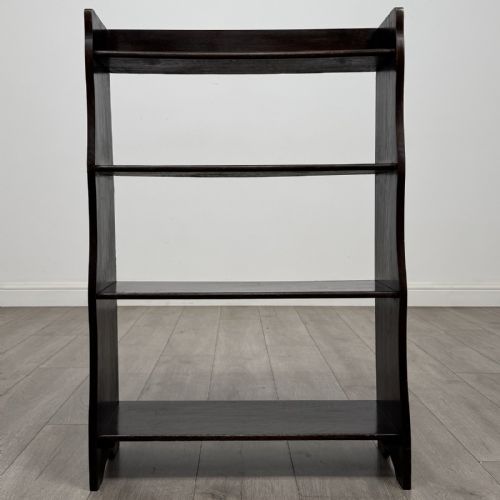
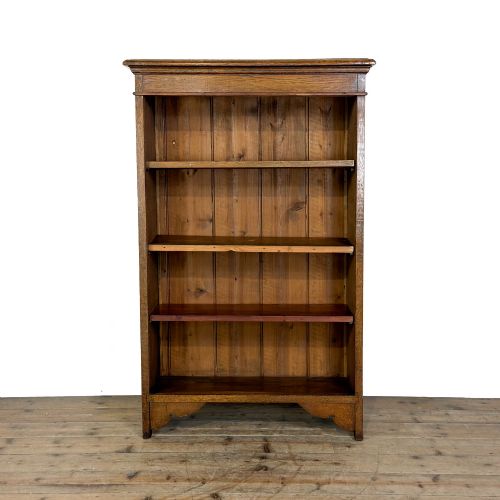
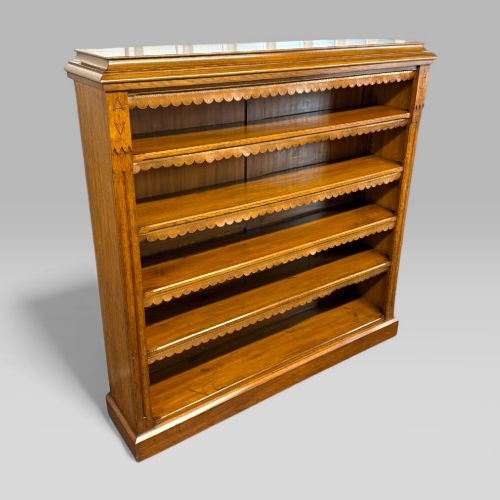
Oak Bookshelf Unit
An oak bookshelf unit brings grounded character and practical storage to a room, ranging from simple open shelving to carved Edwardian designs.
Oak Bookshelf Unit
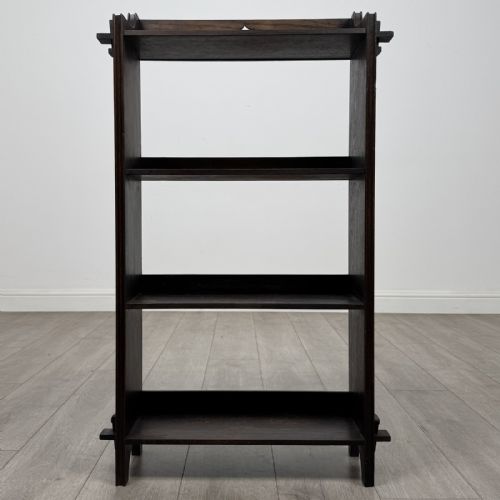
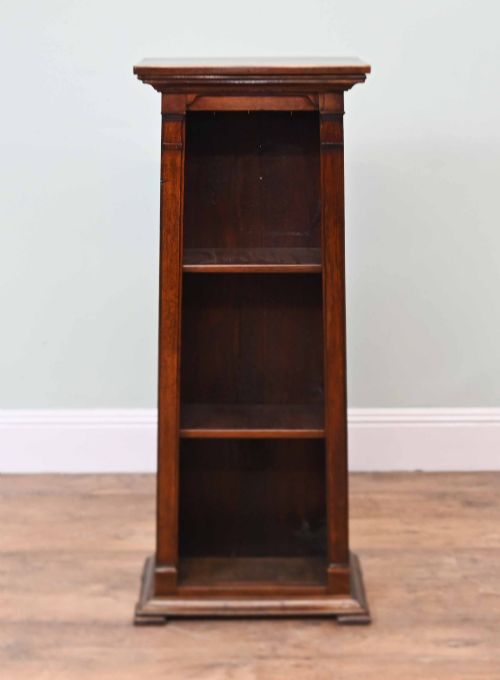
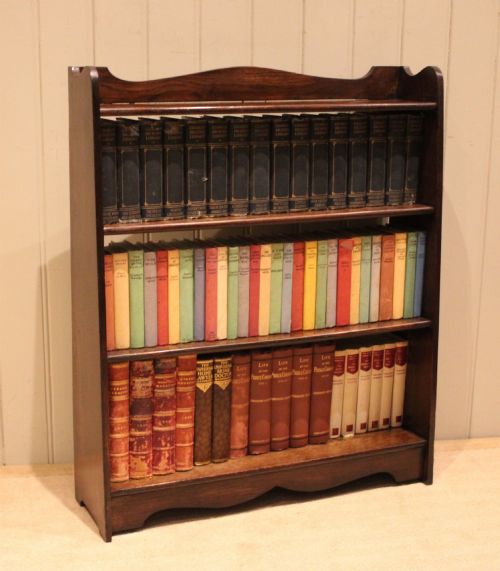
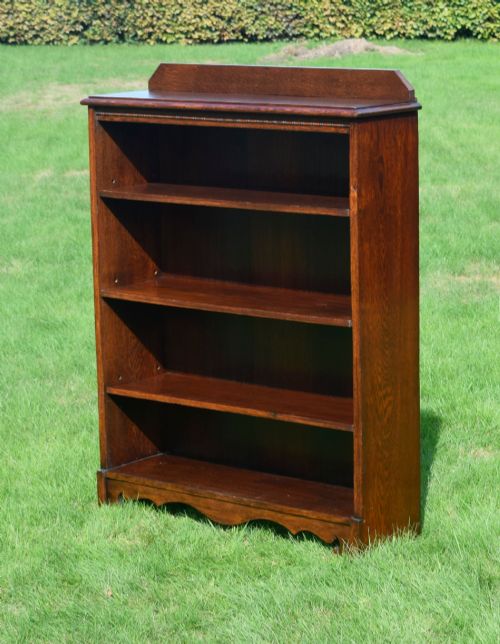
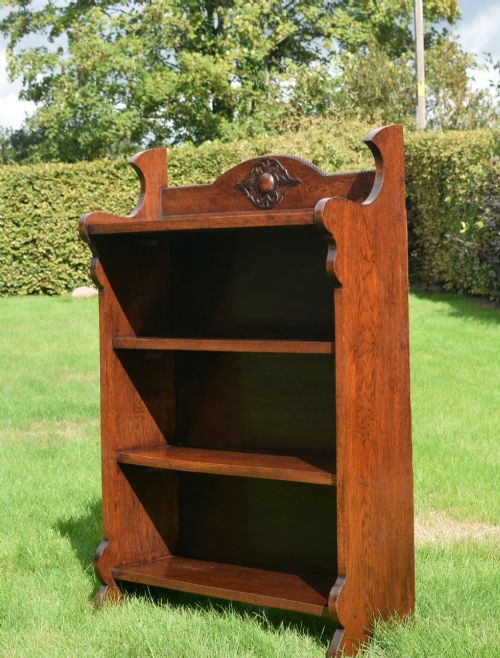
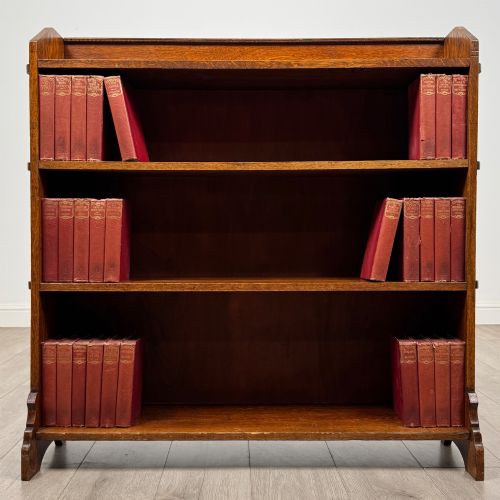
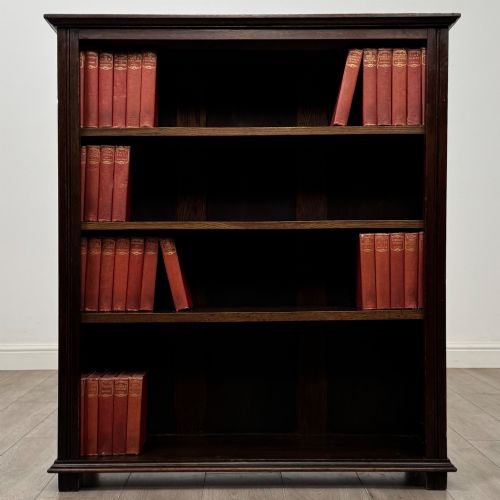
An oak bookshelf unit provides sturdy shelving for collections of books and display items, drawing from domestic and library furniture traditions spanning the Victorian era through the Art Deco period. When searching for an oak bookshelf unit, buyers encounter formats that include slim open bookcases, pieces featuring raised galleries, and designs combined with lower cupboard doors.
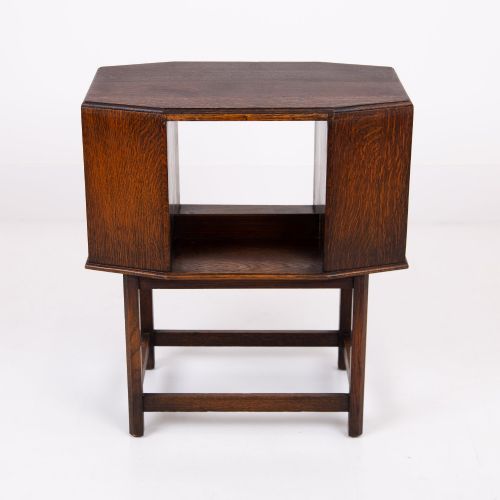
The majority of pieces originate from the Edwardian period and the 1920s, alongside examples from the late 19th century, Victorian era, and 1930s. These range from compact small bookcases to large open library bookcases and angled forms.
Stylistic influences vary significantly across the selection, encompassing Arts and Crafts simplicity, Gothic Revival elements, Aesthetic Movement details, and modern Art Deco lines. Some examples incorporate functional adjustments such as adjustable shelves or leather tops.
Assessing Quality and Character
The integrity of the construction, including the stability of adjustable shelving mechanisms and the integration of secondary materials like brass or iron, separates standard utility items from more considered cabinet work.
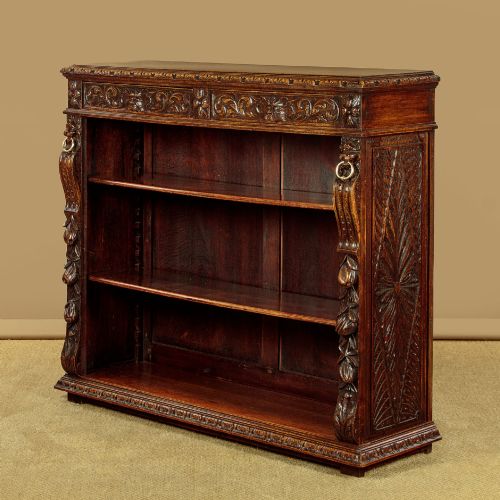
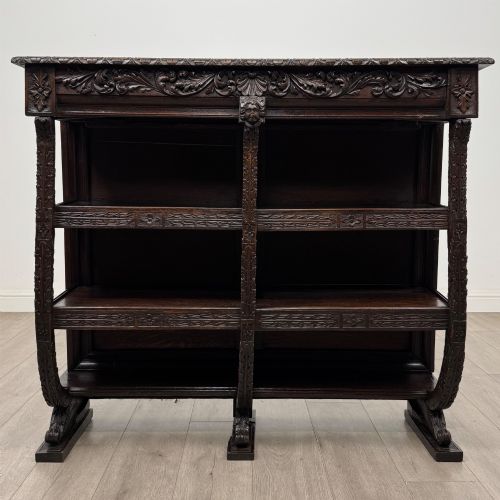
Keep an eye out for hidden green men peering through the oak foliage.
The Oak Bookshelf Unit Glossary
- Raised gallery
- A low decorative railing or raised edge running along the top surface of a bookcase. This feature prevents items from sliding off and adds an architectural finish to the piece.
- Arts and Crafts
- A design movement prioritising traditional craftsmanship, visible construction methods, and simple forms. Pieces from this tradition often display honest oak joinery and minimal ornamentation.
- Ebonised
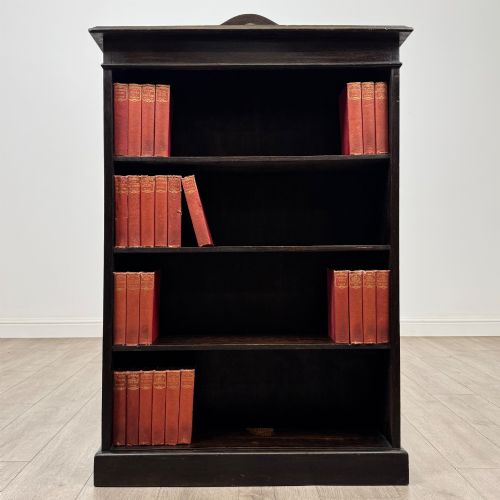
- Wood treated with a dark finish to imitate ebony. This technique was frequently utilised on Victorian carvings and decorative highlights.
- Green man
- A sculptural architectural ornament depicting a human face entwined with foliage. It appears commonly on carved Victorian and revival furniture.
- Aesthetic Movement
- A late 19th-century design approach focused on visual beauty rather than narrative meaning. It produced refined furniture forms with careful attention to material and proportion.
Oak Bookshelf Unit: Frequently Asked Questions
What periods do these bookcases come from?
The selection spans the late 19th century, Victorian era, Edwardian period, 1920s, and 1930s. Pieces reflect the prevailing design movements of their respective decades.
Early examples often display Gothic Revival or Arts and Crafts influences, while later pieces lean towards Art Deco or simpler modernist forms.
Are the shelves adjustable?
Many of the open bookcases include adjustable shelving to accommodate varying book sizes. This practical feature appears across multiple Edwardian and Victorian examples.
Buyers should inspect specific listings to confirm whether the shelves are fixed in place or movable.
What is golden oak?
Golden oak refers to timber finished with a warm, honey-toned lustre that highlights the natural grain of the wood. It became particularly popular during the Edwardian period.
This finish gives the furniture a bright and inviting appearance compared to darker fumed or ebonised oak.
Do these units include cupboards?
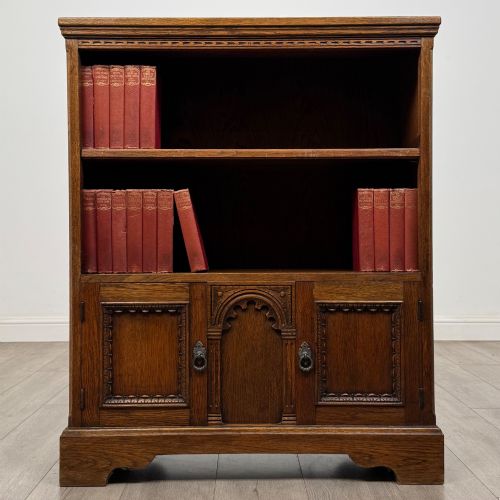
Certain designs combine open upper shelving with enclosed cupboard doors at the base. These provide concealed storage alongside display space.
Such configurations are frequently found on smaller Victorian and Edwardian pieces.