
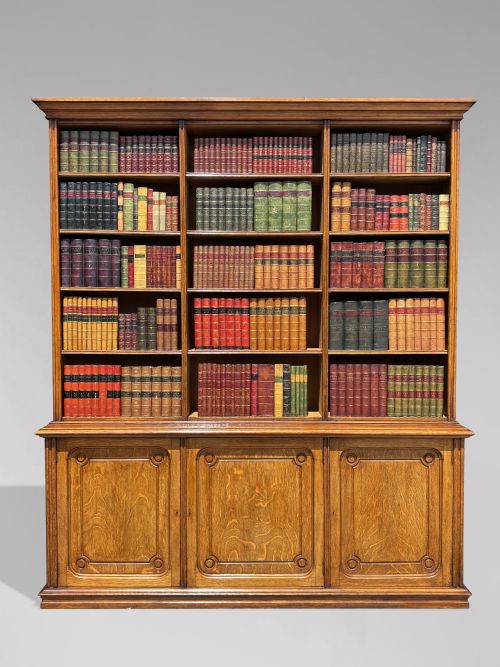
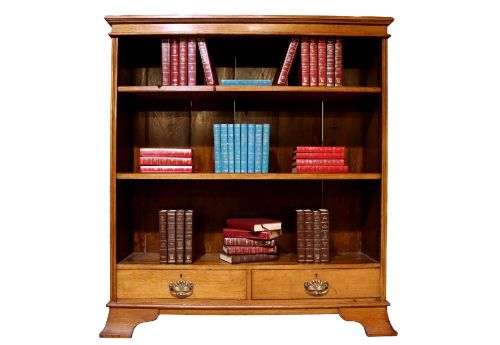
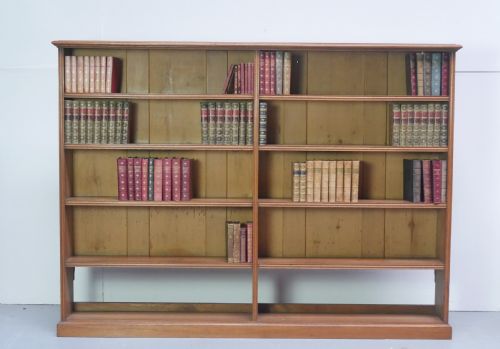

Victorian Oak Display Unit
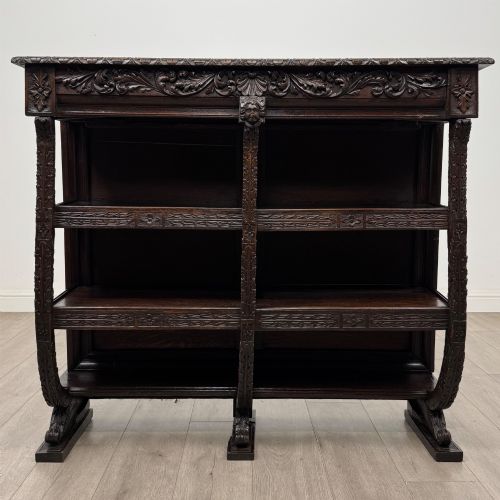
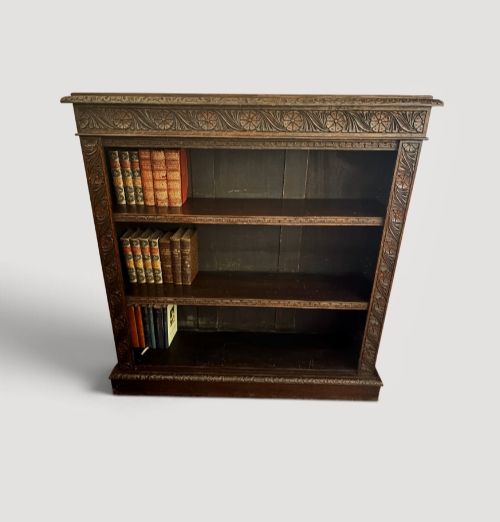
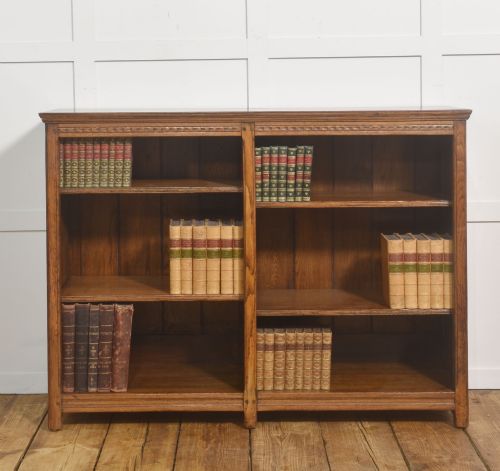
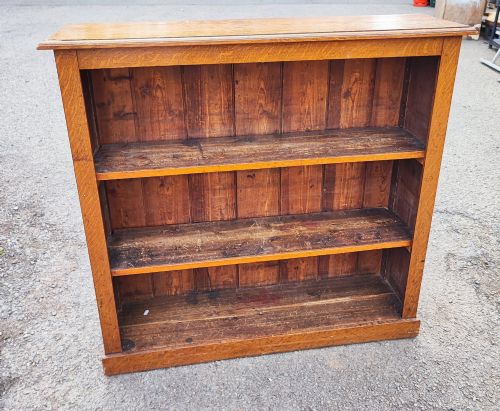
A victorian oak display unit brings solid timber grain and architectural presence into a room, serving as a practical home for books and objects.
Victorian Oak Display Unit
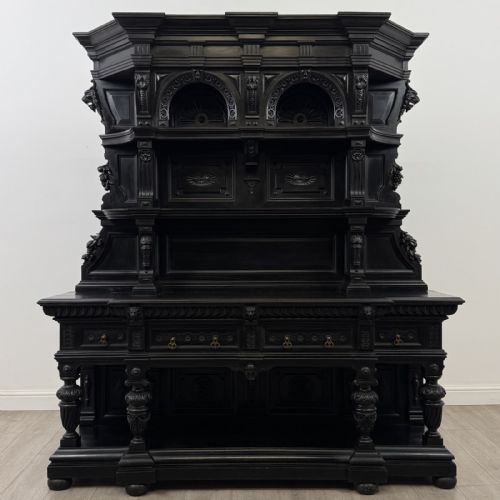
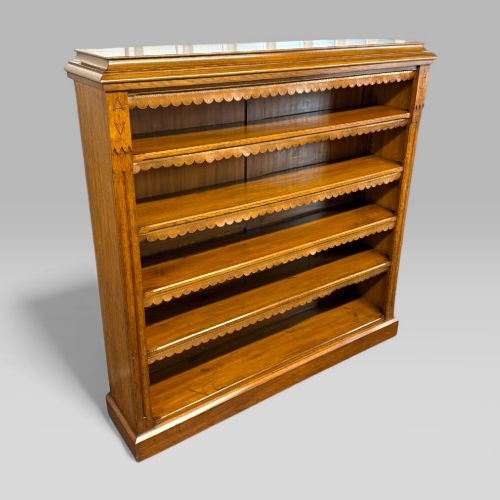
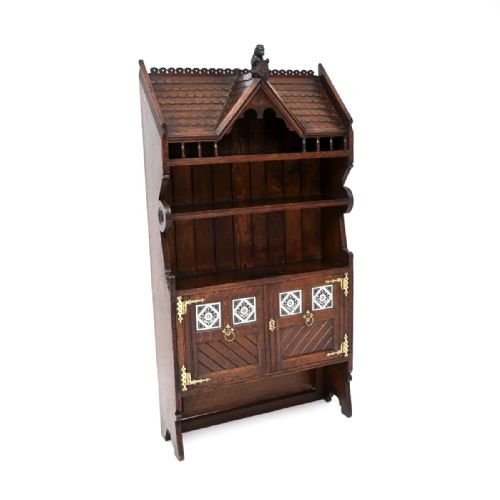
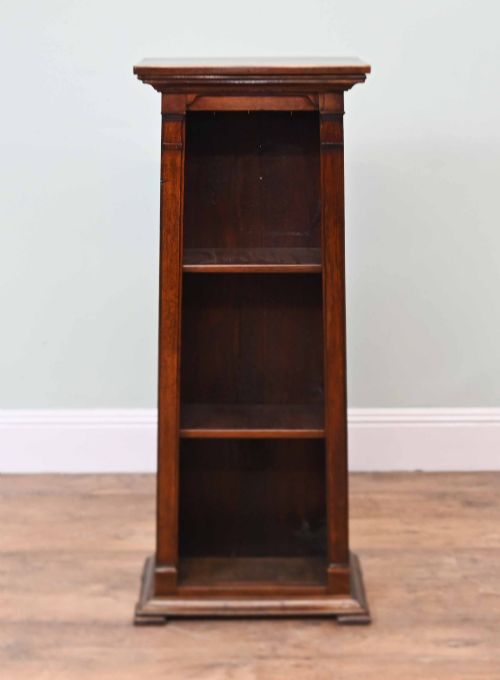
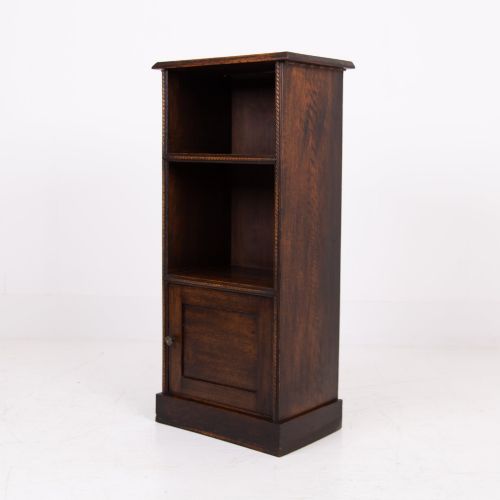
When you search for a victorian oak display unit, you encounter open bookcases, glazed cabinets, wall shelves, and corner cupboards built primarily during the nineteenth century. These forms range from simple domestic shelving to heavily carved architectural cabinets and shop fittings.
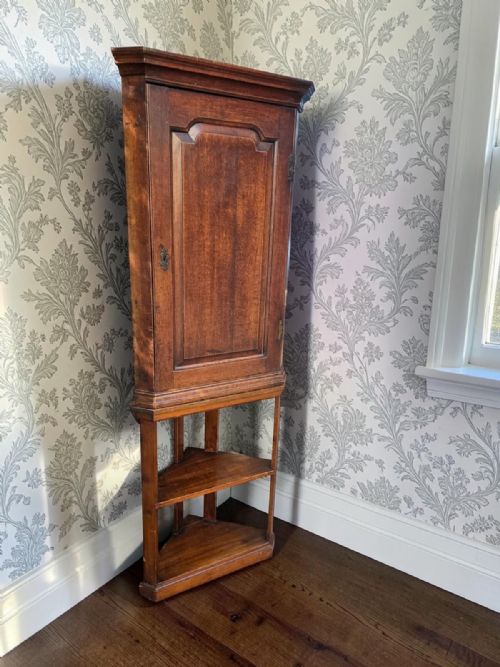
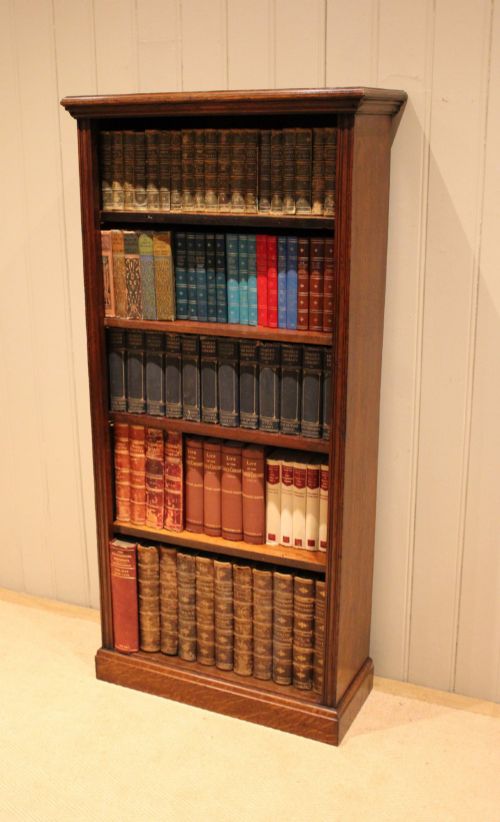
Open bookcases form the largest share of what you meet on this page, often featuring adjustable wooden shelves and carved crests. Alongside them appear corner cupboards on stands and multi-wood dressers reflecting Gothic revival or aesthetic movement tastes.
How they were made
Cabinet makers relied on solid oak, sometimes combined with pollard oak, walnut, mahogany, or ebonised hardwood to create contrast in mouldings and panels. Brass hardware, lead in glazing, ceramic details, and intricate hand carving completed the structural work.
Joinery techniques included mortise and tenon frames, fret-cutting for decorative brackets, and the incorporation of adjustable shelf mechanisms made possible by wooden ratchets or brass pins.
Listings span periods from the eighteenth century through the Victorian era and into the early twentieth century, incorporating arts and crafts and jacobean revival styles.
What varies in quality
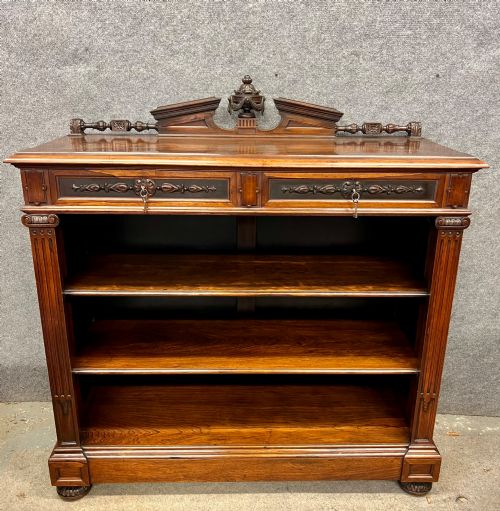
The distinction between standard utility furniture and superior pieces lies in the ambition of the design and the crispness of the carving, such as lion mask motifs or architectural friezes. Deeply figured timber grain, like pollard oak, elevates the visual weight of a cabinet.
Proportion and construction depth also separate everyday items from workshop-attributed pieces, where secondary woods are carefully chosen and fret-cut details show deliberate precision rather than mass production.
John Moyr Smith
The Victorian Oak Display Unit Glossary
- Aesthetic Movement
- A late nineteenth century design style prioritising visual beauty and artistic reform over heavy moralising ornamentation.
- Pollard Oak
- Timber taken from trees that have been pollarded, producing a dense, highly figured grain pattern prized for decorative panels.
- Fret-Cut
- Wood shaped by piercing and cutting intricate patterns through the board using a fine saw.
- Gothic Revival
- An architectural and decorative style drawing on medieval forms, featuring pointed arches, tracery, and robust linenfold or geometric carvings.
Victorian Oak Display Unit: Frequently Asked Questions
Are these shelves fully adjustable?
Many nineteenth century bookcases feature movable shelving supported by wooden ratchets or peg holes, allowing you to alter the interior layout for different book heights.
Simpler wall shelves and smaller cabinets often have fixed tiers built directly into the side panels.
How do I identify a Gothic revival piece?
Gothic revival items display architectural elements like pointed arches, heavy carved mouldings, and structural trefoils that echo medieval stone buildings.
Makers often combined oak with beech or ebonised details to heighten the dramatic contrast of these ecclesiastical forms.
Can I place a corner cupboard on the floor?
Corner cupboards appear in two distinct formats: free-standing units designed to sit directly on the floor and smaller wall-mounted cabinets meant to hang at eye level.
Some examples include a matching stand base, while others are built as a single vertical architectural piece.
What is pollard oak?
Pollard oak comes from trees pruned above livestock height, which causes the grain to grow back with dense, swirling circular patterns known as burls.
Cabinet makers used these figured veneers and solid sections sparingly on prominent door panels and friezes.