

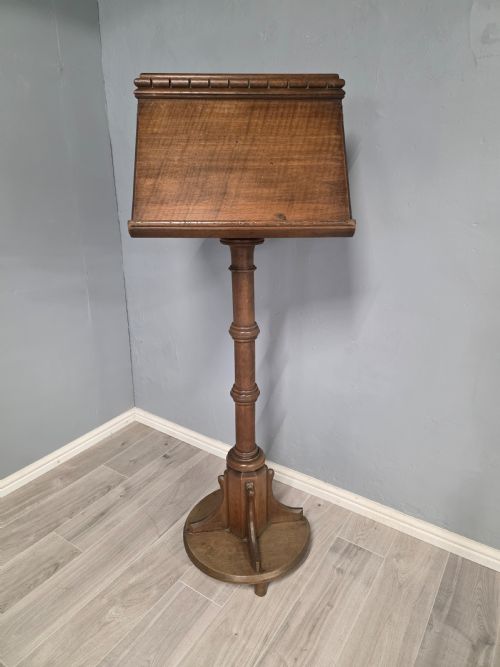


Oak Bible Stand
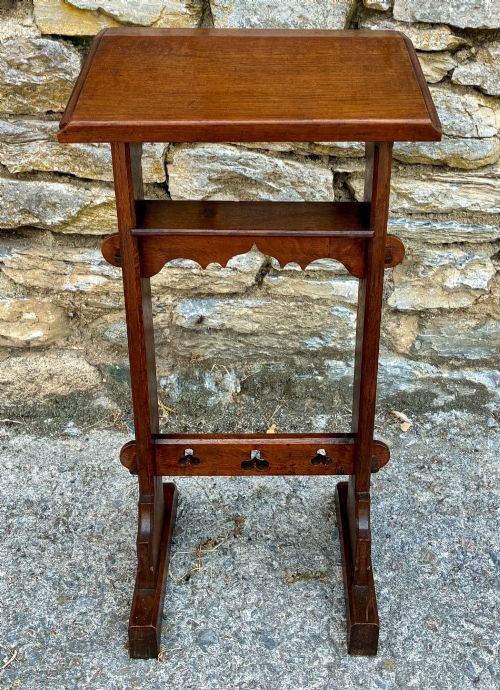
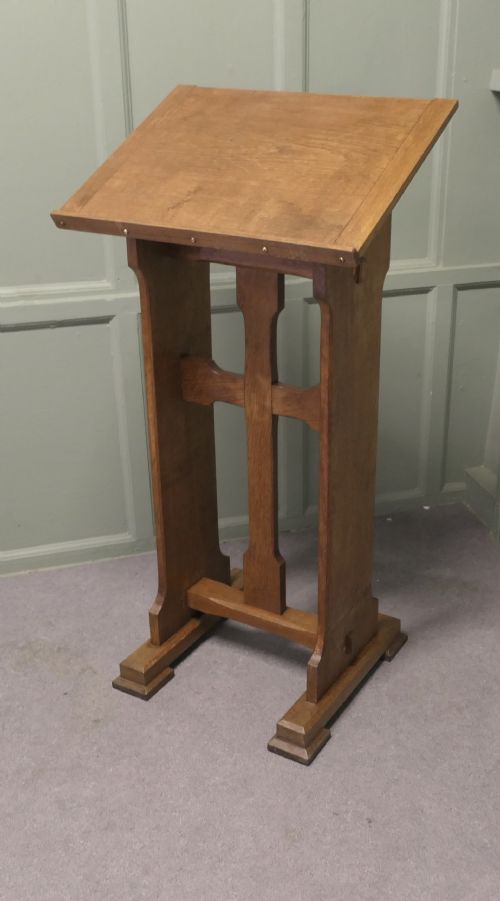
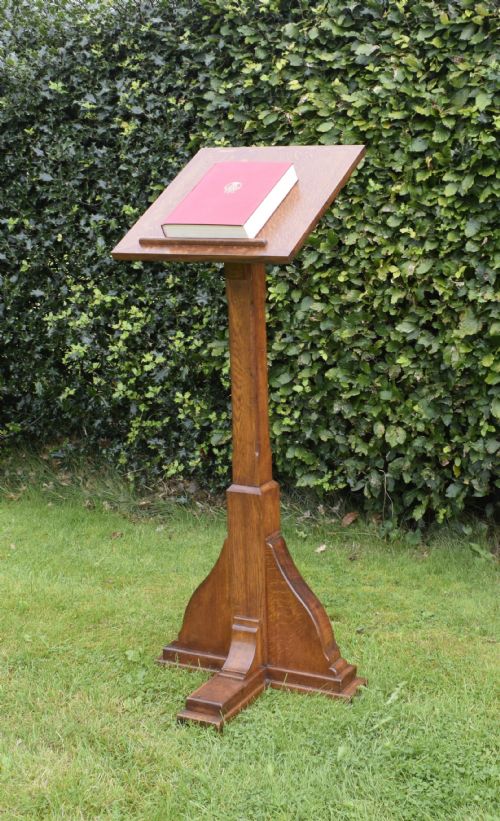
An oak bible stand is a practical timber reading platform or desk, and you are looking at sturdy church and domestic pieces built to hold heavy volumes.
Oak Bible Stand
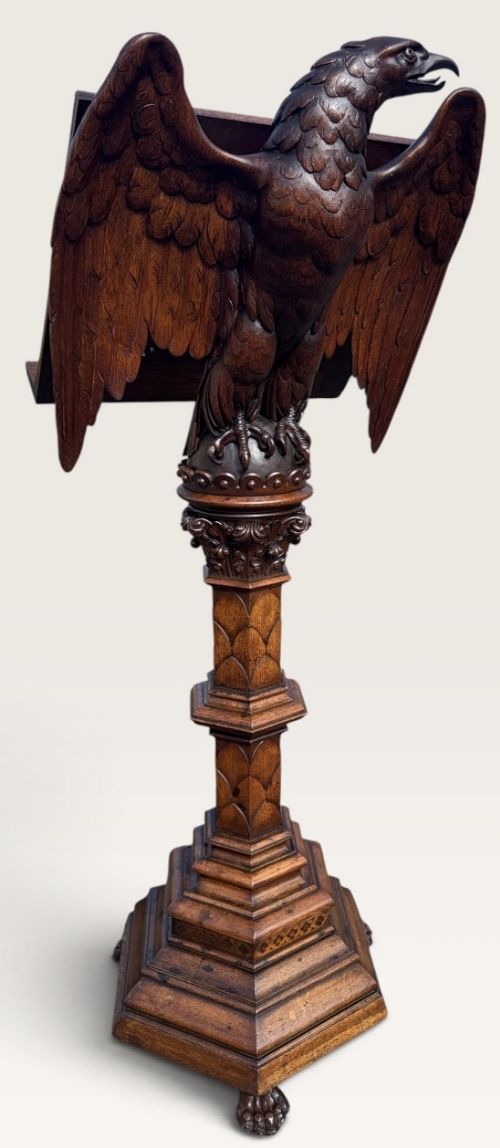
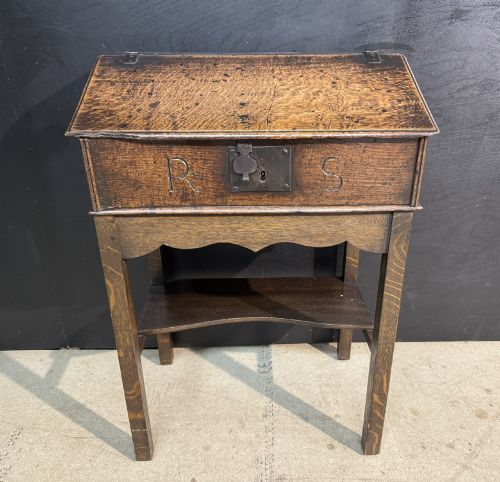
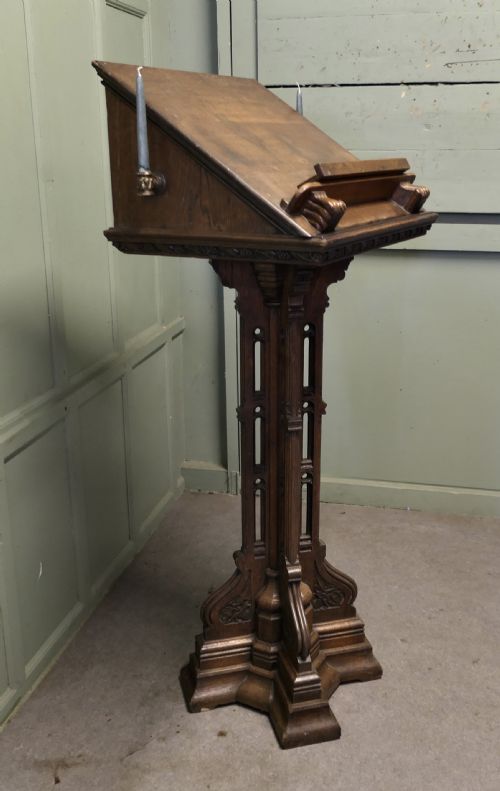
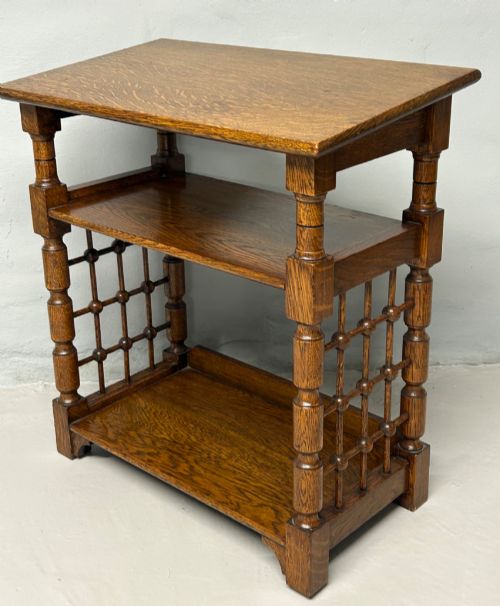
An oak bible stand encompasses solid timber lecterns, reading desks, and box-on-stand forms designed for sacred texts and scholarly study. The pieces appearing here range from simple domestic writing boxes mounted on later supports to grand ecclesiastical lecterns carved with eagles.
The material record spans centuries, moving from seventeenth-century joined timber constructions through eighteenth-century forms to nineteenth-century Gothic Revival church furniture. Buyers most frequently encounter sturdy oak lecterns, reading stands, and slope-front boxes originating from church and domestic settings.
Many items combine a seventeenth-century or eighteenth-century box with a later stand, reflecting a long history of adaptation. Others emerge fully formed from the Victorian era and the Arts and Crafts movement, utilising plain timber surfaces or elaborate carved decoration.
How they were made
Joiners built these objects primarily from solid oak, sometimes combining pine for secondary framing or internal shelves. Timber boards were joined using traditional methods to create box lids, sloping reading slopes, and supporting legs.
Metal elements such as brass work, iron hinges, and steel fittings appear on many stands to secure sloping desks and compartments. Gilt highlights occasionally accent carved details on ecclesiastical pieces.
Carving defines the decorative surface, ranging from geometric nulled patterns on early pieces to naturalistic eagle figures with outstretched wings on church lecterns. Arts and Crafts examples emphasise the natural grain of the wood alongside straightforward joined construction.
Object forms include lecterns, writing desks, and bible boxes mounted on stands, styled in Gothic Revival, Arts and Crafts, and Baroque traditions.
What varies in quality
Quality rests in the relationship between the upper box or desk and its support, distinguishing pieces with original stands from those united with later timber frames. The crispness and depth of hand-carving also separate standard workshop output from exceptional ecclesiastical commissions.
The selection of timber grain and the integrity of the original joints dictate the structural success of each stand. Refined brass hardware and integrated writing slopes indicate a higher grade of craftsmanship than plain utilitarian church furnishings.
The Oak Bible Stand Glossary
- Bible Box
- A small wooden chest with a flat or sloping lid, originally made to hold a family bible or writing materials securely. These boxes are frequently mounted upon tall stands to create a functional reading desk.
- Lectern
- A tall reading stand with a slanted top designed to support books for a speaker or reader in a church or hall. Examples often feature pivoting platforms or carved supports like eagles.
- Gothic Revival
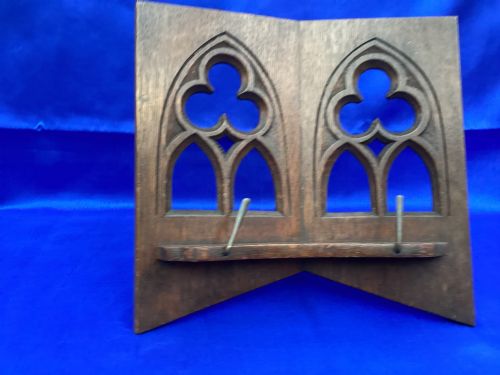
- An architectural and decorative style popular during the nineteenth century that imitates medieval pointed arches, tracery, and heavy ecclesiastical forms. Pieces in this style often display pointed panels and dark oak finishes.
- Writing Slope
- A desk box featuring an angled lid that provides a comfortable slanted surface for handwriting or reading. They often open to reveal interior compartments for ink and paper.
Oak Bible Stand: Frequently Asked Questions
What is an oak bible stand?
An oak bible stand is a timber reading desk or lectern built to hold large sacred volumes and manuscripts. They take the form of floor-standing church lecterns or lidded boxes raised on wooden legs.
These pieces served both ecclesiastical and domestic purposes, providing a stable, angled surface for reading in churches, libraries, and homes. The design ensures the heavy weight of a bible rests securely at a comfortable reading angle.
Were these stands made for churches or homes?
They were made for both environments, depending on the specific form and period. Tall eagle lecterns and ecclesiastical reading stands originate from churches, while box-on-stand pieces were typically used in domestic settings.
Many domestic examples combine an earlier seventeenth-century desk box with a later matching stand. This adaptation reflects how households repurposed writing chests into permanent standing furniture over the centuries.
How do I date an oak bible stand?
Dating relies on examining the construction methods of the woodwork, the style of carving, and the hardware used. Early pieces feature joined oak construction with pegged joints, while later Victorian and Arts and Crafts pieces show different manufacturing techniques.
Descriptions often note whether a stand is original to the top box or represents a later pairing. Examining the brass or iron fittings and the presence of Gothic Revival motifs also helps narrow down the period of manufacture.
How do I care for antique oak furniture?
Care involves keeping the timber away from direct heat sources and sudden humidity changes to prevent the oak from splitting. Regular dusting with a dry, soft cloth maintains the finish without needing harsh polishes.
Avoid placing damp items directly onto the reading surface, especially on pieces with historic wax or polished finishes. Gentle handling of brass hinges and moving reading slopes preserves the mechanical parts of the stand.