


Oak Dictionary Stand
These oak dictionary stand pieces provide sturdy support for heavy volumes, bringing period craftsmanship into studies and libraries.
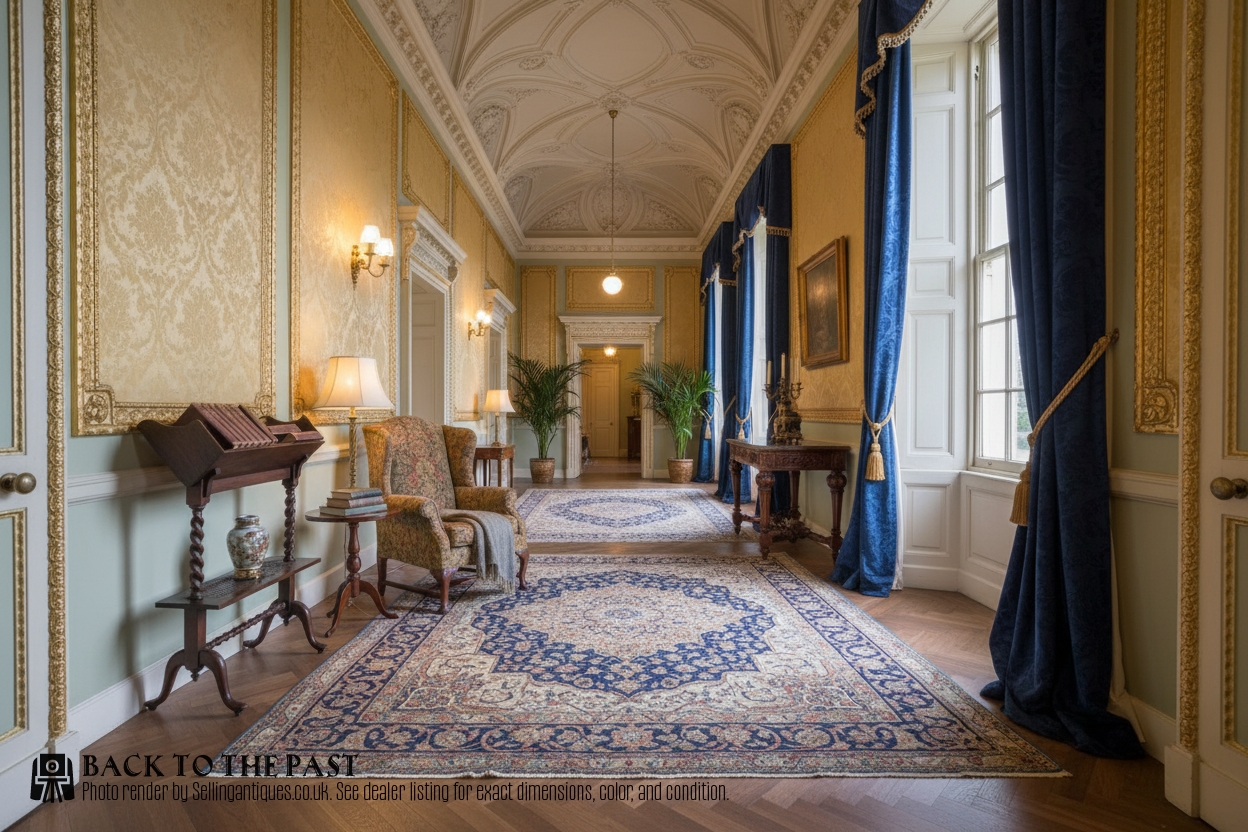
Oak Dictionary Stand
When you search for an oak dictionary stand, you encounter a selection of sturdy reading furniture designed to hold large books, ledgers, and reference volumes. The listings show pieces spanning the Victorian and Edwardian eras, alongside items from the late nineteenth century.
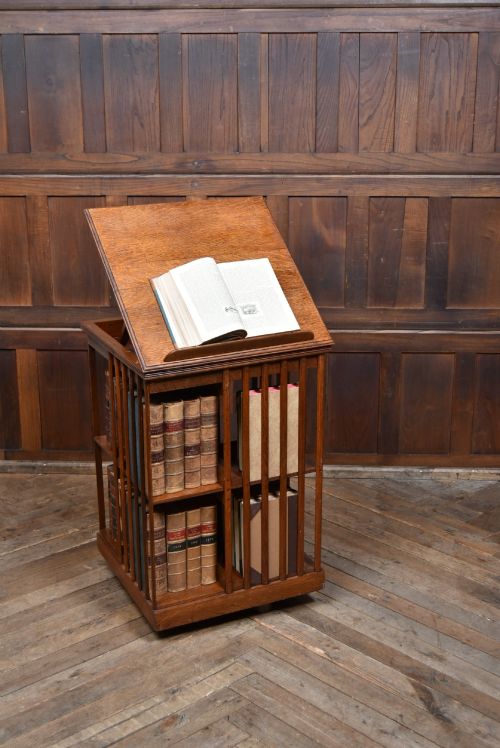
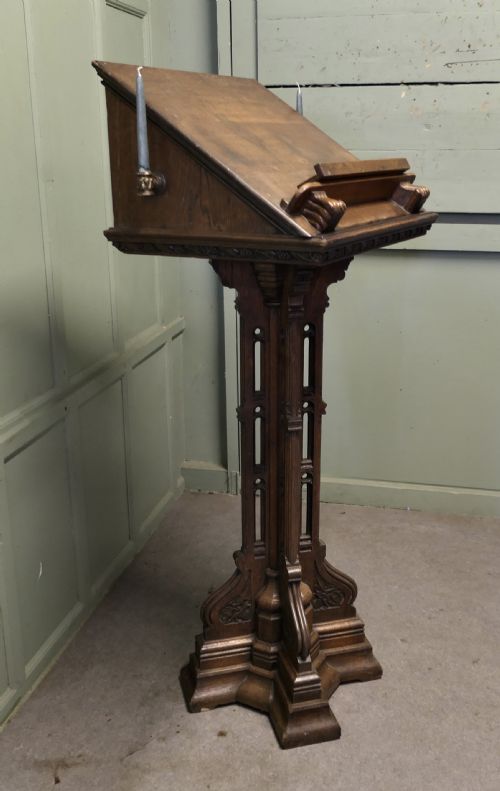
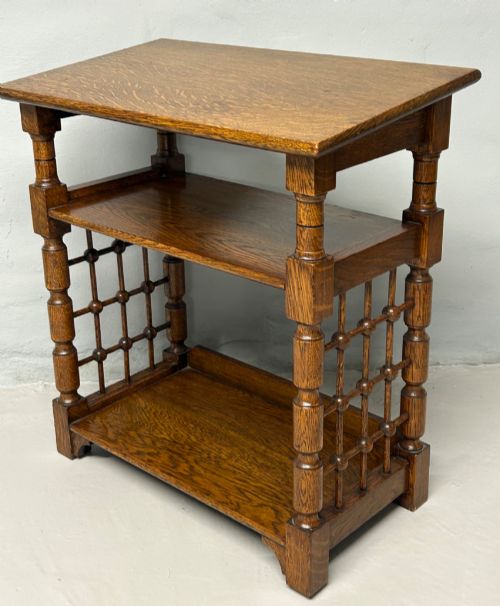
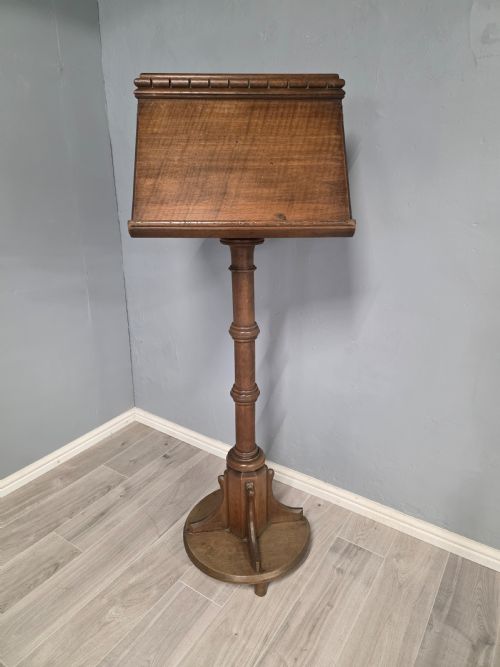
The forms on this page include reading podiums, revolving bookcases, open front slope-shelf bookcases, and church lecterns. Oak is the primary wood recorded in the evidence, complemented by occasional examples in mahogany and pine.
How they were made
The construction relies heavily on solid oak, shaped through carpentry techniques characteristic of the Victorian, Edwardian, and Arts and Crafts movements. Workshops utilised carved details and slope-shelf designs to angle heavy books for easy reading.
Metal fittings such as brass work and cast iron provide structural support and functional movement on revolving models. Certain pieces incorporate glass or cane elements, while others pair oak with pine to build robust reading stands and lecterns.
One unexpected piece doubles as a restaurant reception station greeter complete with its own light.
What varies in quality
Quality in these reading pieces rests on the standard of the woodwork, from plain structural joinery to deeply carved decorative surfaces. The integration of brass work and the precision of revolving mechanisms further distinguish finer examples from simpler utilitarian items.
Stylistic ambition also divides the range, moving from standard ecclesiastical lecterns to refined Arts and Crafts or Gothic Revival designs. Pieces showing intentional design choices in their slope-shelf configuration or reception station layout stand apart from basic utility stands.
The Oak Dictionary Stand Glossary
- Lectern
- A desk or stand with a slanted top designed to hold a book or speech at a height suitable for a standing reader. These often appear in ecclesiastical or institutional contexts within the evidence.
- Revolving bookcase
- A freestanding set of shelves mounted on a rotating pivot base that allows access to books from multiple angles. Edwardian examples utilise this space-saving design.
- Slope-shelf
- A tilted shelving surface designed to display open volumes at a readable angle. This form supports heavy reference books without straining the binding.
- Gothic Revival
- A nineteenth-century design style drawing inspiration from medieval architecture and pointed arches. Pieces from this movement often feature heavy carving and ecclesiastical motifs.
Oak Dictionary Stand: Frequently Asked Questions
Where were these stands used?
These reading stands and lecterns served in churches, studies, libraries, and reception spaces to hold large volumes. Their sturdy construction accommodated heavy reference books.
Institutional settings often employed lecterns for public reading, while domestic spaces utilised smaller stands and revolving bookcases for daily reference.
How do I date an oak stand?
Dating relies on stylistic markers associated with periods like the Victorian and Edwardian eras, alongside the Arts and Crafts movement. Construction details and wood choice provide further chronological clues.
Earlier nineteenth-century pieces often display Gothic Revival or ecclesiastical influences, whereas later Edwardian examples lean towards cleaner forms.
Can these hold heavy books?
Solid oak construction and slope-shelf designs provide the structural support needed for large dictionaries and ledgers. The slanted surfaces distribute the weight evenly.
Many pieces were specifically built for heavy church volumes and restaurant reception use, ensuring reliable daily performance.
What styles are available?
The available pieces span Victorian, Edwardian, Arts and Crafts, and Gothic Revival aesthetics. Each style brings distinct decorative elements to the woodwork.
Ecclesiastical and Victorian Gothic influences appear frequently among the lecterns, offering carved details and traditional proportions.