


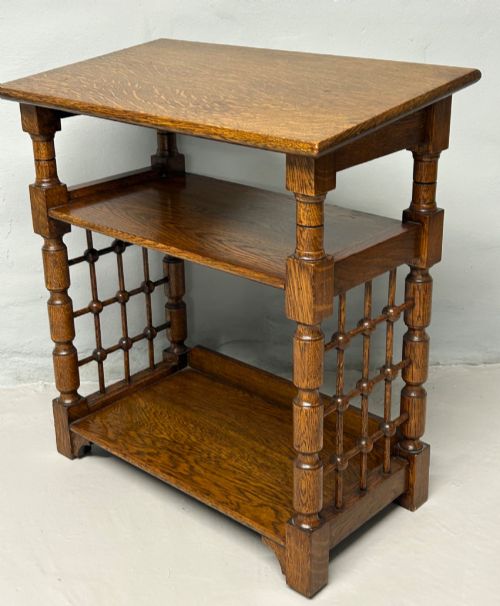


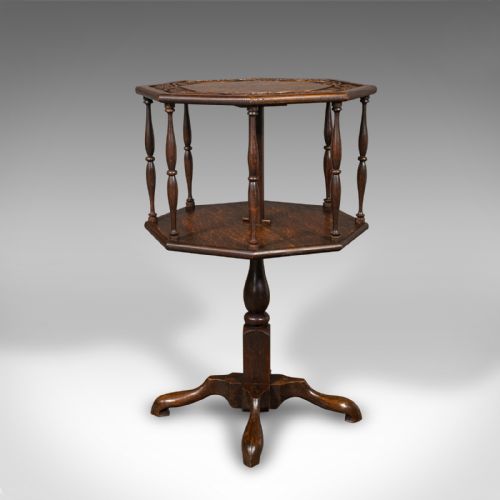

Edwardian Oak Book Trough
These pieces of edwardian oak book trough hold volumes close at hand with simple timber construction.
Edwardian Oak Book Trough
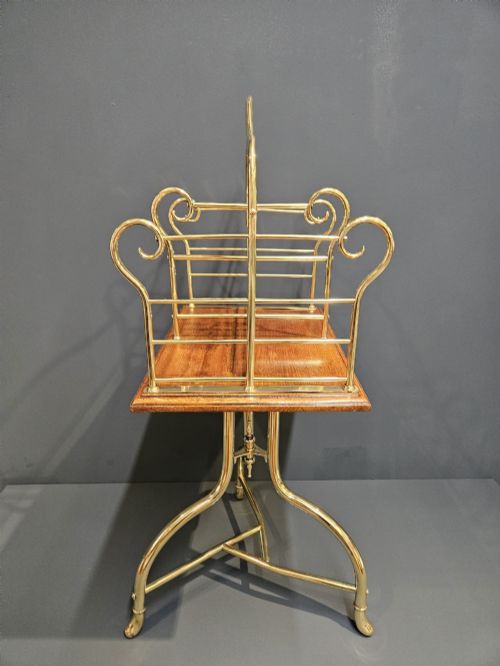
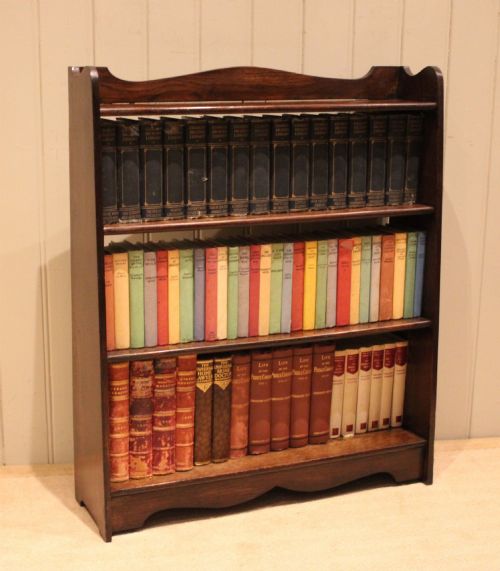
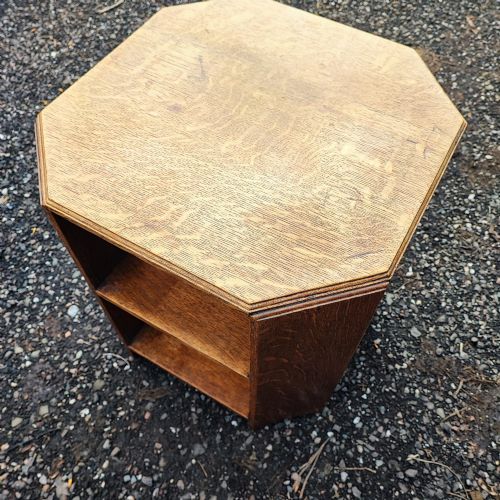
An edwardian oak book trough serves as a compact desk or table accessory designed to keep a small collection of volumes upright and accessible. The pieces found here range from dedicated table-top troughs to related variants like extending book slides, revolving bookcases and small stands.
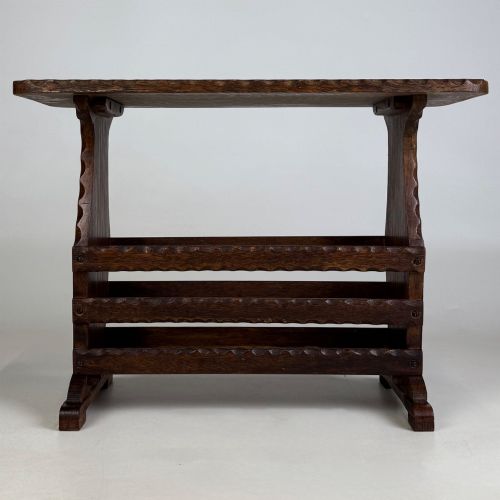
Most examples align with the Edwardian period and the Arts and Crafts style, though Victorian Gothic Revival and later 1920s or 1930s interpretations also appear. They utilise solid oak, sometimes combined with brass fittings or cane elements, reflecting the utilitarian needs of home libraries and studies.
How they were made
Makers built these pieces primarily from solid oak, relying on straightforward joinery to form the sloping sides and flat bases of the troughs. Selected items incorporate brass for hinges, handles or extending mechanisms.
Arts and Crafts examples often display carved details, chamfered edges or exposed construction methods that celebrate the natural grain of the timber without heavy veneer.
Edwardian Oak Book Trough Retail Price Guide 2026
Typical asking prices for edwardian oak book trough among the pieces listed under this phrase on Sellingantiques today, from the lower quarter to the upper quarter. They describe what is for sale here now, not the wider market.
Materials across these listings span solid oak, brass fittings, and cane, reflecting domestic library accessories from the late Victorian era to the 1930s.
What varies in quality
Quality rests in the weight of the timber, the crispness of any carved or chamfered decoration, and the smooth operation of extending slides or revolving tiers. Plain, utilitarian troughs contrast with pieces bearing maker labels or distinctive structural flourishes.
The integrity of the joints and the condition of the oak surface distinguish everyday utility items from finer workshop pieces attributed to known retailers or designers.
Arthur Simpson·J C Vickery
The Edwardian Oak Book Trough Glossary
- Trough
- A shallow, open-topped container with sloping sides intended for holding books upright on a desk or table. It forms the core shape of the objects in this category.
- Book slide
- An extending rack designed to sit on a flat surface, holding a row of volumes between two end supports that pull apart or push together. These often feature hinged or decorative ends.
- Arts and Crafts
- A design movement prioritising traditional craftsmanship, visible construction, and simple forms inspired by natural materials. It heavily influences the oak furniture of this era.
- Canterbury
- A low stand featuring partitions or tiers originally built for sheet music, newspapers or books. Versions here combine magazine racks with occasional table designs.
- Revolving bookcase
- A small tier of shelves mounted on a concealed pivot mechanism allowing the unit to turn freely. This permits access to books from a seated position.
Edwardian Oak Book Trough: Frequently Asked Questions
What is an edwardian oak book trough?
It is a small, open-topped wooden holder designed to keep a selection of books upright on a desk, table or shelf.
The sloping sides support the volumes securely while keeping titles visible for everyday reading.
How were book troughs used?
Owners placed them on library tables, desks or occasional furniture to organise current reading material within arm's reach.
They served both domestic studies and commercial offices where quick access to reference books was necessary.
How do I care for oak book furniture?
Keep the timber away from direct heat sources and sudden humidity changes to prevent the oak from splitting or warping.
Apply a light application of traditional wax polish occasionally to nourish the grain and maintain the surface sheen.
How do I tell an Arts and Crafts piece apart?
Look for visible construction methods, hand-carved details, and an emphasis on the natural grain of the solid oak rather than applied veneers.
These pieces often avoid excessive ornamentation in favour of simple, functional geometry.