


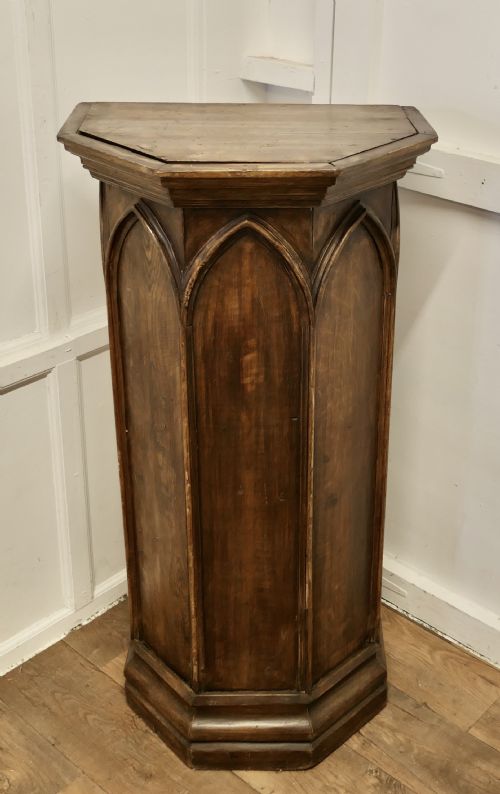


Antique Reading Podium
An antique reading podium offers a sturdy, adjustable perch for texts, uniting practical utility with period craftsmanship.
Antique Reading Podium
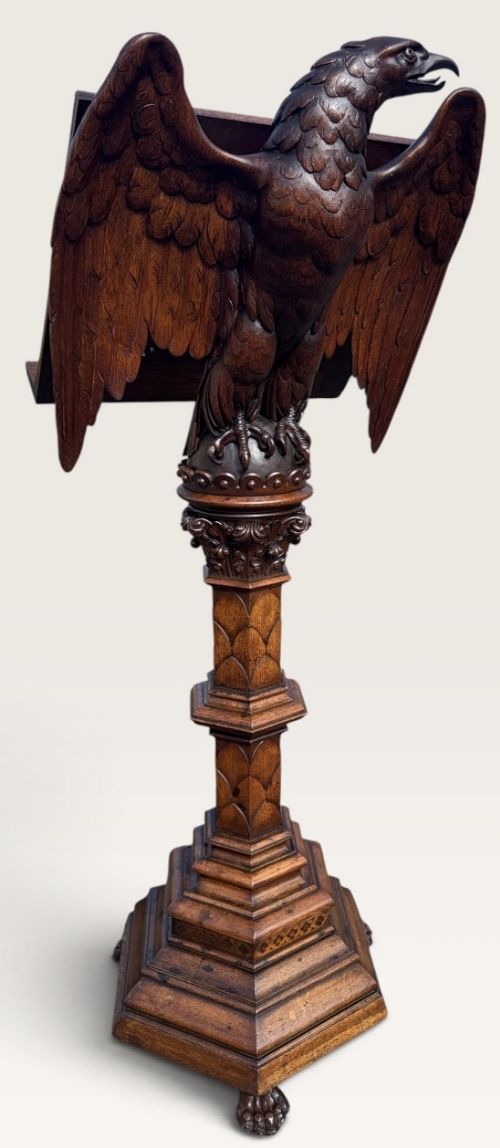
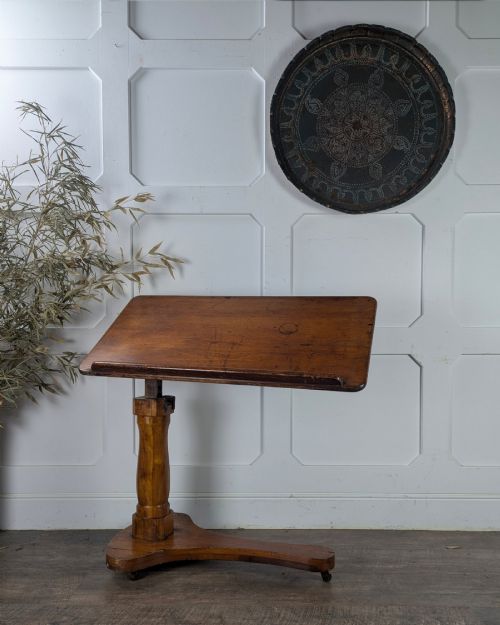
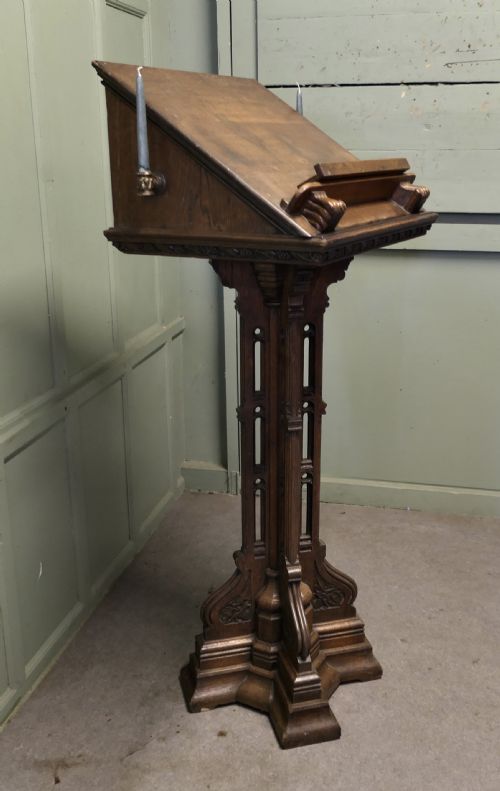
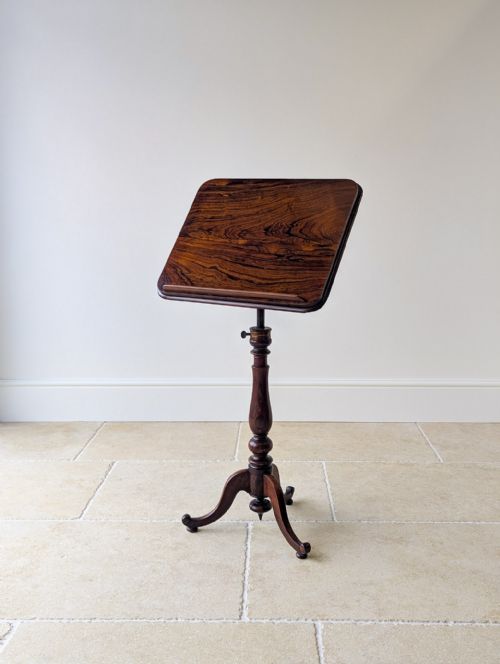
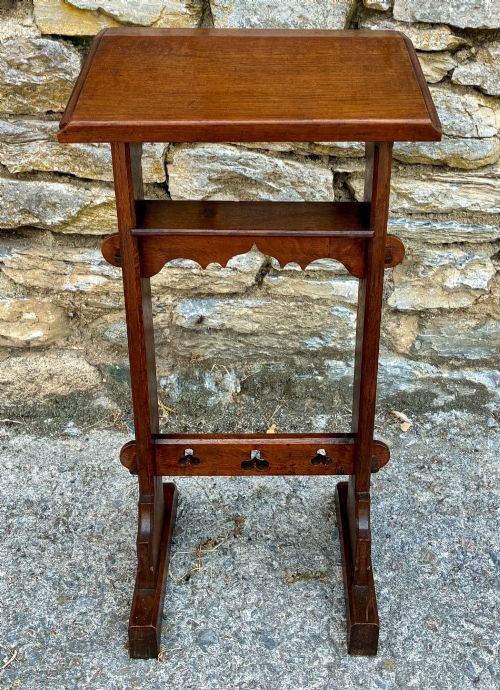
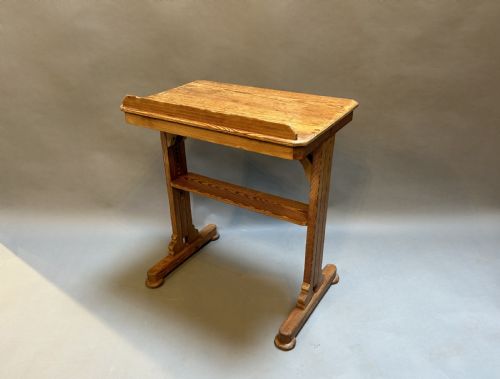
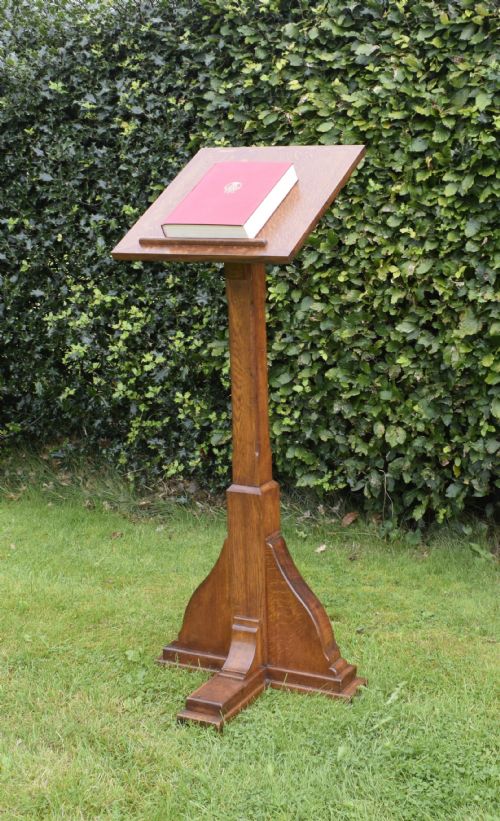
An antique reading podium is a dedicated stand designed to support books, menus, or sheets of music at a comfortable viewing angle. When searching for an antique reading podium, buyers encounter various forms including adjustable reading tables, church lecterns, music stands, and occasional tables with book rests.
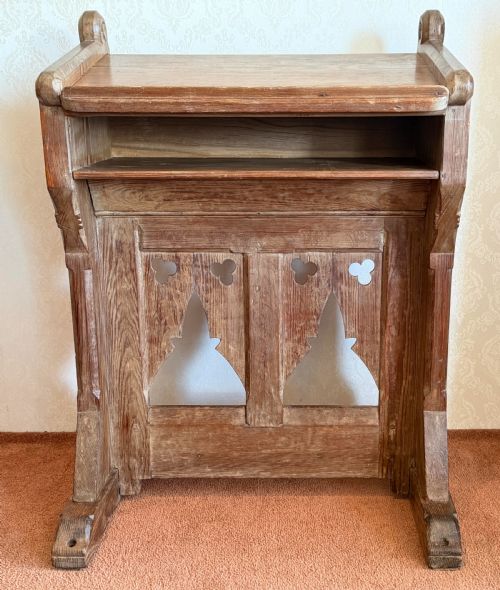
The pieces available span the nineteenth and early twentieth centuries, encompassing Victorian, Edwardian, William IV, and Arts and Crafts styles. Gothic Revival influences appear frequently, alongside utilitarian designs from the interwar period.
Origins and materials vary considerably across the selection, featuring institutional church furnishings alongside domestic pieces. Buyers are most likely to meet oak and pine examples, ranging from simple church lecterns to fully adjustable reading desks.
Materials and construction methods
Timbers form the core of construction, with sturdy oak and pine dominating the selection alongside rich hardwoods such as mahogany, walnut, and rosewood. Craftsmen utilised these woods both for solid construction and for carved decorative elements.
Metal components play a crucial functional role, particularly in adjustable reading stands. Brass work and cast iron mechanisms allow for height adjustments and tilting book rests, combining durability with mechanical movement.
Distinguishing quality in construction
The sophistication of the mechanical adjustment mechanism separates standard pieces from more refined examples. Fully adjustable brackets, robust brass hinges, and smooth tilting mechanisms indicate higher craftsmanship.
Carved detailing and material selection dictate the tier of a piece. Hand-carved oak with Gothic Revival motifs or detailed brass work represents a higher grade of manufacture compared to utilitarian pine items.
Harrods
The Antique Reading Podium Glossary
- Lectern
- A tall stand with a sloping book rest designed for holding a book or notes for a standing reader. These often appear in ecclesiastical or institutional contexts.
- Gothic Revival
- An architectural and decorative style popular during the nineteenth century, characterised by pointed arches, trefoils, and heavy carved oak.
- William IV
- A brief transitional design period spanning the 1830s, known for robust proportions and the use of dense timbers like rosewood and mahogany.
- Edwardian Utility
- A functional style from the early twentieth century focusing on plain surfaces and practical form with minimal ornamentation.
- Book rest
- The angled ledge or support surface on a reading stand designed to keep open volumes securely in place.
Antique Reading Podium: Frequently Asked Questions
What is an antique reading podium used for?
These pieces provide a designated slant for supporting open books, sheet music, or menus during reading or presentation.
Historically, they served in churches, studies, and music rooms to hold heavy volumes at a comfortable height.
How do I adjust the reading angle?
Many examples incorporate brass mechanisms, ratchets, or hinges underneath the book rest to alter the slope.
Adjustable pine and walnut models allow the user to modify both the height and the viewing angle.
Where were these stands typically placed?
Domestic examples functioned as occasional tables, music stands, or desk surfaces in studies and libraries.
Institutional versions, such as oak church lecterns, stood in chancels or greeting stations.
What woods were used for these podiums?
Oak and pine appear most frequently, utilised for both heavy church furniture and domestic reading tables.
Cabinet makers also employed luxury timbers like mahogany, rosewood, and walnut for finer nineteenth-century stands.