

Oak Armoire Wardrobe
An oak armoire wardrobe brings architectural presence and robust storage to a bedroom, combining heavy timber with generous proportions.
Oak Armoire Wardrobe
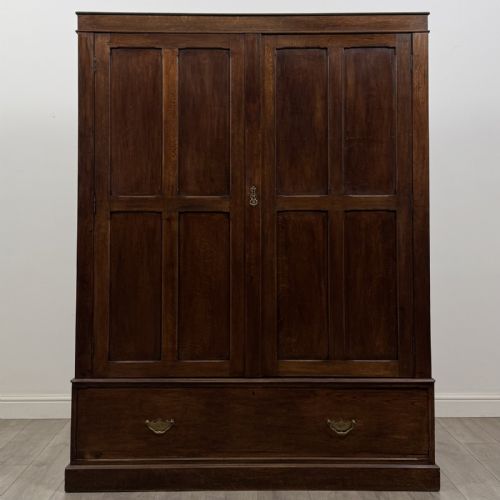
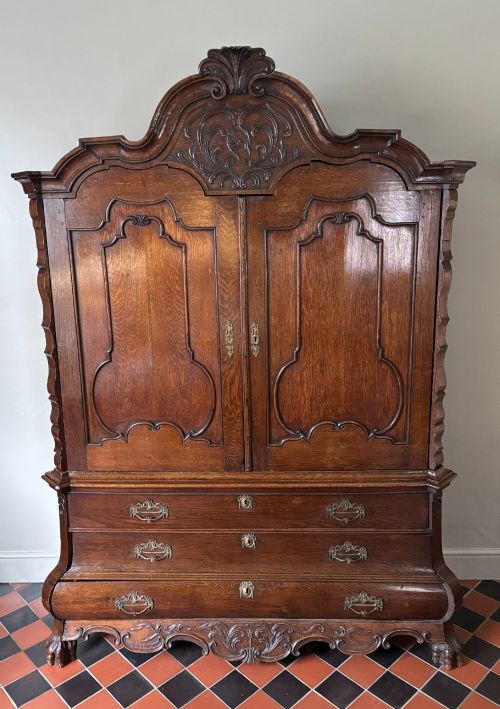
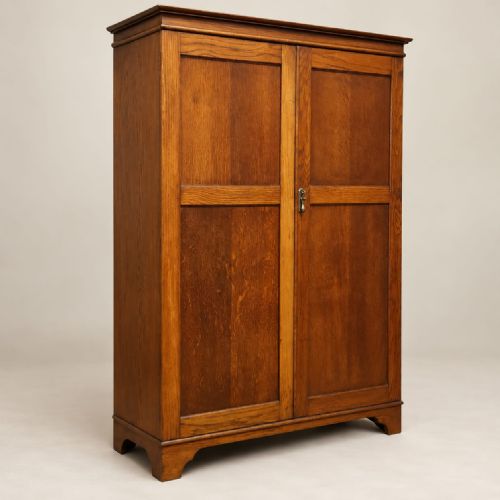
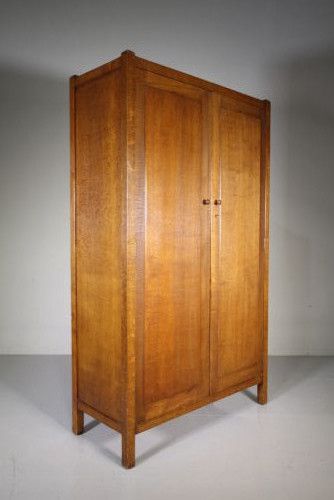
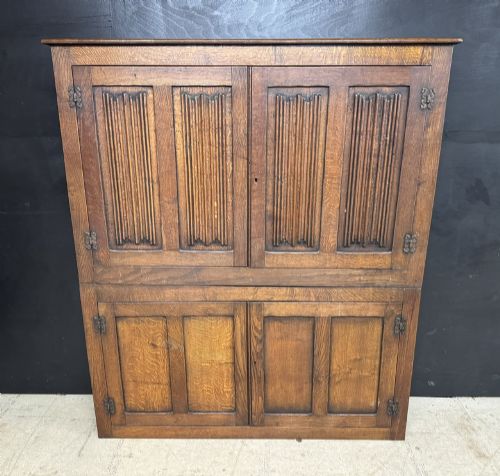
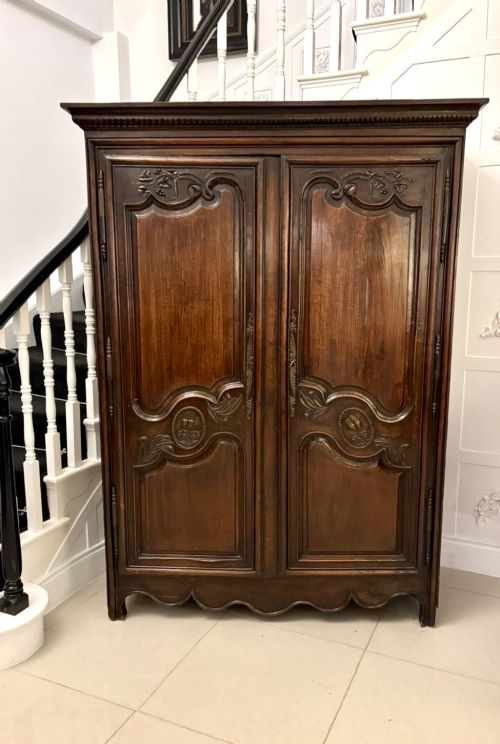
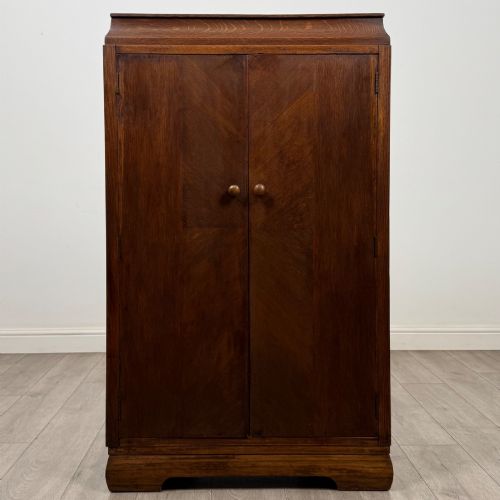
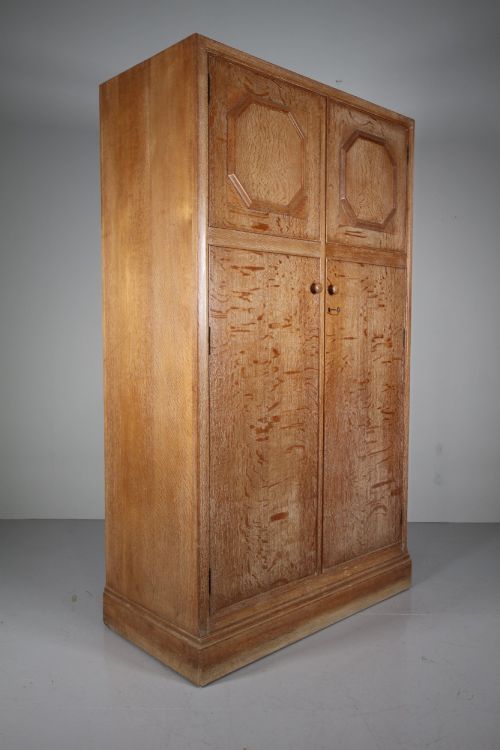
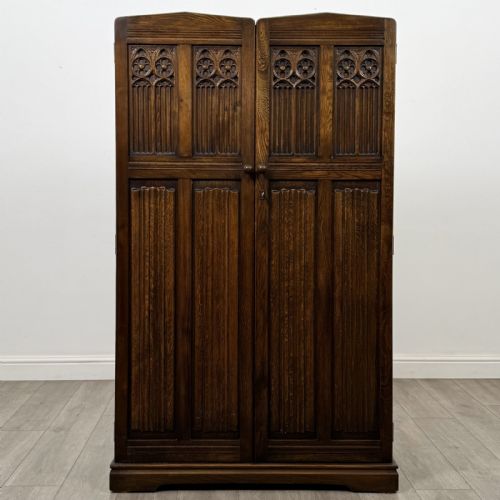
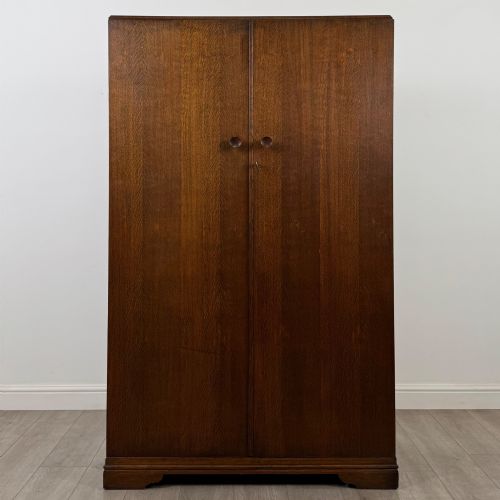
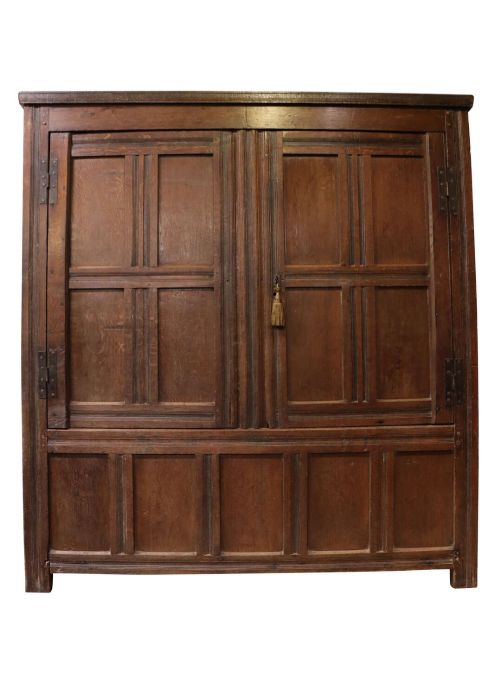
An oak armoire wardrobe encompasses tall storage furniture designed for garments and linens, bridging traditional English cupboards and continental armoires. Buyers searching for an oak armoire wardrobe encounter pieces ranging from eighteenth-century Georgian housekeepers' cupboards and Dutch linen presses to twentieth-century Arts and Crafts designs and French provincial cabinets.
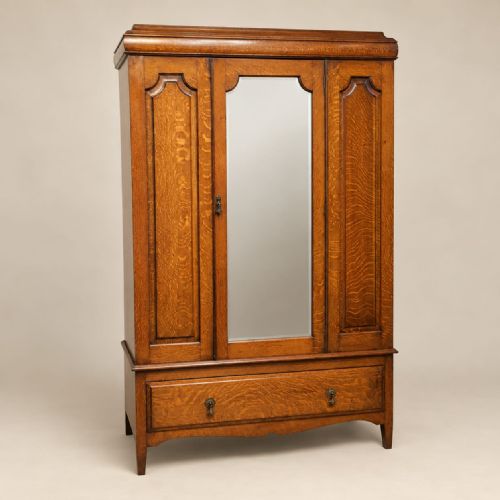
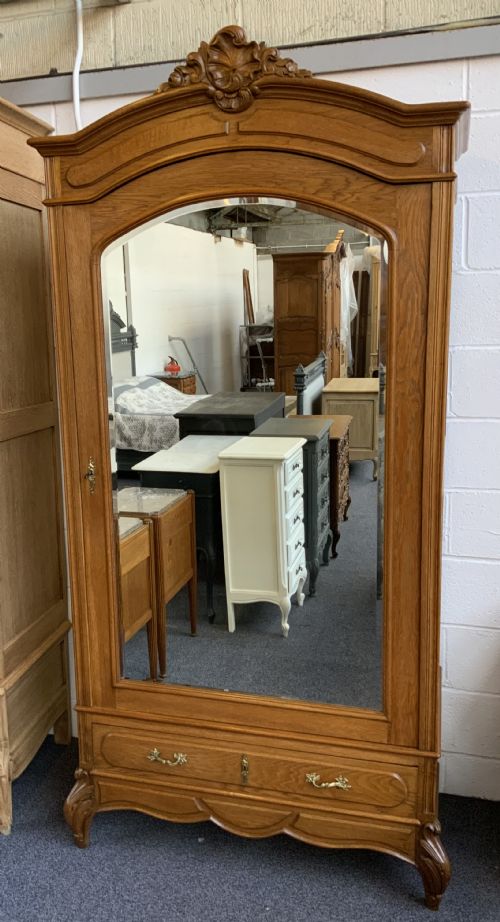
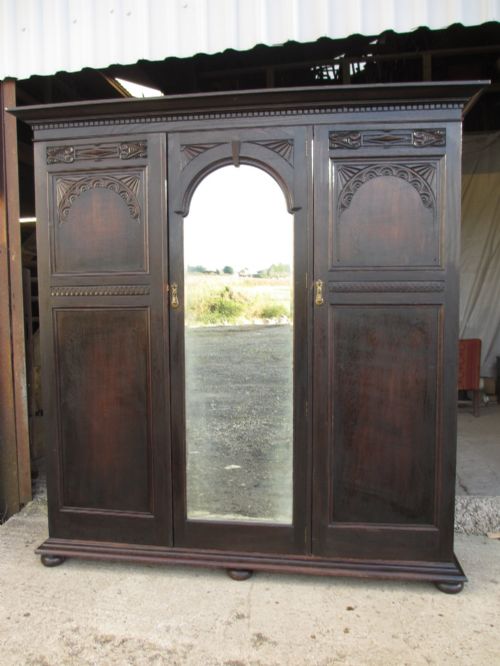
The selections span distinct periods, including eighteenth-century craftsmanship, nineteenth-century Victorian and Gothic revival interpretations, and early twentieth-century Edwardian and 1920s productions. Common formats include double and triple door wardrobes, compactums, and hall robes featuring mirrored panels, linen fold carvings, or painted surfaces.
Origins vary between English country workshops and continental makers, particularly from France and the Netherlands. These large case pieces served primary storage functions in domestic interiors, evolving from simple press cupboards into fitted bedroom wardrobes.
How they were made
Construction relies predominantly on solid oak and pine carcases, frequently augmented with pegged joints in earlier examples and later metal hardware such as brass handles and iron hinges. Certain continental and regional pieces incorporate secondary woods like walnut, ash, or ebony, alongside decorative paintwork including scumble finishes.
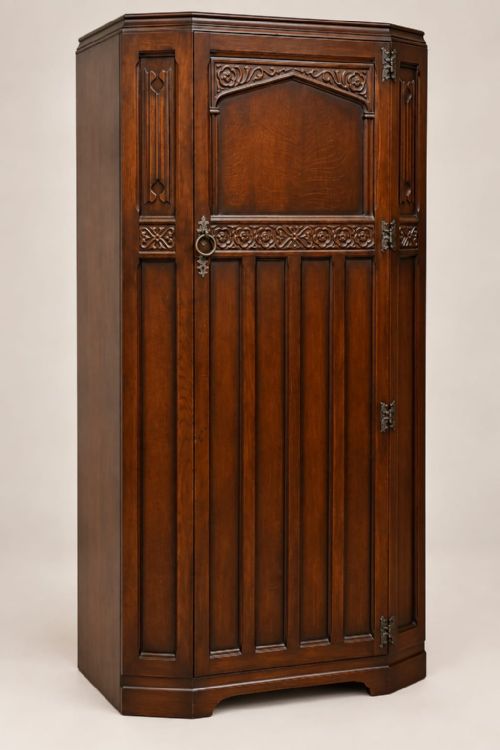
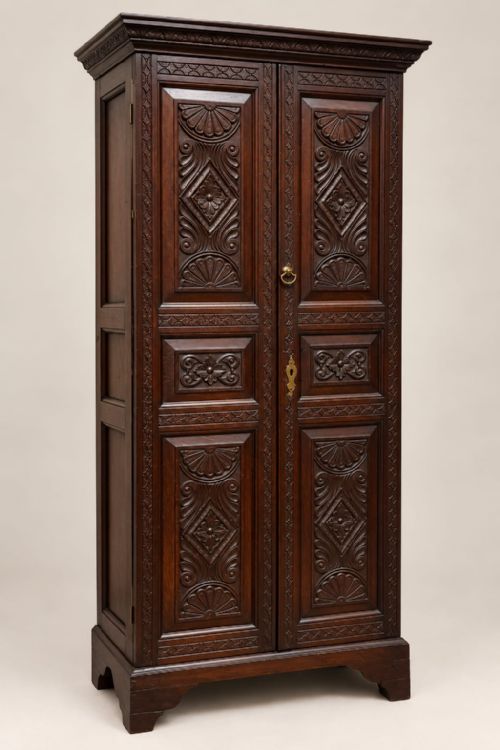
Surface treatments display carved detailing, linen fold panels, and mirrored doors, particularly on Edwardian and Arts and Crafts iterations. Knock-down flat-pack constructions also appear in larger continental armoires to facilitate transport between rooms.
Oak Armoire Wardrobe Retail Price Guide 2026
Typical asking prices for oak armoire wardrobe among the pieces listed under this phrase on Sellingantiques today, from the lower quarter to the upper quarter. They describe what is for sale here now, not the wider market.
Several wardrobes arrive with original knock-down flat-pack engineering from the nineteenth century, proving flat-pack furniture predates modern warehouses.
What varies in quality
Quality differentiates through the integrity of the timber selection, the crispness of hand-carved detailing, and the retention of original hardware and glass. Pieces featuring solid oak construction with pegged joinery and intact interior shelving or hanging rails represent higher standards of cabinetmaking.
Proportion and scale dictate desirability, where grand architectural cornices, balanced panel proportions, and well-executed stylistic revivals such as Gothic or Louis XV taste elevate the standing of an individual wardrobe.
Heals·Harris Lebus·Shapland & Petter·Maple & Co
The Oak Armoire Wardrobe Glossary
- Compactum
- A multi-compartment wardrobe combining hanging space, drawers, and shelving within a single unit. This design maximises interior storage efficiency.
- Linen Press
- A tall cupboard traditionally used for storing folded textiles and linens on sliding trays or shelves. Upper sections often house deeper storage while lower sections contain drawer banks.
- Kussenkast
- A large Dutch cabinet or armoire characterised by cushion-moulded panels on the doors. These substantial pieces frequently utilise contrasting timbers like ebony and rosewood.
- Bonnetiere
- A single-door cupboard or wardrobe originally intended for storing hats and small garments. These tall, narrow pieces typically originate from French provincial workshops.
- Scumble
- A decorative paint technique used to simulate the grain of more expensive timbers such as oak. Craftsmen applied translucent glazes over a base coat to create faux wood effects.
Oak Armoire Wardrobe: Frequently Asked Questions
What is the difference between an armoire and a wardrobe?
An armoire traditionally denotes a large continental cupboard with deep proportions and panelled doors, whereas a wardrobe refers specifically to British hanging furniture.
Over time, the terms merged as continental armoires gained internal hanging rails for modern domestic use.
How do I identify an eighteenth-century piece?
Eighteenth-century examples display pegged timber joinery, hand-carved panels, and distinct regional construction methods without modern metal screws.
Internal layouts typically feature fixed shelves or linen press trays rather than modern full-length hanging space.
Are these wardrobes easy to dismantle for moving?
Many large continental armoires feature knock-down construction designed to dismantle completely into panels and cornices for transport.
English oak wardrobes from the Victorian and Edwardian periods are usually constructed as single solid carcases that require careful measurement for stairwells and doorways.
What distinguishes Arts and Crafts oak wardrobes?
Arts and Crafts pieces emphasise natural timber grains, plain or hammered copper hardware, and restrained structural joinery without excessive ornamentation.
These wardrobes often exhibit sturdy proportions and clean linear designs influenced by the Pugin or Liberty aesthetic.