

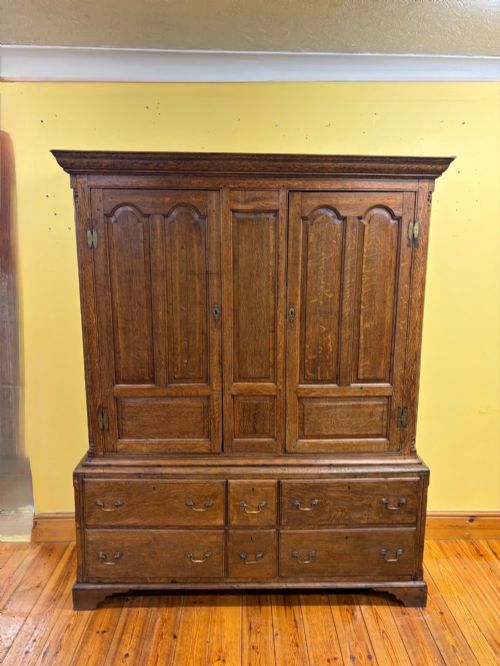
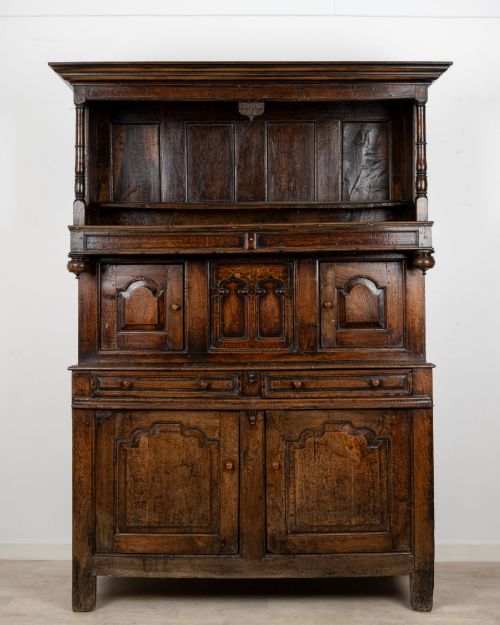
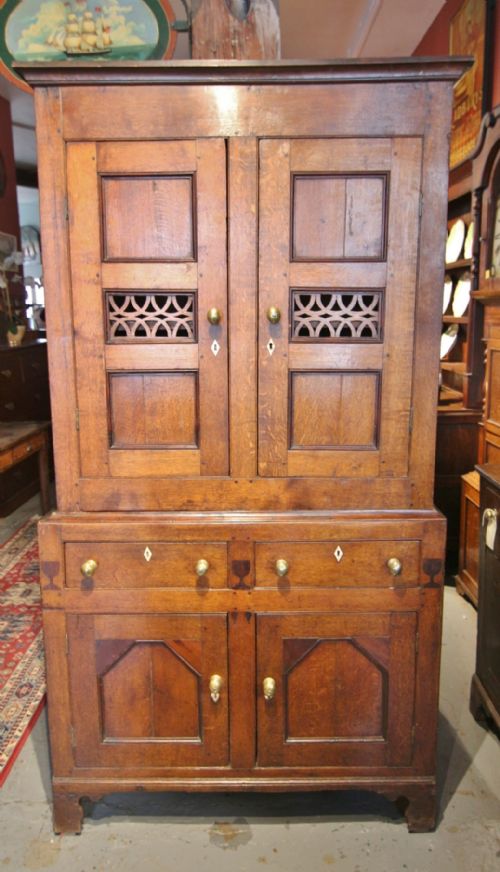
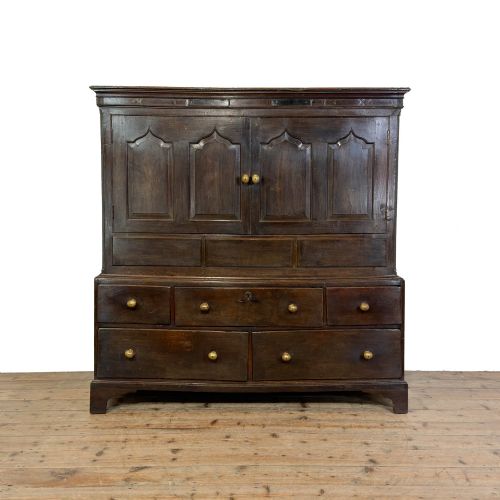
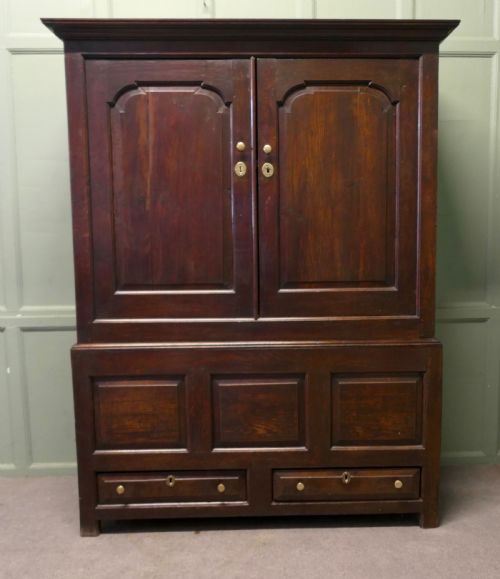

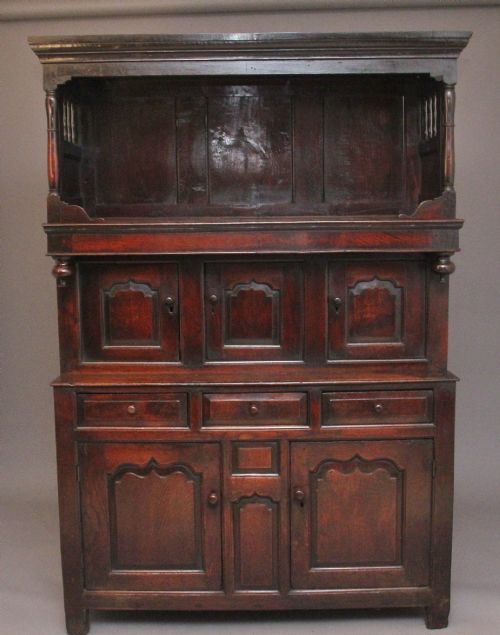
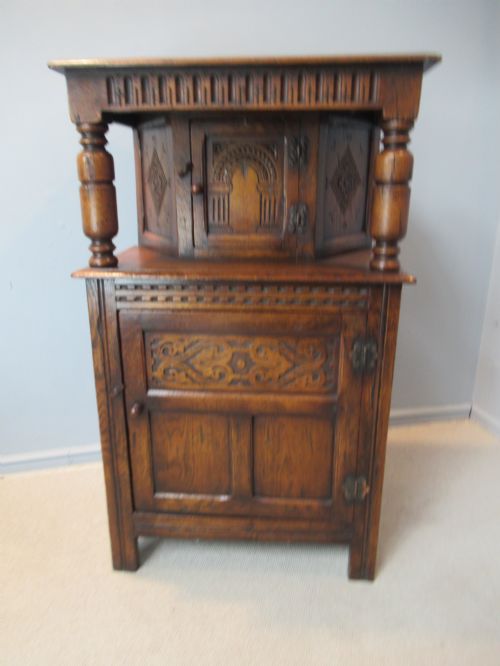
Traditional Oak Press Cupboard
A traditional oak press cupboard offers robust storage with deep historical roots, bringing utilitarian grace and rich timber warmth to any interior.
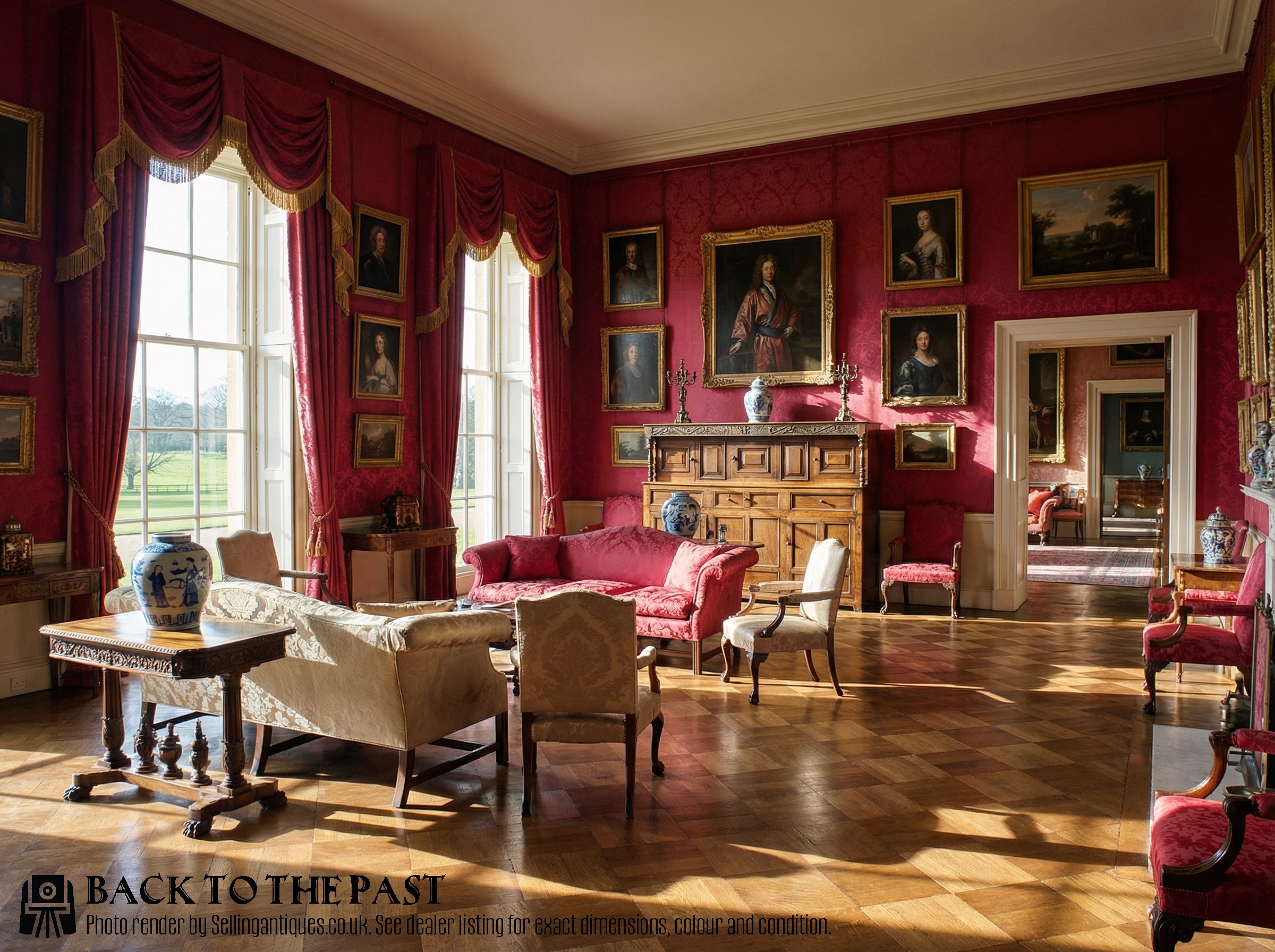
Traditional Oak Press Cupboard
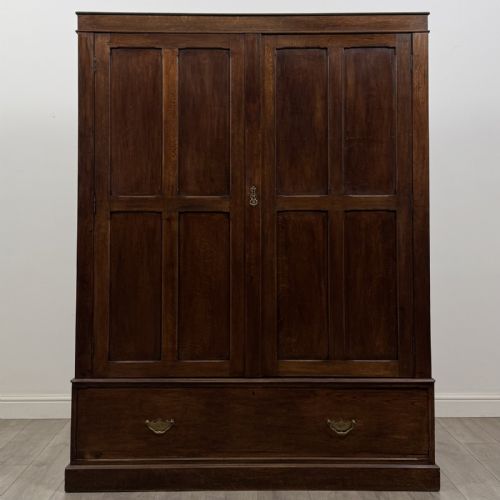
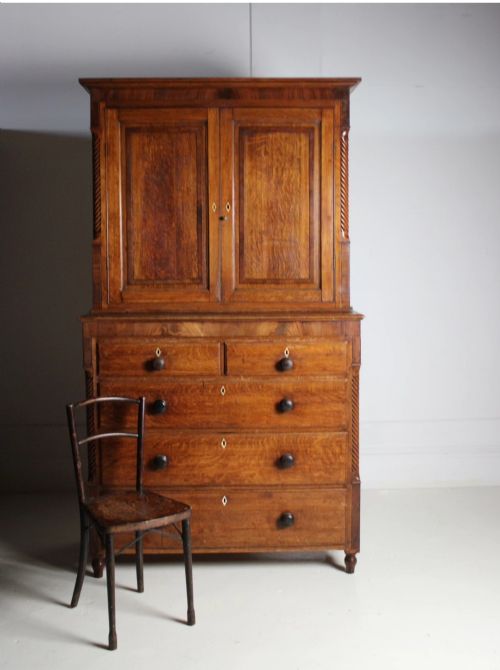
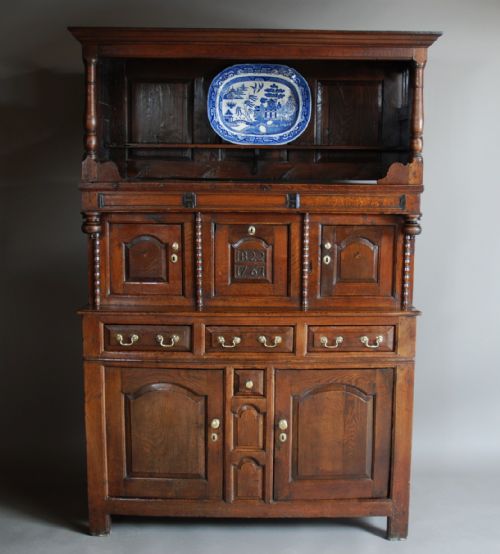
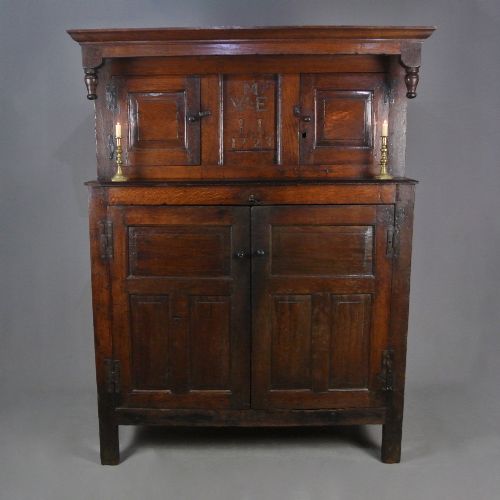
A traditional oak press cupboard is a substantial storage piece designed for linens, clothing, or provisions, often featuring upper and lower compartments. When searching for a traditional oak press cupboard, buyers frequently encounter regional variations such as Welsh tridarns and deuddarns alongside Georgian housekeepers' cupboards.
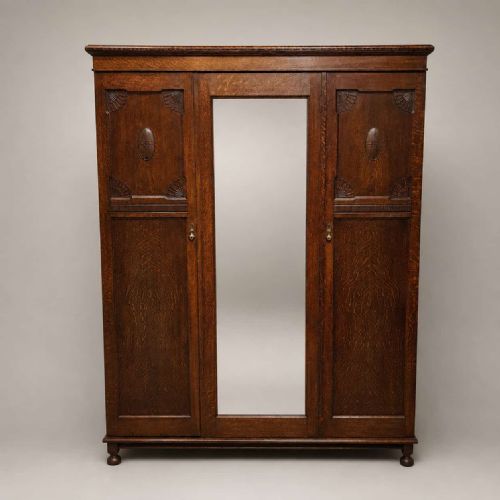
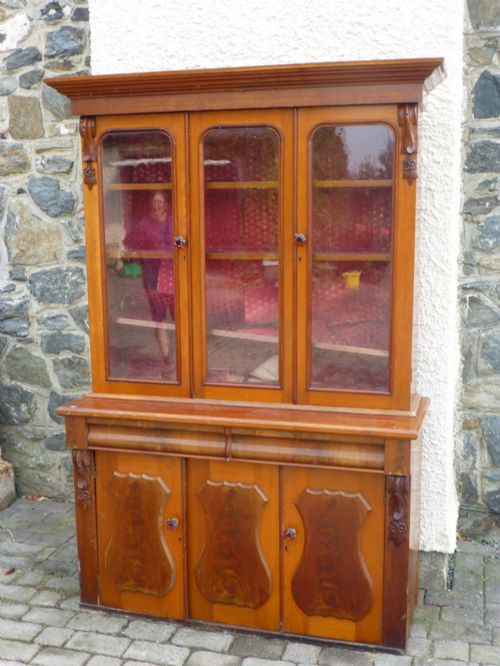
The selection ranges from early seventeenth-century court cupboards to nineteenth-century linen presses and kitchen cupboards. Pieces span periods from the eighteenth century through to the early twentieth century, showing influences from Georgian, Jacobean revival, and Welsh vernacular styles.
Most examples originate from English and Welsh workshops, utilising native timbers like oak and elm. Formats vary from low press cupboards and tall wardrobes to glazed dresser bookcases and food cupboards.
Assessing quality and character
The standard of a traditional oak press cupboard rests on the depth of the timber's natural patina and the crispness of any carved enrichment. Pieces retaining original surface textures and uncompromised proportions command greater attention from collectors.
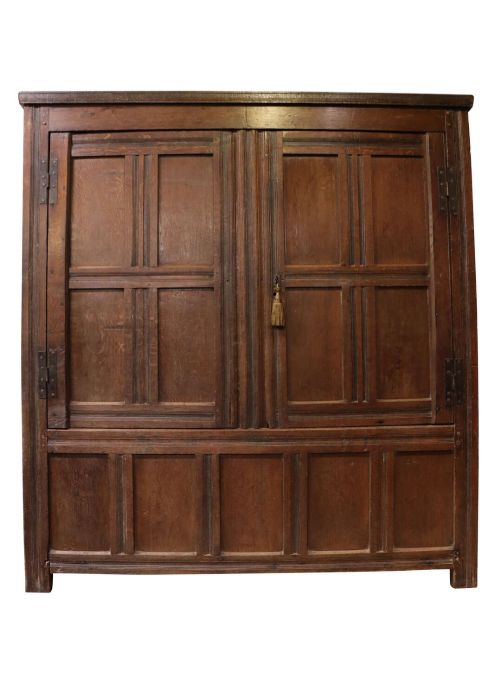
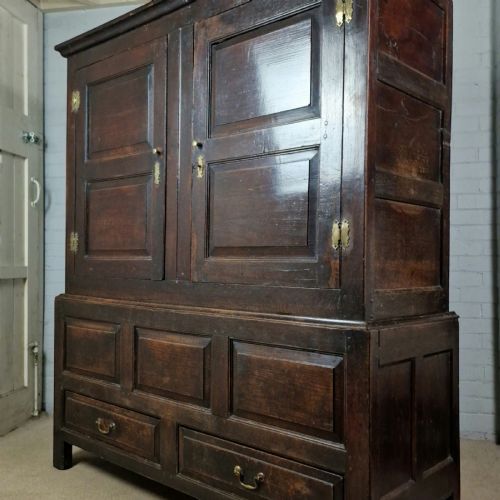
Hardware integrity also distinguishes finer examples, particularly where original blacksmith-made iron hinges and locks remain intact. The harmony between structural joinery and timber selection defines the overall presence of the piece.
Traditional Oak Press Cupboard Retail Price Guide 2026
Typical asking prices for traditional oak press cupboard among the pieces listed under this phrase on Sellingantiques today, from the lower quarter to the upper quarter. They describe what is for sale here now, not the wider market.
Several cupboards retain original blacksmith-forged iron locks that have secured household provisions for three hundred years.
The Traditional Oak Press Cupboard Glossary
- Tridarn
- A traditional Welsh three-tier cupboard featuring an open middle section supported by turned posts. This regional form provides substantial display and storage space.
- Deuddarn
- A traditional Welsh two-section cupboard designed with enclosed upper and lower storage compartments. These pieces often exhibit local vernacular carving.
- Livery Cupboard
- An antique storage cabinet historically used for storing food, candles, or small household provisions. These early pieces frequently feature louvered or ventilated doors.
- Court Cupboard
- An early English or Welsh formal sideboard with enclosed upper and lower tiers. They are characterised by heavy carving and recessed upper sections.
- Housekeeper Cupboard
- A large utility cupboard utilised in grand estates for storing linens and tableware. They typically offer extensive internal shelving and deep lower drawers.
Traditional Oak Press Cupboard: Frequently Asked Questions
How were press cupboards used historically?
Historically, these cupboards served as the primary storage vaults for domestic textiles, household stores, and provisions in large country houses and farmhouses. The upper and lower tiers allowed households to separate delicate linens from heavier woollens or foodstuffs.
Housekeeper and livery variations were stationed in working corridors or kitchens to maintain household order. They acted as central repositories for daily domestic management before fitted wardrobes existed.
How do I date an oak press cupboard?
Dating relies on examining construction techniques, joinery marks, hardware styles, and timber characteristics. Early pieces from the seventeenth and early eighteenth centuries often display pegged mortise and tenon joints with heavy mouldings.
Later nineteenth-century and revival examples show machine assistance, different internal configurations, and lighter panel construction. Comparing the door layout and regional carving styles provides further chronological context.
How do I care for antique oak furniture?
Preserving antique oak involves placing the cupboard away from direct heat sources and dramatic humidity fluctuations. These environmental controls prevent the solid timber from warping or splitting.
Occasional application of suitable beeswax helps nourish the wood and maintain its natural patina. Avoid modern silicone polishes, which can build up and degrade the historic finish.