
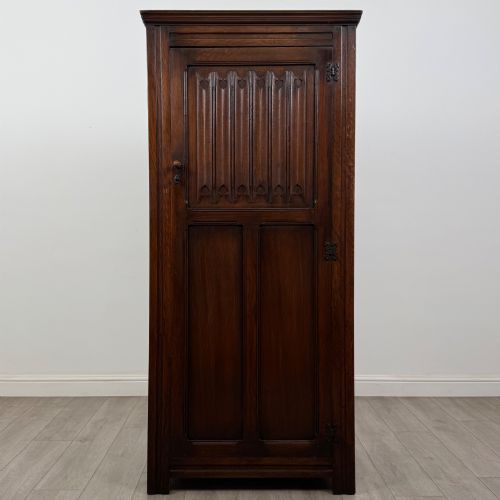
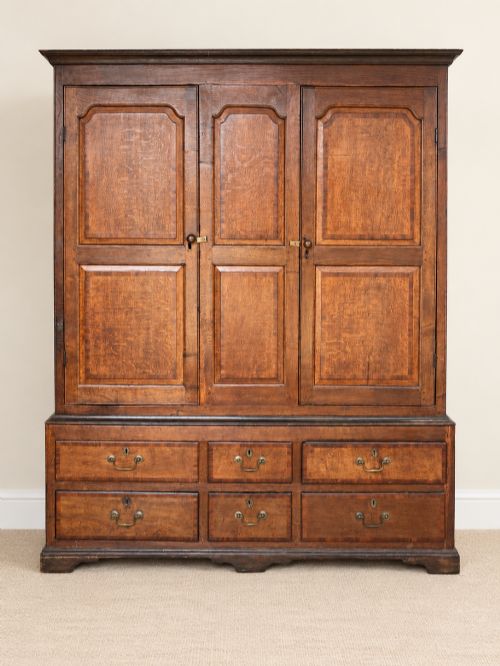
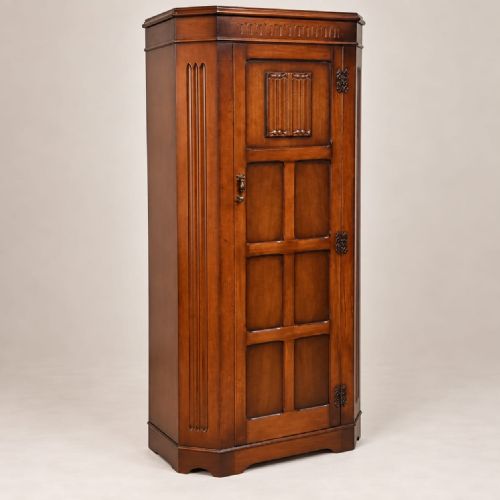
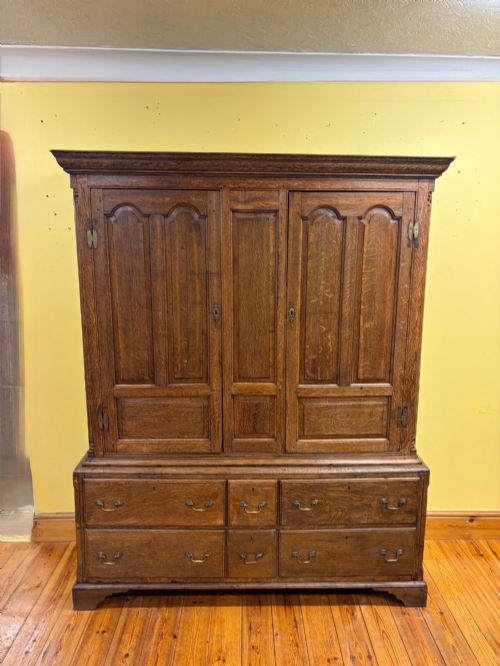
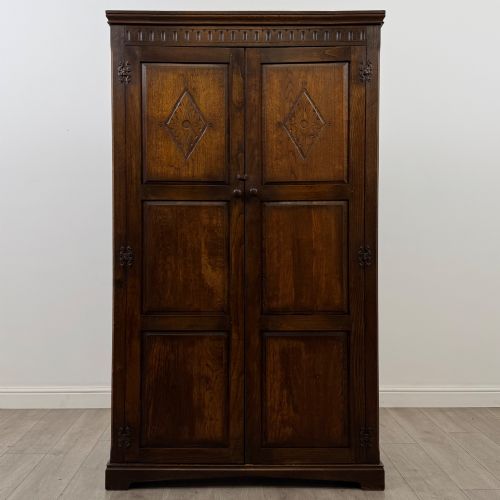
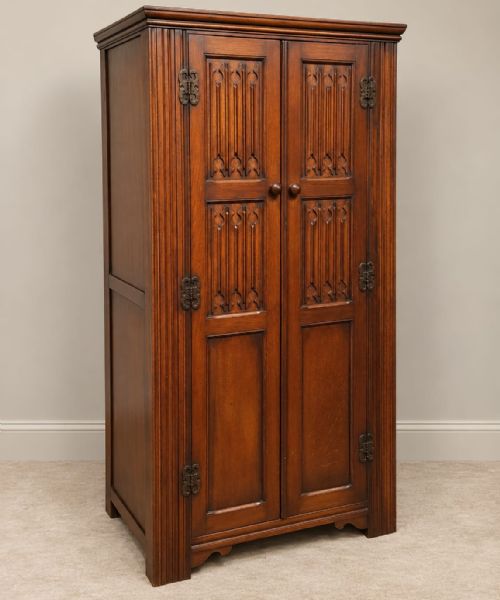
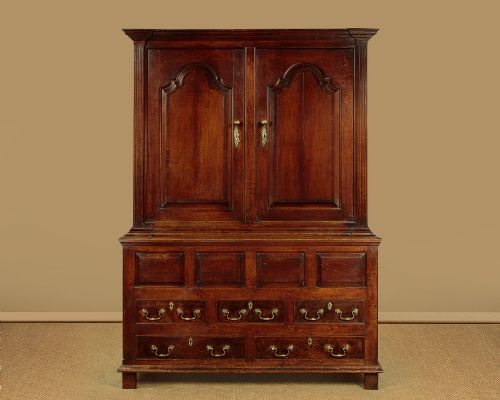
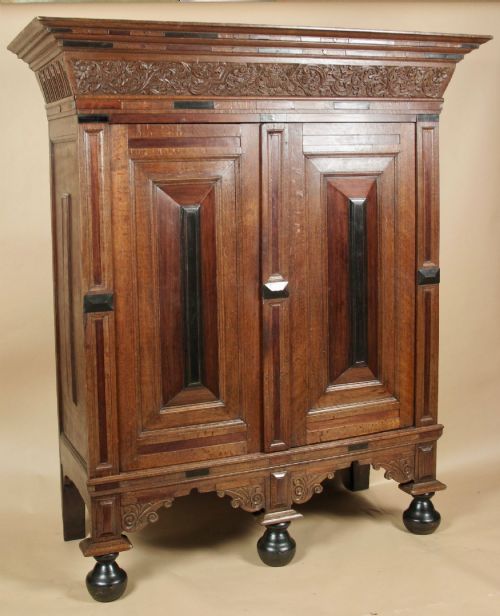
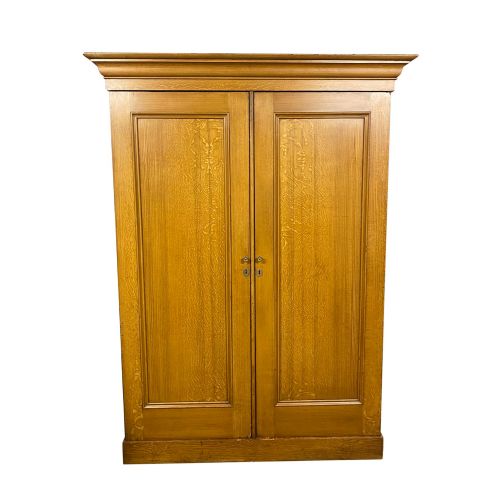
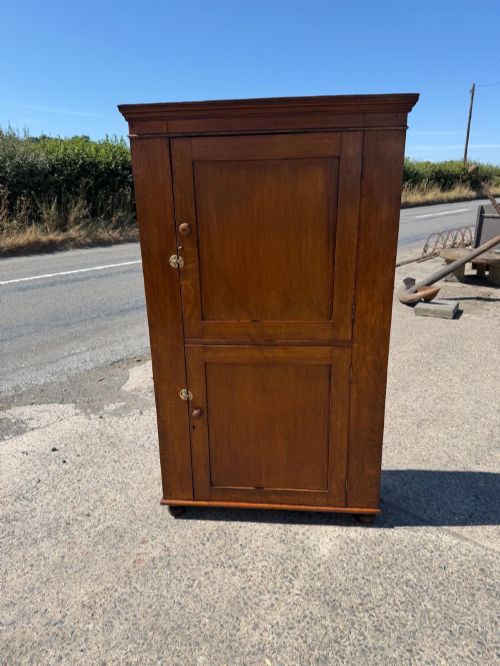
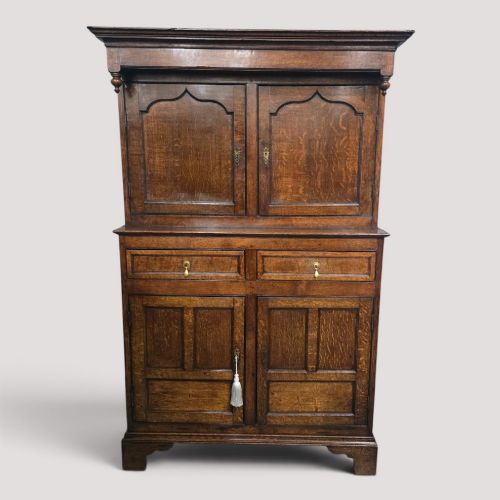
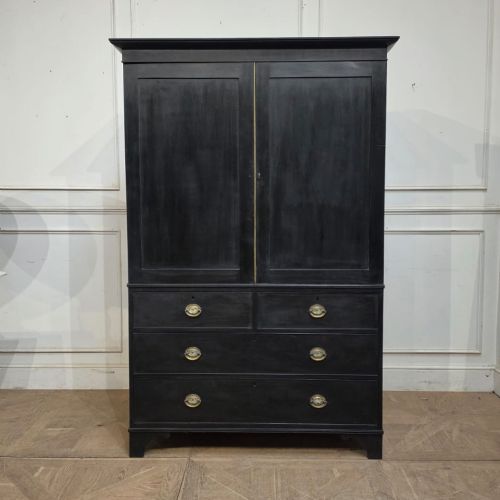
Oak Armoire Cupboard
An oak armoire cupboard brings substantial presence and durable storage to a room, drawing on centuries of European and British cabinet-making traditions.
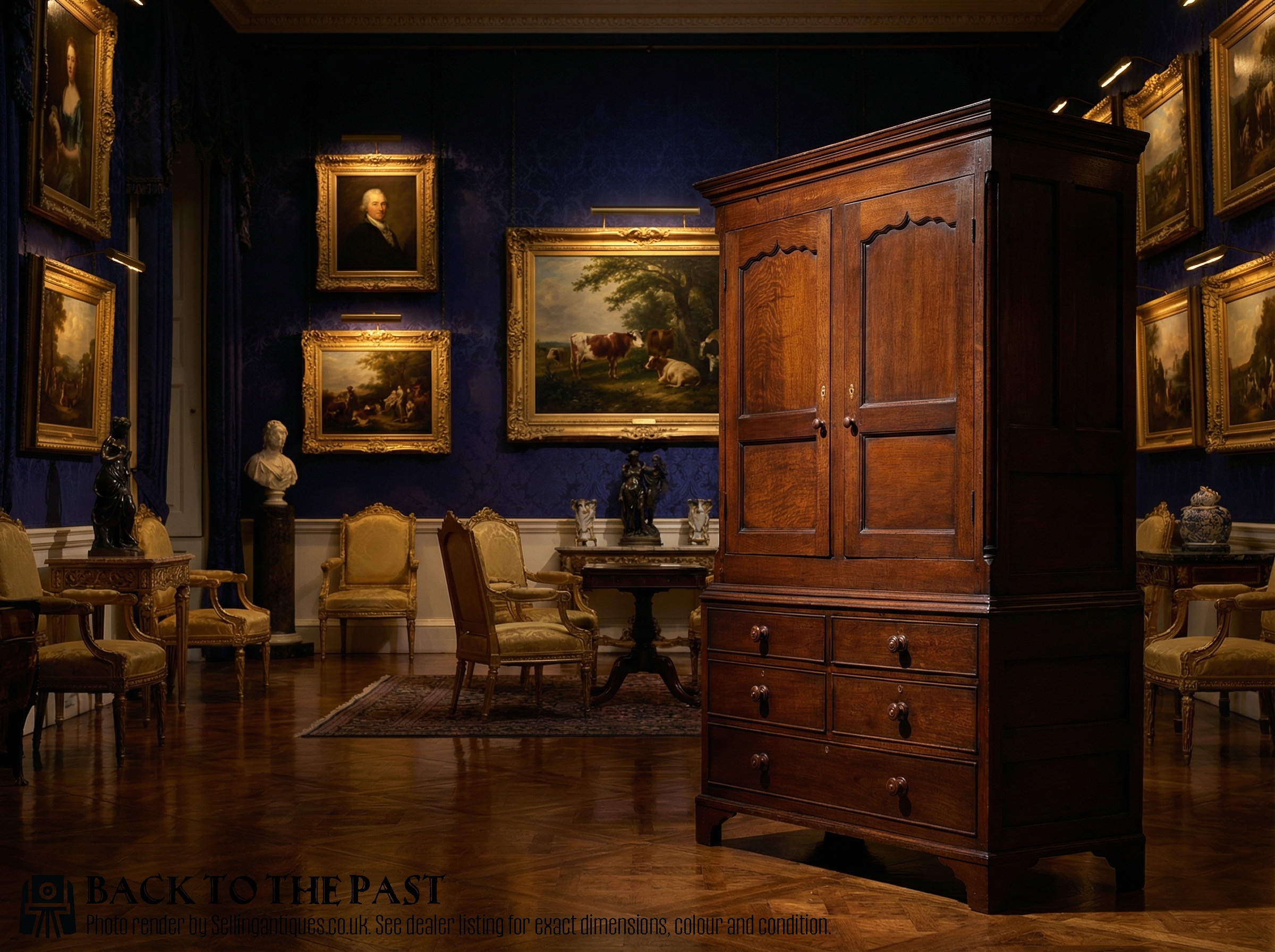
Oak Armoire Cupboard
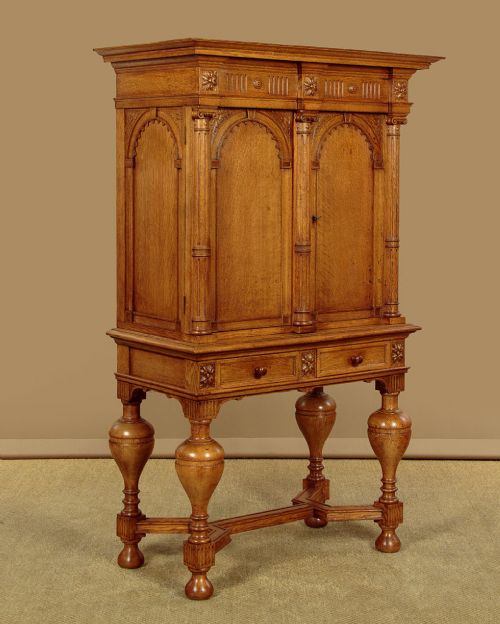
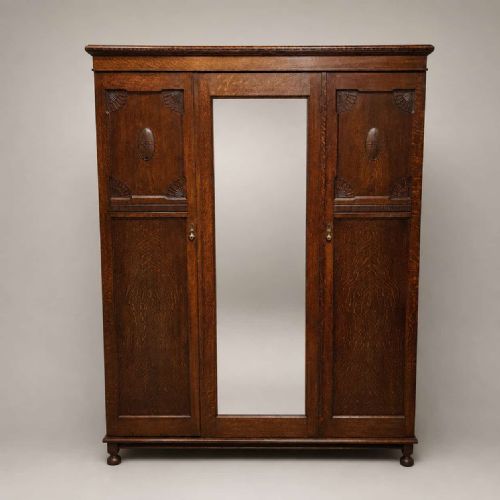
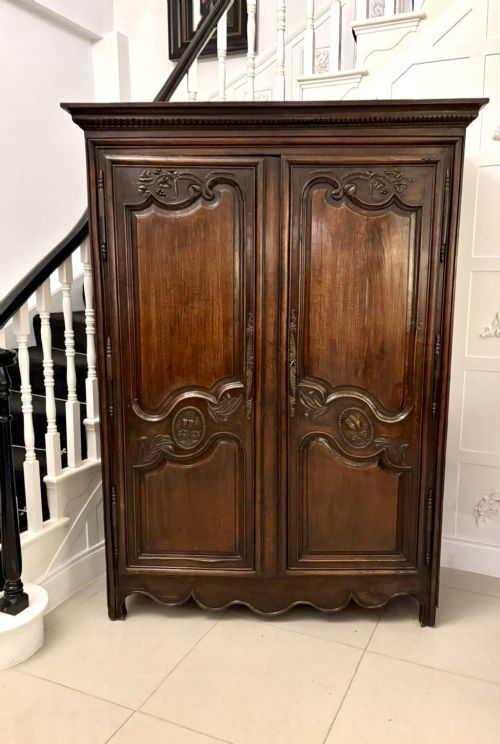
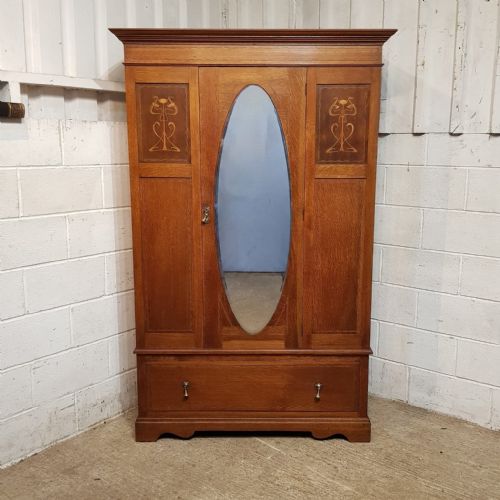
An oak armoire cupboard encompasses a diverse group of large storage furniture, including wardrobes, housekeepers' cupboards, linen presses, and regional European cabinets. These pieces serve primarily to store garments, linen, and household provisions within deep interior spaces enclosed by panelled doors.
Buyers searching for an oak armoire cupboard encounter items spanning from the 17th century through the Edwardian period and the 1920s. The selection ranges from vernacular Georgian country pieces and French provincial armoires to robust Arts and Crafts designs and Jacobean revivals.
Solid oak provides the primary structural foundation across the entire span, sometimes supplemented with fruit wood, pine, walnut, or ebony details. Regional variations appear frequently, connecting specific forms to English, French, Dutch, Flemish, and Spanish workshops.
How they were made
Cabinet-makers constructed these large cupboards primarily from solid oak, utilising traditional frame-and-panel techniques to accommodate the natural expansion and contraction of timber. Joinery relied heavily on pegged mortise and tenon joints, creating rigid carcases designed to withstand heavy domestic use over centuries.
Surface decoration involved various traditional methods, including hand carving, panel moulding, ebonising, and occasionally polychrome paintwork or scumble faux oak finishes. Hardware fixtures incorporate forged iron, brass, and steel hinges and handles that secure heavy doors and internal compartments.
Several cupboards retain unusual details like scumble faux oak paintwork and polychrome painted finishes, adding unexpected character to traditional storage.
What varies in quality
The sophistication of the joinery and the selection of timber dictate the standing of an individual piece within its period. High-grade examples feature dense, figured oak with precise hand-carved detailing and intact original hardware, whereas utilitarian pieces rely on simpler construction and plain timber boards.
The survival of original surface finishes, interior fittings such as hanging rails or linen slides, and structural integrity heavily influence the character of the piece. Alterations to interiors or replacement hardware alter the historical continuity of the cupboard.
Maple And Co·Harris Lebus·Heals
The Oak Armoire Cupboard Glossary
- Armoire
- A large upright cupboard or wardrobe used historically for storing clothes, originating in continental Europe. These pieces often feature double doors and generous internal depth.
- Linen Press
- A tall storage piece traditionally designed to store pressed linens, combining sliding trays in the upper section with drawers below. Georgian and Victorian examples appear frequently in British homes.
- Housekeeper's Cupboard
- A large utility cupboard traditionally utilised in large country houses for storing household provisions and linens. They typically feature panelled doors and substantial timber construction.
- Compactum
- A fitted wardrobe designed to maximise internal storage by dividing the interior space into hanging compartments, shelves, and drawers. This form gained popularity during the late 19th and early 20th centuries.
- Court Cupboard
- An early form of British storage furniture, usually featuring a tiered structure with enclosed upper and lower sections. They showcase substantial 17th-century craftsmanship and heavy oak timber.
Oak Armoire Cupboard: Frequently Asked Questions
How do I date an oak cupboard?
Dating relies on examining the construction methods, tool marks, and overall style of the timber. Hand-cut pegs, pegged joints, and vernacular moulding profiles usually indicate earlier 17th or 18th-century origins.
Later pieces from the Edwardian era or the 1920s often display machine-assisted joinery, standardised hardware, and different internal fittings. Comparing the timber grain and panel construction helps place the piece within its historical period.
Will an antique armoire fit in a modern bedroom?
These large storage pieces require careful measurement of both ceiling height and floor space before placement. Many historic cupboards are surprisingly deep and heavy, needing adequate clearance for doors to open fully.
Some larger wardrobes dismantle into sections for transport and installation, but verifying dimensions remains essential for modern rooms. Positioning them away from direct heat sources protects the historic oak timber from drying out.
What is the difference between an armoire and a wardrobe?
An armoire is a traditional continental European term for a large cupboard that historically stored various household goods, including clothing and linens. They often feature versatile shelving alongside hanging space.
Wardrobes specifically developed for hanging garments upright on hooks or rails as fashion changed in the 18th and 19th centuries. Many antique pieces blur these definitions, serving multiple storage functions depending on their interior layout.
How do I care for antique oak furniture?
Maintaining historic oak involves keeping the timber away from direct sunlight and fluctuating radiators to prevent splitting. Regular dusting with a soft, dry cloth preserves the patina without introducing harmful moisture.
Applying traditional beeswax occasionally helps nourish the wood and maintain its protective finish. Avoid modern silicone-based polishes, as they can permanently alter the surface of antique timber.