
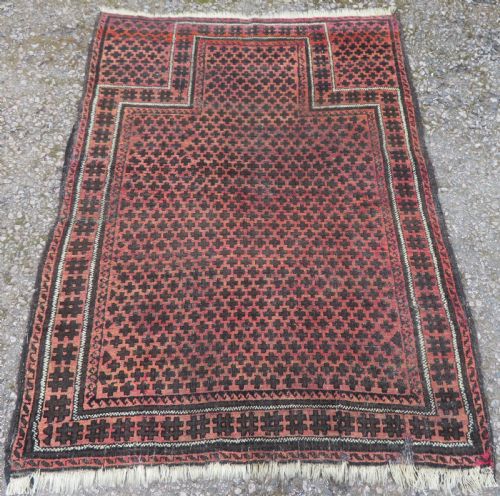


Nomadic Woven Mat
A nomadic woven mat brings tactile history into a room through tribal woolwork crafted by Persian, Turkmen, and Afghan makers.
Nomadic Woven Mat
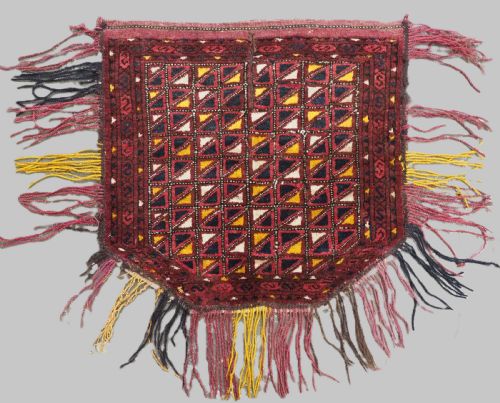
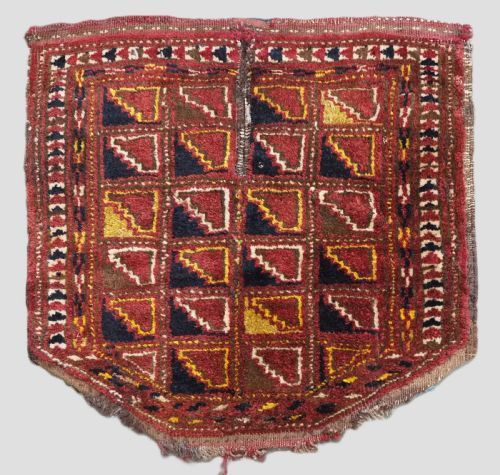
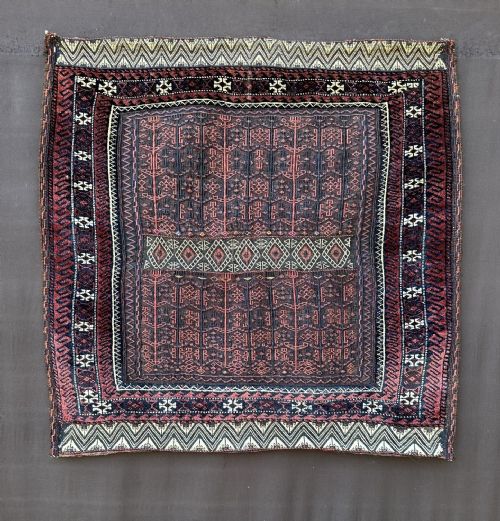
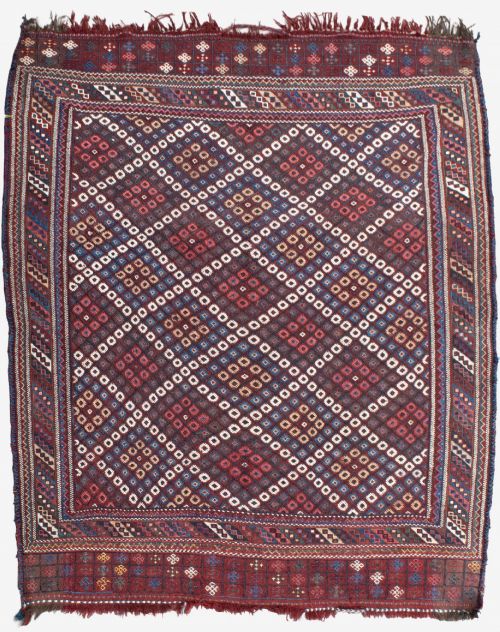
When you search for a nomadic woven mat, you encounter utilitarian tribal textiles such as saddle covers, bread sofrehs, bag faces, and prayer rugs originating from nineteenth and early twentieth-century Persia, Central Asia, and Afghanistan. These items served functional roles in nomadic daily life, from transporting belongings to laying out flat surfaces for meals.
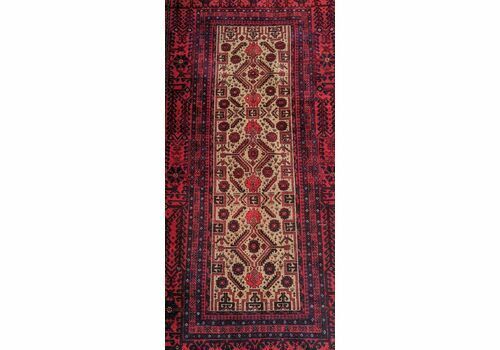
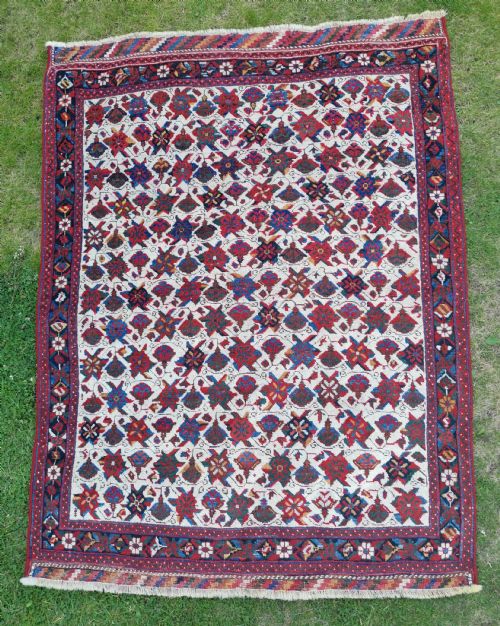
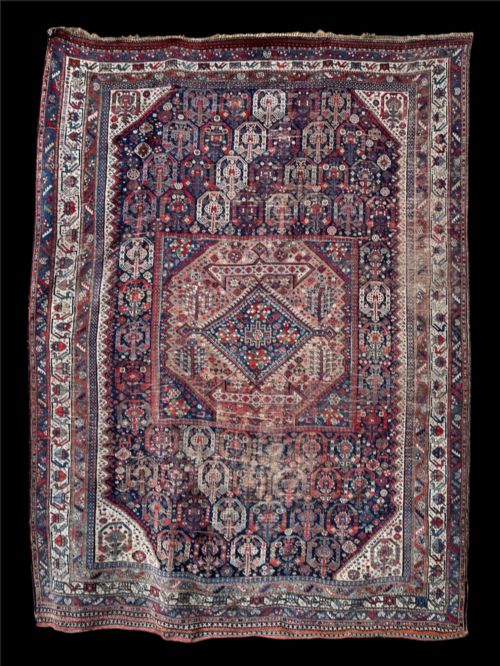
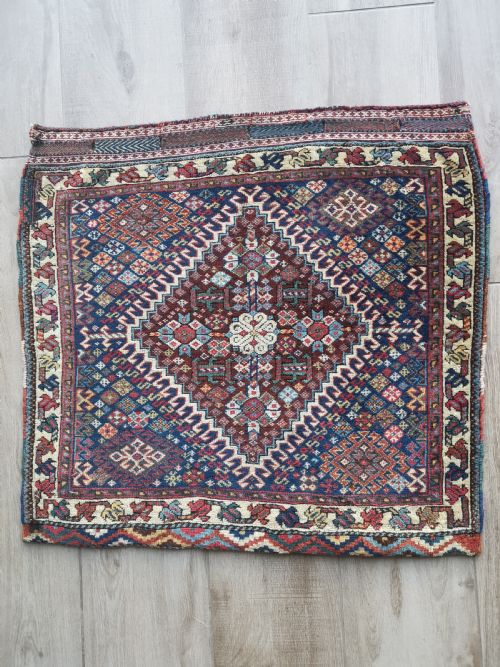
The pieces on this page span styles including Baluch, Yomut Turkmen, Afshar, and Qashqai. Rather than standard floor carpets, many survivors from this tradition are smaller formats designed for camp utility, capturing the specific visual language of distinct tribal groups.
Materials and construction
Makers utilised hand-spun wool and occasionally camel hair, relying on natural dyes to colour the fibres in deep, earthy tones. The handle of the wool reflects the climate and pastoral life of the weavers.
Construction techniques range from pile knots to flatwoven soumak and kilim structures. These sturdy methods ensured the textiles could endure the rigours of nomadic migration and daily camp use.
Listings feature pieces spanning the nineteenth century through the early twentieth century, utilising natural dyes, wool, cotton, and camel hair.
Evaluating the range
Quality rests upon the integrity of the natural dyes, the fineness of the knotting or weaving, and the crispness of tribal motifs such as guls or prayer mihrabs. A strong piece displays balanced proportions and purposeful execution within its design geometry.
Condition and completeness also shape the standing of a textile, particularly when original finishes like tassels or kilim ends survive intact. The vitality of the wool pile and the depth of secondary colours separate standard utilitarian examples from the finest surviving expressions.
The Nomadic Woven Mat Glossary
- Sofreh
- A flatwoven or piled spread used for handling bread or sharing meals within nomadic households. These textiles often feature minimalist field designs suited to their domestic purpose.
- Gul
- An octagonal or medallion-like motif repeated across Turkmen and tribal rugs to identify specific clans or lineages. Each tribal group adapted these geometric emblems with distinct variations.
- Torba
- A small storage bag face woven by Turkmen nomads for hanging inside a tent. They frequently display intricate secondary ornament framing the central field.
- Mihrab
- An arch-shaped design element found on prayer rugs, representing the direction of prayer. Weavers orient the apex of this architectural niche toward Mecca.
- Soumak
- A flatweaving technique that wraps supplementaryweft threads over the warp to create a textured, durable surface. This method produces sturdy textiles without a cut pile.
Nomadic Woven Mat: Frequently Asked Questions
What is a bread sofreh used for?
A bread sofreh served as a dining spread or dough-kneading cloth for nomadic families. The flatwoven surface kept food clean from dirt inside tents during daily meals.
Over time, these textiles became canvases for traditional tribal iconography, expressing the design identity of groups like the Afshar and Timuri.
How do I identify a Baluch rug?
Baluch rugs typically feature deep indigo, camel brown, and madder red grounds with repeating octagonal motifs, trees of life, or prayer arches. They originate from the borderlands of Persia and Afghanistan.
Many examples incorporate camel hair in the brown areas, which naturally degrades faster due to dye chemistry, creating a characteristic low-relief texture.
What does a gul design mean?
A gul is a repeating medallion emblem used by Central Asian and Turkmen weavers to signify tribal affiliation and ancestry. Different tribes, such as the Yomut and Saryk, utilised distinct variations of these primary octagons.
These geometric markers anchor the composition of main carpets, torbas, and saddle covers.
Are these rugs suitable for modern floors?
These resilient tribal pieces function well as floor coverings in low-traffic areas or as wall hangings to protect their historical structure. Their durable wool and dense construction suit daily environments.
Placing a breathable underlay beneath them prevents slipping and extends the lifespan of the antique weave.