

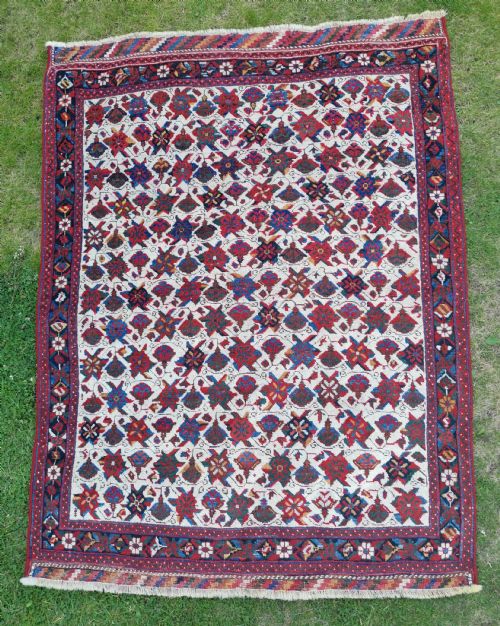
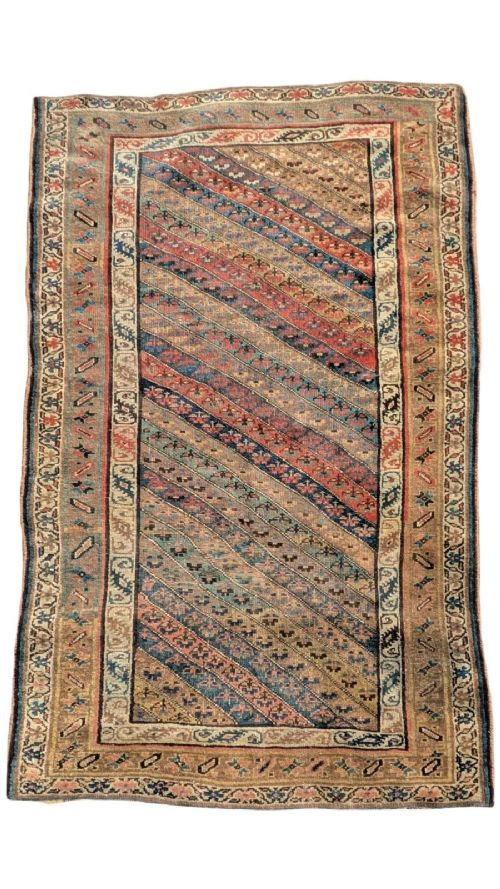
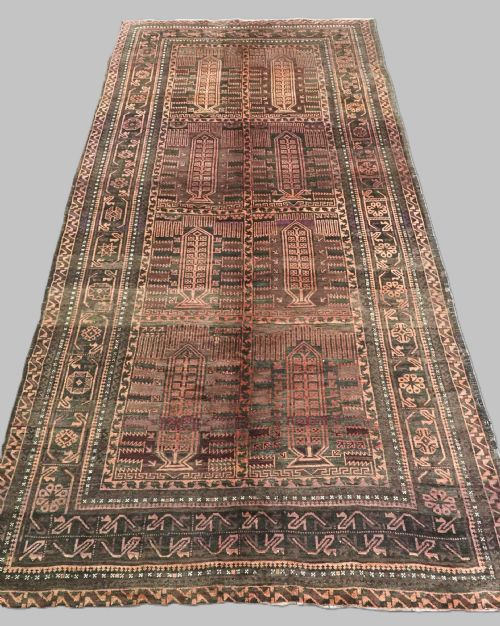
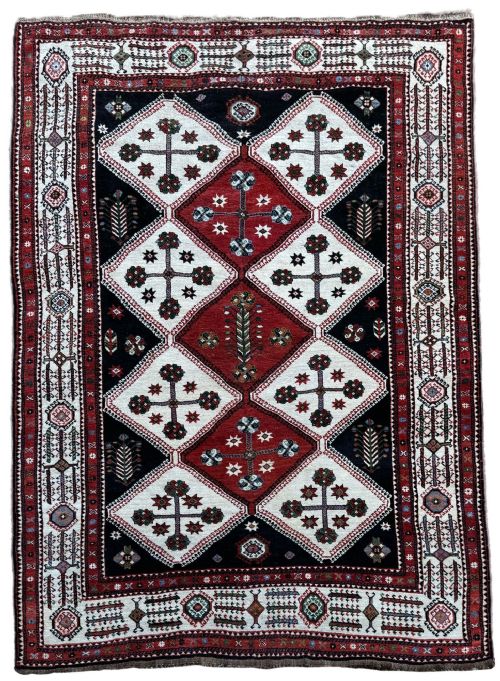

Nomadic Woven Area Carpet
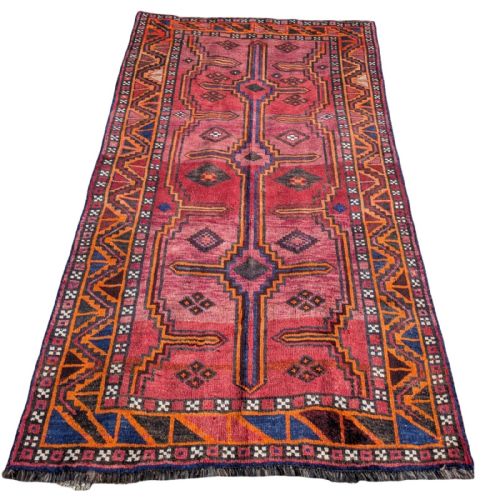
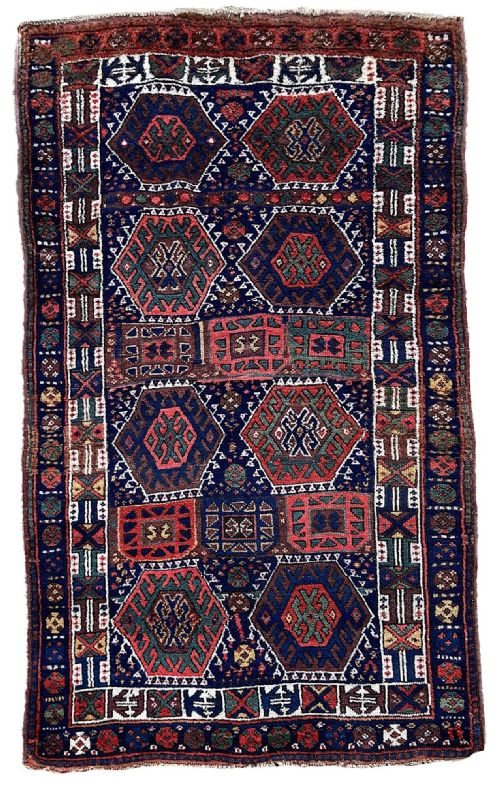
Nomadic woven area carpet pieces bring the bold geometry and storytelling of tribal weaving directly onto the floor.
Nomadic Woven Area Carpet
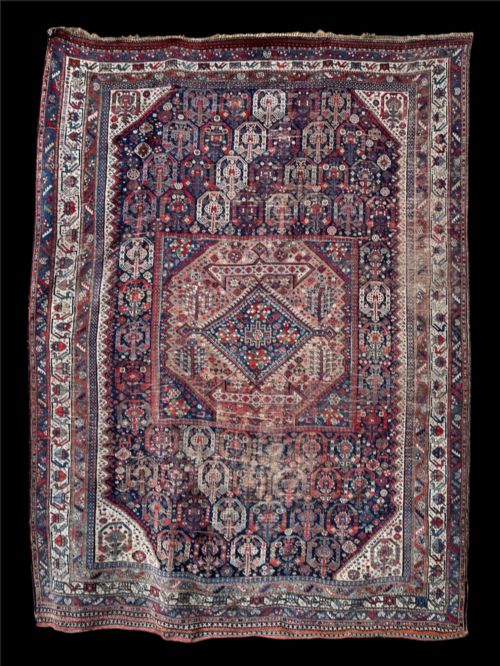
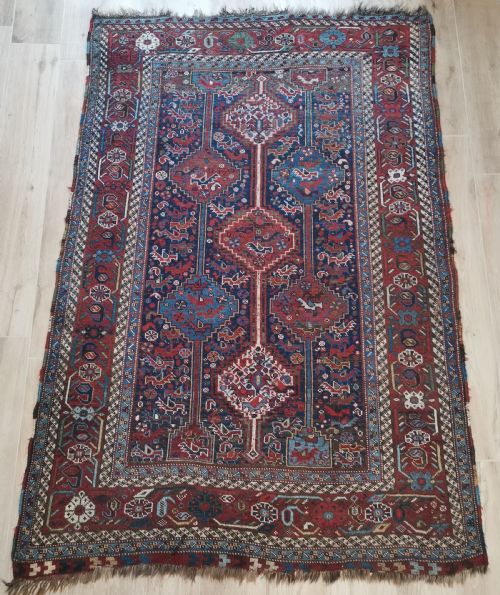
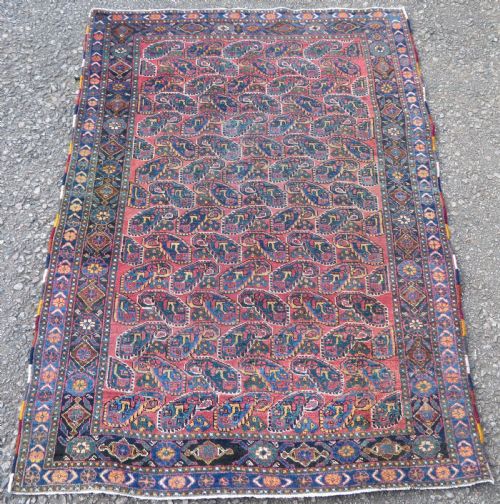
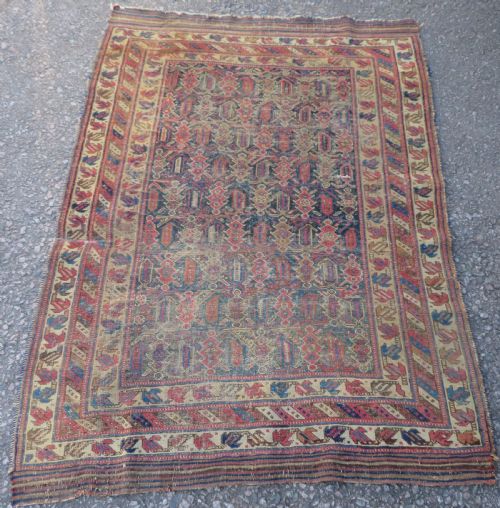
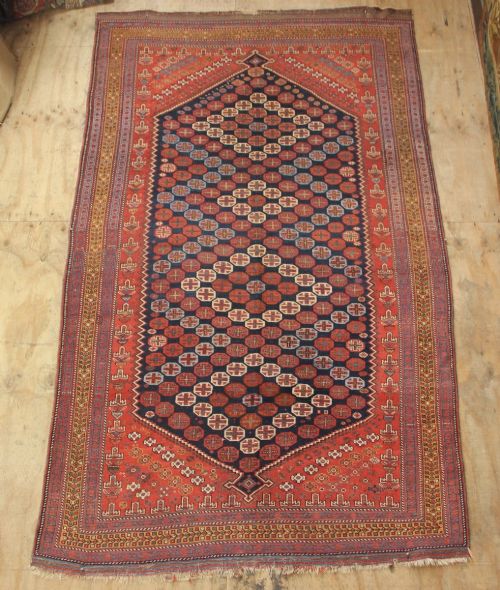
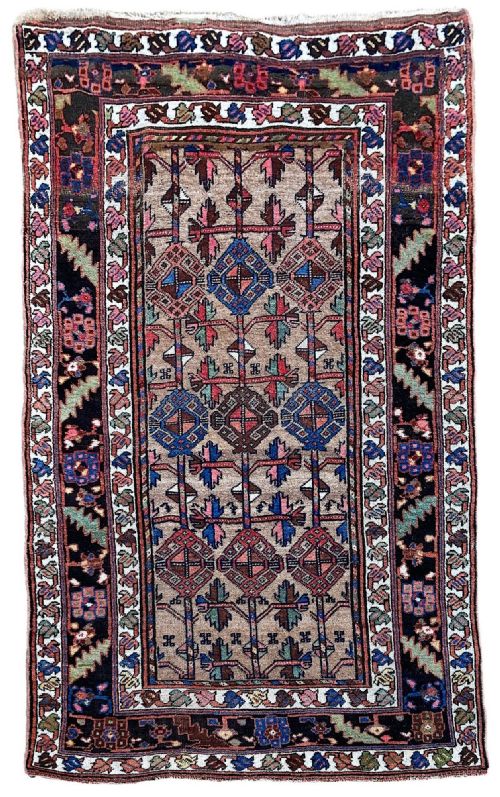
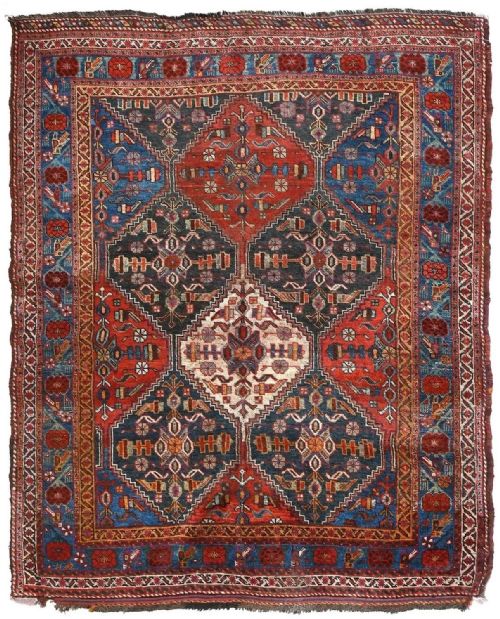
A nomadic woven area carpet represents the handiwork of tribal groups across Persia, the Caucasus, and Central Asia. These textiles span periods from the nineteenth century into the early twentieth century, taking the form of area rugs, runners, and tent door hangings.
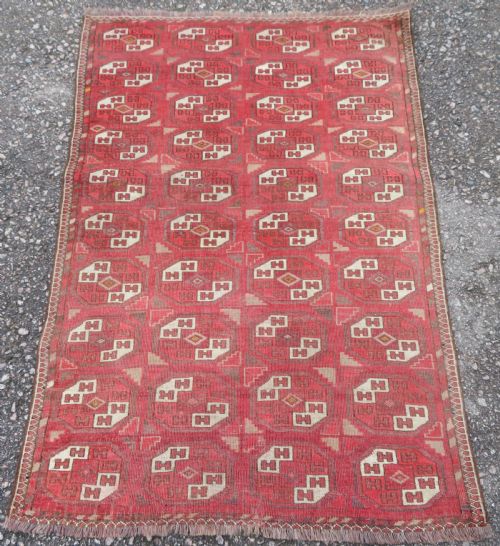
Buyers will frequently encounter regional tribal pieces attributed to groups such as the Afshar, Khamseh, Kurdish, Baluch, and Turkmen. These works range from compact hearth rugs to large main carpets.
The designs draw upon traditional tribal motifs, geometric medallions, and repeating guls rather than court workshops. Each piece reflects the specific heritage of the weavers who produced it.
Materials and construction
The construction relies heavily on hand-spun wool for the pile, complemented by cotton foundations in many examples. Some pieces incorporate goat hair and horsehair along the selvedges or structural warps and wefts for added durability.
Colour comes from natural dyes applied to the wool, yielding rich tones that weather gracefully over decades of use. The weaving itself is executed entirely by hand on portable vertical or horizontal looms.
The listings span weaving traditions from the nineteenth century up to the 1930s, using wool, cotton, and natural dyes.
Assessing quality and character
Quality rests in the tightness of the weave, the handling of the wool, and the clarity of the natural dye palette. Finer knots and supple wool distinguish the upper end of the range.
Artistic expression also dictates value, particularly where weavers departed from rigid formulas to introduce asymmetric tribal details or unusual structural variations.
The Nomadic Woven Area Carpet Glossary
- Gul
- A repeating medallion or octagonal motif frequently found in Turkmen and Central Asian tribal weaving. These symbols often identified specific clans or tribal affiliations.
- Kelims
- Flat-woven rugs and carpets made without a pile by tightly interweaving warp and weft threads. They offer a lightweight alternative to piled carpets.
- Natural Dyes
- Colouring agents derived from plants, insects, and minerals before the advent of synthetic dyes. They produce complex, subtle hues that develop a characteristic patina.
- Warp
- The vertical foundation threads stretched lengthwise on the loom before weaving begins. The pile knots are tied around these stationary threads.
- Weft
- The horizontal threads passed back and forth across the warp to lock the knots in place. They give the carpet its structural stability.
Nomadic Woven Area Carpet: Frequently Asked Questions
How do I clean a nomadic carpet?
Regular gentle vacuuming without a rotating brush helps remove embedded dust and grit from the wool pile. Professional specialist cleaning remains essential for deep washing to protect the natural dyes and wool fibres.
Water and harsh chemical detergents should be avoided at home to prevent bleeding and shrinkage. Allowing air drying in a shaded space preserves the integrity of the hand-spun materials.
Are these carpets suitable for heavy foot traffic?
Traditional tribal carpets were constructed for daily practical use in nomadic tents and village homes. The dense wool and sturdy knotting provide remarkable durability for modern living spaces.
Placing a suitable underlay beneath the rug prevents slipping and reduces friction against hard floors. This simple step extends the working life of nineteenth and early twentieth century textiles.
How do I identify different tribal patterns?
Regional identification relies on observing specific structural traits, border arrangements, and characteristic medallion types. Turkmen pieces frequently feature repeating guls, while Baluch works often display darker palettes and geometric filler motifs.
Familiarity with the distinct palettes of Afshar, Khamseh, and Kurdish groups aids in separating origins. Comparing structural details on the reverse side often clarifies tribal attribution.
Do natural dyes change colour over time?
Natural dyes mellow gracefully through exposure to light and air over long periods. This subtle softening process is known as abrash and contributes to the visual depth of the wool.
Even fading across the surface indicates genuine age and exposure rather than a manufacturing defect. Such tonal variations are valued by collectors for their authentic character.