

Nomadic Wool Weaving
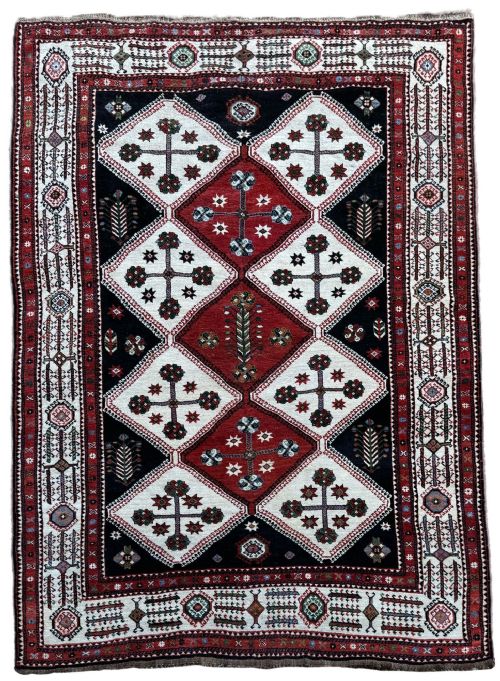
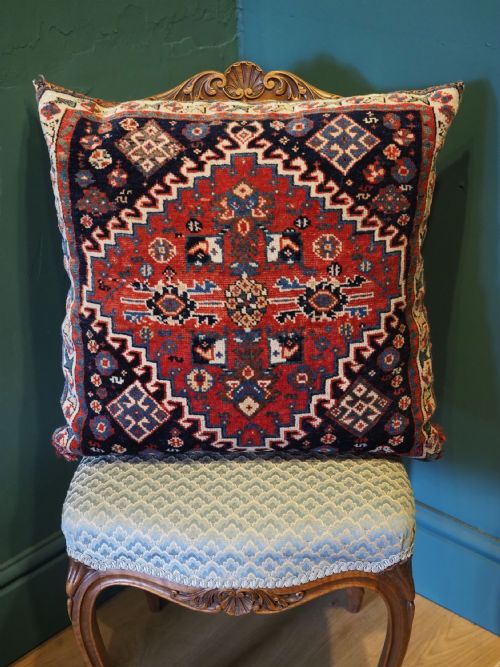
These pieces of nomadic wool weaving bring together tribal textiles, saddle bags, and carpets produced across Persia, Central Asia, and the Caucasus from the mid-nineteenth century onward.
Nomadic Wool Weaving
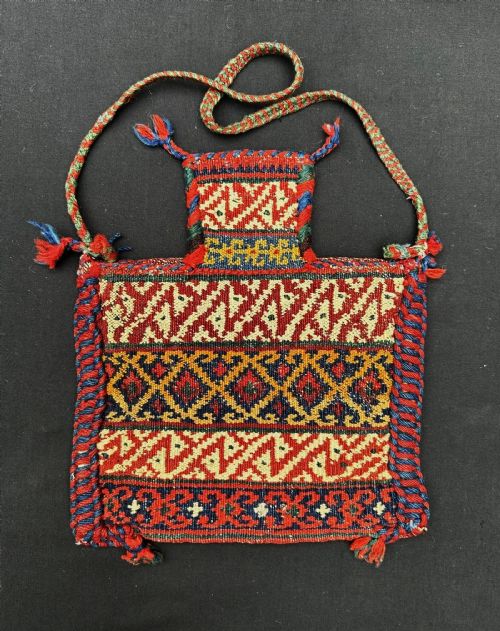
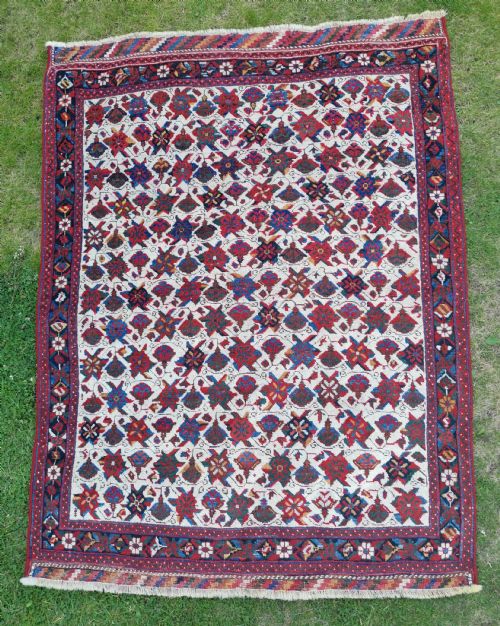
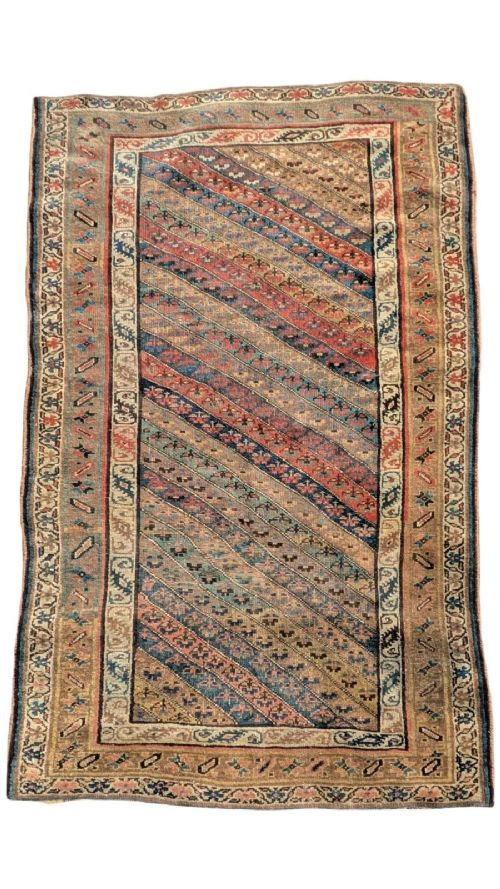
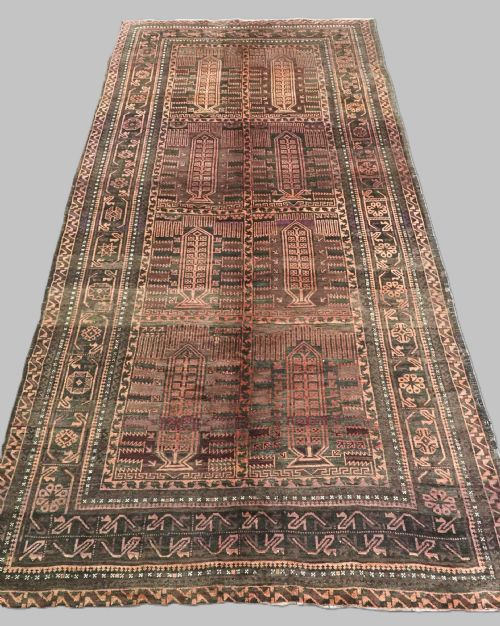
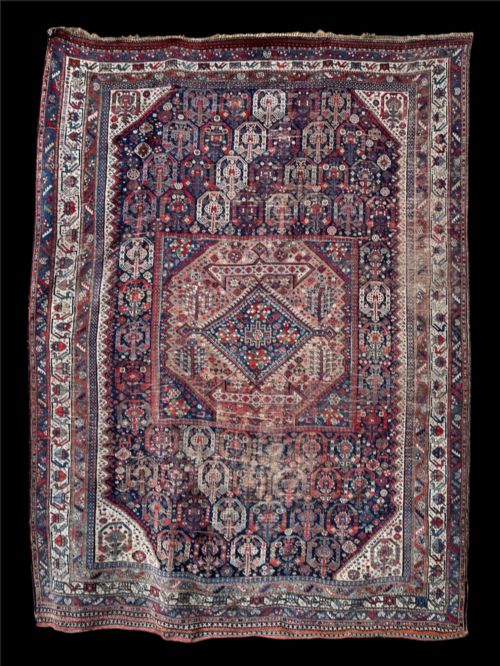
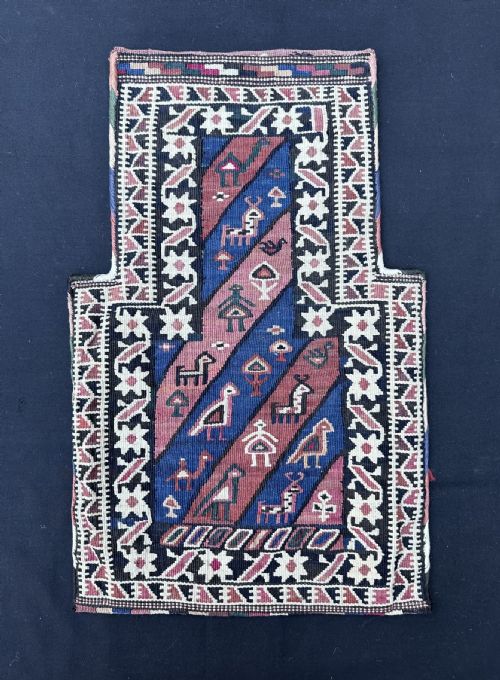
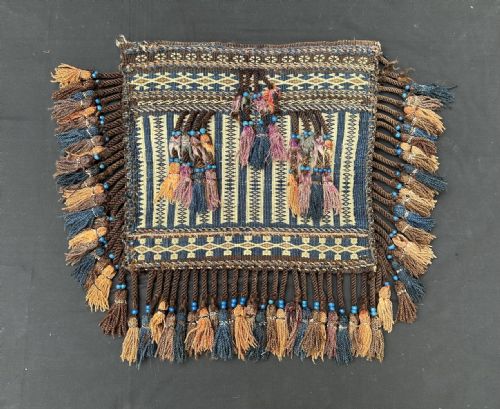
When a buyer examines nomadic wool weaving, they encounter utilitarian objects created by tribal groups for daily existence, transport, and ceremony. The selection ranges from large carpets woven by Afshar, Khamseh, and Lori nomads to specialised items like salt bags, vanity bags, and horse covers.
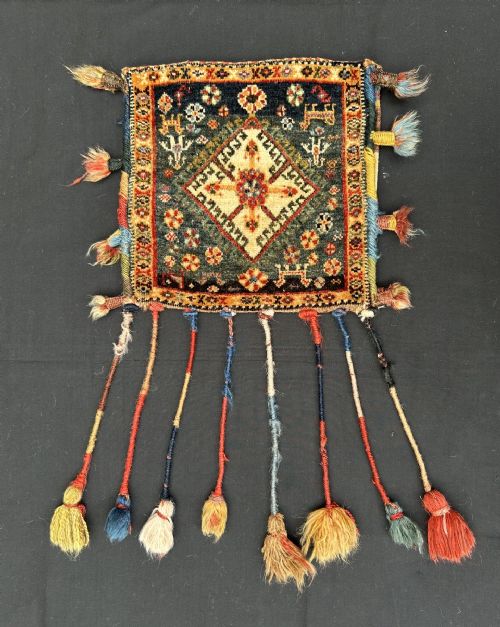
The most common forms on this page include smaller storage containers and animal trappings originating from confederacies such as the Qashqai and Turkmen tribes. These pieces reflect the movement and lifestyle of pastoral communities through traditional patterns passed down across generations.
Geographic origins span specific regions from the Fars province in south-west Persia to the steppes of Turkmenistan and the mountains of Azerbaijan. Each piece carries the distinct tribal identity of the makers who utilised local designs and material resources.
Gradations in execution
Quality in these textiles depends upon the tightness of the knotting, the handling of the wool, and the clarity of the natural dye palette. Finer examples display meticulous control over geometric or pictorial motifs, maintaining straight edges and balanced proportions across the field.
The integrity of the material foundation separates standard utility pieces from exceptional tribal items. Well-preserved surfaces retain the original hand-spun texture and secure selvedges, whereas compromised examples show heavy structural loss or brittle wool.
The inventory encompasses periods from the mid-nineteenth century through the early twentieth century, including dated examples from the 1850s to the 1920s.
The Nomadic Wool Weaving Glossary
- Khorjin
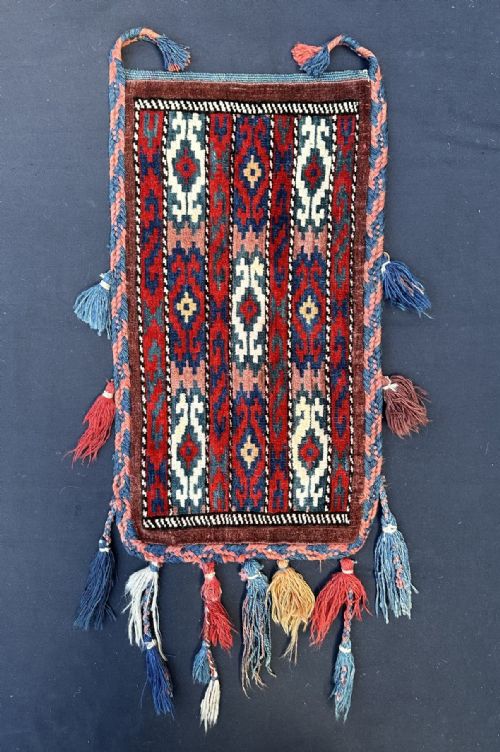
- A traditional double-sided saddle bag used by nomads for transport and storage. These bags feature patterned faces and plain backs designed to hang across a pack animal.
- Asmalyk
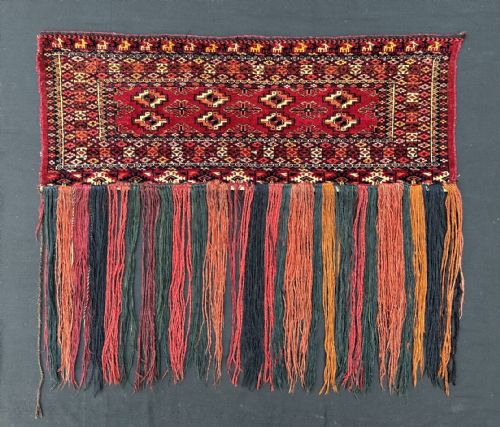
- A large pentagonal trapping produced by Turkmen tribes, traditionally hung on the flanks of a camel during wedding processions. They showcase intricate geometric layouts specific to groups such as the Yomut.
- Gapylyk
- A tent door cover created by Turkmen weavers to frame the entrance of a yurt. These architectural textiles display structured field designs and protective tribal symbols.
- Kap
- A general term for a storage bag or sack utilised within nomadic encampments. These containers held household goods, bedding, or personal possessions.
- Warps
- The stationary vertical threads stretched onto a loom that form the structural skeleton of the textile. Weft threads pass horizontally between them to secure the knots.
Nomadic Wool Weaving: Frequently Asked Questions
What is a tribal bagface?
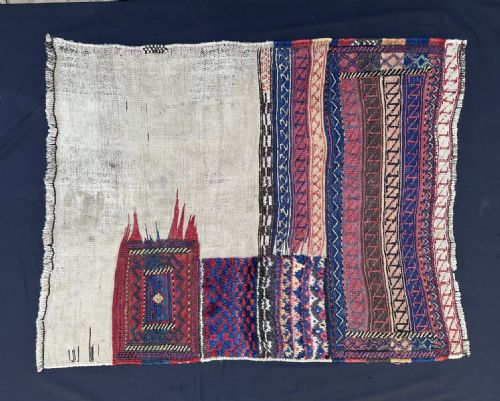
A bagface is the decorative front panel of a larger nomadic storage container, separated from the plain back over time due to wear or utility. These panels preserve the primary geometric and pictorial weaving of the original piece.
Collectors often frame or display them as standalone textiles because they concentrate the finest design work and colour distribution of the complete sack.
How do I identify Turkmen weavings?
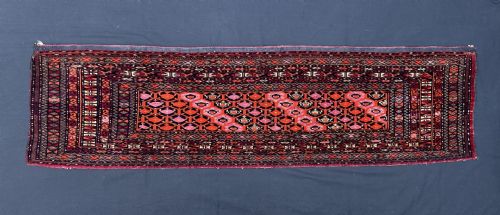
Turkmen pieces are typically distinguished by their deep red or madder-based colour palettes and repetitive gul motifs, which represent specific tribal crests. Items such as asmalyks and kaplyks originate from groups residing around Central Asian oases.
Their structure often incorporates dense wool construction and specialised end finishes that mark them out from Persian or Caucasian tribal work.
Where were Qashqai items made?
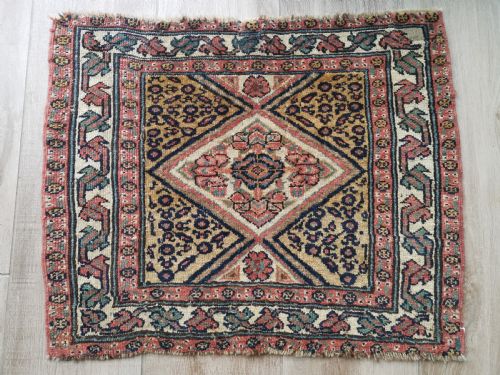
Qashqai weavings originate from the Fars province in south-west Persia, produced by various confederated sub-tribes including the Kashkuli and Bolvardi. These pieces frequently depict animal trappings, vanity bags, and saddle covers.
They are recognised by their expressive animal figures, medallions, and use of saturated natural dyes on fine wool foundations.
How should I care for antique wool textiles?
Antique nomadic wool weaving requires stable indoor humidity and protection from direct sunlight to prevent natural dye fading and fibre degradation. Periodic gentle vacuuming with a mesh screen protects the fragile weave from stress.
For structural support, mounting the textile flat on a padded backing board distributes weight evenly across the historic foundation.