

Nomadic Tribal Weave
Nomadic tribal weave describes hand-knotted and flat-woven pieces produced by pastoral groups across Persia, Central Asia, and the Caucasus.
Nomadic Tribal Weave
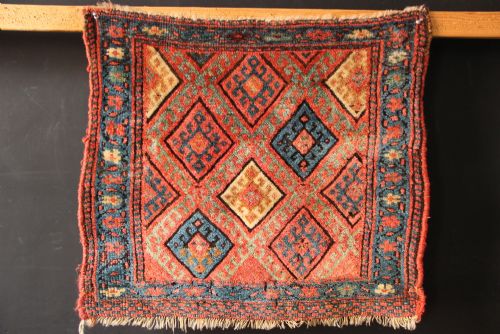
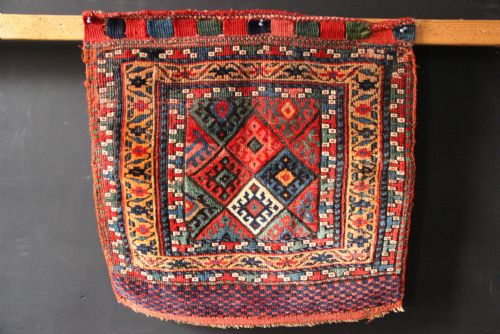
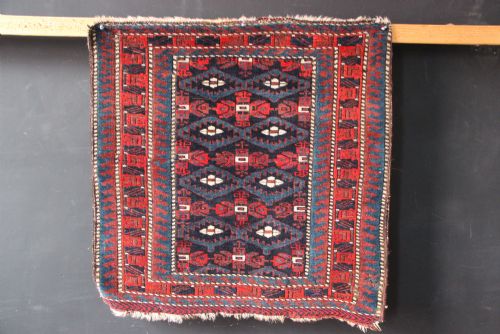
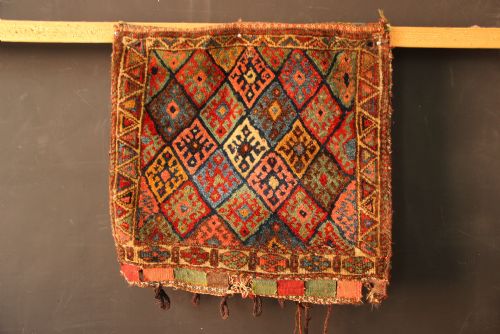
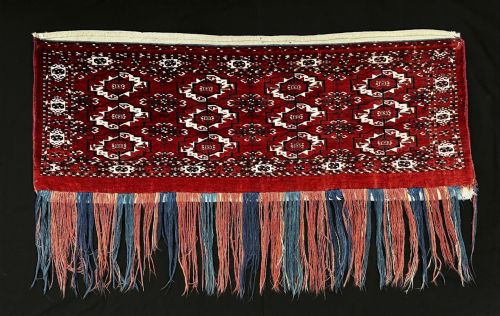
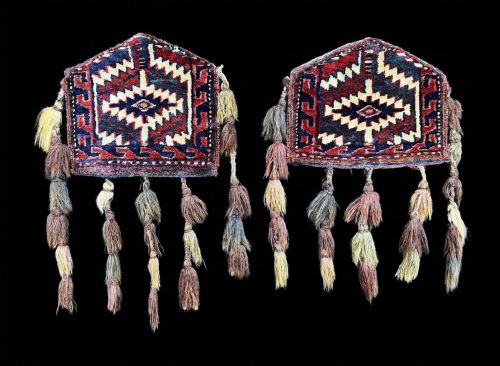
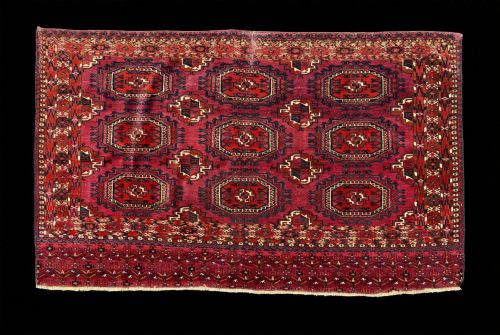
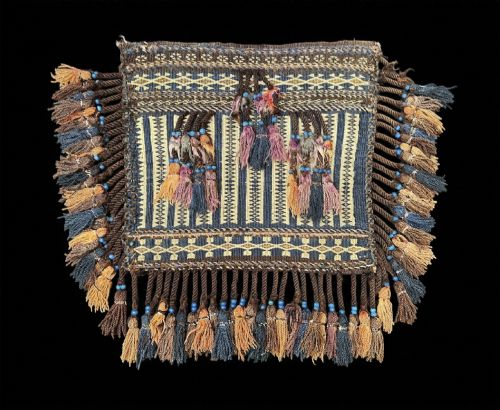
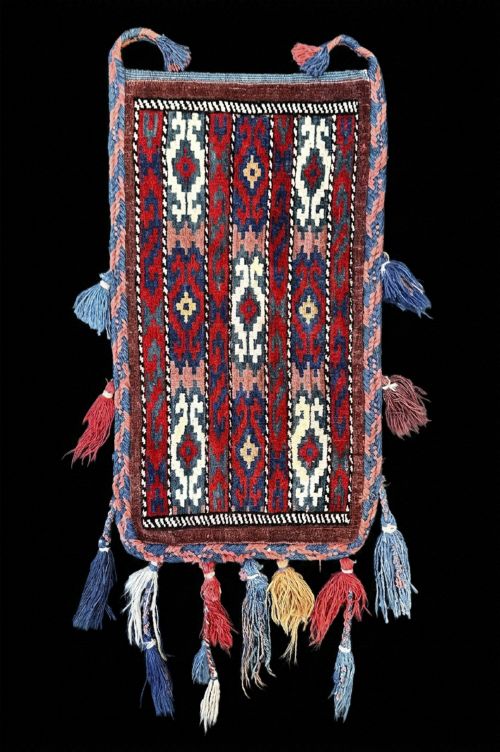
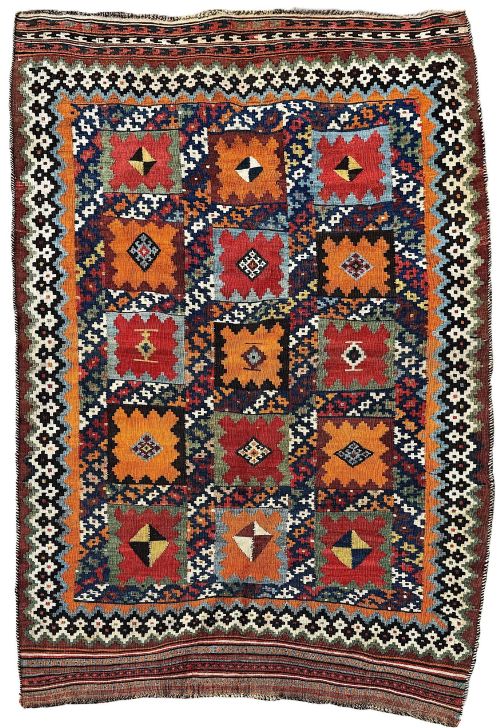
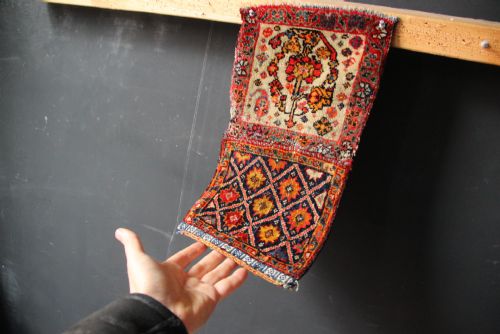
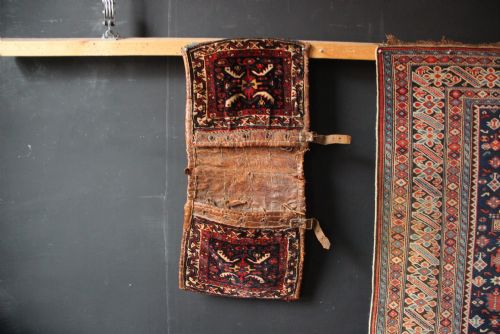
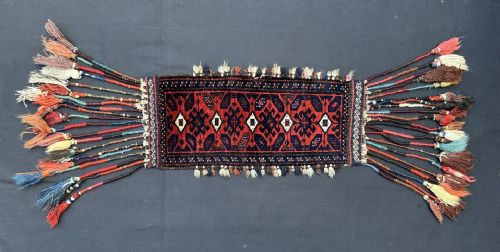
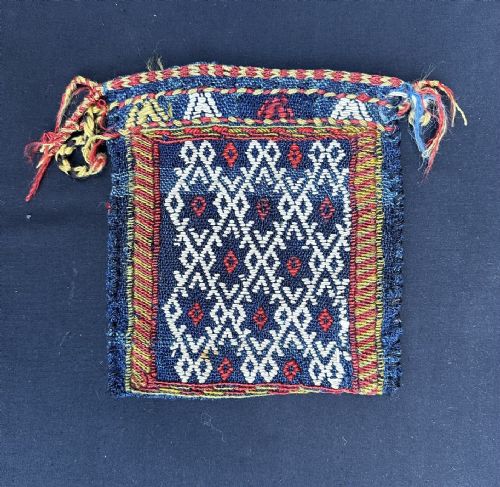
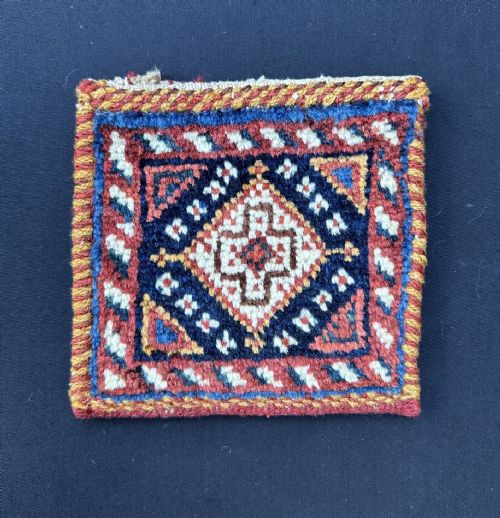
Smaller formats dominate the selection, with numerous bagfaces, salt-bags, and vanity-bags appearing alongside larger room-sized carpets and kilims. These functional items reflect the portable lifestyle of nomadic weavers who required durable, useful household furnishings. Each piece carries structural details and design motifs tied directly to its specific tribal origin.
The visual vocabulary relies on geometric patterns, medallions, and traditional symbols passed down through generations of makers. Pieces range from compressed square saddlebags to long runners and prayer rugs, providing a comprehensive cross-section of nineteenth and early twentieth-century tribal production.
Materials and construction
Makers utilised hand-spun wool for the pile and foundation yarns, frequently pairing it with cotton for structural stability in specific regional carpets. The natural dyes employed across these pieces produce rich, variable tones derived from local plants and minerals. Additional decorative elements such as glass beads, cowrie shells, and leather attachments appear on select utilitarian bags and trappings.
Weaving techniques vary between pile knotting and flat-weaving, depending on whether the intended object was a floor covering or a storage container meant for transport on animals. The tight structure of these textiles served a practical purpose, protecting contents from dust and weather during seasonal migrations.
Nomadic Tribal Weave Retail Price Guide 2026
Typical asking prices for nomadic tribal weave among the pieces listed under this phrase on Sellingantiques today, from the lower quarter to the upper quarter. They describe what is for sale here now, not the wider market.
Materials recorded in current inventory include hand-spun wool, cotton, leather, glass beads, and cowrie shells.
Assessing the examples
The integrity of the wool and the depth of the natural dyes determine the visual presence of a nomadic tribal weave. Finer pieces demonstrate careful selection of hand-spun materials that hold rich, saturated colour across the field. The handling of secondary elements, such as the survival of original leather bindings or shell embellishments, also influences the character of a surviving textile.
Structural tightness and the precision of the geometric layout separate standard utilitarian items from exceptional weaving. A strong piece maintains structural soundness while exhibiting the confident asymmetry typical of nomadic hands working without rigid paper cartoons.
The Nomadic Tribal Weave Glossary
- Bagface
- The decorated front panel of a larger storage sack or saddlebag, preserved after the plain back has worn away. These panels function as small format wall hangings or collector pieces.
- Kilim
- A flat-woven textile produced without a pile by tightly interweaving warp and weft threads. These lightweight rugs served multiple purposes in nomadic camps.
- Saddlebag
- A paired set of storage bags joined by a central web, designed to be draped over pack animals during migration. Complete surviving pairs remain prized by collectors.
- Asmalyk
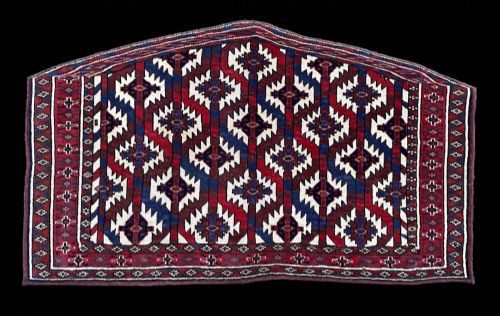
- A pentagonal trapping produced by Turkmen groups, historically mounted on the flanks of a camel during wedding processions.
Nomadic Tribal Weave: Frequently Asked Questions
How were these bags used?
Storage bags, grain sacks, and saddlebags carried belongings, food, and household goods during seasonal movements across Persia and Central Asia. They hung inside tents or draped over pack animals.
Smaller pouches held specific items such as salt, vanity accessories, or spoons, reflecting the organised domestic life of nomadic groups.
How do I care for an antique textile?
Protect antique wool and natural dyes by keeping pieces out of direct sunlight to prevent fading. Regular gentle vacuuming without a beater bar removes trapped dust from the weave.
Professional specialist cleaning is recommended when necessary, avoiding harsh commercial detergents that strip natural oils from the wool.
How do I identify tribal origins?
Tribal origins are identified through a combination of colour palettes, structural weave techniques, and specific geometric border motifs. Groups such as the Qashqai, Baluch, and Yomut each utilised distinct design vocabularies.
Examining the materials, such as the presence of specific wool types or cowrie shell decorations, provides further clues to regional provenance.