


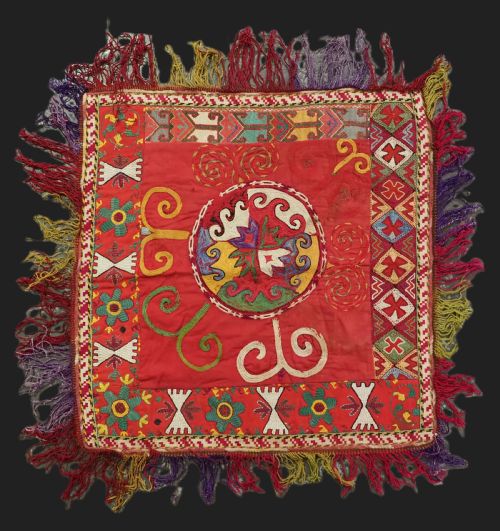

Nomadic Textile Art
When exploring nomadic textile art, one encounters woven and embroidered utilitarian objects created by tribal makers across Central Asia and Persia.
Nomadic Textile Art
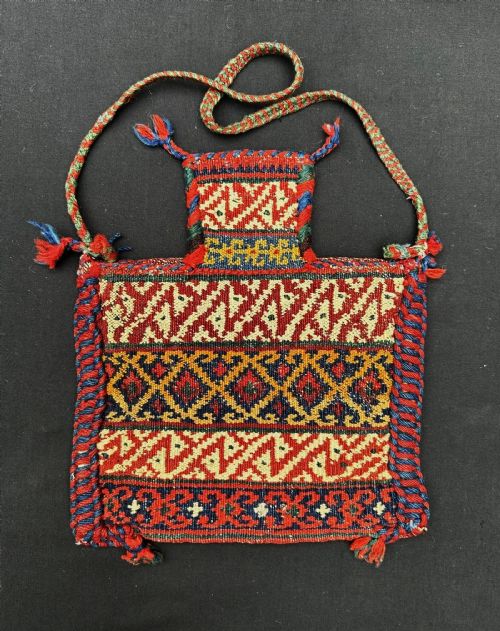
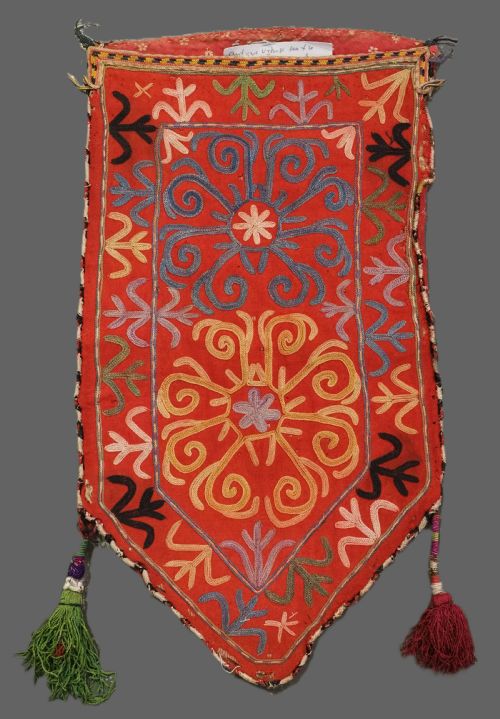
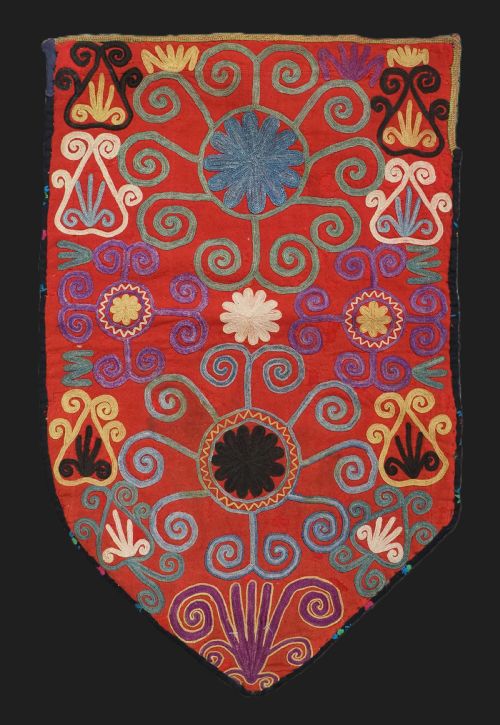
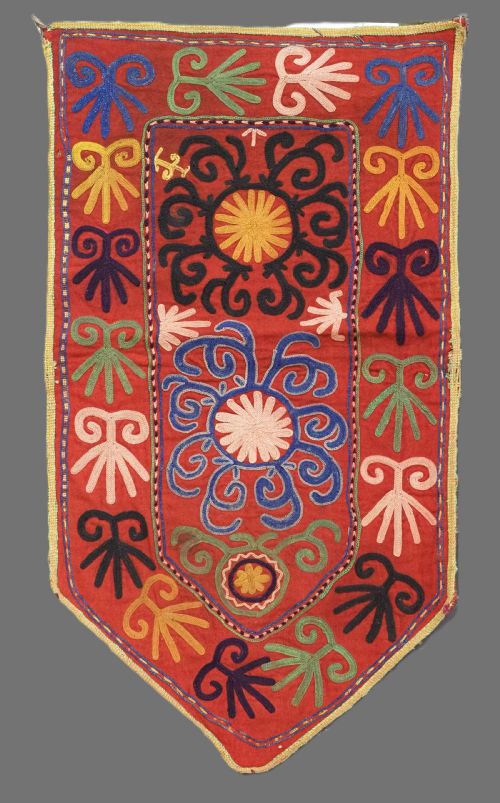
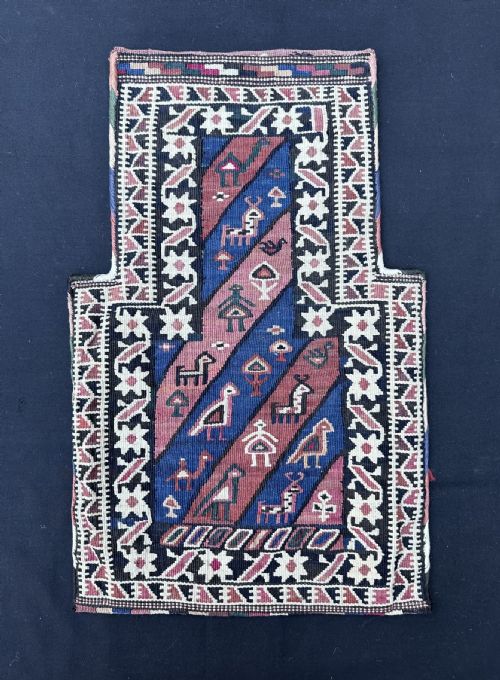
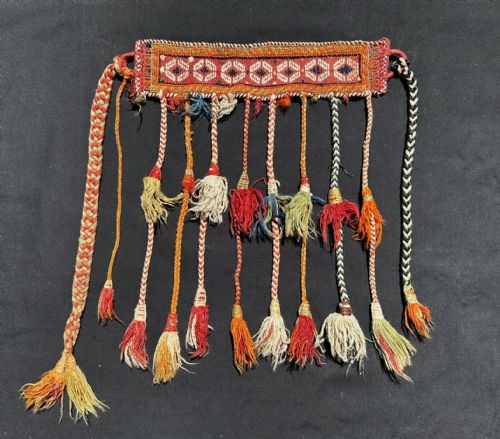
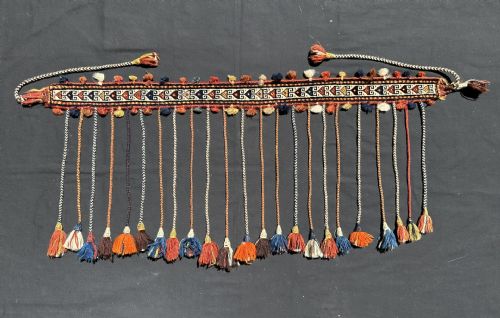
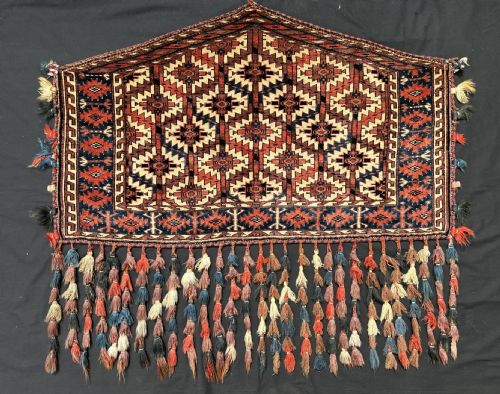
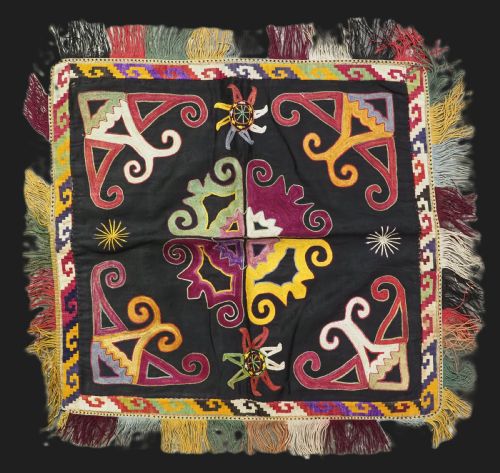
Nomadic textile art encompasses functional tribal items such as salt-bags, saddle covers, wall hangings, and storage bags created by specific groups like the Lakai, Yomut, Qashqa'i, and Afshar. These pieces reflect the mobile lifestyles and cultural traditions of communities traversing regions from the Trans-Caspian steppes to the provinces of Persia.
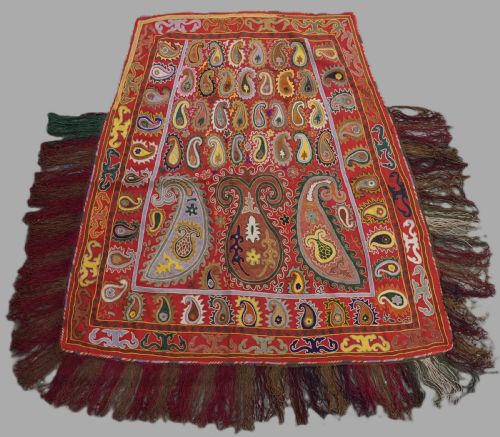
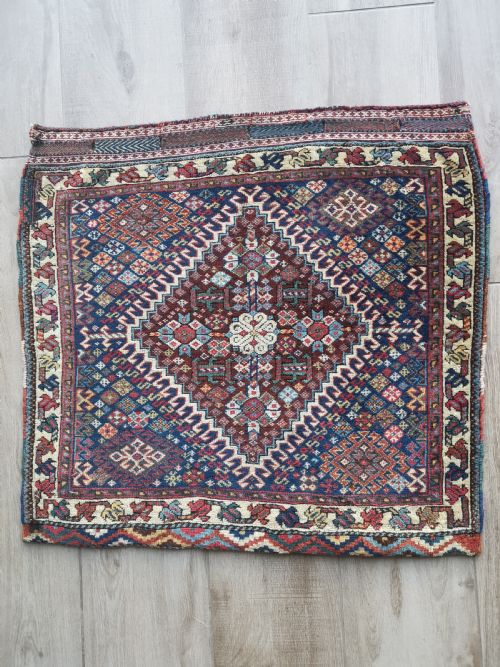
Buyers encounter diverse regional forms, including Central Asian ilgich panels, Persian chantehs, and Turkmen torbas. These textiles demonstrate the practical artistry embedded within nomadic domestic and ceremonial belongings.
Materials and Construction
These textiles rely predominantly on hand-spun wool, cotton, and silk, often enriched with goat hair, leather, and felt components. Artisans utilised natural dyes to achieve deep colour palettes across woven flatweaves and piled structures.
Listings feature wool, cotton, silk, and felt textiles produced across periods spanning the mid-nineteenth century to the early twentieth century.
Assessing Quality and Execution
Quality in these textiles depends upon the precision of the hand-spun materials and the stability of the natural dyes used. Finer pieces demonstrate tight, even pile density or intricate, densely packed embroidery stitches that retain their structural form.
The sophistication of the tribal design layout and the clarity of regional motifs distinguish superior examples. Greater visual depth often arises from the skillful integration of contrasting silk highlights and well-balanced geometric compositions.
The Nomadic Textile Art Glossary
- Torba
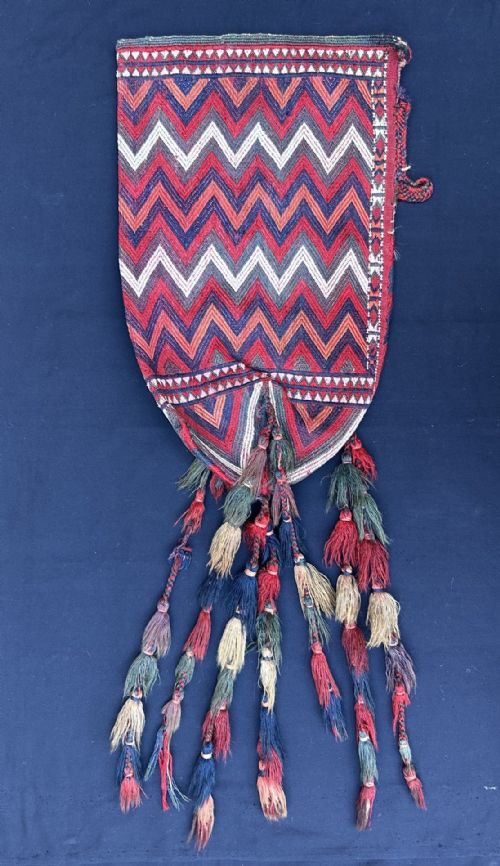
- A small storage bag produced by Turkmen and other tribal groups, typically hung inside a tent to store household items. These pieces often feature repeating gull motifs and banded flatweave designs.
- Ilgich
- An embroidered dowry hanging produced by Uzbek Lakai tribes, characteristically worked in bright silk threads on a dark wool or cotton ground. They were created by brides to decorate the interior of the yurt.
- Asmalyk
- A large, pentagonal trapping produced by Yomut Turkmen nomads, traditionally hung on the flanks of a bridal camel during wedding processions. They display elaborate geometric ornament and field patterns.
- Chanteh
- A small Persian nomadic carrier bag or pouch used for personal possessions, woven with traditional tribal patterns on the face. These portable containers reflect the domestic requirements of mobile weavers.
- Jajim
- A flatwoven textile piece constructed from narrow strips joined together, utilised for blankets, spreads, or wall displays. They often exhibit strong linear and geometric patterning.
Nomadic Textile Art: Frequently Asked Questions
How were these bags used?
Tribal bags served specific utilitarian functions within nomadic dwellings and during seasonal migrations. Salt-bags, pipe bags, and storage torbas held essential provisions and personal belongings inside portable tents.
Larger trappings and horse covers were reserved for ceremonial occasions, including weddings and tribal celebrations, where animals and living spaces were decorated to display status.
How do I identify different tribes?
Attribution relies on characteristic structural techniques, specific regional colour palettes, and distinct geometric or zoomorphic motifs. Groups such as the Yomut, Qashqa'i, and Lakai utilised signature patterns passed down through generations.
Examining the weave structure, fringe construction, and embroidery style helps determine the likely geographic origin and tribal community responsible for the piece.
How should I display wall hangings?
Textile panels and wall hangings benefit from mounting methods that distribute weight evenly across the entire upper edge. Conservation-grade Velcro stitching or padded sleeves provide secure support without stressing the historic fibres.
Display spaces should avoid direct sunlight and excessive humidity to preserve the integrity of natural dyes and delicate silk embroidery threads over time.