

Red Turkmen Weaving
Red turkmen weaving brings tactile warmth and deep madder tones into a room through tribal rugs, bags, and ceremonial tent trappings.
Red Turkmen Weaving
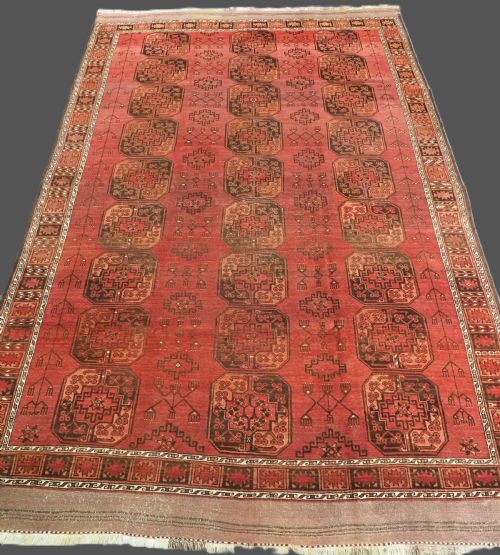
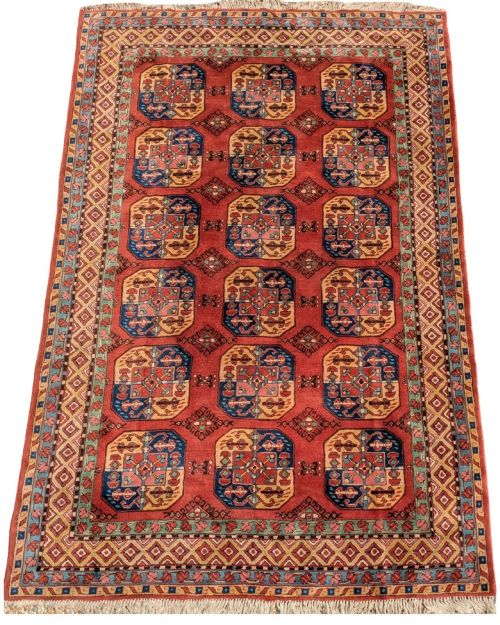
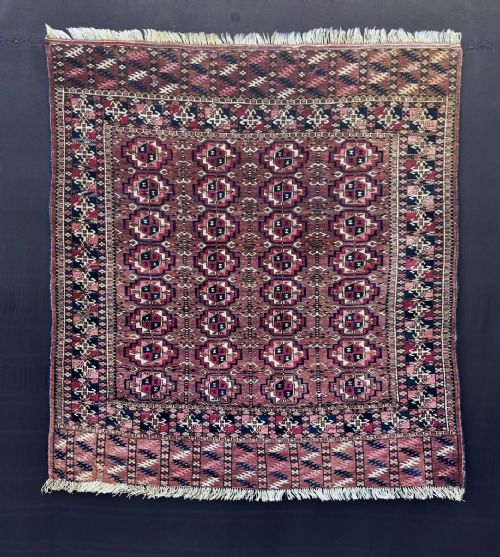
When searching for red turkmen weaving, collectors examine tribal textiles originating from Central Asia, specifically carpets, tent door rugs, and smaller utility bags. These pieces span from the mid-nineteenth century into the early twentieth century, reflecting the nomadic traditions of specific tribes like the Yomut, Tekke, Ersari, and Saryk.
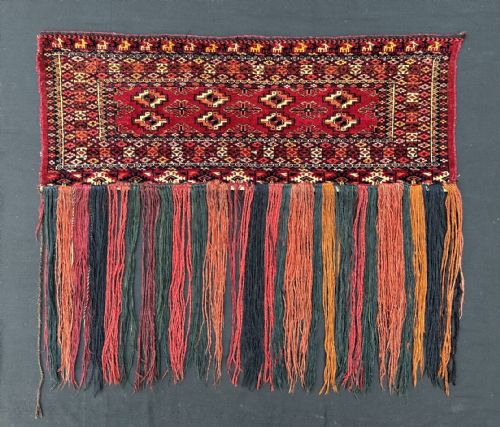
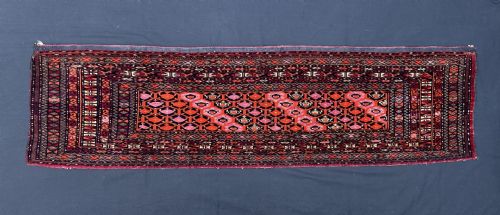
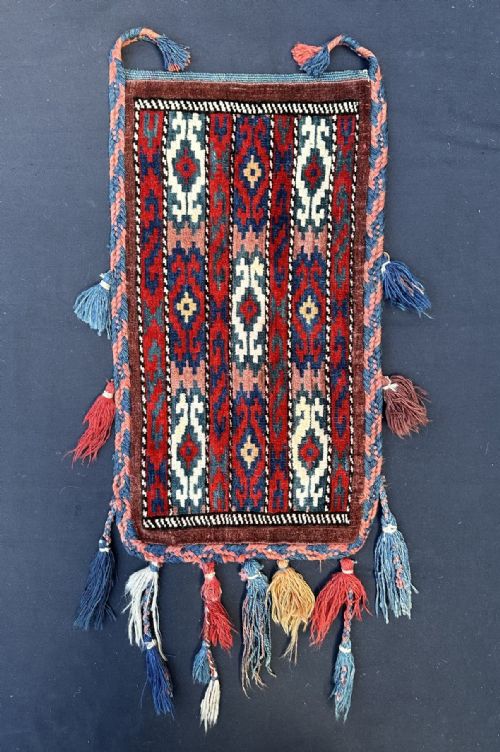
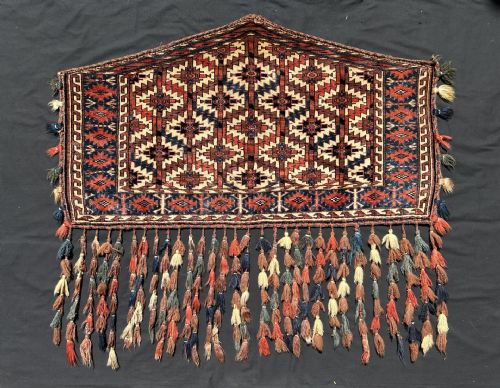
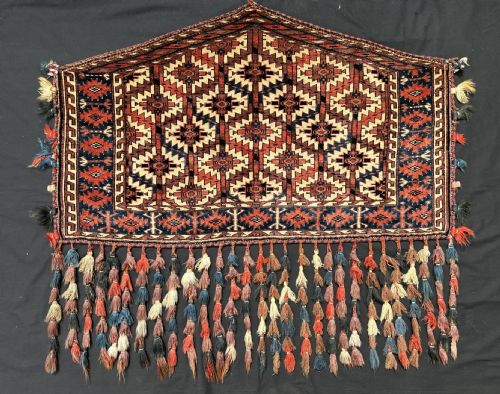
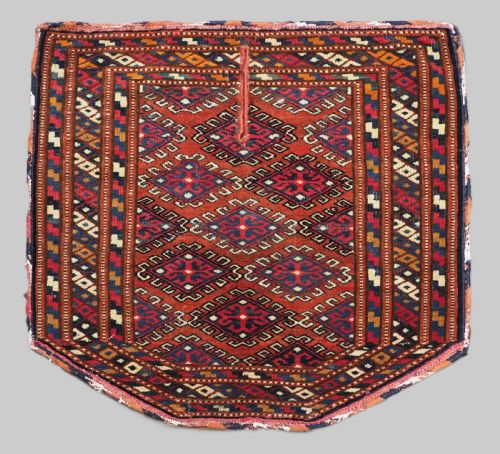
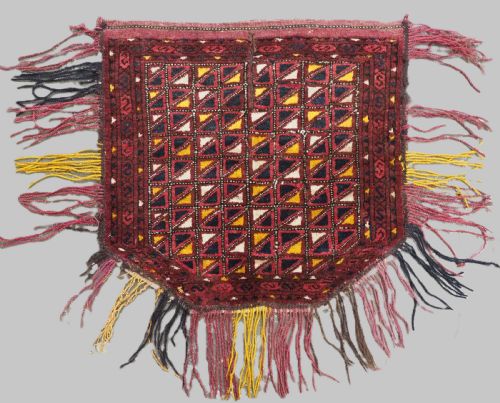
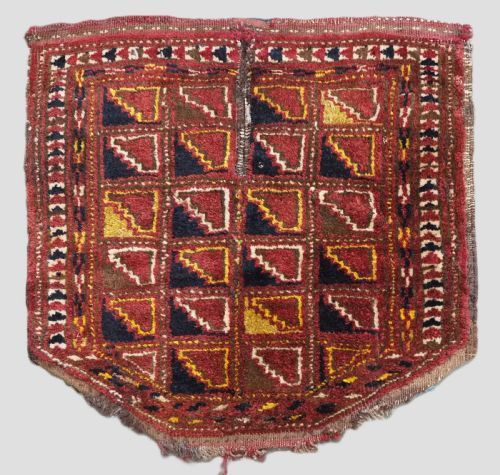
The items most frequently encountered on this page include torba faces, chuvals, and asmalyks, which served as functional household furnishings or animal trappings. Such textiles anchor a room with distinct repeating guls and deep crimson fields derived from traditional dyeing methods.
Materials and Construction
The foundation of these textiles relies predominantly on wool, cotton, and hand-spun wool, often paired with occasional silk highlights for specific motifs. Weavers utilised natural dyes to achieve the rich red palettes characteristic of the region, ensuring depth of colour across the pile.
Construction techniques involve dense knotting on wool or cotton foundations, sometimes finished with plain weave backs and original tassels. The physical structure of these pieces dictates their durability and the crisp definition of tribal geometry.
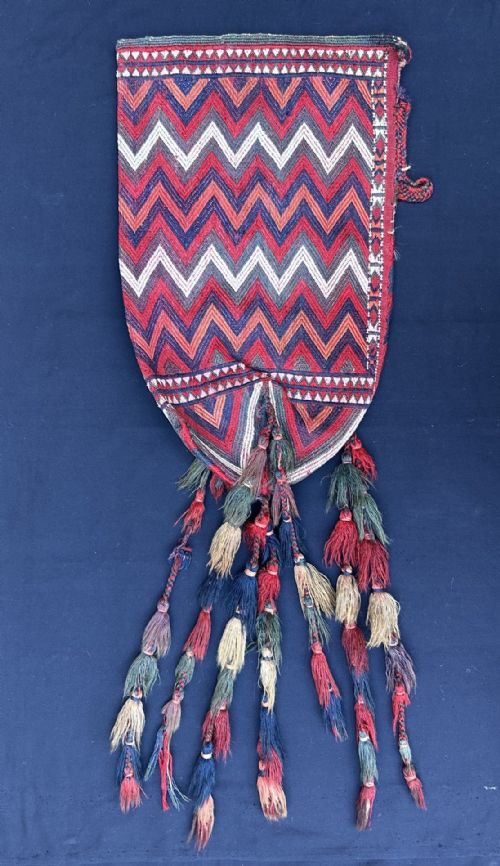
Many spindle-bags retain their plain weave backs, proving that nomadic weavers valued practicality even for everyday woolwork.
Assessing Quality and Execution
Quality in these textiles rests upon the density of the weave and the precision of the tribal guls. Finer knots allow for sharper rendering of intricate motifs like the 'salor' gul or the curled leaf design.
Preservation of original borders, completeness with plain weave backs, and the vibrancy of natural dyes elevate specific examples. The integrity of the wool and the clarity of secondary colours determine the visual impact of each piece.
The Red Turkmen Weaving Glossary
- Gul
- A primary repeating medallion or octagonal motif central to tribal carpet design. These patterns identify the specific weaving group.
- Torba
- A small storage bag produced by nomadic tribes for domestic use inside the tent. They typically feature elaborate face designs with geometric borders.
- Chuval
- A large tent bag utilised for bedding and household storage. These pieces display multiple guls across the primary field.
- Asmalyk
- A pentagonal trapping created for wedding processions and hung on the flanks of camels. They showcase distinctive tribal ornamentation.
- Kapunuk
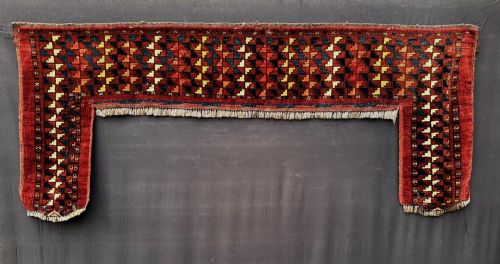
- A tent door rug placed around the wooden frame of a yurt entrance. These textile surrounds display specific architectural proportions.
Red Turkmen Weaving: Frequently Asked Questions
How were these bags used originally?
Nomadic families utilised torbas, chuvals, and spindle bags inside portable yurts for storage and domestic organisation. Every piece served a practical purpose within daily camp life.
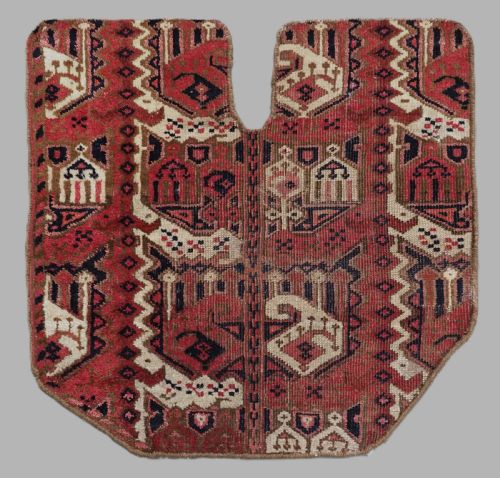
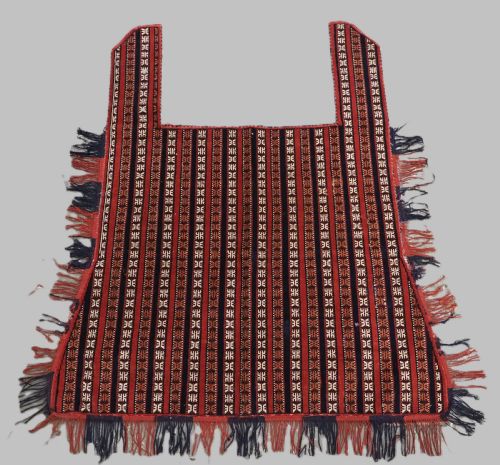
Larger trappings like asmalyks and horse covers additionally fulfilled ceremonial roles during weddings and seasonal migrations.
How do I identify different tribal groups?
Tribal attribution relies upon specific structural patterns, border arrangements, and characteristic gul motifs woven into the wool field. Yomut, Tekke, and Ersari weavers each employed distinct palettes and drawing styles.
Examining the knotting density and secondary colours helps clarify the regional origin within Turkmenistan and the surrounding steppes.
How do I care for antique wool textiles?
Protecting these pieces involves regular gentle vacuuming without a rotating brush and keeping them out of direct sunlight. Proper rotation prevents uneven wear patterns in rooms with heavy foot traffic.
Consulting a professional textile conservator ensures safe cleaning and maintenance of natural dyes and hand-spun wool.