





Yomut Tribal Weaving
When you handle yomut tribal weaving, you encounter the robust wool and distinctive motifs of Central Asian nomads from the nineteenth and early twentieth centuries.
Yomut Tribal Weaving
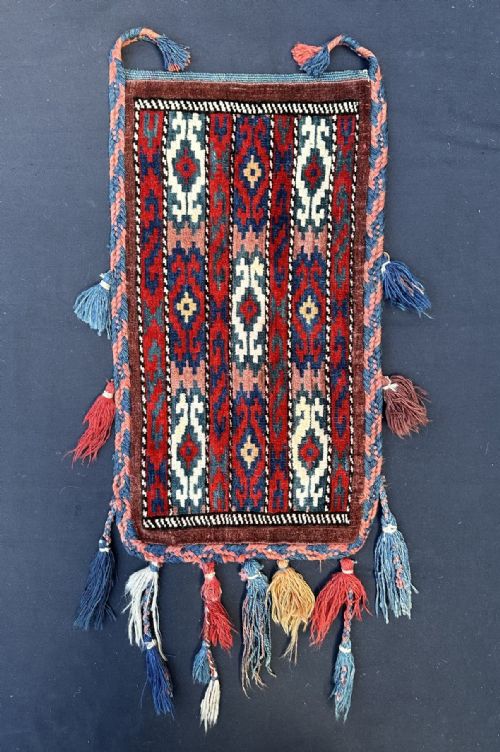
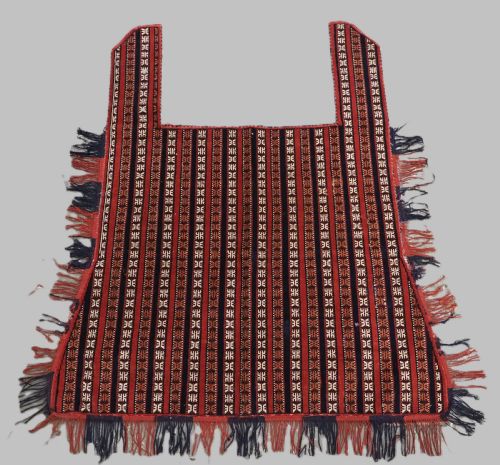
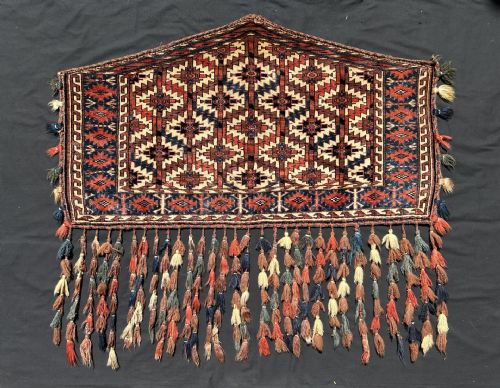
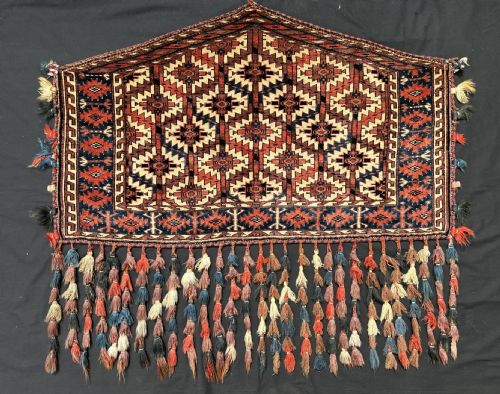
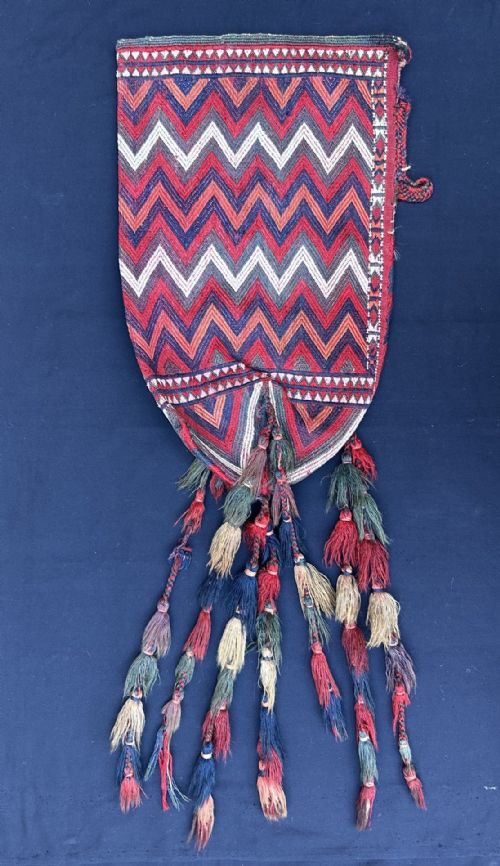
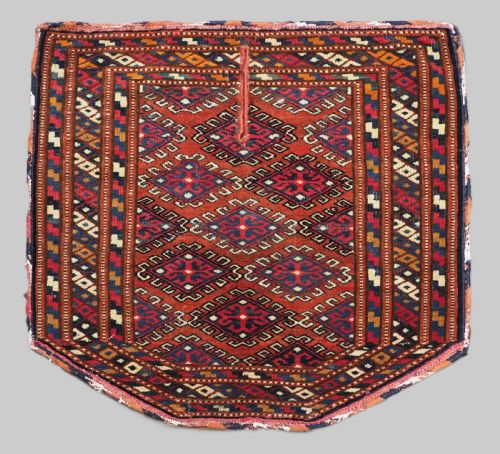
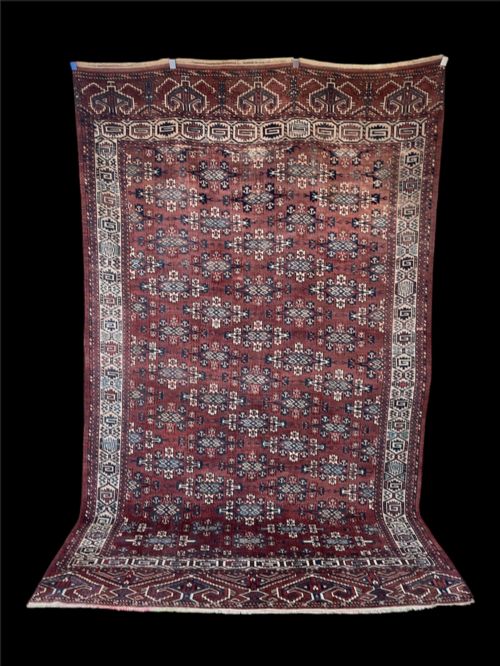
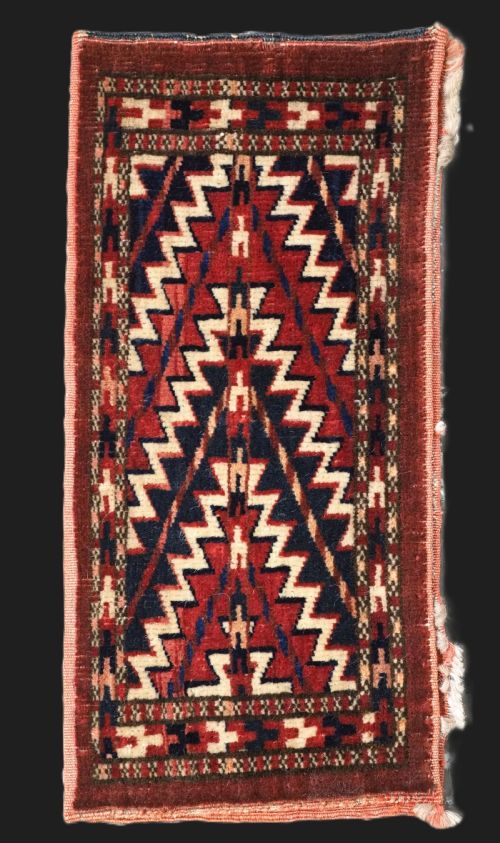
Yomut tribal weaving encompasses a diverse array of utilitarian and ceremonial objects created by Turkmen nomads living across the Trans-Caspian steppes. The items most commonly encountered on this page include smaller domestic and transport articles such as torbas, chuvals, spindle-bags, and asmalyks alongside larger main carpets.
Makers produced these textiles for daily use within nomadic camps as well as for significant tribal rituals, weddings, and camel trappings. Forms range from storage bags and tent-band accessories to floor rugs and wall hangings, dated from the nineteenth century into the early twentieth century.
The visual vocabulary relies heavily on tribal patterns, geometric layouts, and specific motif names like kepse guls, dyrnak guls, and aishk guls. Pieces often present as flatweaves, pile carpets, or soumak kilims, reflecting the practical requirements of pastoral life in Central Asia.
Materials and Construction
Weavers relied primarily on hand-spun wool for the pile and foundation structures, supplemented by cotton for structural elements and occasional contrasting details. Natural dyes provided the deep reds, browns, and secondary tones characteristic of these nomadic textiles.
Techniques varied between dense wool pile knotted directly onto foundation warps and flatweave structures such as soumak and palas work. Finished pieces often integrated plain weave backs on bags and elaborate tassels or long kilim ends on ceremonial items.
Listings feature works spanning the nineteenth century up to the 1920s, originating from the Trans-Caspian steppes of Turkmenistan.
Assessing Quality and Execution
Quality in yomut tribal weaving depends on the density of the knotting or tightness of the flatweave structure and the clarity of the design motifs. Finer examples display precise execution of traditional guls and balanced proportions across the entire field.
The choice of materials and the depth of the natural dyes influence the visual impact of a piece. Earlier examples often show superior handling of wool and dye saturation, while intact backs on bags and complete tassels enhance historical completeness.
The Yomut Tribal Weaving Glossary
- Gul
- A primary octagonal or repeating medallion motif used across Turkmen tribal weaving. These geometric emblems often identify the specific tribal group or sub-tribe that produced the textile.
- Asmalyk
- A large, pentagonal or shield-shaped trapping traditionally hung on the flanks of a bridal camel during wedding processions. These ceremonial items represent some of the most intricate work executed by nomadic weavers.
- Torba
- A small wall-hanging storage bag used within the yurt for keeping personal possessions or household items. They usually feature a patterned face with a plain weave back.
- Chuval
- A large storage bag utilised for bedding and heavy household goods inside nomadic tents. They frequently display multiple rows of guls across the primary field.
- Soumak
- A flatweaving technique where coloured weft threads wrap over and under warp threads to create a textured, durable surface. This method produces a sturdier fabric than standard plain weave.
- Uk Bash
- A specialised tent-pole bag or hanging designed to fit inside the nomadic dwelling. These uncommon forms served practical storage functions related to tent architecture.
Yomut Tribal Weaving: Frequently Asked Questions
What is a yomut tribal weaving?
Yomut tribal weaving consists of handmade wool textiles produced by nomadic Turkmen groups in Central Asia. These items range from domestic storage bags and rugs to ceremonial camel trappings.
Weavers utilised natural dyes and geometric motifs, creating durable pieces designed for practical camp life or significant cultural rituals during the nineteenth and early twentieth centuries.
How were these bags used originally?
Nomadic families used storage bags like torbas and chuvals inside tents to organise bedding, clothing, and domestic goods. Smaller items served specific roles, such as holding spindles or tent fittings.
Ceremonial pieces like asmalyks and horse covers were reserved for weddings and tribal processions, adorning animals during important community celebrations.
How do I identify different Turkmen tribes?
Tribal attribution relies primarily on the specific shapes and arrangements of the guls, along with colour palettes and border structures. Yomut weavers often employed distinct octagonal motifs and diamond-patterned lattice designs.
Examining the structure, wool quality, and weaving technique further helps separate Yomut work from other Turkmen groups like the Tekke or Ersari.
How should I care for an antique textile?
Keep antique wool textiles out of direct sunlight to prevent natural dyes from fading over time. Gentle vacuuming without a rotating brush helps remove dust without damaging the pile or flatweave structure.
For wall-hung items, ensure the weight is distributed evenly across a proper support system rather than pinned at isolated points.