


Tribal Storage Pouch
These tribal storage pouch examples are woven vessels from Central Asia and Persia, offering authentic nomadic utility and striking geometric patterns for the home.
Tribal Storage Pouch
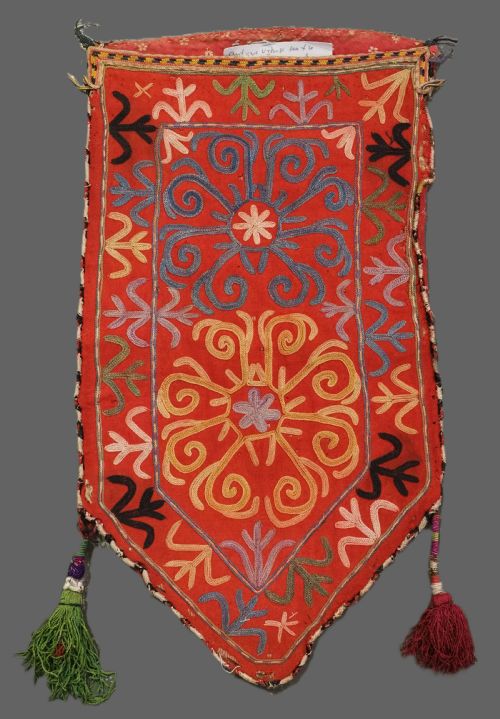
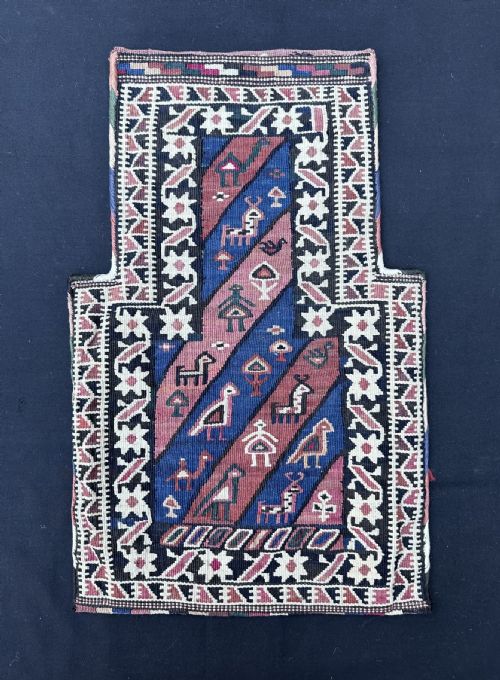
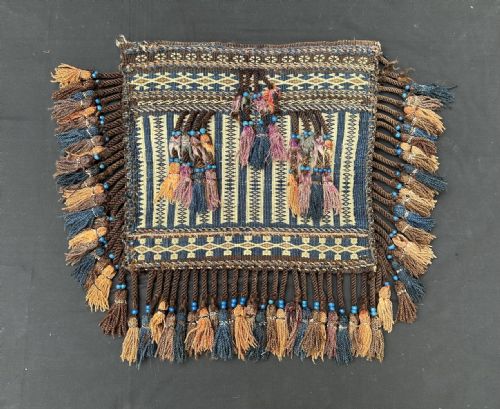
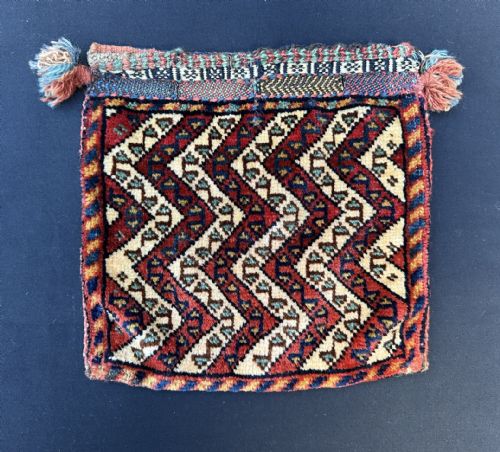
A tribal storage pouch represents the practical textile artistry of nomadic and village groups across Central Asia and Persia. These pieces include utilitarian forms such as salt-bags, spindle-bags, vanity-bags, and larger wall hangings created for domestic use within pastoral communities.
The selection here encompasses specific regional groupings from the late nineteenth and early twentieth centuries, including Turkmen, Baluch, and Qashqa'i pieces. Buyers will encounter complete examples featuring both decorative faces and plain weave backs, spanning eras from eighteen-eighty to nineteen-ten.
What varies in quality
Quality in a tribal storage pouch rests upon the density of the weave, the clarity of the natural dyes, and the preservation of the original structure. Pieces that retain their complete backing and display crisp, balanced geometric compositions command greater attention from collectors.
Finer examples exhibit superior handling of hand-spun materials and more complex decorative programs, such as multiple guls or banded weft work. The precision of the tribal iconography and the vibrancy of the wool distinguish standard utility items from masterworks.
Some spindle-bags still carry the invisible history of nomadic wool-spinning inside their narrow, practical chambers.
The Tribal Storage Pouch Glossary
- Gul
- A primary medallion or repeating octagonal motif characteristic of Turkmen tribal weaving. These designs often identify the specific sub-tribe or clan that produced the textile.
- Torba
- A small horizontal storage bag traditionally used within a nomadic tent for domestic items. They frequently feature elaborate face designs paired with plain weave backs.
- Chuval
- A large storage bag utilised by Turkmen nomads for household belongings and bedding. These pieces often display multiple guls across the primary field.
- Plain weave
- A simple interlacing of warp and weft threads without raised pile. This technique provided durable, lightweight backing surfaces for heavier face textiles.
Tribal Storage Pouch: Frequently Asked Questions
How were tribal storage pouches used?
Nomadic families utilised these woven pouches inside tents for storing salt, spindle tools, vanity items, and bedding. They functioned as portable furniture and organised daily domestic goods within mobile living spaces.
Over time, these utilitarian vessels became prized expressions of tribal identity and clan heritage, often displayed prominently within the dwelling rather than hidden away.
How do I care for an antique textile?
Protect these wool and cotton pouches from direct sunlight to prevent natural dye fading. Gentle vacuuming through a mesh screen removes surface dust without damaging the fibres.
Avoid hanging heavy items inside the pouches, as antique textiles can stretch or tear under physical strain. Professional textile conservation cleaning should only be undertaken when strictly necessary.
Are these pieces genuinely antique?
The inventory here dates from the late nineteenth and early twentieth centuries, specifically spanning eras between eighteen-eighty and nineteen-ten. These dates derive from stylistic analysis of the tribal motifs and material examination.
Nomadic groups produced these items before industrial synthetic dyes and modern manufacturing altered traditional pastoral textile traditions permanently.
How do I distinguish between different tribal groups?
Distinctive design elements, colour combinations, and structural formats separate pieces made by Yomut, Tekke, Baluch, and Qashqa'i weavers. Turkmen groups frequently employ repeating guls, while southern Persian weavers utilise rich banded weft work and specific animal or geometric field arrangements.
Examining the handling of hand-spun wool and natural dye palettes further clarifies the geographic origin of each specific pouch.