


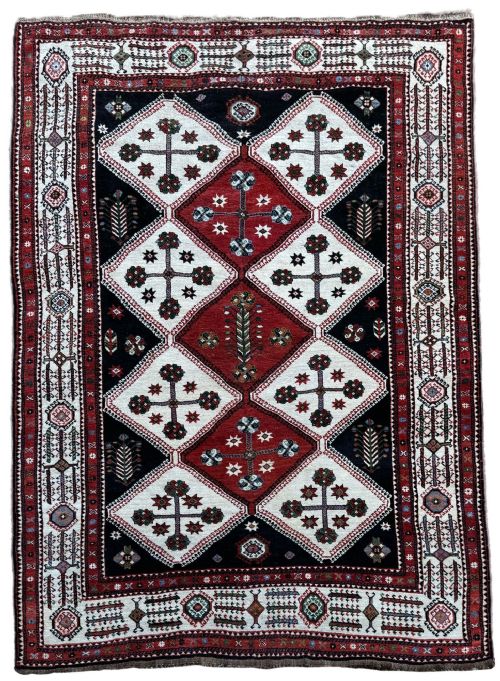
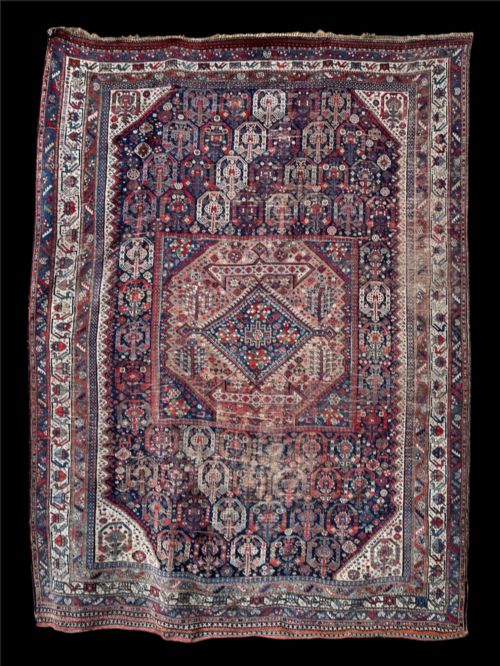
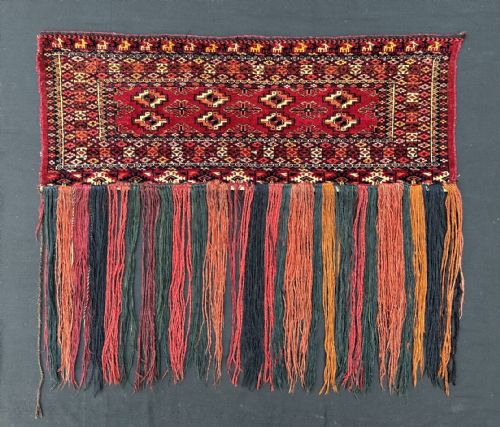
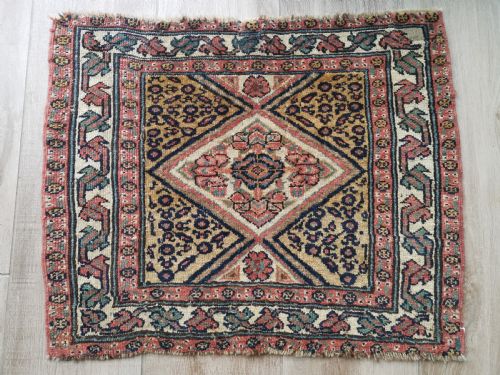
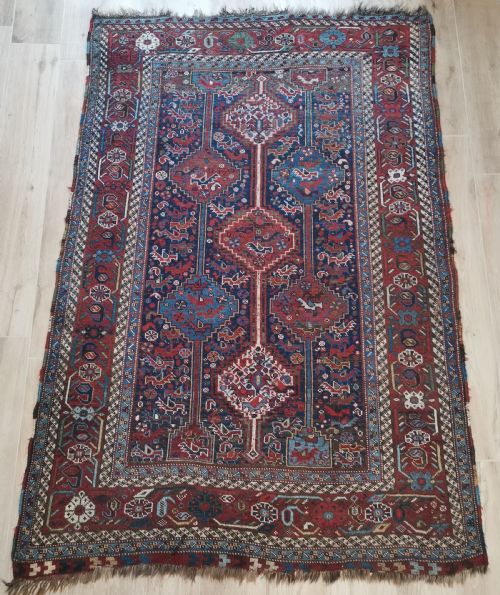
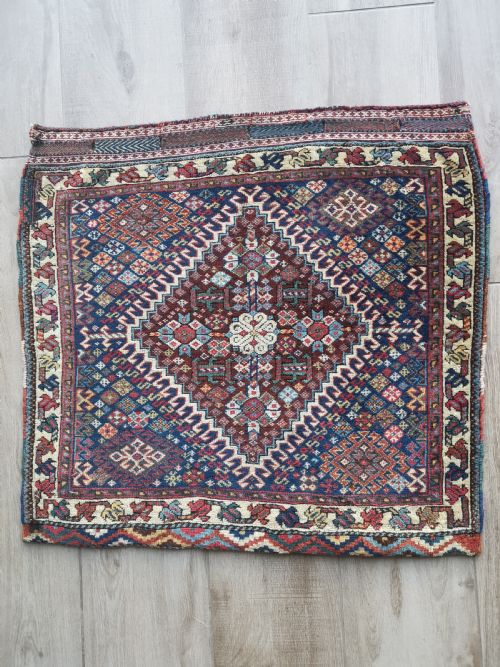
Nomadic Hand Knotted Rug
A nomadic hand knotted rug brings tactile warmth and tribal geometry into a room.

Nomadic Hand Knotted Rug
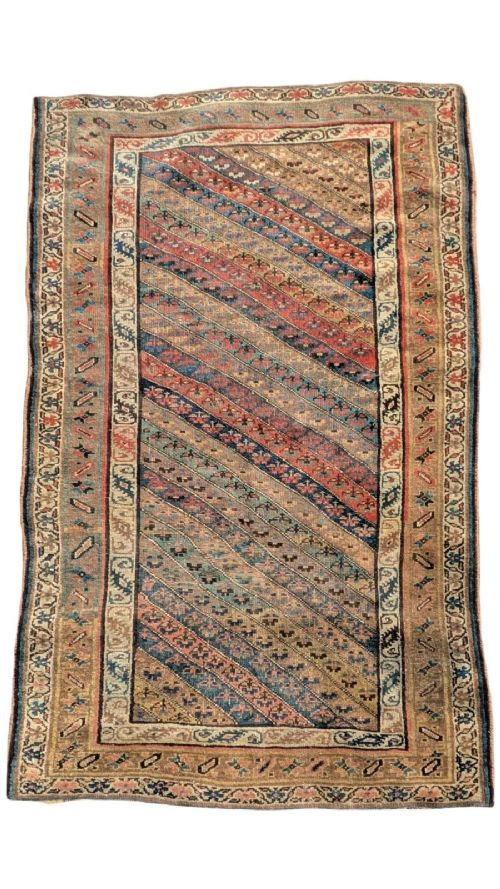
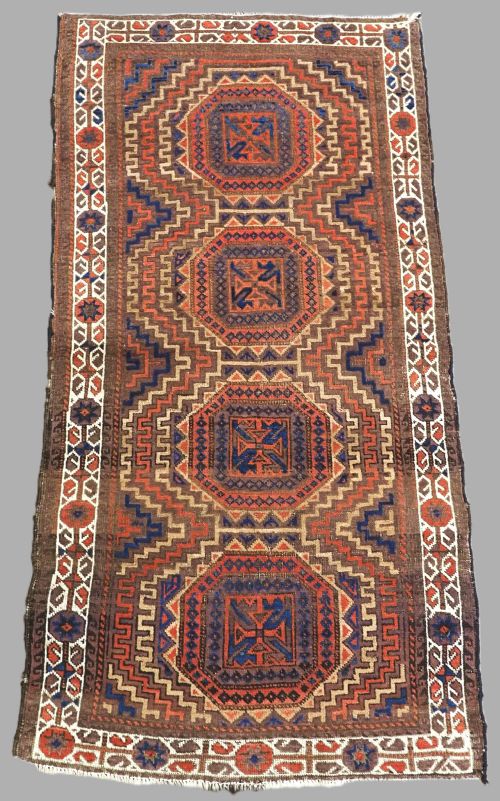
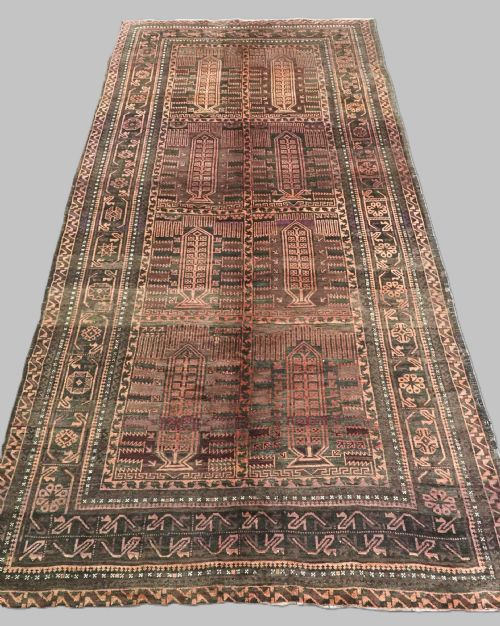
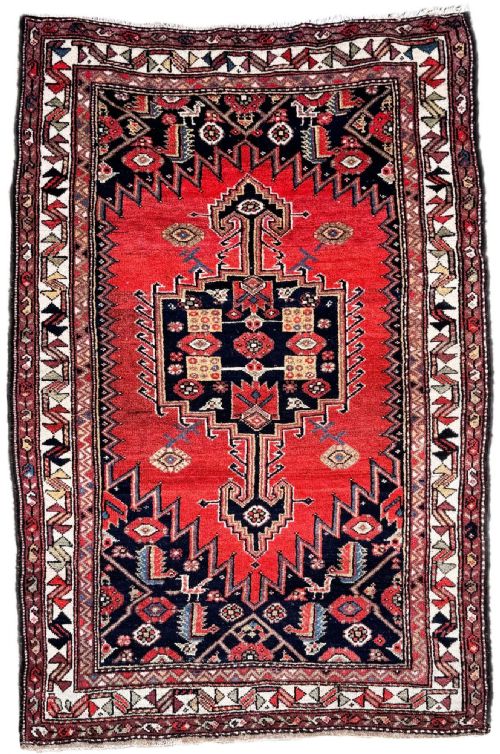
A nomadic hand knotted rug represents centuries of weaving tradition passed down through tribal groups. These floor coverings are made by nomadic and village weavers rather than urban workshops.
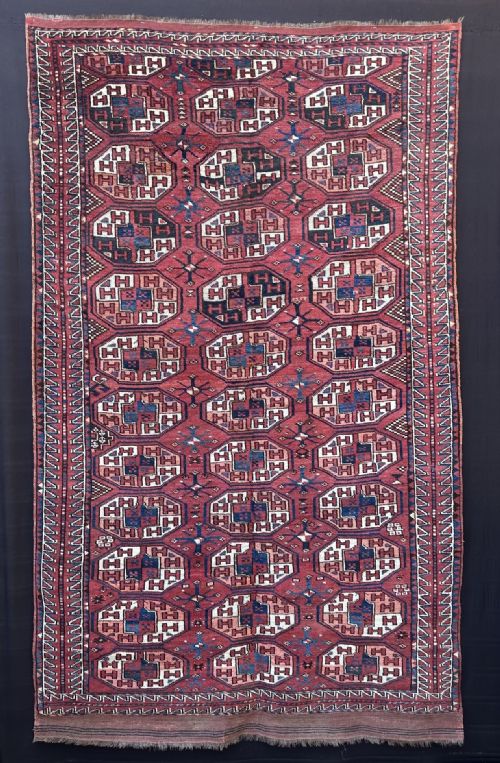
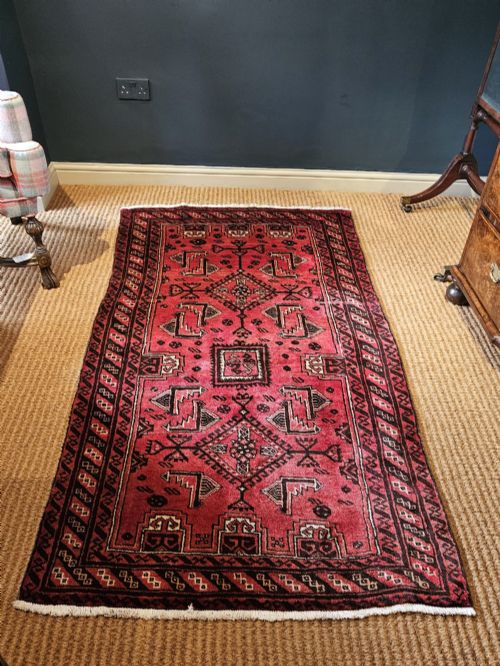
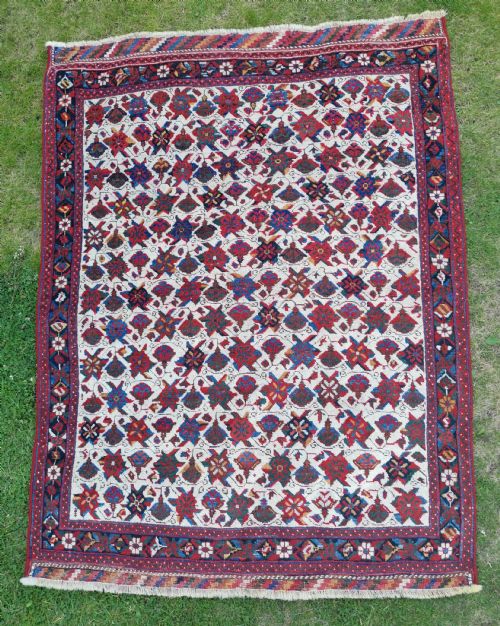
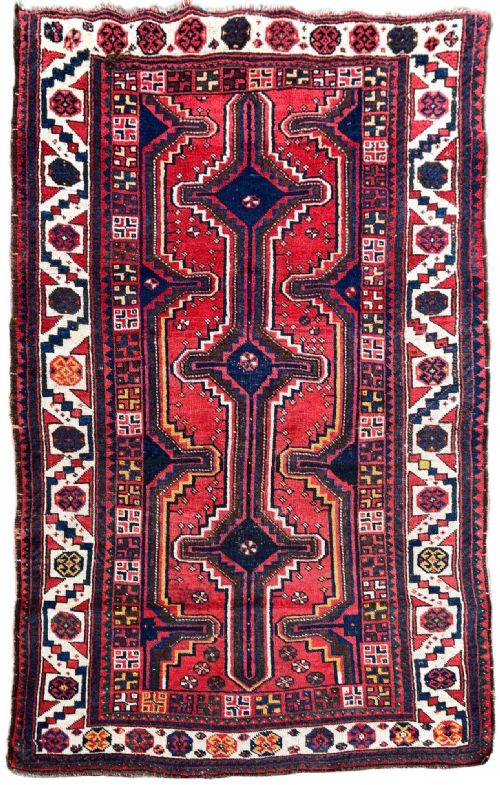
The selections available here include tribal pieces from Persian, Kurdish, Baluch, and Turkmen origins. Dating ranges from the nineteenth century into the early twentieth century.
Common formats include smaller area rugs and larger carpets featuring tribal motifs. Each piece reflects the distinct aesthetic of the specific group that produced it.

How they were made
Makers constructed these textiles utilising natural materials such as wool and hand-spun wool alongside cotton foundations. Weavers tied individual knots by hand across the warp and weft threads.
Natural dyes provide the varied colour palette seen across these antique floor coverings. These organic colourants create rich tones that age gracefully over time.
Nomadic Hand Knotted Rug Retail Price Guide 2026
Typical asking prices for nomadic hand knotted rug among the pieces listed under this phrase on Sellingantiques today, from the lower quarter to the upper quarter. They describe what is for sale here now, not the wider market.
Current listings span from the nineteenth century to 1910, featuring Persian, Kurdish, Baluch, and Turkmen tribal styles.
What varies in quality
Quality rests in the precision of the knotting and the handling of the wool. Tighter structures and finely spun wool elevate a piece above simpler village work.
The depth and nuance of the natural dye work define the visual success of the weaving. Superior examples display harmonious colour interactions within traditional tribal designs.
The Nomadic Hand Knotted Rug Glossary
- Warp
- The vertical foundation threads stretched tightly on the loom before weaving begins. These support the entire structure of the carpet.
- Weft
- The horizontal threads passed through the warp to secure the knots in place. Together, warp and weft form the stable grid of the textile.
- Natural dye
- Colour extracted from plant, insect, or mineral sources rather than synthetic chemicals. These substances yield stable tones that soften gently with age.
- Medallion
- A central ornamental design motif placed in the field of the rug. Tribal weavers often rendered these in geometric or stylized floral forms.
Nomadic Hand Knotted Rug: Frequently Asked Questions
Where were these rugs made?
These textiles originate from nomadic and village communities across regions such as Persia, Kurdistan, Baluchistan, and Turkmenistan.
Weavers produced them within tribal camps and rural settlements using local materials and traditional designs.
How do I care for an antique rug?
Protect the textile by placing it in areas with moderate foot traffic and utilising a proper underlay to prevent slipping.
Vacuum gently without using a rotating brush bar and consult a specialist for professional cleaning when necessary.
Are natural dyes easy to spot?
Natural dyes display subtle variations in tone along individual wool strands, known as ables. This gentle shading results from traditional dyeing methods.
Synthetic dyes tend to appear more uniform and flat across the entire surface of the pile.
How old are these pieces?
The inventory spans the nineteenth century and the early decades of the twentieth century. Specific dates depend on the individual weaving.
Stylistic markers and material analysis help place each piece within its historical manufacturing period.