






Nomad Weaving Carpet
These nomad weaving carpet pieces bring authentic tribal character to interiors through genuine nineteenth and early twentieth century village textiles.
Nomad Weaving Carpet
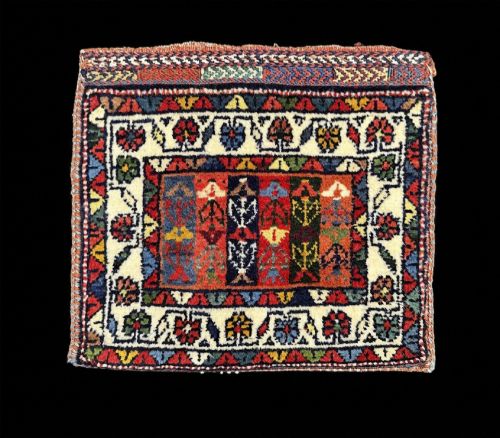
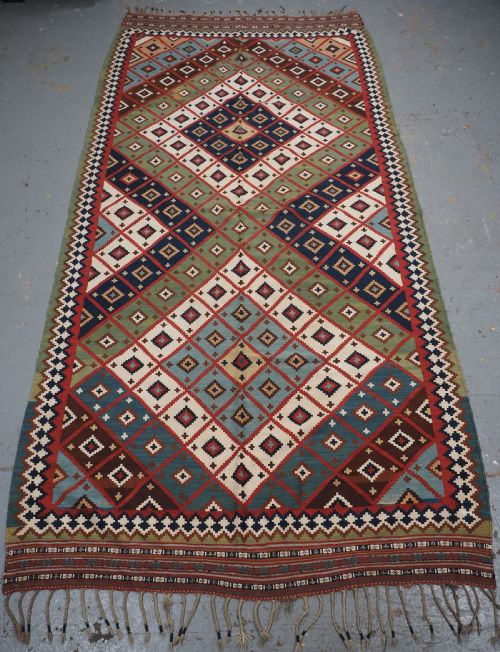
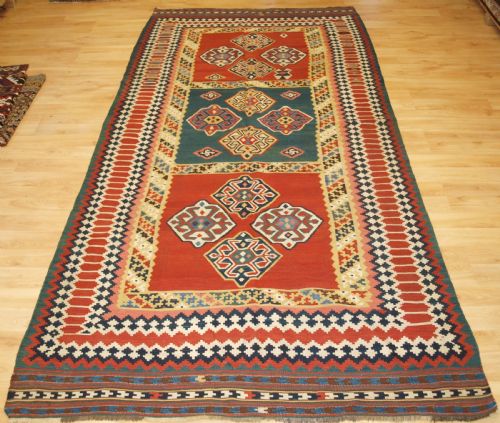
A nomad weaving carpet search uncovers a diverse range of tribal textiles, utility bags, and floor coverings originating from nineteenth and early twentieth century Persia, Central Asia, and Azerbaijan. The selections here centre heavily on smaller formats such as torba faces, chuvals, salt bags, and saddlebags alongside rugs and kilims.
Production spans from the mid nineteenth century through to the early decades of the twentieth century. These pieces reflect the traditional visual vocabulary and functional weaving methods of distinct regional tribes.
Quality factors in tribal weaving
Quality in a nomad weaving carpet rests upon the precision of the tribal motifs, such as guls or dragon and phoenix designs, and the depth of the natural dyes. Superior examples display crisp drawing, balanced proportions, and a rich palette that has aged gracefully over generations.
The handle and density of the hand-spun wool further differentiate the standard of weaving. Tighter knotting and resilient pile construction distinguish exceptional tribal artefacts from more straightforward utility pieces.
Nomad Weaving Carpet Retail Price Guide 2026
Typical asking prices for nomad weaving carpet among the pieces listed under this phrase on Sellingantiques today, from the lower quarter to the upper quarter. They describe what is for sale here now, not the wider market.
Camp life required clever storage, resulting in specialised small formats like birdbags, half-saddlebags, and vanity bags.
The Nomad Weaving Carpet Glossary
- Torba
- A small Turkmen wall-hanging bag traditionally used for domestic storage inside a yurt or tent. These pieces often feature repeating guls and precise border work.
- Chuval
- A large storage bag produced by nomadic Turkmen tribes. They were utilised for bedding and household possessions during seasonal migrations.
- Gul
- A medallion or repeating primary motif found in Turkmen and Central Asian tribal weaving. Each distinct design often identifies a specific clan or tribal affiliation.
- Kilim
- A flatwoven textile produced without a pile. These pieces rely on the interlocking of warp and weft threads to create sharp geometric patterns.
- Shahsevan
- A confederation of nomadic tribes from northwestern Persia and Azerbaijan known for finely woven bag faces, panels, and salt bags.
Nomad Weaving Carpet: Frequently Asked Questions
How were nomad bags used?
Nomadic families utilised these woven bags inside tents for storing household provisions, salt, bedding, and personal belongings during migrations.
Their robust construction and practical formats made them essential items for daily desert and mountain life.
Where do these tribal pieces originate?
The pieces originate from regions across Persia, Central Asia, and Azerbaijan, produced by distinct tribal groups.
Specific areas include the Kerman province, Moghan region, and western Afghanistan.
How do I date an antique rug?
Dating relies on examining the characteristics of the hand-spun wool, the composition of the natural dyes, and traditional structural motifs.
Stylistic conventions and regional weaving traits help place pieces within the nineteenth or early twentieth century.
How should I live with these textiles?
These smaller rugs, kilims, and bag faces suit display as wall hangings or accent pieces on tables and floors.
Their rich textures and geometric designs add warmth and historic character to contemporary interiors.