


Nobleman Portrait Painting
A nobleman portrait painting brings the presence of aristocracy, military commanders and historical figures into a room through centuries of oil on canvas.
Nobleman Portrait Painting
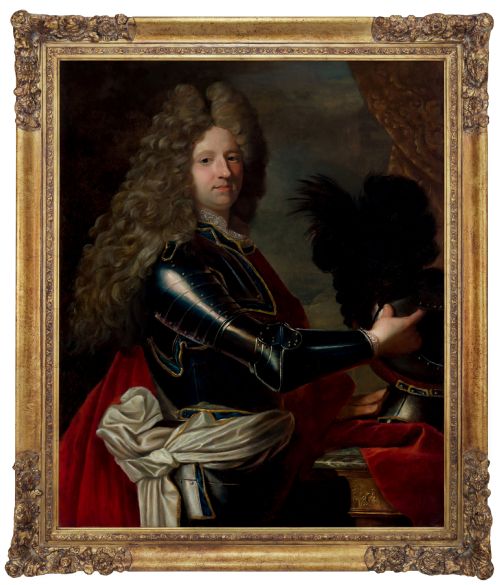
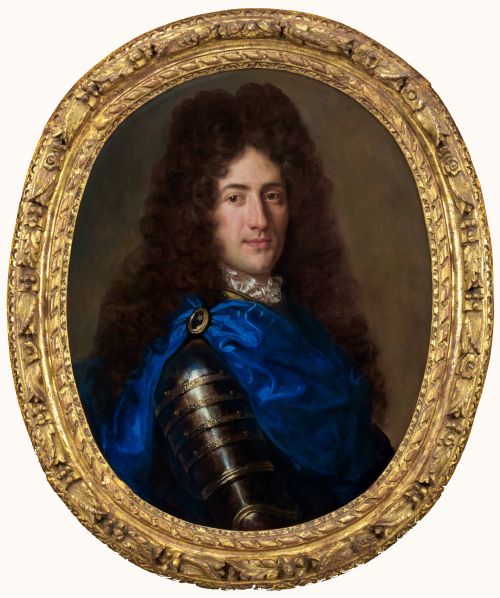
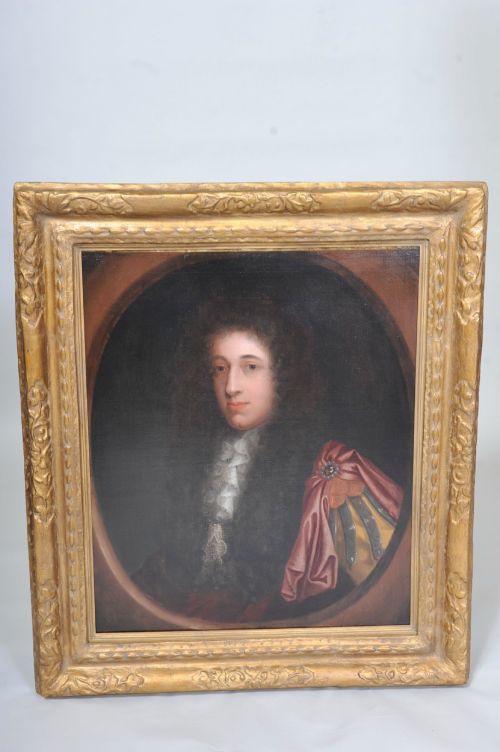
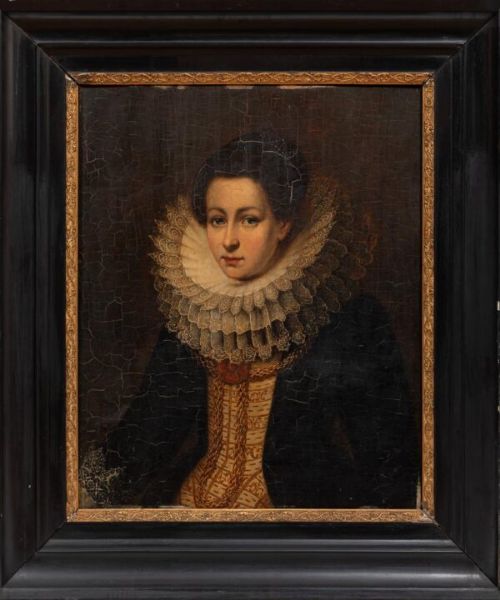
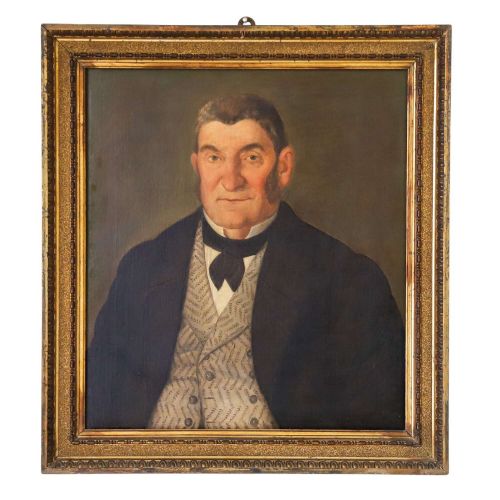
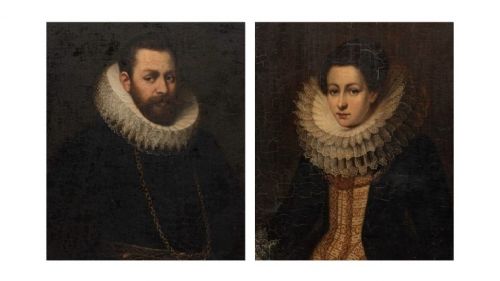
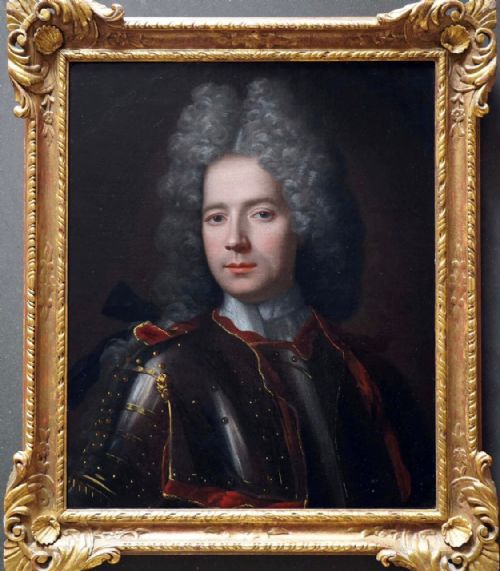
A nobleman portrait painting depicts aristocrats, gentlemen, princes and military figures, capturing status through formal attire such as ruffs, doublets, armour and robes. These works span from the sixteenth century through the nineteenth century, including later twentieth-century revivals and school pieces.
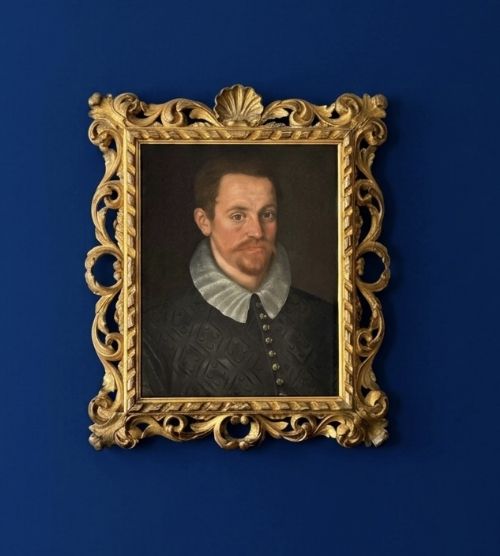
The most common examples on this page are oil paintings on canvas or wood panels, originating from English, Dutch, French, German and Italian schools. Subjects often wear distinct period garments like dark embroidered doublets or jewelled robes, accompanied by coats of arms or titles denoting rank.
Buyers encounter works attributed to specific continental and British portraitists alongside pieces from various regional schools spanning the seventeenth and eighteenth centuries. The selection ranges from intimate depictions to large-scale aristocratic portrayals.
How They Were Made
These works rely primarily on oil paint applied to canvas or wood supports, sometimes framed in giltwood or gold leaf frames. Artists built up layers of pigment to render intricate details such as lace ruffs, fur trims and velvet robes.
Frames often utilise carved wood and gilt embellishments that complement the scale and status of the central portrait. The physical construction combines traditional stretched canvas techniques with heavy timber stretchers and period mouldings.
Several noblemen wear ruffs so intensely pleated they appear ready to float away.
What Varies in Quality
The significance of the sitter, the attribution to a known hand or circle, and the preservation of the original paint layer determine distinction within the field. Surviving period frames and documented provenance further elevate the standing of a canvas.
Nicolas De Largillière·Louis De Silvestre·Adriaen De Kies Van Wiessen·Cornelis Van Der Voort·William Aikman·Michael Dahl·John Bettes the Elder·Jean-Baptiste Santerre·Amalia Von Königsmarck·Hans Hysing·Johan Horner
The Nobleman Portrait Painting Glossary
- Oil on Canvas
- Pigment mixed with drying oil applied to a woven fabric support. This combination allowed artists to achieve rich colour depths and subtle tonal gradations.
- Ruff
- A prominent pleated collar worn in European fashion during the sixteenth and seventeenth centuries. It indicates the social standing and period of the sitter.
- Doublet
- A snug-fitting men's jacket worn during the Renaissance and seventeenth century. Elaborate embroidery on this garment often denotes aristocratic wealth.
- Giltwood
- Wood carved and covered with a thin layer of gold leaf or metal powder. This material frames many formal portraits to enhance their visual impact.
- School
- A group of artists working in a particular region, period or following a specific master's style. Attribution to a school indicates stylistic similarities when an individual artist remains unknown.
Nobleman Portrait Painting: Frequently Asked Questions
What periods do these portraits cover?
The selection includes works from the sixteenth, seventeenth, eighteenth and nineteenth centuries, alongside later twentieth-century interpretations and revivals.
Earliest examples feature Tudor and Elizabethan subjects, while later pieces extend through the Victorian era and mid-century school copies.
How do I identify the sitter's rank?
SITTERS frequently display specific markers of status such as armour, velvet robes, fur trims, orders of knighthood or coats of arms. Elaborate dress like lace ruffs and embroidered doublets also points to aristocracy.
Inscriptions on the canvas or frame often record the name, title and dates of the individual portrayed.
Are these works original or copies?
Paintings include original period portraits by named artists or contemporary circles, alongside later school copies and twentieth-century interpretations.
Attributions in the titles indicate whether a work is period, attributed to a master, or painted in the manner of an earlier tradition.