




Blue Coat Oil Painting
A blue coat oil painting captures historic fashion and portraiture, offering collectors a direct link to centuries of notable portrait art.
Blue Coat Oil Painting
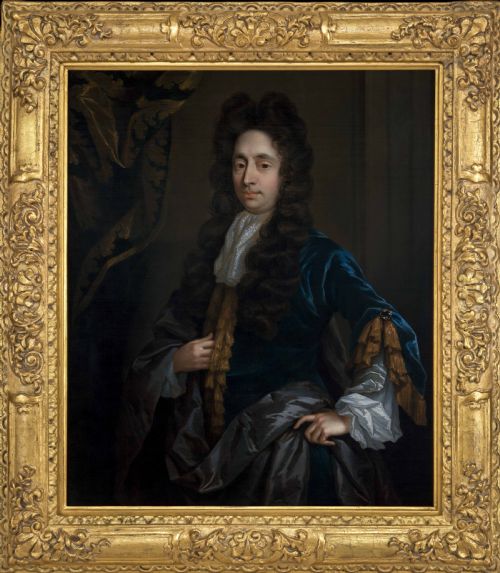
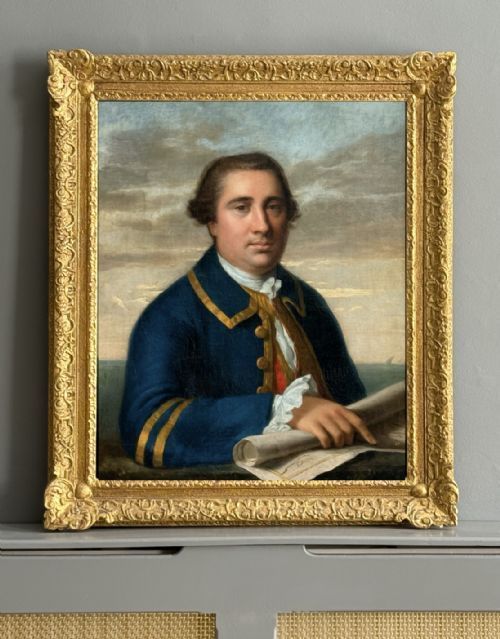
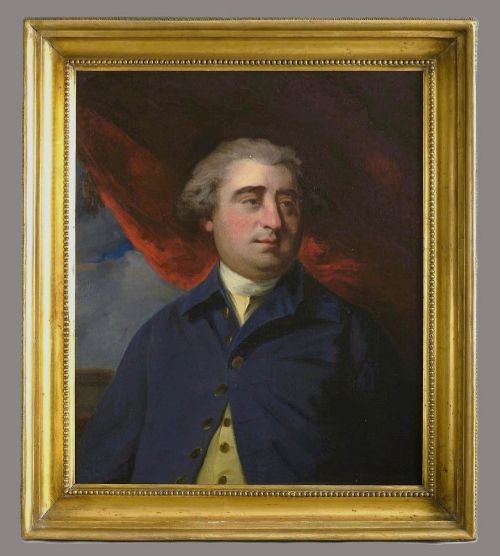
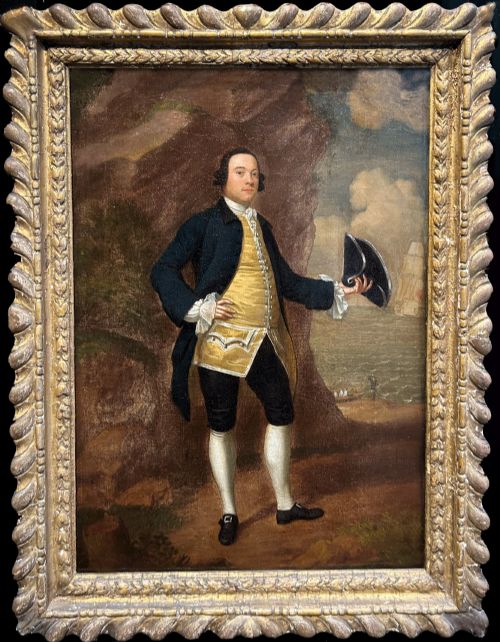
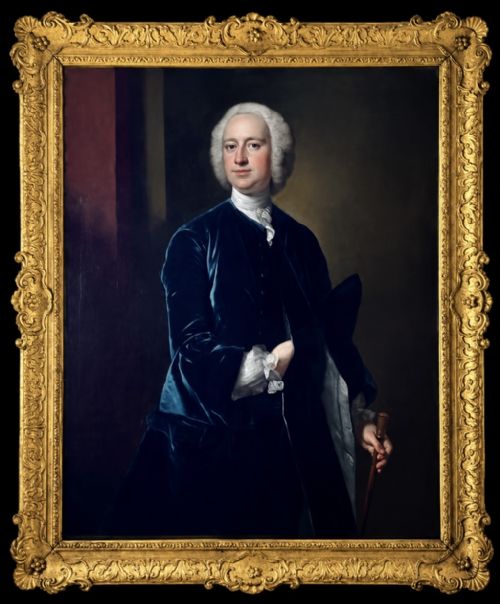
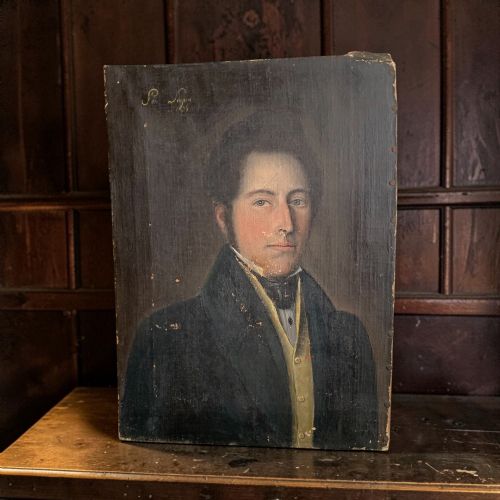
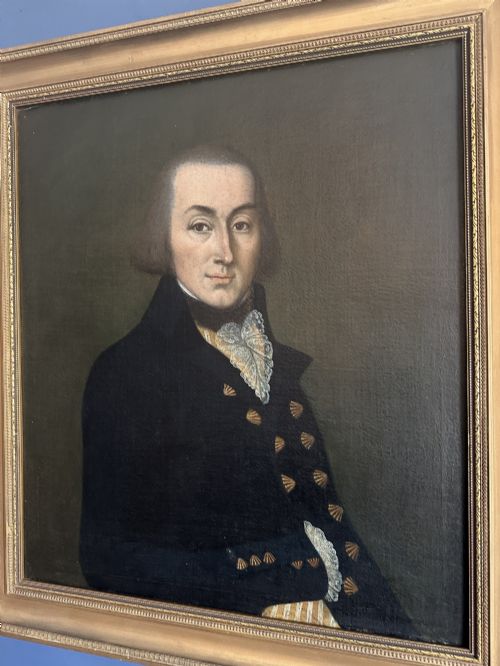
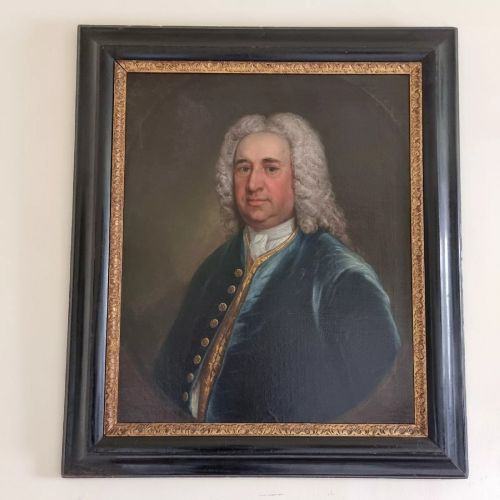
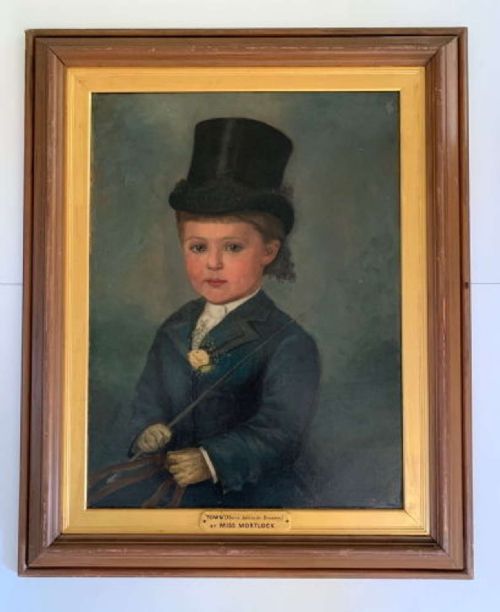
A blue coat oil painting typically depicts a historical subject, such as a gentleman, captain, or young boy, dressed in distinctive blue attire. These works frequently emerge from the 17th century, 18th century, and Regency periods, rendered as oil paintings on canvas or panel.
The selections range from full-scale portrait paintings by established artists to intimate miniature painting examples. Many portray named historical figures, physicians, and naval officers, whilst others capture anonymous sitters in provincial or naive styles.
How they were made
Techniques varied from studio output involving assistants to detailed miniature works requiring fine brushes. Painters utilised oil on copper in specific instances, creating smooth surfaces suited to intricate portraiture.
Several gentlemen share the room with spinning tops, flutes, curtains, and loyal dogs.
What varies in quality
Quality rests in the precision of the brushwork and the psychological depth captured in the sitter's expression. Works by prominent portraitists or their immediate circles display superior command of light, fabric texture, and anatomical proportion compared to provincial or naive school examples.
The preservation of the original canvas, the subtlety of the pigment layering, and the integrity of the period giltwood frame significantly influence the standing of an individual piece within the field.
Constantyn Netscher·Lemuel Francis Abbott·Sir Joshua Reynolds·Francis Hayman·Thomas Hudson·Louis De Silvestre·Sir Thomas Lawrence·Philip Mercier·Edward Alcock·Enoch Seeman the Younger·Frans van der Mijn·Sir Godfrey Kneller·Jonathon Richardson·Allan Ramsay·George Francis Joseph·James Latham·Maurice Codner·Francis Alleyne·John Downman·John Closterman
The Blue Coat Oil Painting Glossary
- Oil on canvas
- Pigments suspended in a drying oil medium applied to a woven fabric support. This surface became the standard medium for professional portraiture across the 17th and 18th centuries.
- Giltwood frame
- Carved wood coated with a thin layer of gold leaf or metallic powder. These surrounds provide period context and protect the edges of the canvas.
- Portrait miniature
- A small-scale painting executed with meticulous detail. These compact works were often created to be carried or worn by loved ones.
- Provincial school
- Art produced outside major metropolitan art centres, often displaying charmingly direct techniques rather than academic polish.
- Circle of
- A term used when a painting shows the distinct influence and hand of a master's workshop without being directly signed by the master.
Blue Coat Oil Painting: Frequently Asked Questions
What is a blue coat oil painting?
These are historic portraits featuring subjects wearing blue coats, coats, waistcoats, or military dress. They span centuries of painting traditions.
Most pieces date from the 17th to the 19th centuries and showcase the shifting styles of European portraiture.
Who painted these portraits?
The works were created by named artists, workshop followers, and provincial painters. Many pieces originate from British and French artistic circles.
Attributions often link works to notable portraitists of the Georgian and Regency eras.
How do I display an oil painting?
Hang the artwork away from direct sunlight and steady temperature fluctuations to protect the canvas and pigment. Ensure the wall can support the weight of the piece and its original frame.
Pairing the painting with complementary period lighting enhances the depth of the oil work.
How do I date a portrait?
Clothing fashion, hair styling, and the cut of the blue coat provide initial chronological markers. Details such as canvas preparation and framing style also indicate the period.
Written inscriptions on the reverse or historical records of the sitter help confirm the date of execution.