


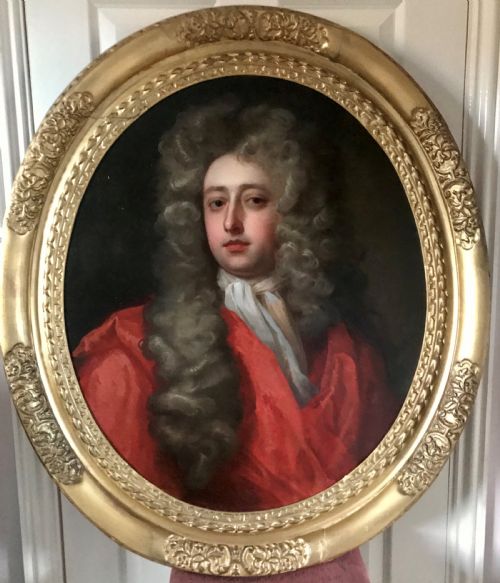
![17th Century Portrait Circle of Michael Dahl,of Sir William Cowper [1639-1706]](https://www.sellingantiques.co.uk/photosnew/dealer_countryhousefineart/dealer_countryhousefineart_full_1525617097668-7609063232.jpg)
Baroque Aristocrat Portrait
A baroque aristocrat portrait brings monumental presence and detailed period costume into a room.
Baroque Aristocrat Portrait
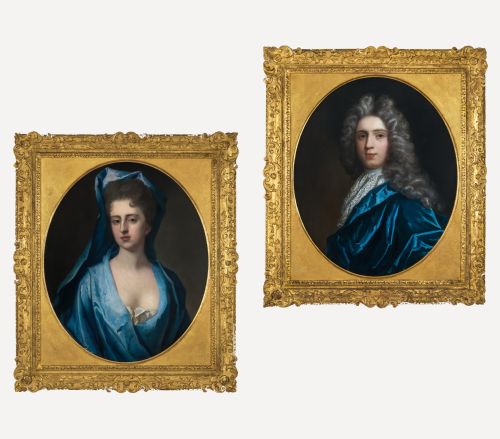
A baroque aristocrat portrait captures nobility, gentry, and high-status figures from the seventeenth and eighteenth centuries in oil on canvas. These works span British Baroque, French Baroque, Georgian, and Rococo styles, often set within decorative giltwood frames.
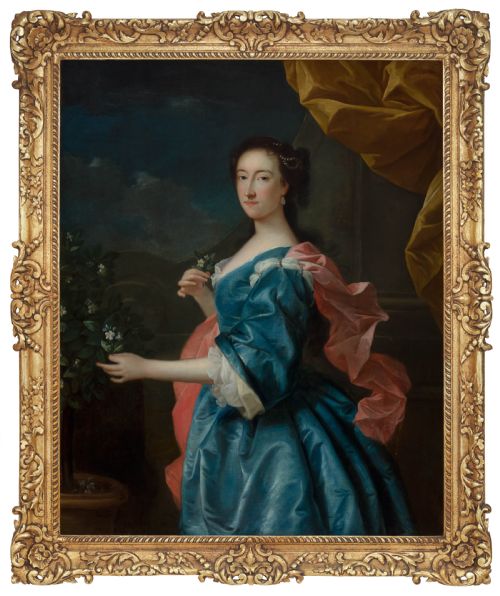
The subjects appear in elaborate costume, armour, or formal dress, sometimes accompanied by symbolic elements like orange trees or draped curtains. Surviving examples range from works attributed to prominent portraitists of the era to pieces created by regional European schools.
Buyers encounter subjects identified by name, such as baronets, countesses, and knights, alongside sitters recorded simply as gentlemen or members of notable families. The compositions reflect the formal portraiture traditions demanded by the European elite during the 17th century, 18th century, and around 1750.
How They Were Made
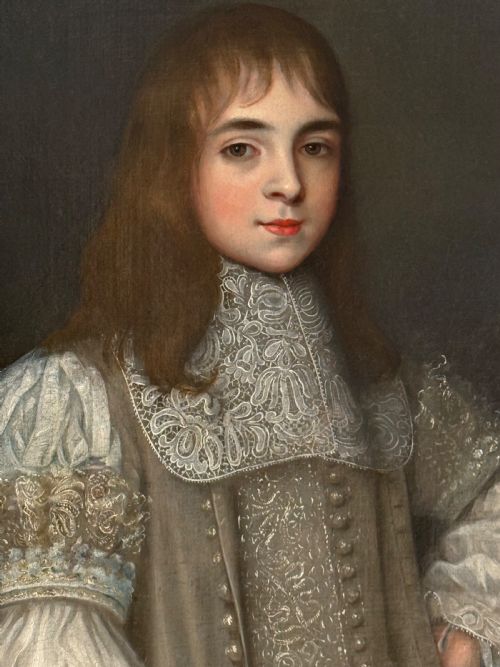
These works are executed in oil on canvas, utilising layered pigments to build rich fabrics, flesh tones, and deep backgrounds. The technique relies on precise brushwork to delineate lace collars, embroidered coats, and reflective armour.
Canvases are stretched over wood supports and housed in wood frames finished with gold leaf or giltwood. The gilding and carved wooden mouldings complement the grand scale and visual weight of the painted compositions.
Listings feature works from the 17th Century, 18th Century, and 1750, executed in oil on canvas with giltwood frames.
What Varies in Quality
The distinction between workshop execution and circle attribution influences the character of each painting. Pieces associated directly with prominent portrait painters display greater psychological depth and superior rendering of textile textures.
The preservation of the canvas and the integrity of the original giltwood frame affect the overall presentation. Superior examples retain their original surface tension and undisturbed pigment layers, while frames show varying degrees of period craftsmanship in their carved detail.
Jeremiah Davison·Michael Dahl·Thomas Murray·Constantyn Netscher·John Michael Wright·Hyacinthe Rigaud·Sir Godfrey Kneller·Louis De Silvestre
The Baroque Aristocrat Portrait Glossary
- Baroque
- A European artistic style originating in the early seventeenth century characterised by drama, deep shadow, and grand scale. It emphasises movement and opulent detail in both painting and framing.
- Giltwood
- Wood that has been coated with thin gold leaf or gold powder. This finish is typical of the ornate frames housing grand period portraits.
- Circle of
- A term used when a painting is produced by an artist working closely within the studio or under the direct influence of a master. It denotes proximity to a known hand without a direct signature.
- Attributed to
- A designation applied when a work displays the distinct stylistic characteristics of a specific master. It indicates expert consensus regarding the authorship based on comparative analysis.
- Oil on canvas
- A traditional painting medium where pigments are suspended in drying oils and applied to a woven fabric support. This combination allows for rich blending and deep tonal graduation.
Baroque Aristocrat Portrait: Frequently Asked Questions
What periods do these portraits date from?
The pieces span the seventeenth and eighteenth centuries, reflecting the height of European portraiture traditions. Many date from the active periods of prominent court painters working across Britain and continental Europe.
Collectors encounter specific dates associated with sitters or artists, placing the works firmly within the Baroque, Georgian, and Rococo movements.
How should I hang a large framed canvas?
These works require secure wall fixings suited to the combined weight of the heavy canvas stretcher and the ornate wood frame. Professional picture hooks attached to masonry or properly located wall studs ensure safe support.
Consider room lighting carefully, as traditional oil varnishes can catch glare from direct windows or unshielded spotlights.
What do attributions to a circle mean?
An attribution to an artist's circle indicates that the painting was created by someone working in that master's studio or closely following their established style. These works share the technical proficiency and compositional traits of the named painter.
Such pieces offer a direct connection to major portrait workshops of the seventeenth and eighteenth centuries.
Are the frames original to the paintings?
Many seventeenth and eighteenth-century portraits retain period giltwood or gold leaf frames that match the age and style of the canvas. These frames are integral to the visual impact of the artwork, featuring hand-carved wooden details.
Examining the construction of the wood and the application of the gold leaf helps determine the period of the framing.