


Rococo Portrait on Canvas
When you search for a rococo portrait on canvas, you enter a world of opulent garments, powdered wigs, and painterly grace.
Rococo Portrait on Canvas
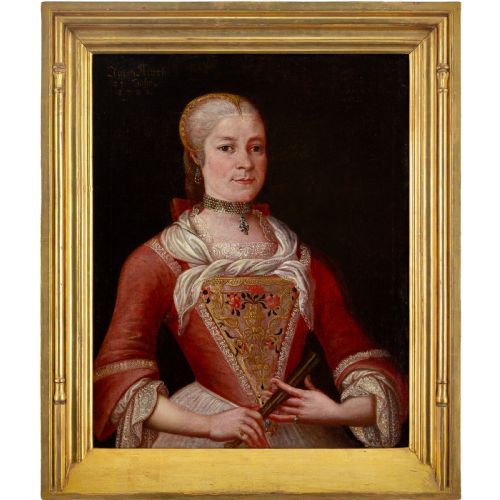
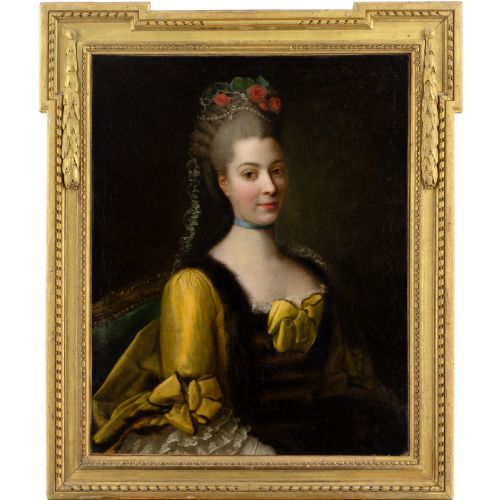
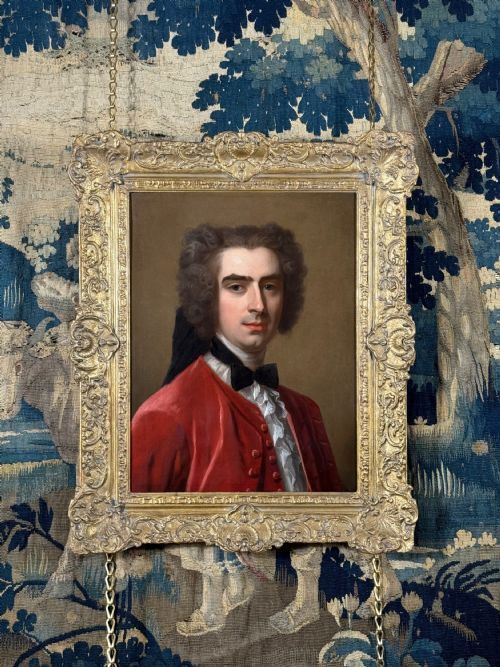
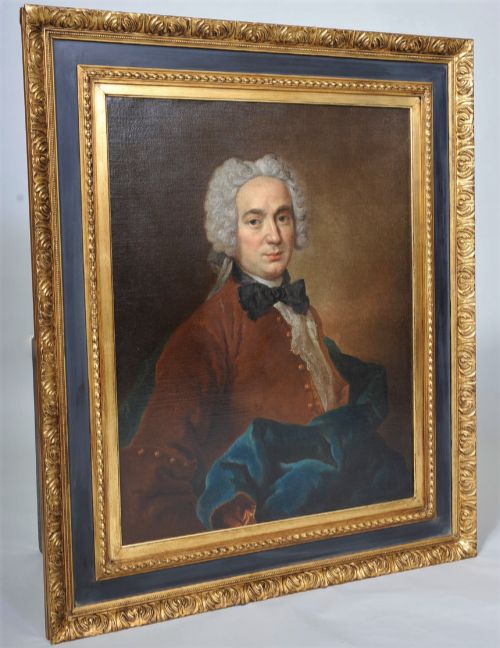
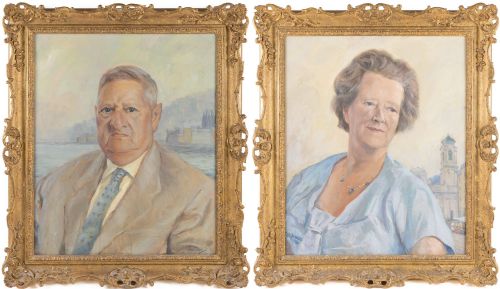
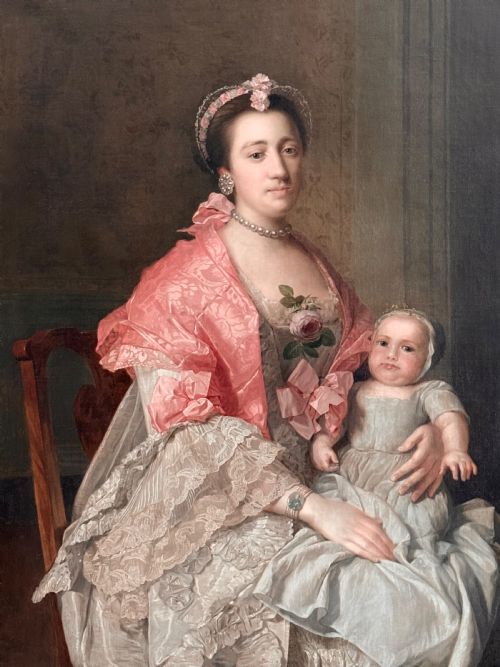
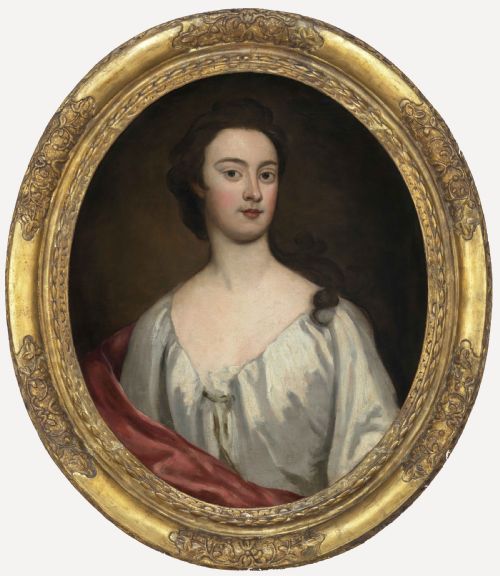
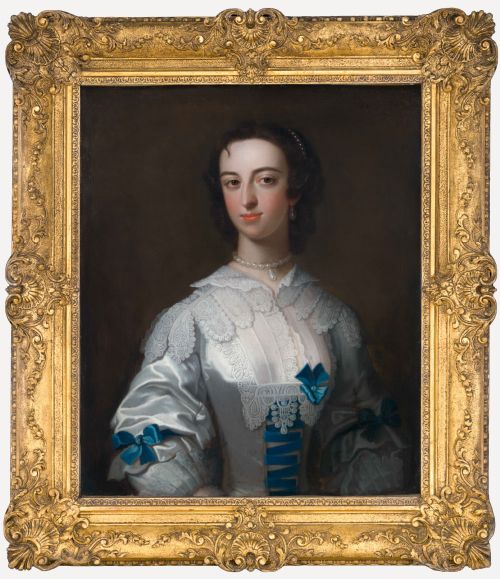
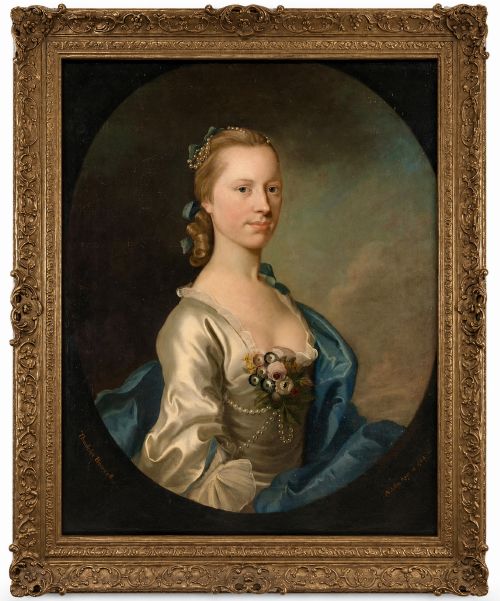
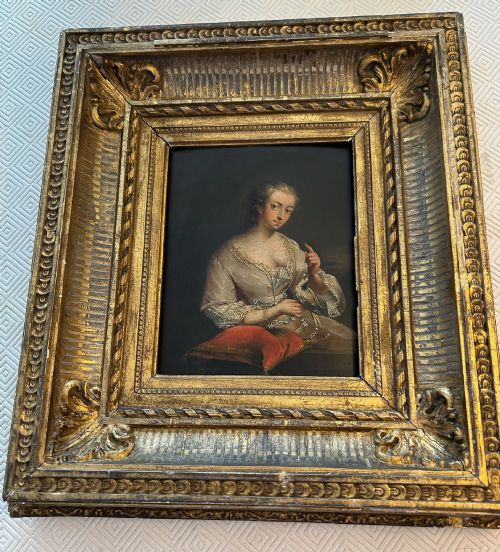
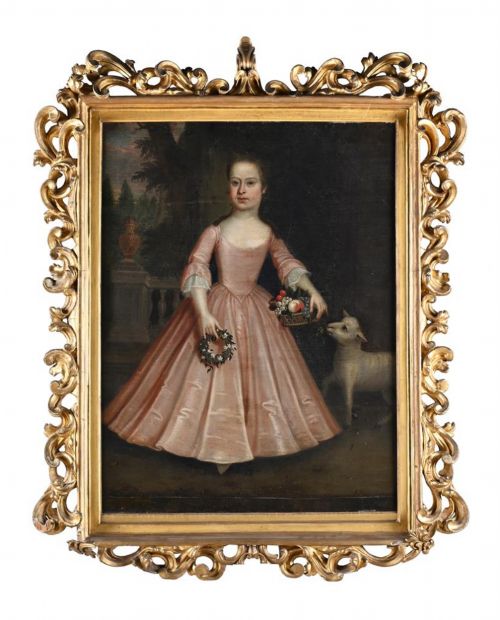
A rococo portrait on canvas captures the refined elegance of the eighteenth century, depicting aristocratic subjects in moments of leisurely grace. These works often showcase sitters in elaborate attire, ranging from silk gowns adorned with ribbons to gentlemen in velvet coats and lace jabots.
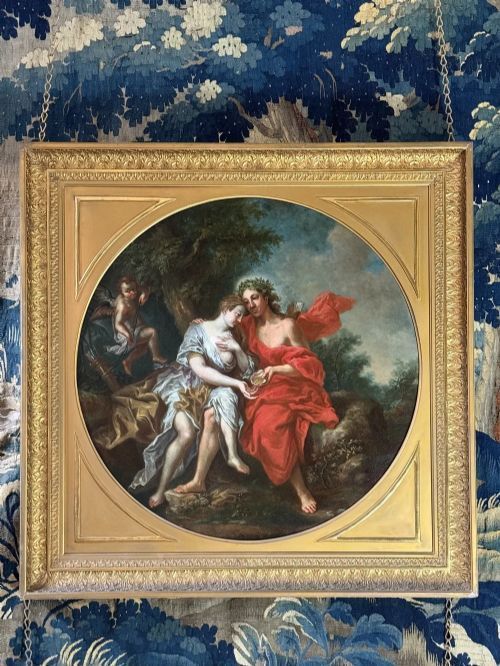
The selections available here lean heavily into authentic eighteenth-century examples alongside nineteenth-century revivals. Alongside traditional bust-length and three-quarter representations, buyers will find mythological scenes and classical figures rendered in the same decorative spirit.
Origins span across British, French, German, Italian, and Bavarian schools, reflecting a pan-European taste for theatricality and charm. Many canvases arrive housed in their original or period-appropriate giltwood and gesso frames, completing the decorative ensemble.
Materials and Techniques
Painters of this aesthetic worked primarily with oil paint applied to stretched canvas, building up luminous skin tones and rich fabric textures through layered glazes. Some pieces utilise pastel mediums directly on canvas or paper mounted to support structures, capturing a softer, powdered facial effect.
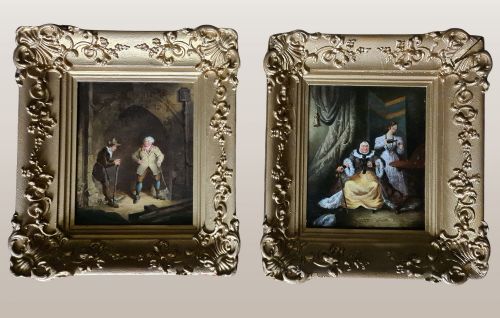
The surrounding frames play an integral structural and aesthetic role, constructed from carved wood heavily coated in gesso and gilt. These ornate surrounds often feature sweeping rocaille scrollwork, floral motifs, and leaf patterns designed to complement the theatrical nature of the painting within.
Several noble sitters share space with small feathered pets and spinning tops, proving that aristocracy still enjoyed simple distractions.
Assessing Quality and Execution
The distinction between ordinary and exceptional works rests entirely on the confidence of the brushwork and the psychological depth of the sitter. Superior canvases display lively handling of lace, fabric folds, and facial expressions, whereas lesser pieces often lapse into stiff uniformity.
The integrity of the canvas surface and the originality of the gilding on the frame contribute heavily to the overall standing of a piece. Works retaining their initial stretchers and untouched paint layers command greater reverence among collectors of period fine art.
JEAN-BAPTISTE VAN LOO·CHARLES-ANTOINE COYPEL·SIR ALLAN RAMSAY·Jeremiah Davison·Henry Pickering·Jean-Baptiste Greuze·Nicolas Fouché·Pierre Gobert·Jean-Marc Nattier·Christian Lindner·Paul Schier·William Edward Frost·Pompeo Batoni·Francois Boucher·Philip Mercier·Balthasar Denner·Edward Alcock·Pompeo Massani
The Rococo Portrait on Canvas Glossary
- Giltwood
- Wood that has been coated with a thin layer of gold leaf or gold powder over a prepared gesso base. This technique was standard for high-status picture frames throughout the eighteenth and nineteenth centuries.
- Jabot
- A decorative lace or cambric frill suspended from the neckband of a shirt or cravat. It appears frequently in male portraiture of the period to denote high social standing.
- Rocaille
- An ornamentation style employing asymmetrical shell and pebble motifs, which serves as the primary decorative vocabulary of the movement. It translates directly into the sweeping scrollwork found on period frames.
- Gesso
- A white paint mixture consisting of a binder mixed with chalk, gypsum, or pigment. It was applied to wooden frame mouldings to create a smooth, carved surface before gilding.
- Old Master
- A term applied to European painters of skill working before the nineteenth century. Many works in this category originate from established continental schools of this designation.
Rococo Portrait on Canvas: Frequently Asked Questions
How do I care for an antique canvas?
Keep these paintings away from direct sunlight and dramatic shifts in temperature or humidity to prevent the canvas from slackening and the oil paint from cracking. Dust the surface only with a dry, extremely soft brush.
Avoid using water, chemical cleaners, or damp cloths on either the painted canvas or the gilded frame. Professional conservation should be sought for any deeper cleaning or structural repairs.
Are these paintings always signed by the artist?
Many eighteenth-century portraits were left unsigned by the primary hand, as studio assistants often contributed or works were produced anonymously within regional schools. Attribution is frequently determined through stylistic analysis, historical records, and subject matter.
Signed works remain the exception rather than the rule for this period. Documentation provided with each piece usually outlines attribution history based on scholarly consensus.
How can I tell an 18th-century piece from a revival?
Eighteenth-century canvases generally display older type linen weaves, hand-hewn stretchers, and craquelure consistent with age-related oxidation of oil paint. Pigment analysis and the construction of the wooden frame also offer clear chronological indicators.
Nineteenth-century revival pieces often utilise machine-woven canvas and standardised hardware. Examining the reverse of the stretcher usually reveals the transition in manufacturing techniques.
What is the significance of the sitter's costume?
Clothing in these portraits served as a direct indicator of wealth, social status, and current fashion trends at European courts. The inclusion of silk, velvet, expensive lace, and specific colours demonstrated the family's purchasing power.
Objects held by the sitter, such as books, letters, or pets, often carry symbolic meanings related to education, fidelity, or leisure. These details help historians date the work and identify the social sphere of the subject.