


Nineteenth Century Watercolour Portrait
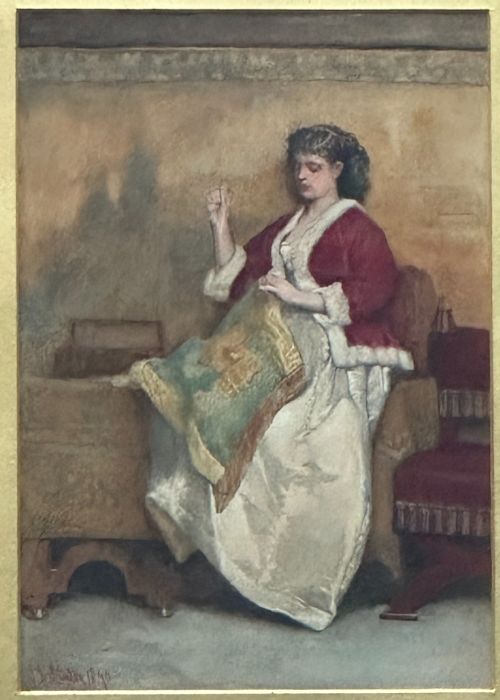
A nineteenth century watercolour portrait captures character on paper through pigment and water, offering an intimate glimpse into the past that anchors any room.
Nineteenth Century Watercolour Portrait
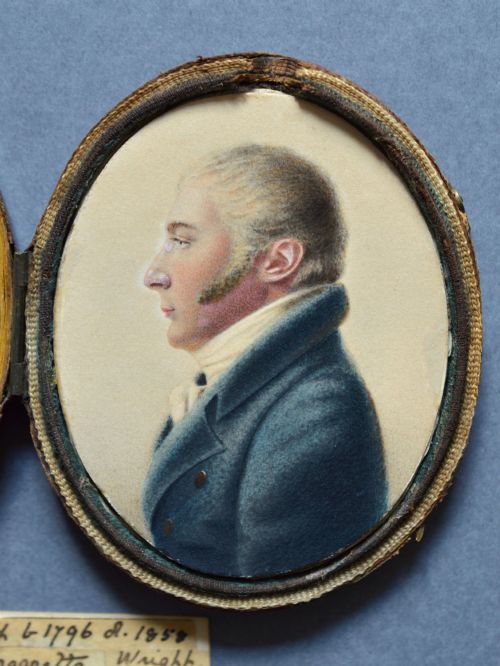
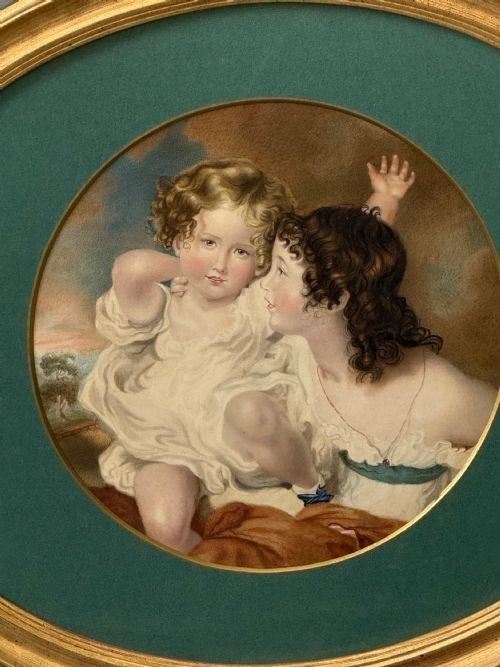
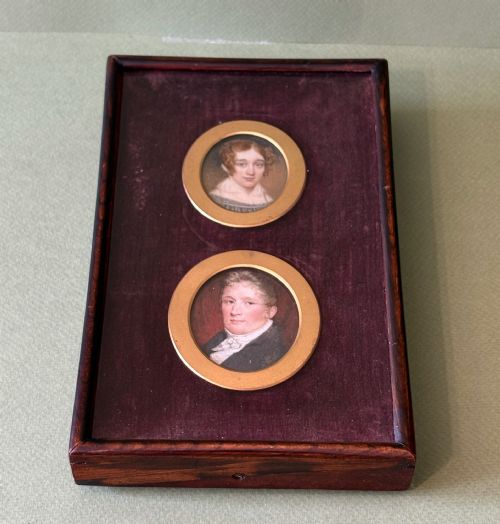
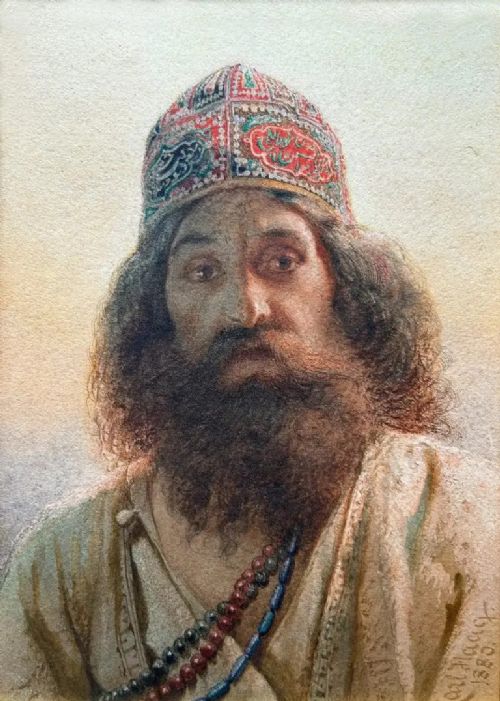
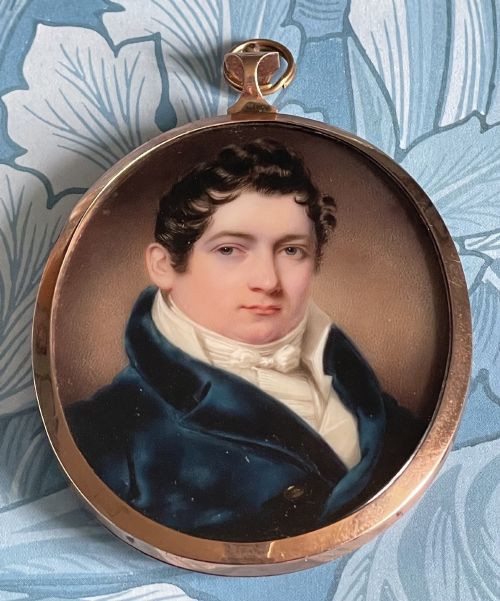
When you search for a nineteenth century watercolour portrait, you encounter works ranging from intimate cabinet miniatures on ivory and card to larger framed paintings depicting military officers, children, and gentlemen.
The selections span distinct historical eras including Georgian, Regency, and Victorian periods, alongside specific cultural studies such as Mughal subjects and Orientalism scenes.
You meet both accomplished academic works by known hands and engaging naive art pieces, reflecting the varied social strata and artistic ambitions of the 19th century.
Materials and Technique
Artists painted these watercolours primarily on paper, card, or thin slivers of ivory, applying delicate translucent washes of pigment to build form, skin tones, and drapery.
Specialised techniques sometimes incorporated ink detailing beneath the paint or inventive physical elements such as multiple costume overlays fixed to the portrait surface.
The listings demonstrate a wide material range, utilising paper, card, and ivory supports housed in gilt wood, ebonised wood, and brass frames.
Judging Quality
Superior execution shows careful control of translucent pigment layers and harmonious colour balance, whereas lesser works often display rigid lines and flat, uninspired shading.
The originality and preservation of the accompanying frame, glass, and backing materials significantly influence the overall integrity and visual presence of the piece.
Sir James Dromgole Linton·Thomas John Horsley·Carl Haag·John C D Engleheart·Basil Nightingale·Linnie Watt·John R Houston·William Powell Frith·Samuel John Milton Brown
The Nineteenth Century Watercolour Portrait Glossary
- Watercolour
- A painting method where fine pigment is suspended in a water-based solution and applied to paper or card. This medium allows for luminous, translucent layers that capture delicate shifts in light.
- Miniature portrait
- A small-scale painting executed with meticulous detail, often measuring only a few inches across. These objects were designed to be held in the hand or worn as personal mementos.
- Ivory
- A smooth, dense organic material historically used as a painting support for portrait miniatures. Its natural luminescence imparts a realistic glow to painted flesh tones.
- Naive art
- Work created by artists without formal academic training, characterised by charming perspective quirks and direct storytelling. These pieces offer unvarnished documentation of everyday life.
- Gilt wood
- Timber frames finished with a thin layer of gold leaf or metallic powder. They provide traditional decorative borders that enhance the framed artwork.
Nineteenth Century Watercolour Portrait: Frequently Asked Questions
How should I display my watercolour portrait safely?
Watercolours are sensitive to bright sunlight and ultraviolet rays, which cause pigments to fade over time. Hang your artwork on an interior wall away from direct natural light and excessive humidity.
Ensure the piece remains behind protective glass, ideally with acid-free backing materials that prevent chemical degradation of the delicate paper or card surface.
How do I distinguish Regency portraits from Victorian ones?
Regency era watercolours often reflect classical restraint, featuring sitters in neoclassical attire with softer, romanticised facial expressions and lighter palettes. Victorian pieces frequently display heavier framing, richer colour saturation, and more elaborate costume details.
Examining costume styles, hairstyles, and any accompanying signatures or dates helps pinpoint the exact period of execution.
What is the difference between a painting and a miniature?
Standard watercolour paintings from this century were created for wall display in domestic interiors, offering broader compositions and room for landscape backgrounds. Portrait miniatures are scaled down significantly for intimate viewing, often created on ivory or card.
Miniatures focus almost entirely on the subject's face and shoulders, prioritising microscopic detail over expansive scenery.
Can I remove the frame to check for signatures?
Historical frames are frequently original to the artwork and contribute to the piece's historical integrity. Dismantling the frame risks damaging the fragile paper, ivory, or glass components inside.
Look for signatures, inscriptions, or dates along the visible margins of the painting before considering any intervention by a professional conservator.