


Nineteenth Century Watercolour Painting
Nineteenth century watercolour painting captures the changing light of the Victorian and Regency eras through fluid pigments applied to paper.
Nineteenth Century Watercolour Painting
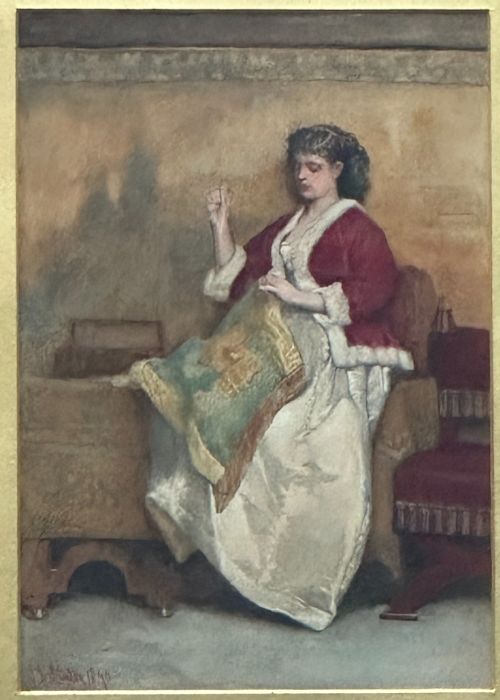
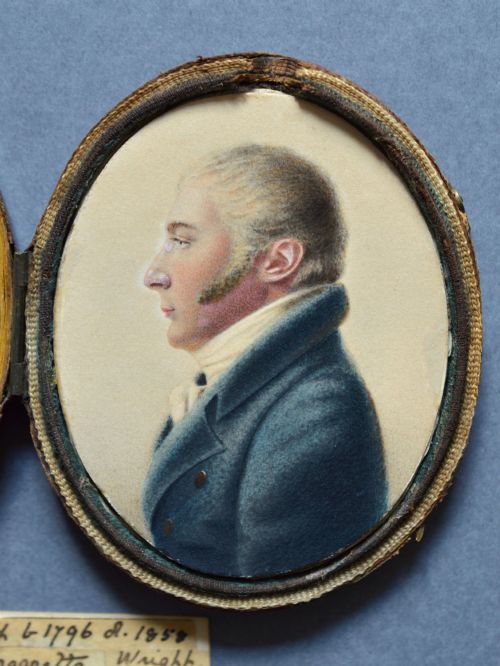
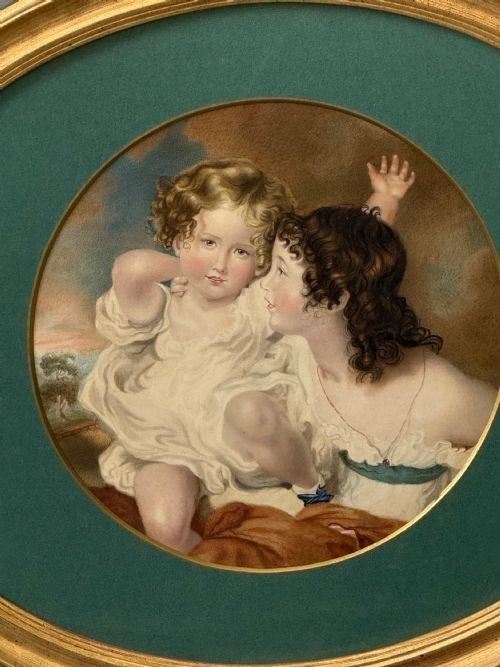
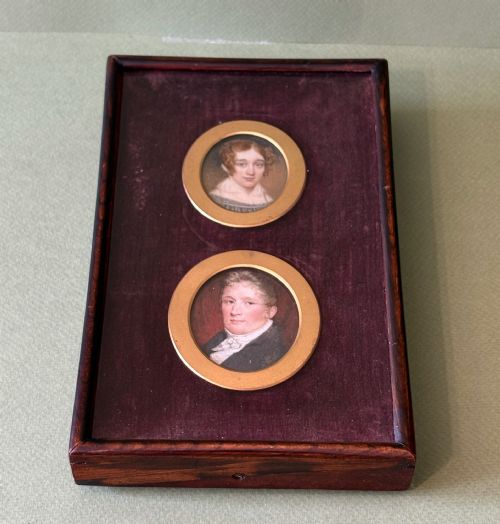
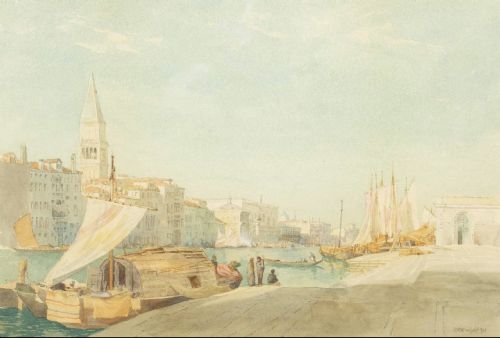
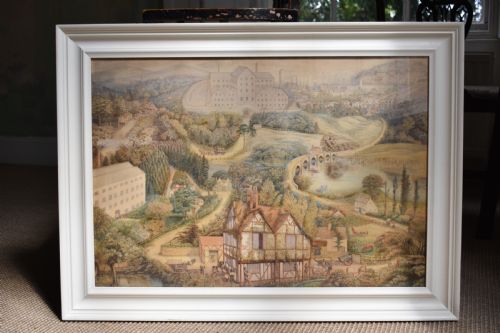
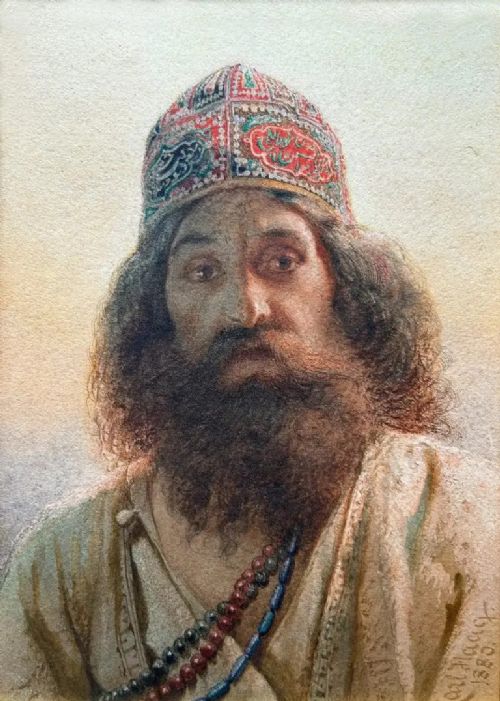
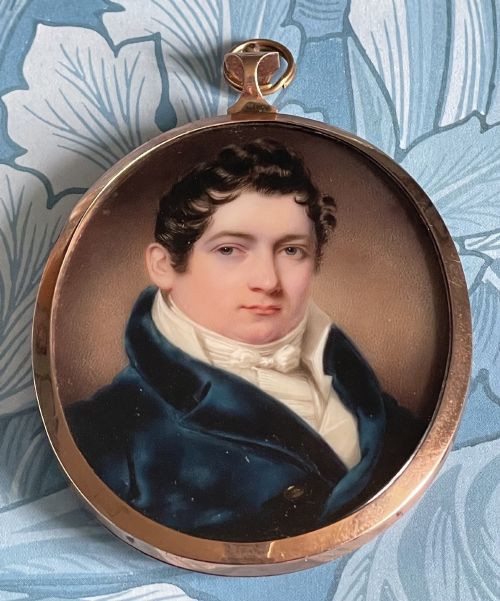
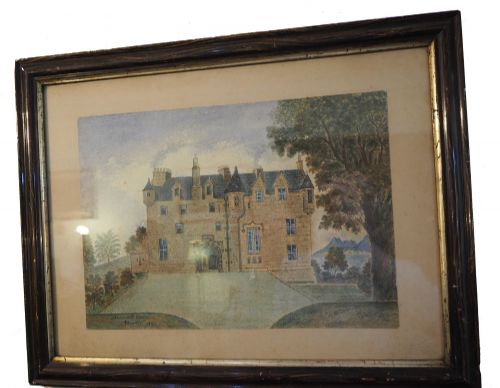
A nineteenth century watercolour painting encompasses framed artwork, wall art, and portrait miniatures produced across the Georgian, Regency, and Victorian periods. You will frequently encounter landscape views, marine scenes, and detailed character portraits created by British and European artists.
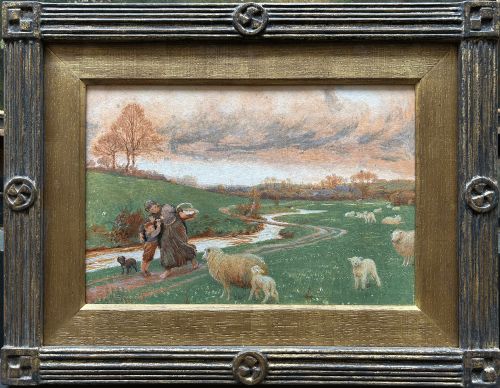
The selection ranges from intimate studies of country rivers and pastoral landscapes to architectural records of Grand Tour travels in Italy and Egypt. These works often arrive framed in period gilt wood or glass, preserving the delicate paper surfaces against environmental damage.
Materials and Technique
Artists applied watercolour pigment directly onto heavy paper supports, frequently building depth through transparent washes and fine brushwork. Some compositions incorporate gouache or ink to heighten contrast and define intricate details within the design.
Framing typically involves protective glass set within moulded wood frames, sometimes accented with gold leaf or brass mounts to complement the domestic interiors of the period.
A painted frog battle brings unexpected combat to the paper surface.
Gradations in Quality
Quality rests upon the artist's command of line and pigment density, where skilled brushwork achieves luminous atmosphere and spatial depth rather than flat application. The preservation of the paper support and the vibrancy of the original colours also distinguish finer examples from standard works.
Enclosure within appropriate period frames, such as gilt wood with original glazing, maintains the integrity of the piece and elevates the overall presentation of the artwork.
Sir James Dromgole Linton·Richard Henry Wright·Carl Haag·Frederick Walker·Cornelius Pearson·Edwin Lord Weeks·Thomas Bush Hardy·Robert Winchester Fraser·Harry Bright·Alfred W Parsons·William Manners·Harold Swanwick·Henry John Kinnaird
The Nineteenth Century Watercolour Painting Glossary
- Watercolour pigment
- Finely ground colour particles suspended in a water-soluble binder, applied to paper to create transparent or opaque passages.
- Portrait miniature
- A small, highly detailed painting depicting a specific individual, often executed on ivory, vellum, or paper during the Georgian and Victorian eras.
- Gilt wood
- Carved timber treated with a thin layer of gold leaf, frequently utilised for nineteenth-century picture frames.
- Grand Tour
- A traditional trip through Europe undertaken by upper-class young men and artists to study classical antiquities and landscape views.
- Gouache
- An opaque watercolour paint containing pigment mixed with a binding agent and white filler, yielding solid areas of colour.
Nineteenth Century Watercolour Painting: Frequently Asked Questions
How do I hang a watercolour safely?
Position the framed artwork away from direct sunlight to prevent the watercolour pigments from fading over time. Maintain a stable room temperature to protect the delicate paper support from humidity changes.
Secure the frame using sturdy picture hooks rated for the weight of the glass and timber moulding. Ensure the backing board remains sealed to keep dust and moisture away from the painting.
Were these paintings always framed?
Most nineteenth-century works were placed behind glass within wood frames shortly after completion to protect the vulnerable paper surface. Original frames often feature gilt wood or moulded details specific to the period.
Some pieces enter the market in later replacement frames while retaining their historic character. Check the mount and backing to understand the history of the framing.
What subjects are most common?
British pastoral landscapes, coastal marine views, and architectural scenes from European travels dominate the surviving output. Portrait miniatures and still life compositions with flowers also appear frequently among these historic works.
Artists often recorded specific locations such as Welsh rivers, Venetian canals, and Egyptian landscapes. These subjects reflect the travel and aesthetic interests of the Victorian and Regency periods.
How do I identify a Victorian piece?
Examine the subject matter, costume details, and framing style for characteristics typical of the nineteenth century. Landscape and genre scenes from this era often display detailed naturalism and narrative themes.
Signatures, dates written on the paper, or accompanying biographical records of the artist provide precise dating. Paper types and framing materials also offer clues to the approximate decade of production.