


British Countryside Watercolours
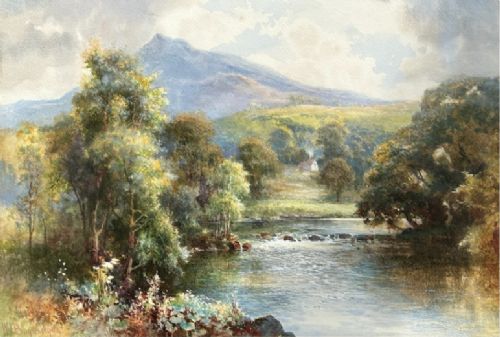
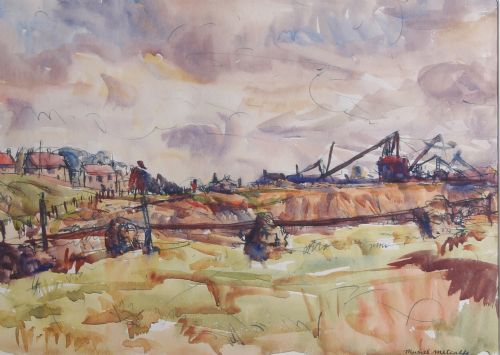
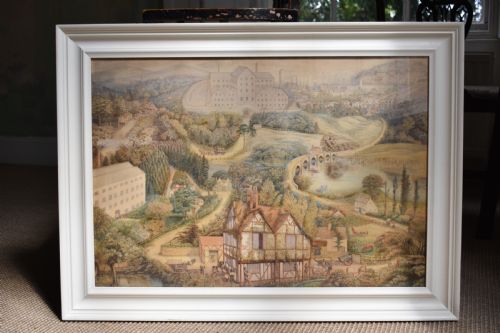
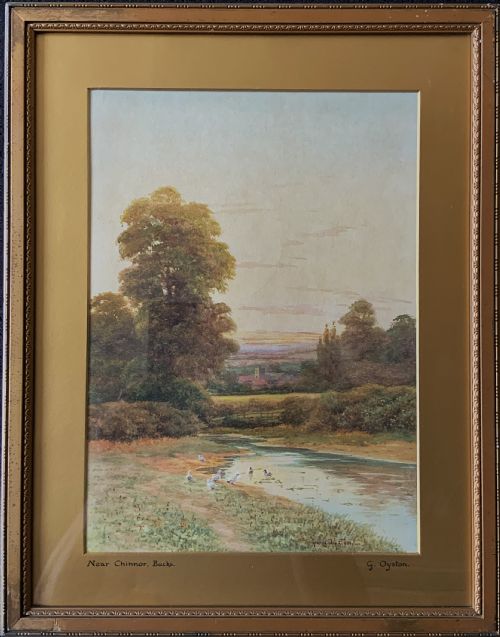
British countryside watercolours capture rural life, rolling pastures, and quiet rivers through delicate washes of pigment on paper.
British Countryside Watercolours
When browsing for british countryside watercolours, collectors encounter original paintings that depict pastoral scenes, riverbanks, and rural villages across England, Wales, and the Isle of Man. The selections span from the Victorian era through the Edwardian period and into the mid-twentieth century, reflecting changing interpretations of the rural landscape.
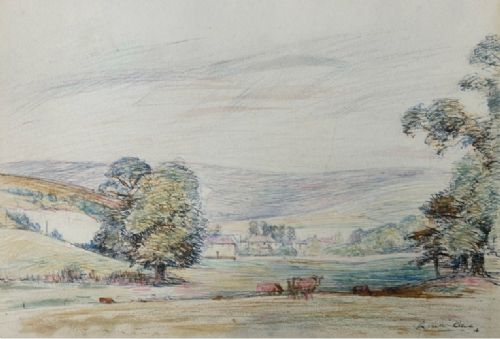
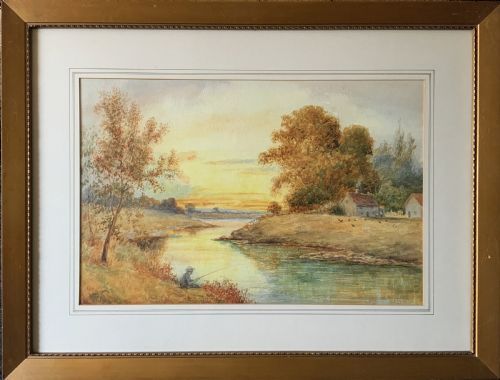
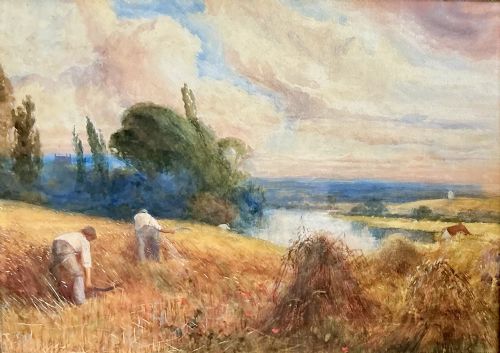
Most examples found on this page date from the late nineteenth and early twentieth centuries, a time when artists frequently recorded local harvests, country cottages, and livestock by rivers. These works encompass diverse regional views, ranging from Yorkshire dales and Sussex downs to Welsh valleys.
The category embraces framed wall art, fine art paintings, and intimate landscape studies produced by named artists and regional painters alike. These watercolours document historical views of the British countryside before modern industrial expansion altered many rural locations.
Materials and Technique
Artists relied primarily on watercolour paint and pigment applied to paper sheets, often supported by initial underdrawings in graphite to map out rivers, cottages, and hills. Selected works incorporate touches of bodycolour or gold leaf to highlight specific elements such as sunset light or water reflections.
The application involves transparent washes layered to build depth in skies and foliage, alongside precise brushwork for details like figures, livestock, and architecture. Finished sheets were typically mounted behind glass within wooden frames to protect the paper from moisture and handling.
The listings encompass works executed on paper using watercolour paint, graphite, and gold leaf, spanning the Victorian period to the mid-twentieth century.
Distinctions in Quality
Quality in these watercolours rests upon the artist's handling of light, atmospheric perspective, and compositional balance within the landscape. Superior examples demonstrate confident brushwork and precise control over pigment transparency, capturing fleeting weather conditions or seasonal changes without muddying the colours.
The condition of the paper and the vibrancy of the pigments also separate standard decorative pieces from finer works. Retained pigment intensity, minimal foxing, and original period framing contribute significantly to the standing of an individual painting.
William Joseph Boyes·Muriel Metcalfe·George Oyston·Russell Sidney Reeves·Frederick Hines·Alfred George Morgan·Edgar Woollatt·Charles Gregory·Samuel Timmins·Henry Charles Fox·Fred Lawson·Cuthbert Crossley·George Graham·Arthur Tucker·Frederick Septimus Lewis·William Hoggatt·Thomas Hunn·Stanley Orchart·James Orrock·Robert Thorne Waite·Henry Bailey·Robert Winchester Fraser·George Arthur Fripp·John Edward Bale·Bernard Walter Evans
The British Countryside Watercolours Glossary
- Watercolour pigment
- Finely ground colour particles mixed with a water-soluble binder, forming the primary medium for these landscape paintings. Pigments were applied in washes to achieve translucent effects on paper.
- Graphite
- A form of carbon used for preliminary sketching beneath the paint layer. Artists utilised pencil lines to establish composition and perspective before applying wet washes.
- Bodycolour
- Watercolour mixed with a white pigment to make it opaque. This technique allowed artists to add highlights and solid areas of light to a scene.
- Foxing
- Brown spots and discolouration that develop on older paper due to chemical reactions over time. Environmental moisture often accelerates this process in antique watercolours.
- Pastoral landscape
- An artistic genre depicting rural life, shepherds, cattle, and farms in an idealized or tranquil countryside setting. These views formed the core subject matter for many late nineteenth-century painters.
British Countryside Watercolours: Frequently Asked Questions
How do I date a watercolour?
Dating relies on signatures, artist exhibition records, clothing styles of any figures depicted, and framing materials. Written inscriptions on the reverse of the paper frequently supply specific locations and years.
Paper watermarks and historical stylistic shifts between Victorian naturalism and early twentieth-century impressionism offer further chronological clues.
Where should I hang these paintings?
Watercolours require placement away from direct sunlight to prevent the pigments from fading over time. Interior walls with stable temperature and humidity levels protect the paper and frame.
Pairing pieces with complementary wooden frames enhances their visual impact in hallways, studies, or living rooms.
What subjects are most common?
Rural scenes featuring rivers, harvested fields, thatched cottages, and grazing cattle dominate the available selections. Coastal harbours and Yorkshire dales also appear frequently among regional views.
These subjects reflect the late nineteenth-century artistic preference for tranquil countryside environments.