



Vintage Rural Landscape Picture
A vintage rural landscape picture brings fields, farmyards and quiet country cottages into a room through nineteenth and twentieth-century brushwork.
Vintage Rural Landscape Picture
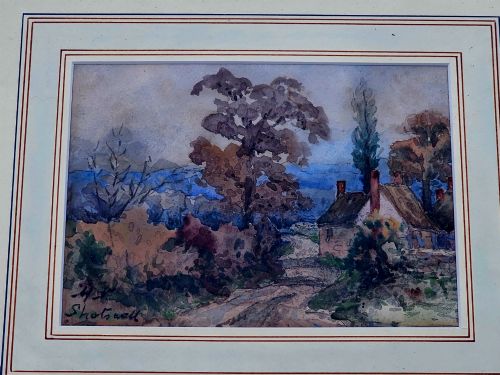
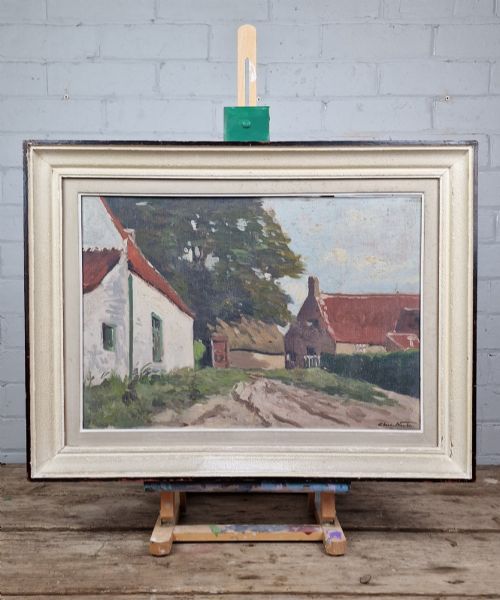
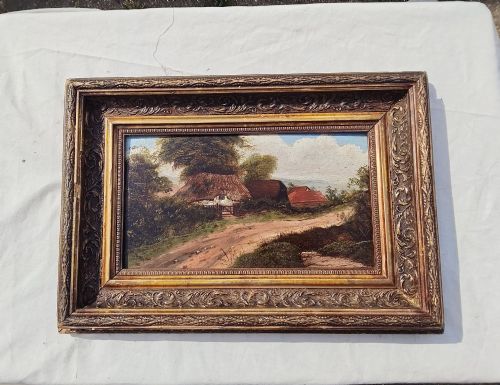
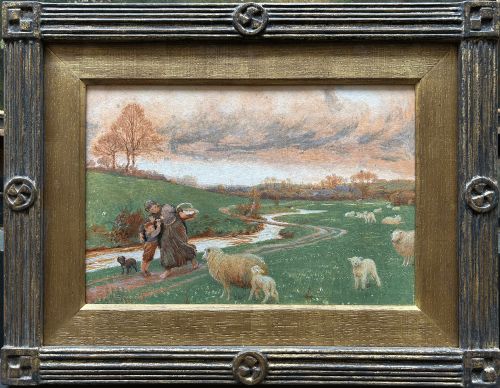
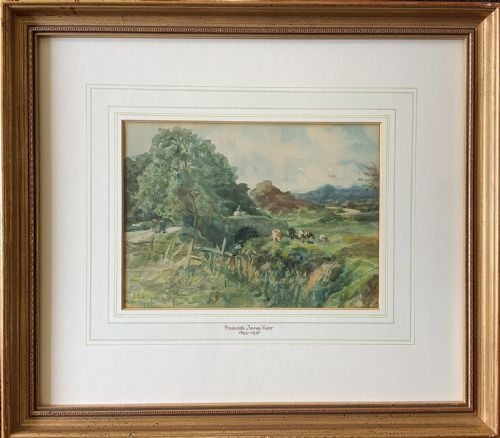
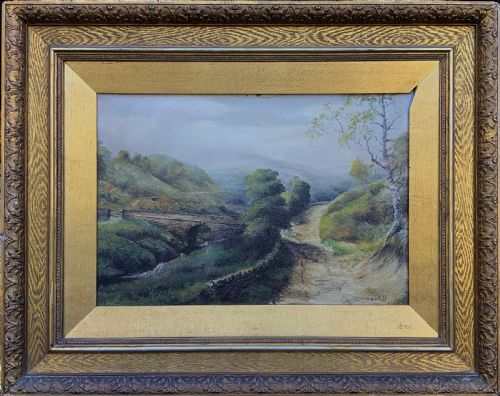
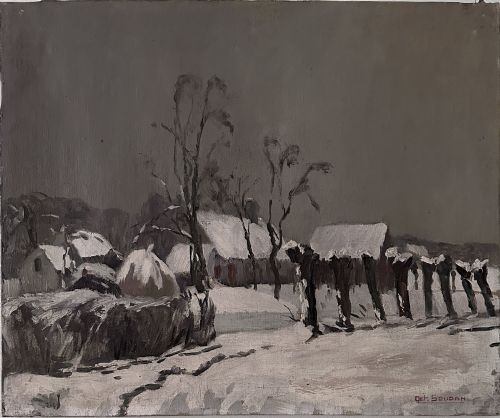
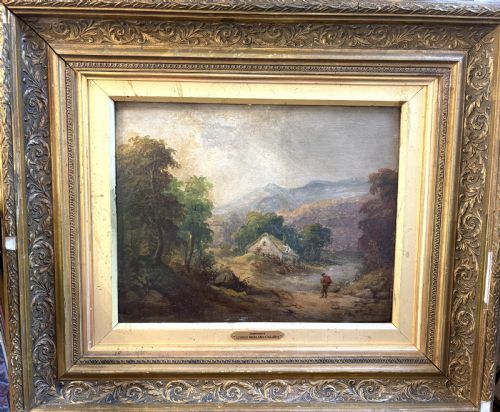
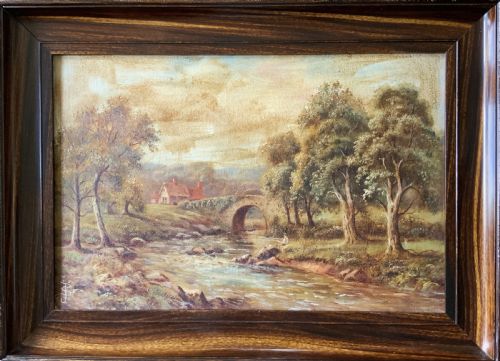
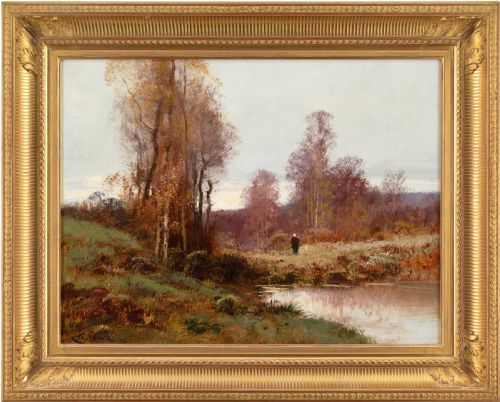
When you search for a vintage rural landscape picture, you encounter framed artwork depicting fields, livestock, farmyards and country cottages. These pieces capture the British and European countryside through the eyes of various schools and individual painters.
The selections available here range from Victorian and Edwardian pastorals to mid-twentieth-century interpretations. You will find watercolours on paper alongside oil paintings on canvas, board and card, representing scenes from rural life.
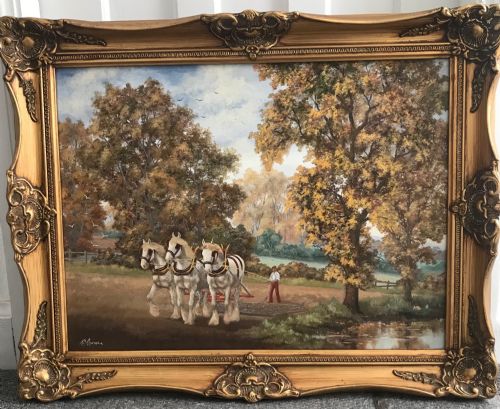
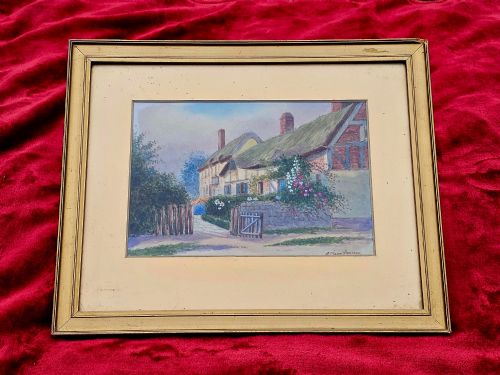
Common subjects include agricultural workers harvesting, sheep grazing, shire horses ploughing and thatched cottages nestled beside streams. Each work preserves a specific moment in agrarian history through traditional artistic mediums.
How they were made
These works rely on traditional painting supports including canvas, wooden board, heavy card and watercolour paper. Artists applied oil paint or watercolours, sometimes finishing compositions with protective glass and gold leaf framing.
Techniques span the detailed realism of the nineteenth century through to the looser brushwork of British Impressionism and post-impressionist styles. Pigments were worked by hand to capture natural light, seasonal foliage and atmospheric weather in the countryside.
Ducks are happily fed, sheep graze peacefully, and heavy horses pull ploughs through mud that dried a century ago.
What varies in quality
Quality rests in the confidence of the brushwork and the artist's ability to render light, shadow and atmospheric depth within a rural setting. Masterful handling of tone distinguishes a compelling pastoral scene from a rigid or formulaic composition.
The strength of provenance and the preservation of the original pigment also elevate certain pieces. Works signed by known regional or continental painters carry distinct artistic merit compared to anonymous school pieces.
Charles Houben·Frederick Walker·Frederick James Kerr·Herman S Melville·George Morland·Sydney Yates Johnson·Henry Charles Fox·William JB Jenkins·Cuthbert Crossley·Fred Lawson·Henry John Yeend King·John Hobson Nicholson·Henry John Boddington·M. C. Hider·James Hardy Junior·John Atkinson·Willem Anton Alexander Knip·James William Booth·George Soper·George Kilburne·Gudrun Sibbons·Abraham Hulk Junior·Rowland Henry Hill
The Vintage Rural Landscape Picture Glossary
- Watercolour
- A painting method where fine pigment is suspended in a water-based solution and applied to paper. It relies on the white of the paper shining through translucent washes.
- Oil on Canvas
- A technique utilising pigments bound in a drying oil, typically linseed, spread across woven fabric stretched over a wooden frame. This medium allows for rich blending and textured impasto.
- British Impressionism
- An artistic movement focusing on everyday subject matter and natural light, rendered through visible brushstrokes rather than rigid academic detail.
- Pastoral
- Artwork depicting the rural countryside, agricultural labour and rustic scenes in an idealized or traditional manner. It romanticises the simplicity of country life.
- Provenance
- The documented history of ownership surrounding a work of art, establishing its origin and authenticity through exhibition records or studio sales.
Vintage Rural Landscape Picture: Frequently Asked Questions
What periods do these rural paintings cover?
The selections span from the nineteenth century through the Edwardian era and into the mid-twentieth century. You will encounter Victorian academic styles alongside later impressionist interpretations.
Each period reflects changing artistic approaches to depicting the British and European countryside, from highly detailed realism to looser atmospheric brushwork.
How were these landscape artworks displayed originally?
Most of these pieces were framed in wood, frequently incorporating gold leaf detailing to complement the painted composition. Many works on paper were placed behind protective glass to shield the delicate watercolours from environmental moisture.
Original framing often remains with the artwork, offering context regarding how past owners chose to display their pastoral scenes.
How do I identify a watercolour from an oil painting?
Watercolours are executed on paper under glass, showing translucent washes where the texture of the paper remains visible beneath the pigment. Oil paintings feature thicker paint layers applied to canvas, board or card, often possessing a visible surface texture.
Oils generally have a satin or gloss sheen from the oil binder, whereas watercolours present a flat, matte appearance.