



Scottish School Painting
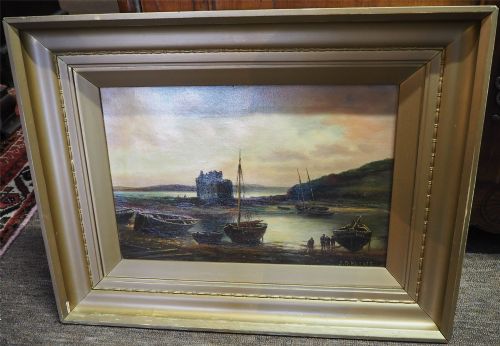
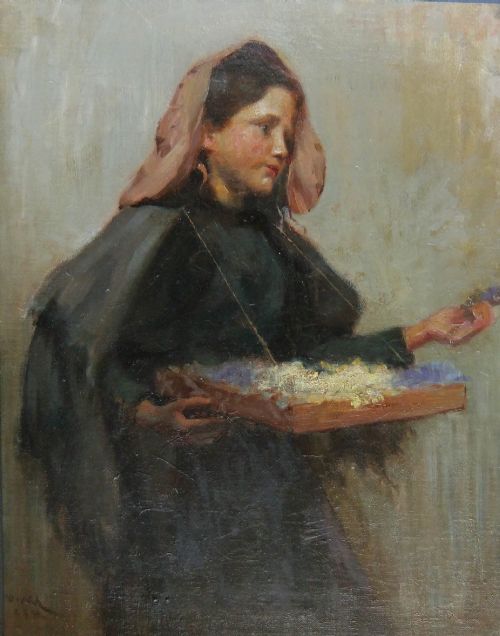
A Scottish school painting captures the rugged topography and atmospheric light of the north through traditional portraiture and landscape work.
Scottish School Painting
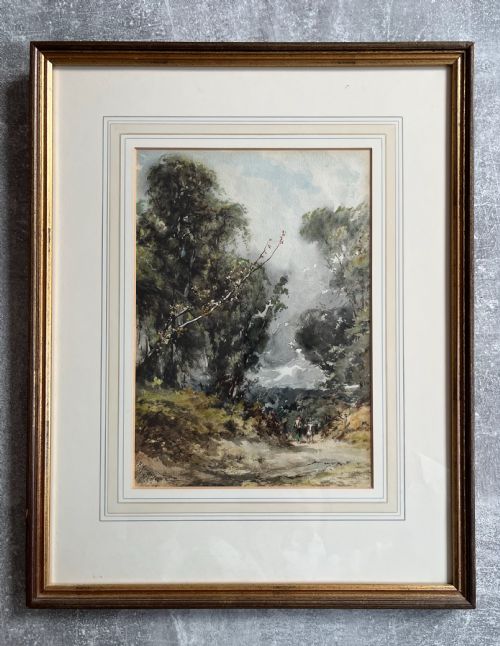
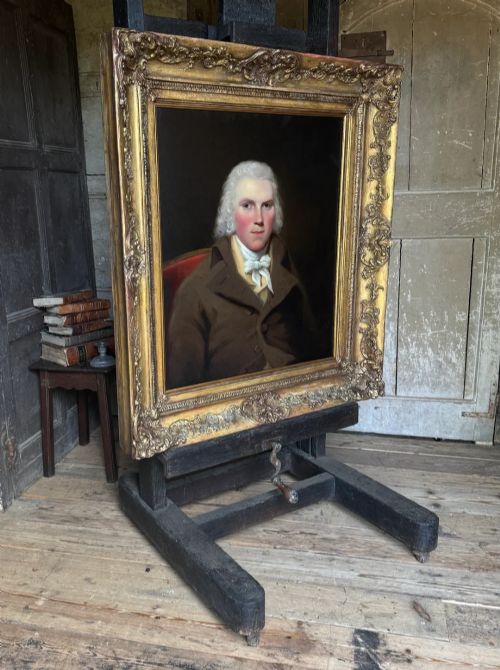
A Scottish school painting represents centuries of artistic output rooted in the landscape, portraiture, and genre scenes of Scotland. When you examine a Scottish school painting today, you encounter works spanning from the formal portraiture of the eighteenth century to the looser brushwork of the early twentieth century.
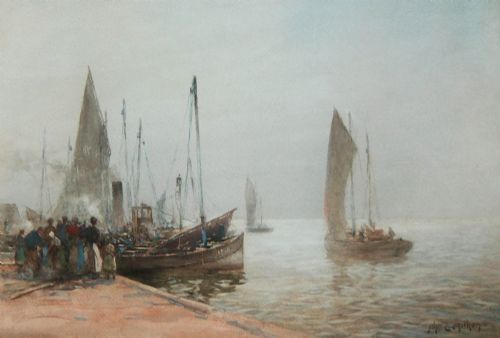
The material record shows a strong preference for oils and watercolours, capturing everything from misty Highland lochs and coastal fishing harbours to detailed sitters from Forfarshire and Edinburgh. These works range from intimate wood panel studies to large canvases bearing the signatures of noted Royal Scottish Academicians.
Materials and Methods
The physical backbone of these works relies upon oil on canvas, wood panel, or board, frequently accompanied by watercolour on paper. Canvas laid on board often appears in nineteenth-century examples, providing rigid support for outdoor sketching sessions.
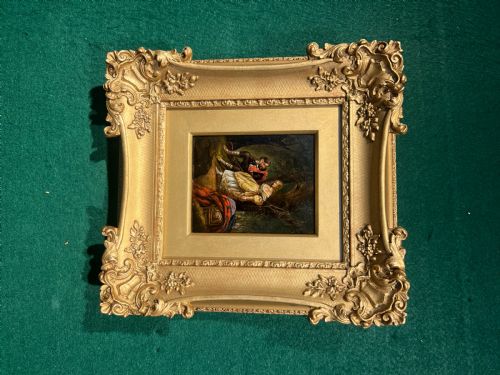
Giltwood frames frequently accompany these works, augmenting the visual weight of the paintings. Pigments are applied with varying density, from the tight realism of eighteenth-century portraiture to the energetic impasto of later impressionist landscapes.
Listings feature works spanning the eighteenth century through the 1930s, utilising oil, watercolour, and pastel.
Factors of Quality
Quality rests upon the strength of the composition and the confidence of the brushwork rather than mere age. A loosely handled landscape by a named exponent of Scottish Impressionism often outshines a stiffly executed anonymous portrait.
The retention of original framing and clear provenance also elevates an example. Depth of tone, atmospheric rendering of northern light, and condition of the underlying support dictate the standing of any individual piece.
Tom Campbell·James E. Aitken·William Watt Milne·Sir George Reid·Sam Bough·Alfred de Breanski Snr·George Smith·John Mc Ghie
The Scottish School Painting Glossary
- Oil on Canvas
- Pigment suspended in drying oil applied to a woven fabric stretched across a wooden frame. This primary medium allows for rich blending and textured impasto.
- Watercolour
- A paint consisting of colour suspended in a water-soluble binder, traditionally applied to paper. It yields translucent washes well suited to Scottish mists and skies.
- Wood Panel
- A rigid wooden support used primarily for smaller paintings. Artists favoured panels for stability during outdoor sketching excursions.
- Giltwood
- Wood carved and covered with a thin layer of gold leaf. It provides the traditional reflective border for framing finished works.
- Impressionism
- A style involving thin yet visible brush strokes and an emphasis on accurate depiction of light. Scottish practitioners adapted these tenets to capture changing northern weather.
Scottish School Painting: Frequently Asked Questions
What defines a Scottish school painting?
These works encompass fine art created by artists working in Scotland or depicting Scottish subjects across several centuries. They range from formal historical portraits to expansive Highland landscapes.
Subject matter often includes local topography, coastal scenes, and figures in traditional attire. The categorization bridges named academicians and competent regional practitioners.
How should I hang a landscape?
Display these works away from direct sunlight to protect sensitive watercolours and oil pigments from fading. Adequate wall space allows larger canvases to breathe within a room.
Pairing works with period giltwood frames enhances their visual impact. Ensure your hanging hardware matches the substantial weight of framed oil paintings on canvas.
Are watercolours as durable as oils?
Waterworks require protection behind glass to prevent atmospheric damage and paper degradation. They react more sensitively to ambient moisture than robust oil paintings.
Oils on canvas or panel offer greater physical resilience over time. Both mediums benefit from stable indoor humidity and careful placement.
How do I spot a Highland scene?
Look for characteristic motifs such as misty lochs, rugged mountains, grazing sheep, and figures navigating glens. These elements recur across nineteenth and early twentieth-century examples.
The palette frequently employs earthy greens, deep browns, and luminous greys to evoke northern weather. Such topographical markers distinguish Scottish vistas from other British regional art.