

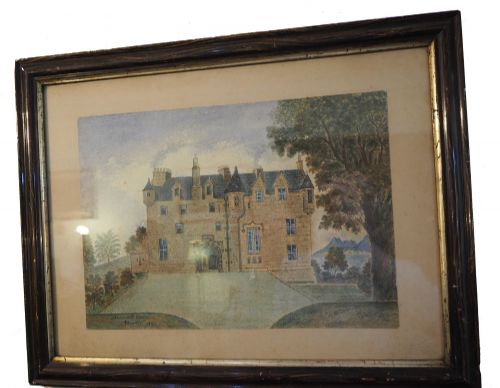


Nineteenth Century Watercolour Art
Nineteenth century watercolour art encompasses delicate pigment works on paper, capturing landscapes, portraits, and architectural views across the Georgian, Regency, and Victorian periods.
Nineteenth Century Watercolour Art
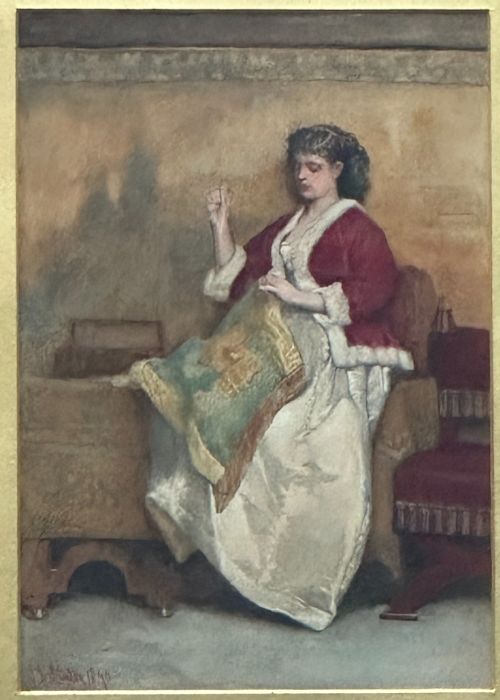
Nineteenth century watercolour art captures the evolving visual tastes of the Georgian, Regency, and Victorian periods through delicate pigments applied to paper. Buyers frequently encounter landscapes, architectural studies, and portrait miniatures originating from British, Italian, and Orientalist schools.
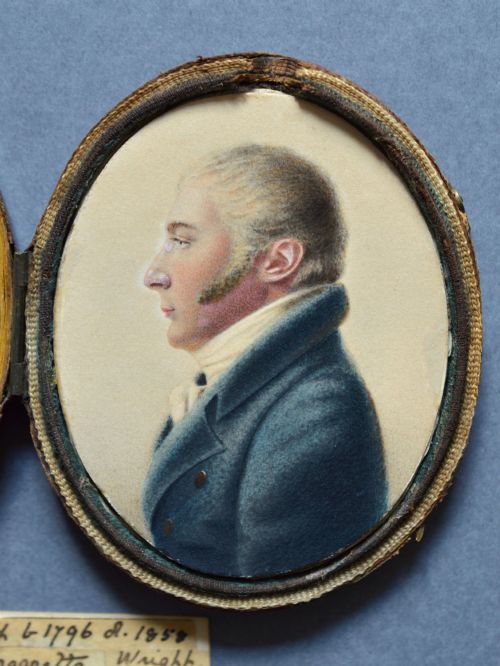
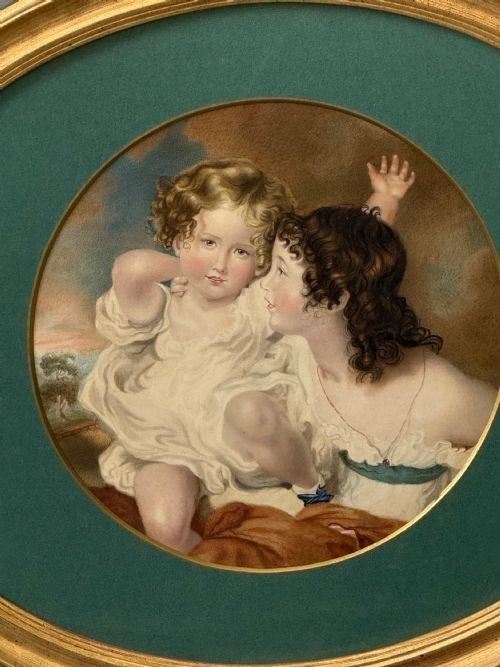
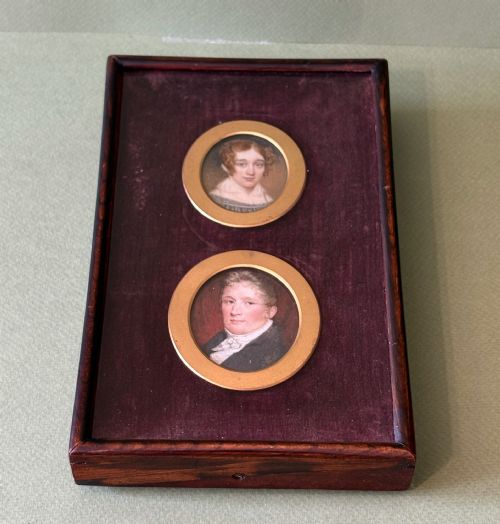
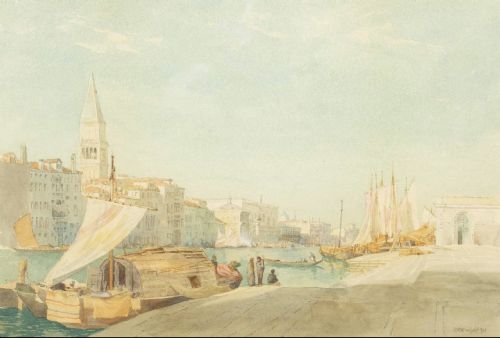
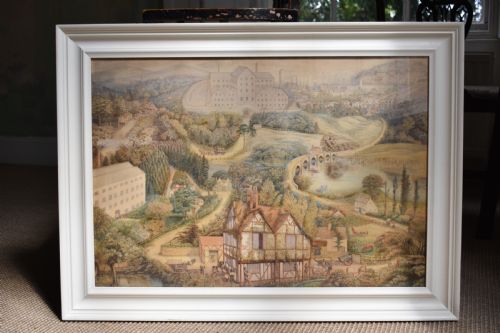
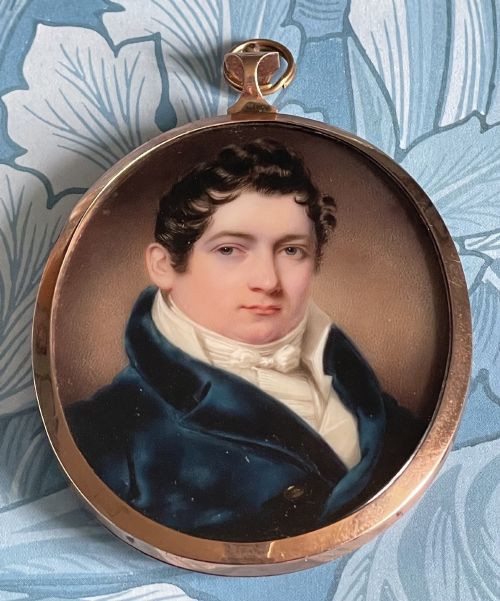
The selection ranges from intimate portrait miniatures framed in brass and wood to expansive landscape paintings depicting Welsh rivers, Venetian canals, and rural scenes. Many works retain their period framing, utilising gilt wood, glass, and gold leaf to protect the paper substrate.
How They Were Made
These works rely primarily on watercolour pigment suspended in water-soluble vehicles, applied across various grades of paper using fine brushes to achieve translucent washes and precise details. Artists frequently incorporated ink for definition, particularly in portrait miniatures and topographical sketches.
Framing and presentation involved protective glass housed within wood, gilt wood, or brass frames, often incorporating gold leaf accents. Portrait miniatures demanded meticulous precision, occasionally utilising specialised surfaces like silk alongside traditional paper.
Even three-month-old babies sat for portraits during the Regency period, complete with fourteen interchangeable costume overlays.
What Varies in Quality
The distinction between standard works and finer examples rests upon the artist's mastery of tone, perspective, and pigment preservation over time. Superior pieces demonstrate confident brushwork and enduring pigment vibrancy, whereas lesser works may exhibit fading or rigid composition.
Quality also extends to the physical preservation of the paper and the integrity of the period framing. Works accompanied by documented provenance or executed by established practitioners command greater attention from collectors.
Sir James Dromgole Linton·Carl Haag·Frederick Walker·Cornelius Pearson·Edwin Lord Weeks·Basil Nightingale·Thomas Bush Hardy·Robert Winchester Fraser·Harry Bright·Eloise Harriet Stannard·Vittore Zanetti Zilla·George Kilburne·Alfred W Parsons·Jabez Bligh·William Manners·Harold Swanwick
The Nineteenth Century Watercolour Art Glossary
- Watercolour
- A painting method in which the paints are made of pigments suspended in a water-based solution. This technique allows for translucent layers of colour that reveal the texture of the paper beneath.
- Portrait Miniature
- A very small painting, usually a portrait on paper, vellum, or card, popular during the Georgian and Victorian eras. These intimate items were often housed in protective cases with brass or gold leaf details.
- Gilt Wood
- Wood that has been covered with a thin layer of gold leaf or gold paint. It frequently appears on nineteenth century frames surrounding fine art.
- Orientalist
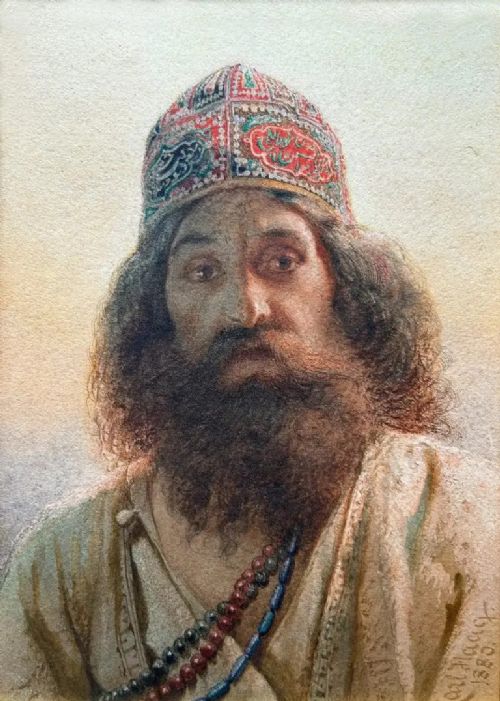
- An artistic style depicting scenes from the Middle East, North Africa, and Asia, produced by Western artists during the nineteenth century. These paintings often highlight architecture, local figures, and sunlit landscapes.
- Provenance
- The chronology of the ownership, custody, or location of a historical item. A clear provenance helps verify the authenticity and historical context of nineteenth century artworks.
Nineteenth Century Watercolour Art: Frequently Asked Questions
What periods do these watercolours span?
These works primarily span the nineteenth century, encompassing Georgian, Regency, and Victorian eras.
Production dates extend from the early 1800s through to the early decades of the twentieth century.
How should nineteenth century watercolours be displayed?
Display these artworks away from direct sunlight to prevent the watercolour pigments from fading over time.
Maintain stable indoor humidity levels to protect both the fragile paper and the original wood or gilt frames.
What subjects are most common?
Common subjects include British and European landscapes, rural scenes, coastal views, and architectural studies from Grand Tour travels.
Portrait miniatures and botanical studies also feature prominently across the available selection.
Are original frames common?
Many pieces retain their period frames, constructed from wood, gilt wood, or brass.
These original enclosures often feature glass protection and occasional gold leaf detailing appropriate to their era.