

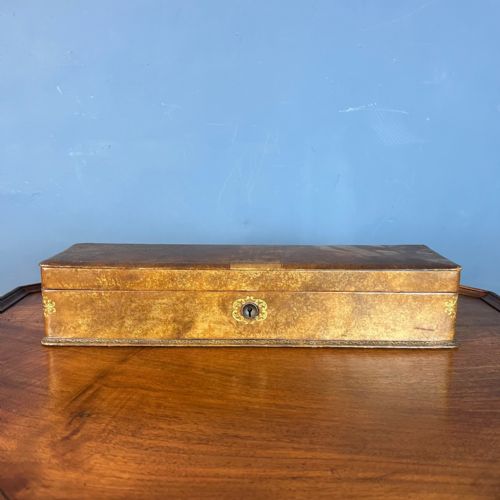


Nineteenth Century Trinket Box
A nineteenth century trinket box is a small receptacle made to hold personal valuables, prized by collectors for their varied materials and intricate regional craft.
Nineteenth Century Trinket Box
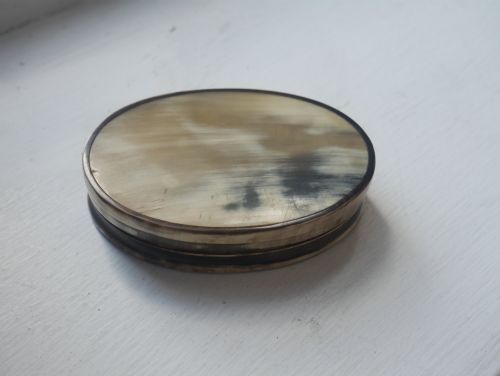
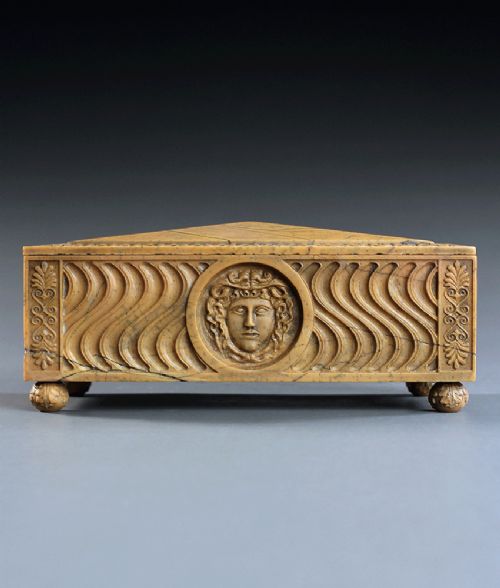
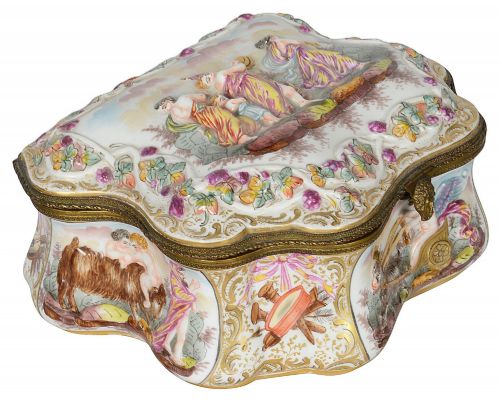
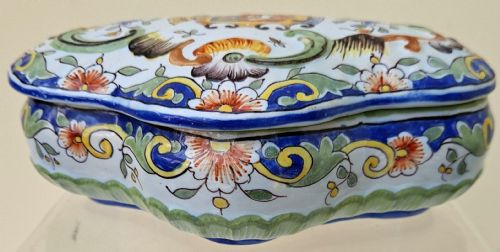
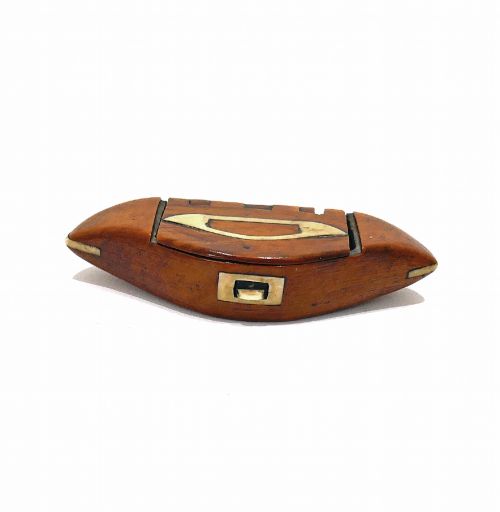
A nineteenth century trinket box encompasses a wide array of small lidded containers utilised for personal treasures, jewellery, and small keepsakes. The pieces encountered here span from modest wooden pocket snuff boxes to elaborate tabletop caskets formed in marble, porcelain, and metal.
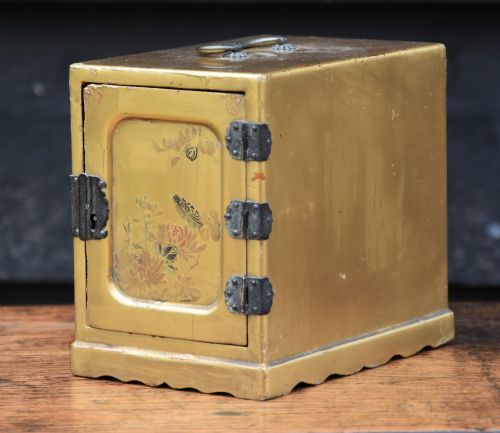
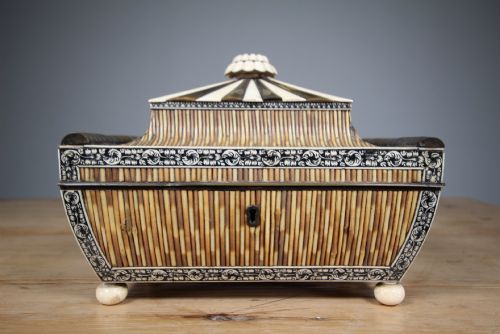
The objects frequently mirror the domestic habits and decorative tastes of the period, ranging from Regency parquetry games boxes to Victorian rosewood glove boxes and tea caddies. Buyers will find both British vernacular pieces and examples reflecting international exchange, such as Anglo-Indian ebony work and Japanese lacquered items.
Many items serve dual or overlapping functions, appearing variously as pill boxes, desk accessories, and miniature furniture like apprentice pieces or small chests of drawers. This diversity means that selecting a nineteenth century trinket box depends largely upon the intended display surface and the specific material desired.
How They Were Made
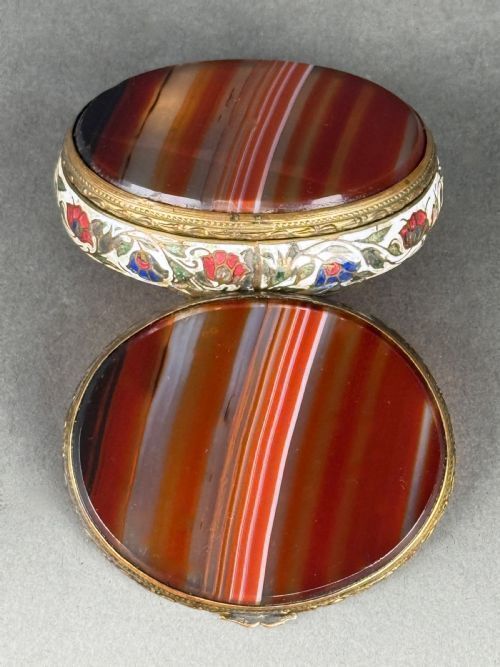
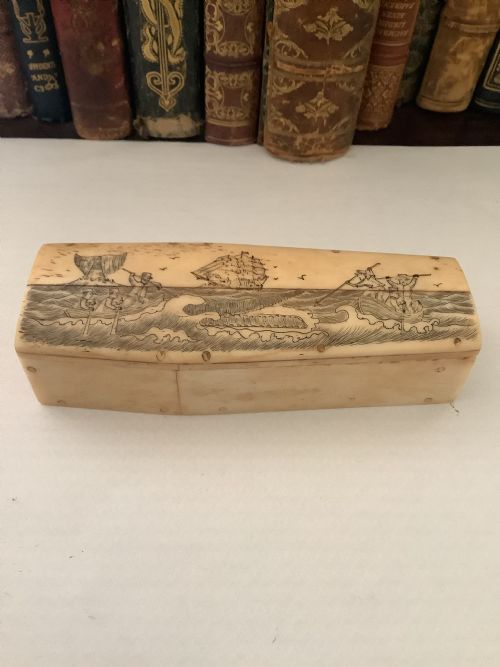
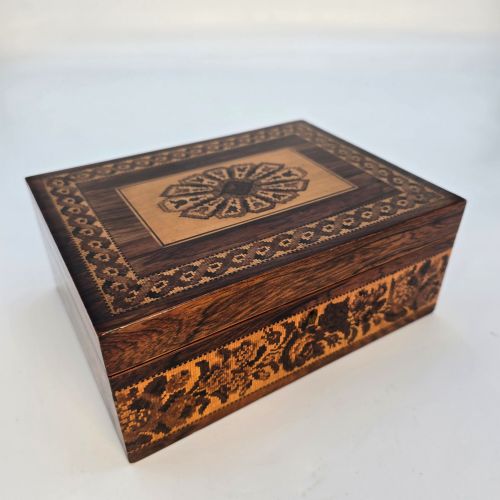
Makers utilised a diverse palette of organic and mineral materials, combining dense hardwoods such as rosewood, walnut, and mahogany with delicate veneers of tortoiseshell, bone, mother-of-pearl, and banded agate. Tunbridge Ware examples demonstrate meticulous mosaic woodwork where tiny coloured wood prisms form geometric or pictorial surface patterns.
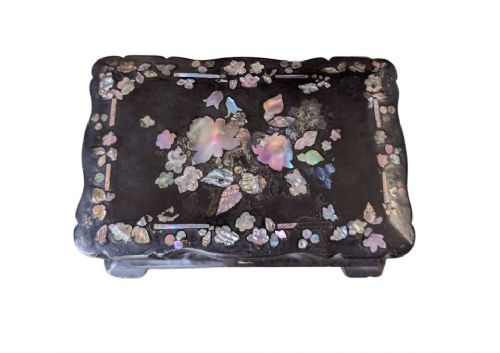
Metalworking techniques included cast or engraved brass, silver-gilt with shaded enamel, and champlevé enamel set against stone or metal bases. Papier-mâché and papier-mâché with inlaid mother-of-pearl provided smooth dark surfaces suited to painting and gloss finishes.
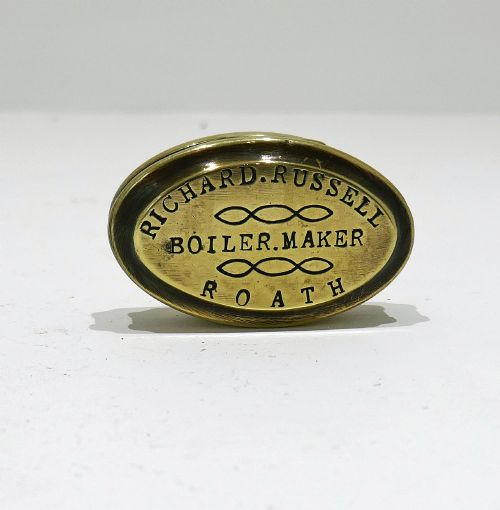
Materials span brass, rosewood, bone, lacquer, walnut, and gilt brass, reflecting diverse global and domestic production methods.
What Varies in Quality
Quality rests upon the precision of the joinery and the integrity of the surface decoration, whether that is finely carved hardwood, sharp casting in metalware, or the tightness of miniature parquetry tesserae. Pieces that retain their original interior linings, working locks, and fitted compartments generally represent higher levels of original craftsmanship.
The refinement of secondary materials, such as the quality of the bone inlays, the clarity of the agate cabochons, and the delicacy of the hand-painted porcelain or enamel portraits, distinguishes standard utility items from top-tier decorative works.
Edmund Nye·Jean-Baptiste Isabey·Khlebnikov
The Nineteenth Century Trinket Box Glossary
- Tunbridge Ware
- A type of intricately decorated woodwork originating from Kent, characterised by surface mosaics made from thousands of tiny tinted wood blocks. It creates complex pictorial or geometric veneer patterns.
- Papier-mâché
- A composite material made from paper pulp or layers of paper bound with glue, then moulded and dried. It offers a stable, smooth base for lacquer and mother-of-pearl inlay.
- Champlevé
- An enamel technique where troughs or cells are carved into a metal surface and filled with vitreous enamel powder before firing. The metal edges remain visible as outlines between the coloured areas.
- Treen
- Small handmade wooden household objects and utilitarian wares. The term covers functional items shaped by turning on a lathe or carved by hand.
- Apprentice piece
- A miniature item of furniture demonstrating the skill required for a craftsman to attain master status. They often mirror full-scale chests of drawers and cabinets with working miniature drawers.
- Sarcophagus
- A box shape featuring a sloped lid resembling an ancient stone coffin, popular for tea caddies and desk boxes during the Regency period.
Nineteenth Century Trinket Box: Frequently Asked Questions
What is a nineteenth century trinket box used for?
These boxes were originally made to store small personal items such as rings, pins, snuff, pills, or documents. Today, collectors use them on dressing tables, desks, or living room surfaces to display or store modern trinkets.
Their varied sizes mean they adapt easily to holding modern jewellery or keys while adding period character to a room.
How do I tell Regency boxes from Victorian boxes?
Regency boxes often feature clean neoclassical lines, parquetry, or sarcophagus shapes with brass paw feet and ring handles. Victorian examples frequently display heavier ornamentation, bolder floral motifs, or rich burr walnut and papier-mâché.
Looking at the choice of woods and inlay styles helps separate the restrained elegance of the earlier period from the exuberant revival styles of the later nineteenth century.
Are these boxes made of solid wood?
Many boxes utilise a secondary softwood or hardwood carcase covered with decorative wood veneers such as rosewood, mahogany, or thuya. Others are formed entirely from solid exotic timbers like ebony or fruitwood, while some rely on papier-mâché or metal.
The construction method depends entirely on the decorative effect the maker intended to achieve on the exterior surface.
How should I clean my antique box?
Maintenance generally requires only a soft, dry cloth to remove dust from wooden and metal surfaces. Liquid cleaners and polishes can damage fragile historic finishes, varnishes, or paper linings inside the box.
Keeping the box away from direct sunlight and stable humidity levels protects both the exterior wood and delicate interior silk or paper components.